Electric vehicles
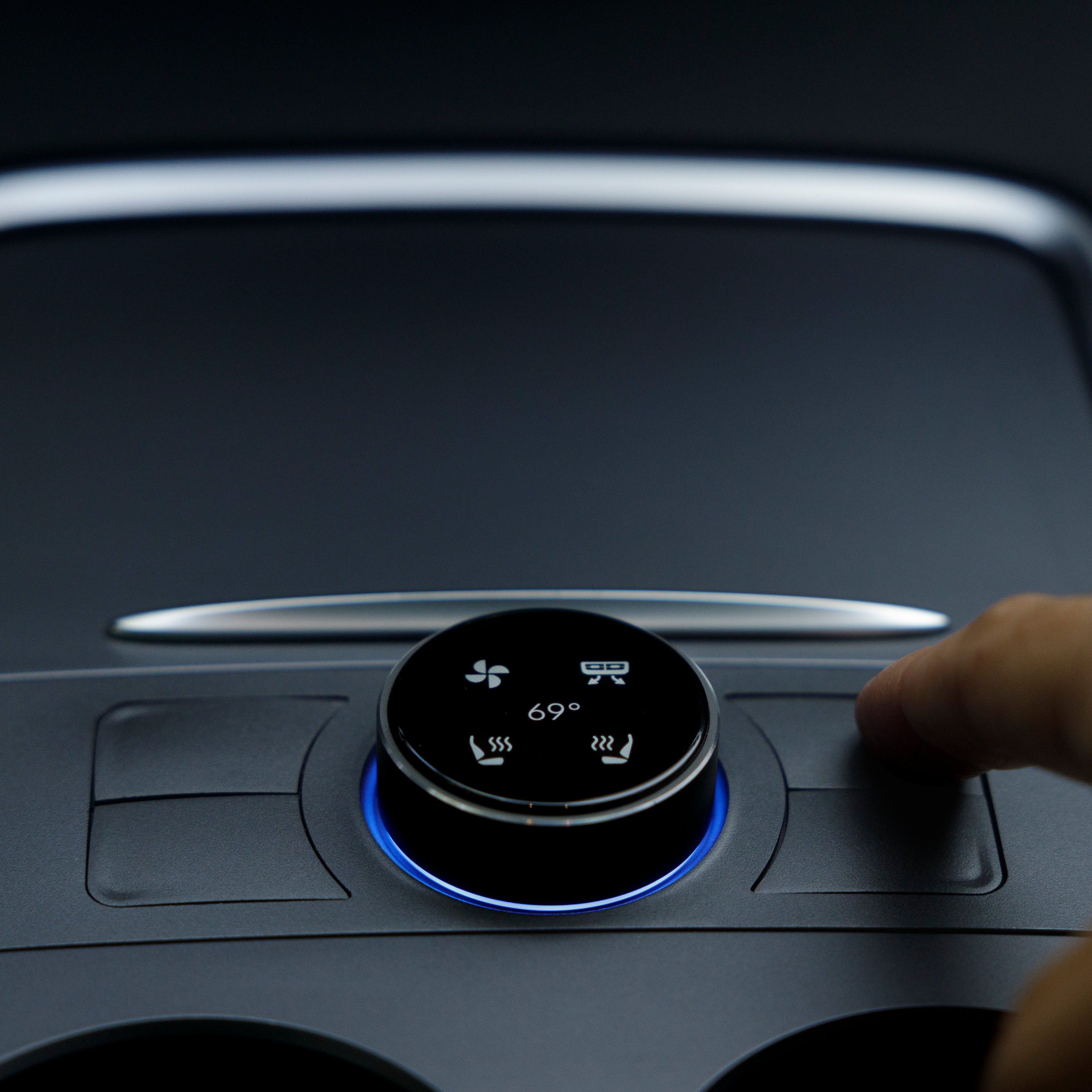
At Evniculus, we believe the future of mobility is undeniably electric. Every year more drivers switch to electric vehicles because they offer quieter journeys, lower running costs, and cleaner cities. The market now spans everything from compact city EVs to high-performance models with long range, giving drivers more freedom than ever to choose a vehicle that fits their lifestyle. As electric vehicle brands from Europe, Asia, and the US continue to expand, their differences help customers understand which models best match their driving habits and expectations.
European EV brands
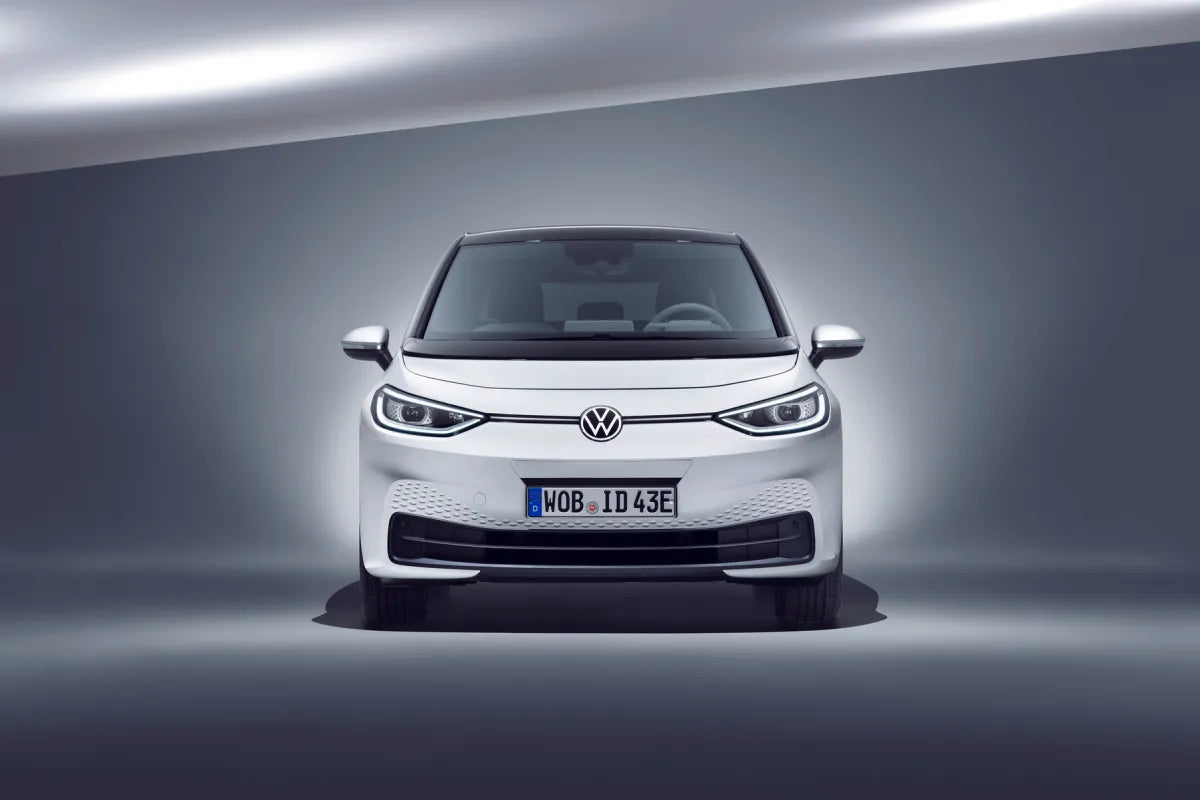
When we talk about European electric car brands, we think of precision engineering, high-quality materials, and refined driving dynamics. Europe is home to some of the world’s most respected EV manufacturers, including BMW, Mercedes-Benz EQ, Audi e-tron, Porsche Taycan, Volkswagen ID., Volvo, Polestar, and Renault. These brands combine comfort, innovation, and long-term reliability.
Many European EVs now feature advanced battery cooling, fast DC charging up to 350 kW, and sophisticated driver-assistance systems. Models like the BMW i4, Audi Q8 e-tron, and Porsche Taycan demonstrate Europe’s focus on premium performance and engineering excellence. Drivers who value stability, craftsmanship, and long-distance comfort often gravitate toward European brands.













Asian EV brands
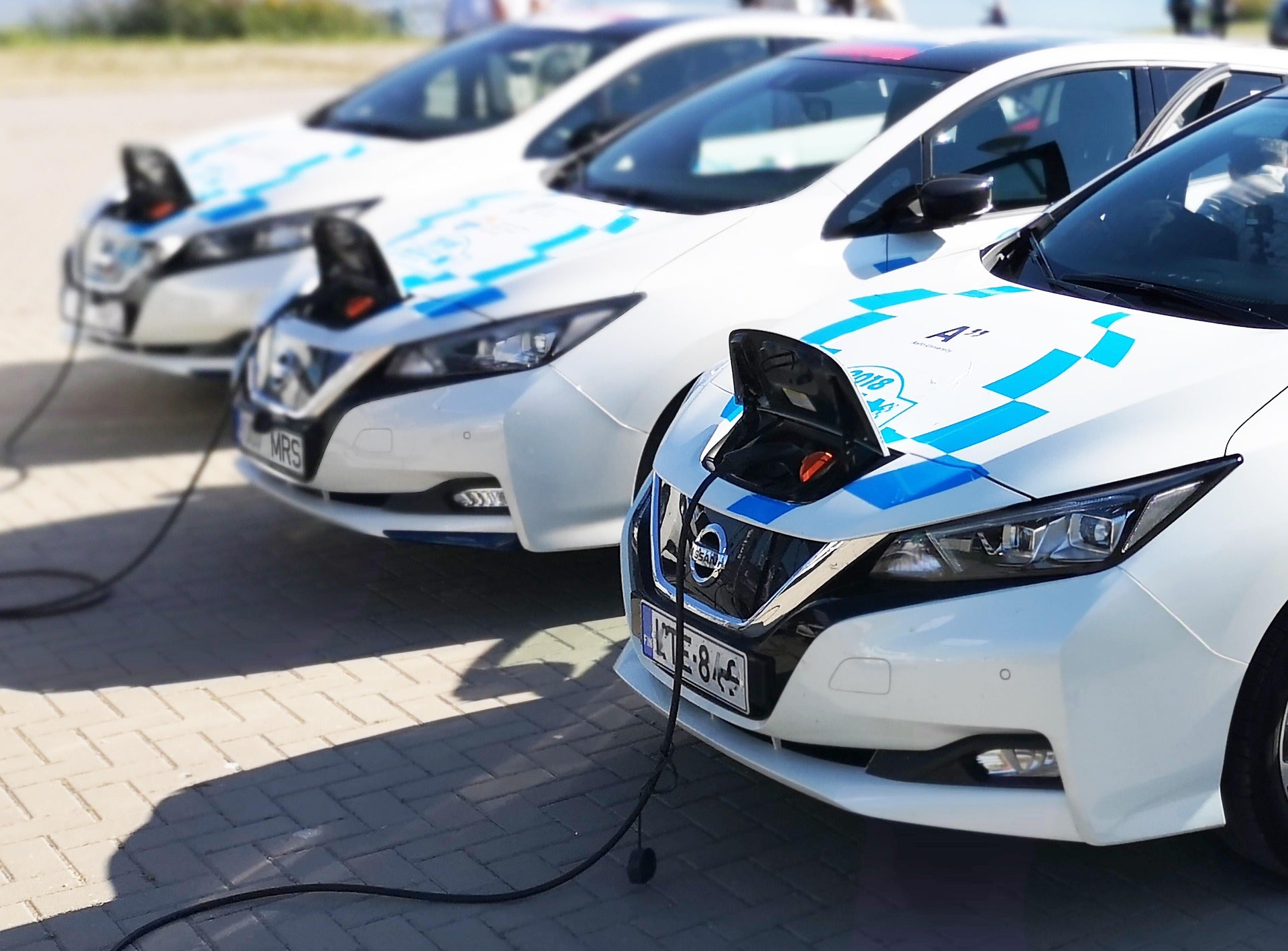
Asia has become one of the most innovative regions in the EV world. Asian electric car brands bring a mix of cutting-edge technology, strong value, and rapid development. Key Asian players include Hyundai IONIQ, Kia EV series, Toyota, Nissan, Honda, as well as fast-growing Chinese manufacturers like BYD, NIO, XPeng, and Geely. Chinese electric vehicles stand out for their technology-first approach, offering large infotainment displays, strong software integration, and competitive pricing.
Meanwhile, Japanese electric cars are known for exceptional reliability and battery longevity, with models like the Nissan Leaf and Toyota bZ4X continuing to lead in efficiency and durability. Korean electric car models, such as the Hyundai IONIQ 5 and Kia EV6, are recognized for their ultra-fast 800V charging platforms. These strengths make Asian EVs ideal for drivers seeking innovation and practicality.












American EV brands
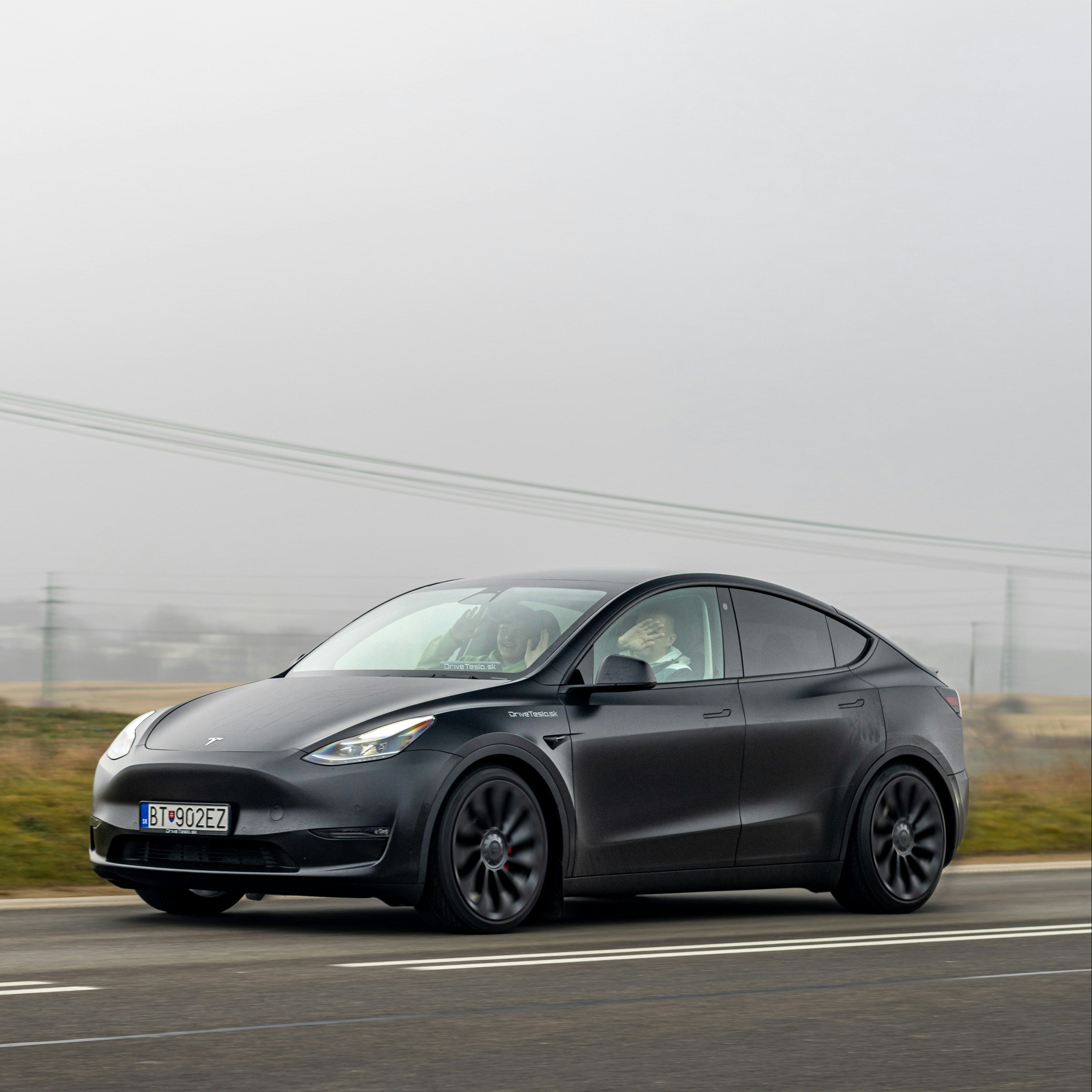
American electric cars combine futuristic software, bold styling, and high power output. The most influential US manufacturers include Tesla, Ford, Rivian, Lucid Motors, and Chevrolet. Many American electric car models focus on long range, quick acceleration, and highly integrated digital interfaces.
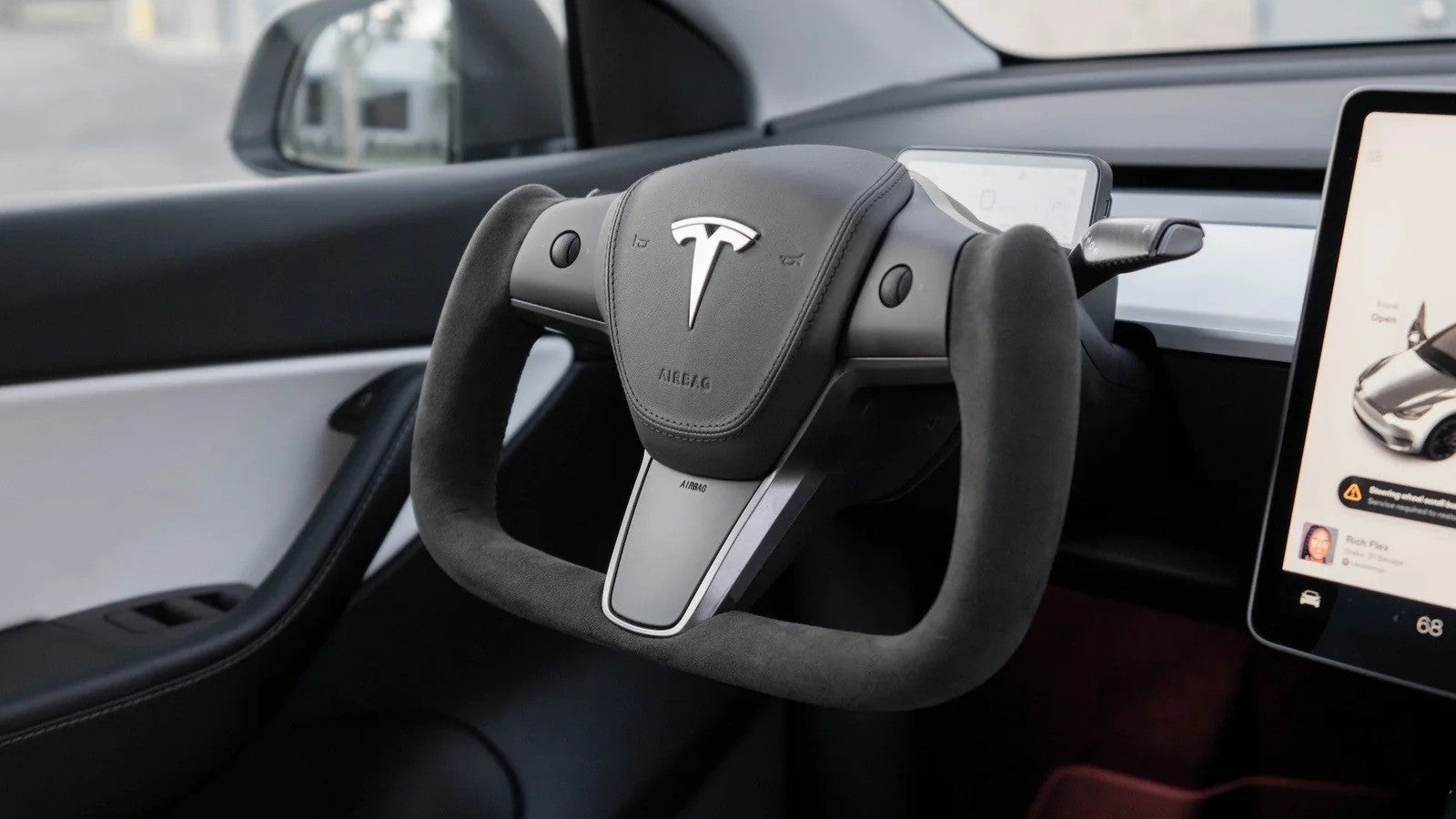
Tesla's lineup, for example, offers some of the longest ranges in the industry, while brands like Rivian and Ford push the boundaries with electric trucks and adventure-ready EVs. American electric vehicles often feature advanced autonomous driving capabilities, over-the-air updates, and strong DC fast-charging performance. These qualities attract drivers who want a confident, modern EV with strong technology at its core.





Our products for electric vehicles
At Evniculus, our goal is to make charging easier, safer, and more intuitive for all electric vehicles. Whether you drive a European sedan, an Asian compact EV, or an American performance model, the right accessories ensure smooth and reliable charging every day.
EV charging adapters
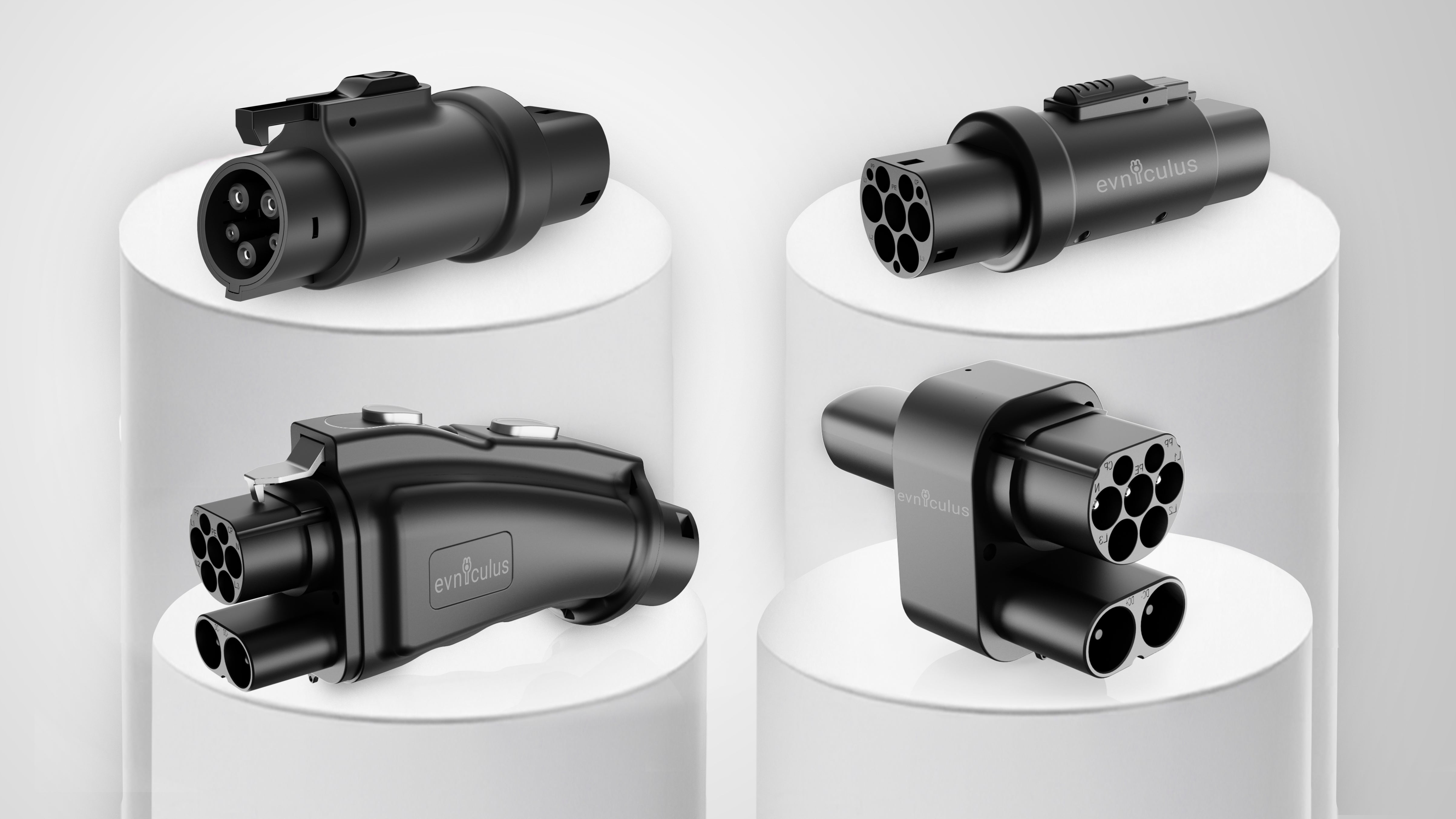
Our EV charging adapters help drivers stay prepared when using different types of chargers, especially during travel. They ensure compatibility between charging standards, allowing you to power your EV almost anywhere, whether you encounter Type 1, Type 2, CCS2, CHAdeMO, or regional AC sockets.
For example, European drivers visiting the UK often rely on Type 2 to Type 1 adapters for older charging points, while travelers across Central Europe use Schuko to Type 2 adapters for slow charging at hotels or private properties. Adapters become especially valuable on long-distance trips, where connector types vary widely between countries and charging networks. Some EV owners also use three-phase CEE adapters (16A or 32A) to achieve stable charging when standard outlets are not available.
These practical accessories help prevent situations where charging becomes impossible due to mismatched plugs, a common challenge for EV drivers traveling internationally.
EV chargers
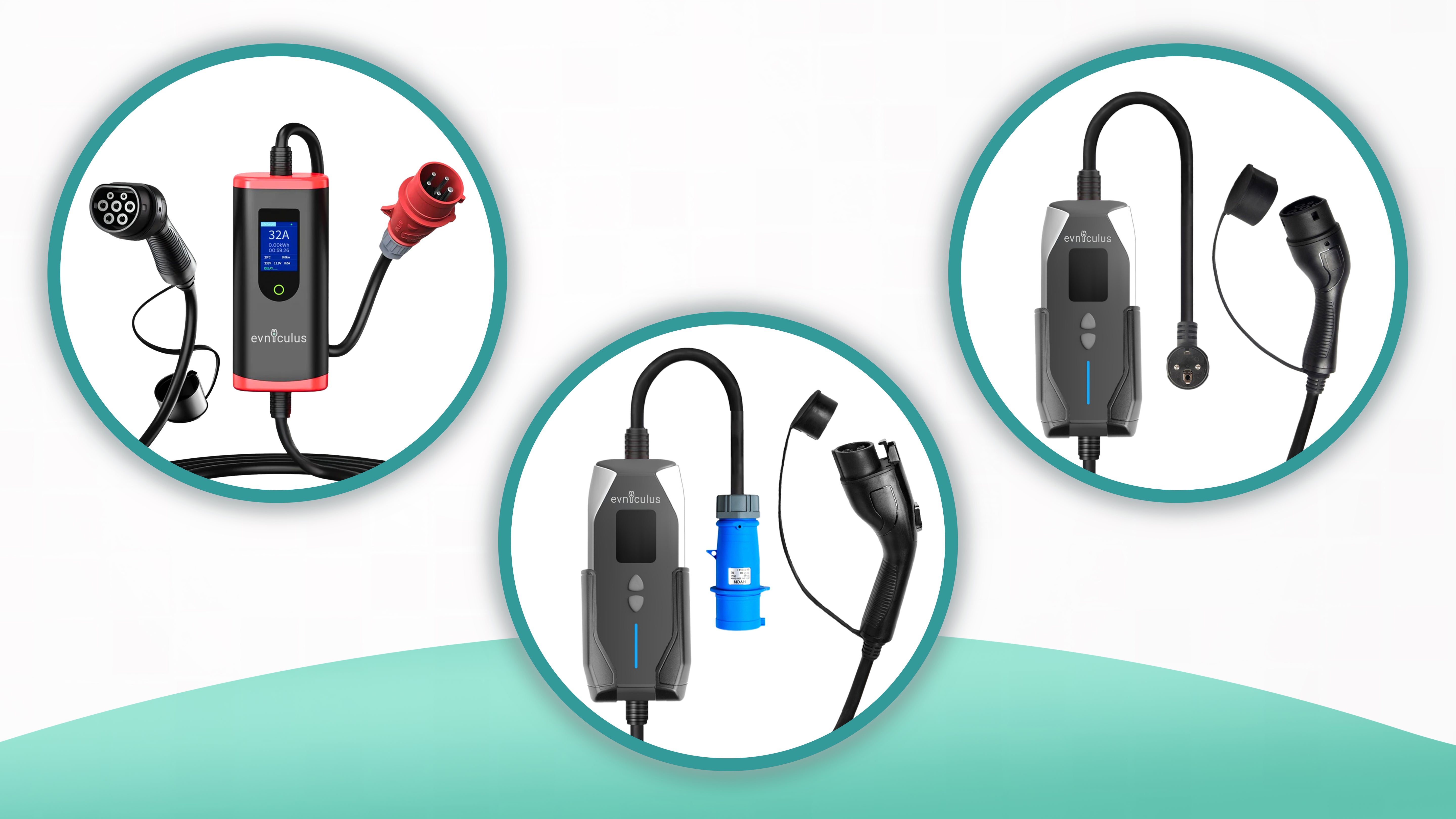
We offer a wide selection of EV chargers designed for homes, offices, and commercial spaces. Many customers search for the best EV chargers that provide a combination of stable performance, smart features, and safe operation.
The right choice often depends on your vehicle’s onboard charger. For example:
- Most European EVs, such as the BMW i4, Tesla Model Y, Hyundai IONIQ 5, support 11 kW AC charging.
- Some older models and plug-in hybrids only accept 3.7 kW–7.4 kW.
- High-performance EVs with three-phase onboard chargers can take full advantage of 22 kW AC stations.
Smart chargers equipped with Wi-Fi or Bluetooth allow you to schedule charging during off-peak hours, monitor consumption, and protect the grid connection from overload. From compact wallboxes for home use to advanced charging solutions for businesses, our team guides you in selecting a charger that matches your electrical setup and the capabilities of your EV.
EV charging cables
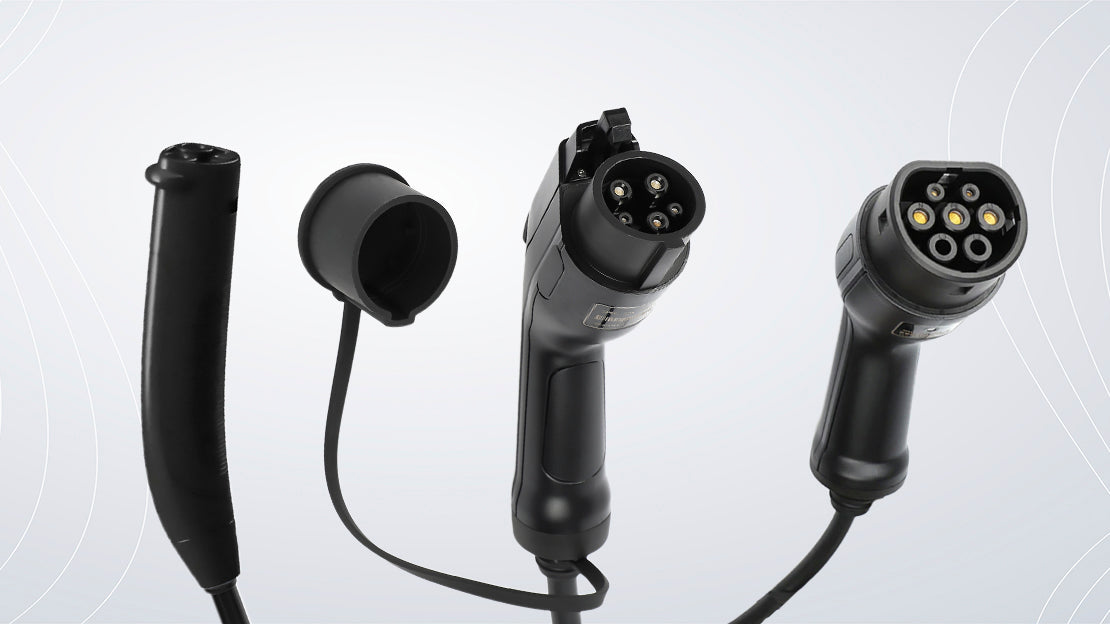
A high-quality EV charging cable is essential for safe, reliable daily charging. Our cables are engineered to withstand heat, cold, UV exposure, and frequent bending, ideal for drivers who charge outdoors or in shared parking spaces.
Choosing the right cable depends on two key factors:
- Power rating (kW):
- A 7.4 kW single-phase cable works for most home setups.
- 11 kW and 22 kW three-phase cables support faster AC charging, especially for vehicles like the Renault Zoe, Mercedes EQB, or Kia EV6.
- Length:
- 5 m for short, tidy home installations.
- 7.5 m or 10 m for public charging situations where chargers are positioned unpredictably.
For example, a Tesla Model 3 owner using a 22 kW public charger will still benefit from a 22 kW cable, even if the car charges at 11 kW, because the thicker cable reduces heat and ensures stable performance.
With various lengths and power ratings available, every driver can choose a cable suited for their daily routine, including home charging, workplace stations, and long-distance travel.