
Updated on 29.09.2026
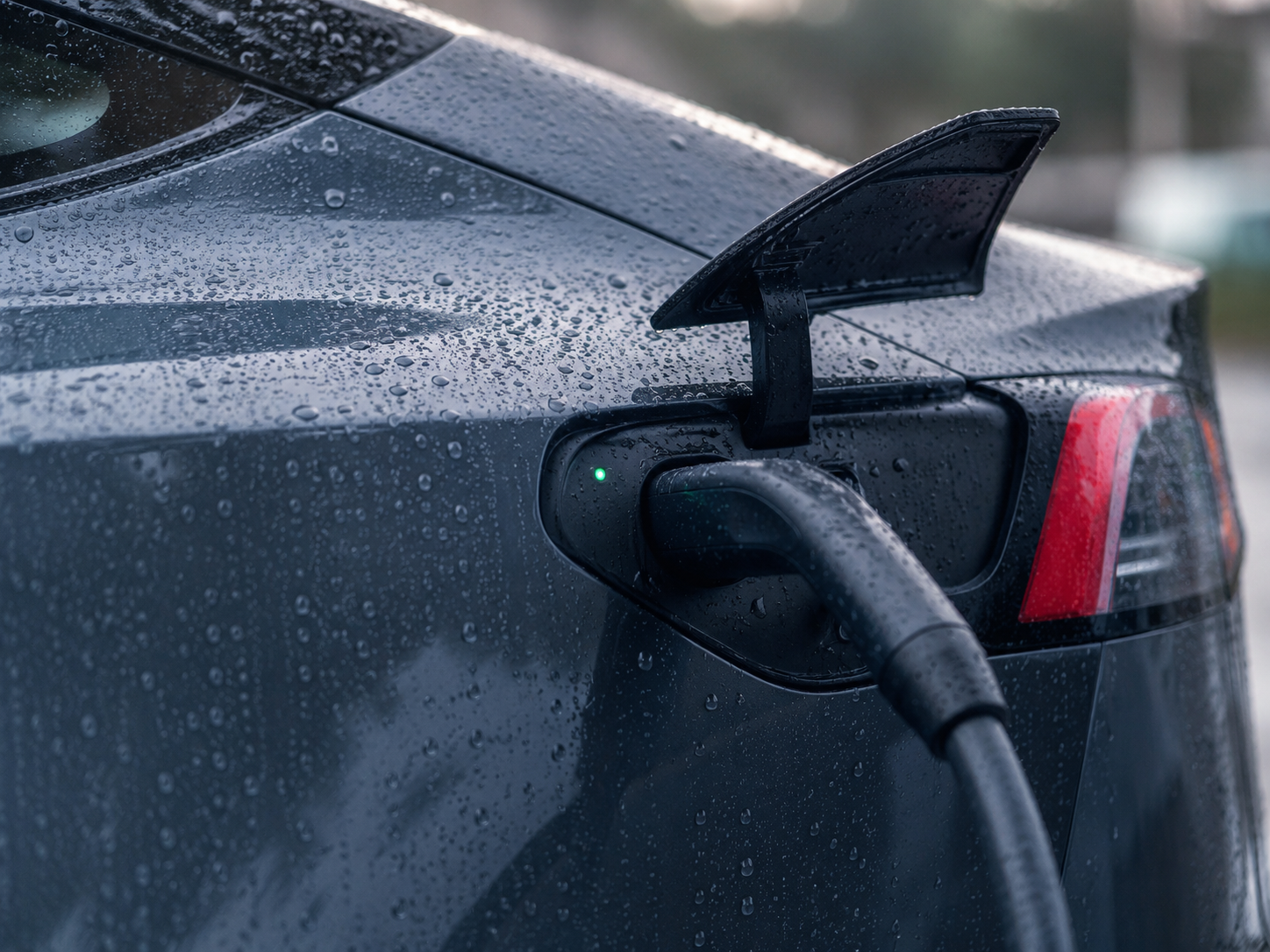
The question can I charge my Tesla in the rain is entirely reasonable, because water and electricity rarely make a reassuring combination. The short answer is yes: you can normally charge a Tesla in ordinary rain when the vehicle, connector and charging equipment are undamaged, correctly installed and used according to their instructions. The qualification matters, however. Normal rainfall, severe weather and flooding are three very different conditions.
At EVniculus, we approach this as an equipment-specific safety question rather than a simple myth to dismiss. A Tesla Wall Connector, a Mobile Connector and a public fast charger do not come with identical operating instructions, while the socket, adapter and cable can each introduce their own limitations. If you would first like a broader overview of charging methods, see our guide to charging a Tesla.
How Tesla’s Charging System Reduces the Risk of Electric Shock
An EV charging connection does not behave like an exposed household socket with full charging power constantly available at the end of the cable. After the connector is inserted, the vehicle and charging equipment first establish a connection and communicate before normal power transfer begins.
Tesla’s current charging instructions for Model 3 illustrate that sequence through the charge-port light. Blue indicates that the charger is connected or communicating with the car, blinking green shows that charging is in progress, and red means that a fault has been detected and charging has stopped.
The equipment also monitors a range of electrical conditions. The European Wall Connector includes residual-current detection, while Tesla’s Mobile Connector can stop charging after detecting problems such as a ground fault, loss of ground, abnormal voltage or an internal relay fault. These protections reduce risk, but they do not make damaged equipment, a wet domestic outlet or a submerged connection safe to use. Built-in protection supports correct operation; it cannot replace it.
Can You Charge a Tesla in the Rain? The Charging Setup Matters
If you are wondering can you charge your Tesla in the rain, begin by identifying what connects the car to the electricity supply. The practical answer changes with the charging setup.
|
Charging setup |
Ordinary rain |
When not to proceed |
|
Tesla Wall Connector |
Normally suitable when the unit is correctly installed, undamaged and rated for outdoor use. The European Gen 3 Wall Connector has an IP55 enclosure rating and is approved for indoor and outdoor installation. |
Do not use equipment showing damage or a fault, and never continue when the connection is exposed to standing or flood water. |
|
Tesla Mobile Connector |
It may be used only when the instructions for the exact generation and adapter can be followed, with the controller, adapter, outlet and connection protected from water. |
Tesla says not to use it in severe rain, snow, an electrical storm or other inclement weather. Do not use a wet, damaged or corroded unit, or an outlet that is submerged or covered in snow. |
|
Tesla Supercharger or another public station |
An operating public charger can normally be used in ordinary rain when its connector and the vehicle’s charge port are undamaged and free from contamination. |
Stop if the station or car reports a fault, the connector is damaged, or any part of the connection is in standing or flood water. Follow the charging operator’s instructions as well as the vehicle manual. |
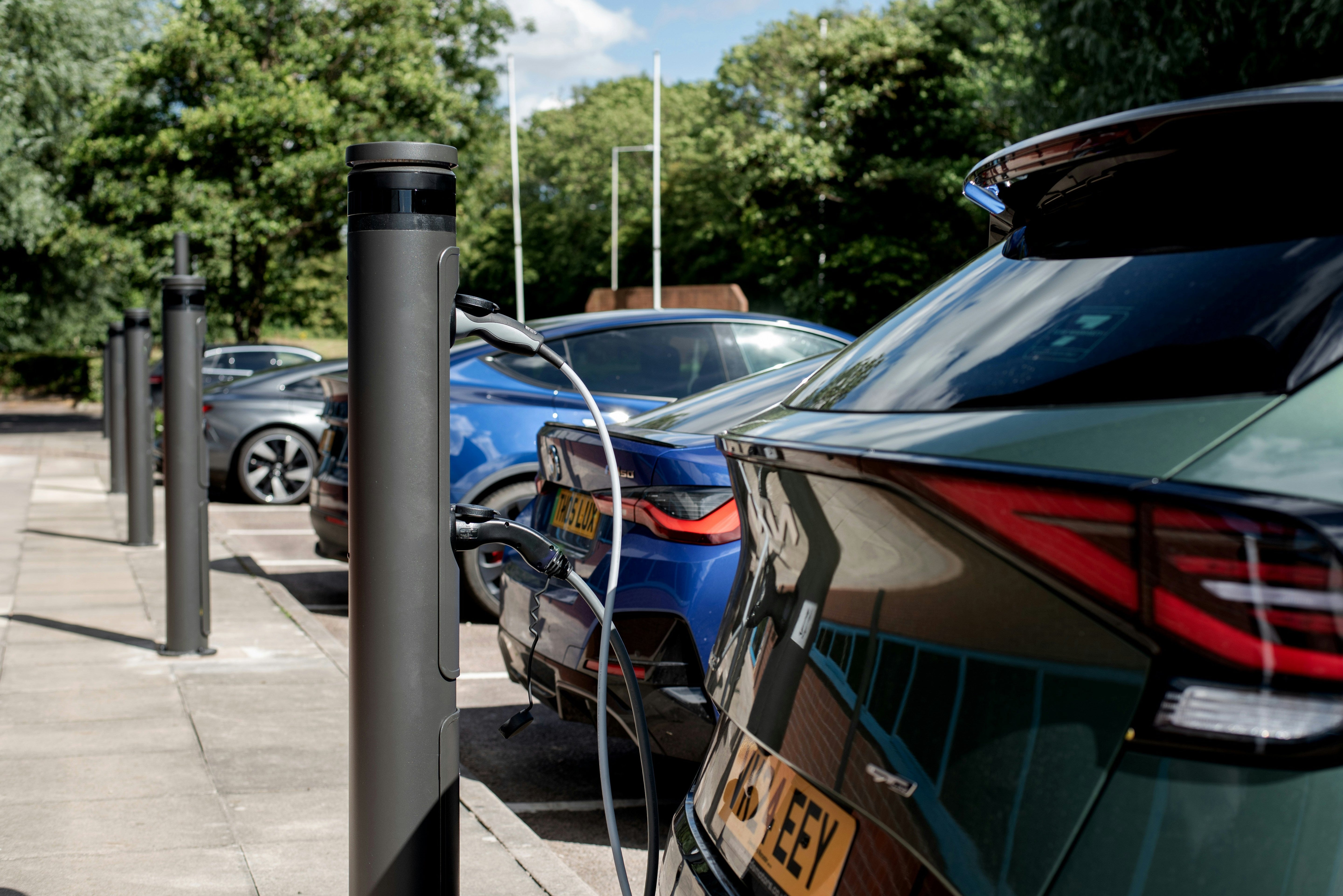
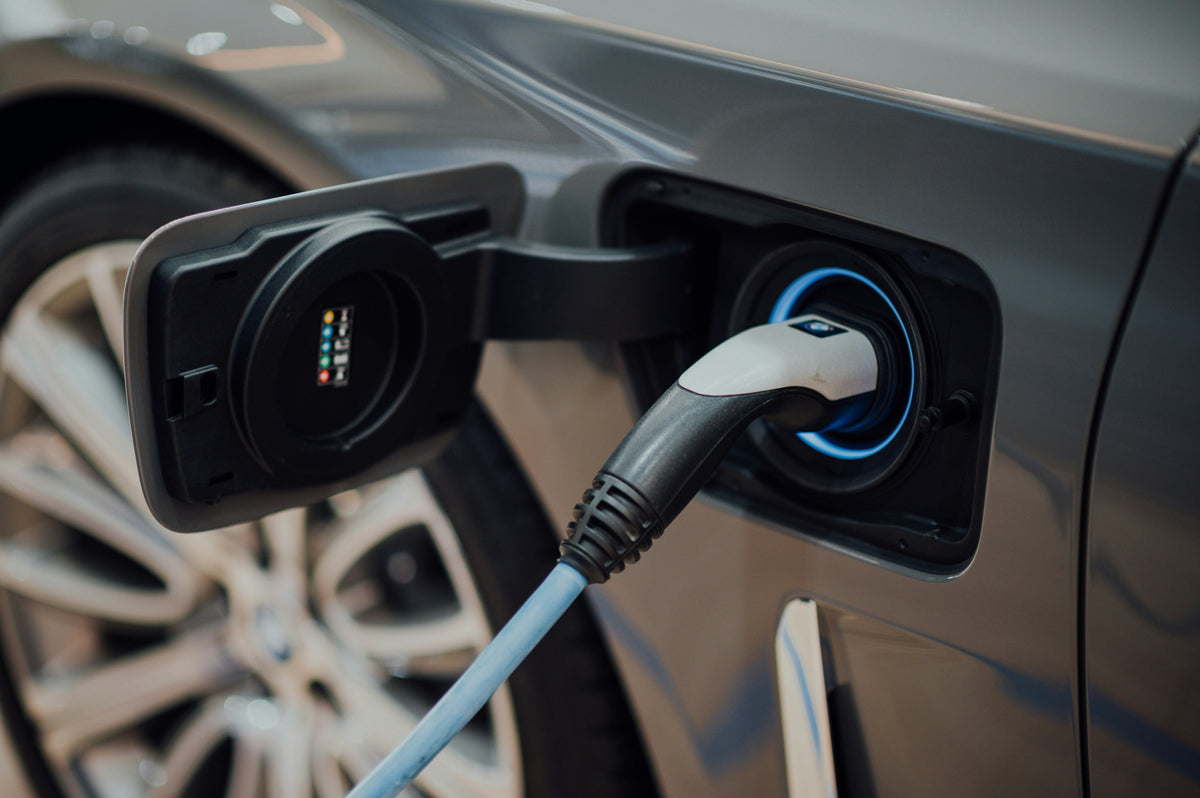
The same principle applies when an adapter is needed at a public station. Confirm that it is compatible with both the vehicle and charger, inspect it before use and follow its own operating limits. Our range of EV charging adapters can help drivers identify the appropriate connection, but compatibility and condition must always be checked before charging.
Is Tesla Charging Equipment Waterproof or Weather-Resistant?
“Waterproof” is often used as convenient shorthand, but it is not an accurate description of every component in a Tesla charging setup. Tesla’s European Wall Connector datasheet gives the Gen 3 unit an IP55 enclosure rating. Tesla lists the Gen 2 Mobile Connector as IP55 and the Gen 3 Mobile Connector as IP65. The current specifications describe these products as suitable for indoor and outdoor use, but an IP rating refers to defined test conditions; it is not permission to submerge the equipment or disregard the manual.
This distinction is especially important with a Mobile Connector. Tesla’s European Gen 3 Mobile Connector manual gives the enclosure an IP65 rating while also instructing owners to protect the Mobile Connector and adapter from moisture, water and foreign objects. It further warns against allowing rainwater to travel along the cable towards the electrical outlet or charge port.
The household outlet can be the most vulnerable part of this arrangement. It must be suitable for EV charging, correctly grounded, undamaged and protected as required by local electrical rules. Tesla also states that its Mobile Connector must not be connected through an extension cord, multi-outlet adapter, conversion plug or power strip.
Weather resistance should therefore be assessed component by component. The rating of the Wall Connector does not automatically apply to the car’s inlet, an adapter, a domestic outlet or another accessory. Tesla also warns owners never to direct a high-velocity liquid, such as a pressure-washer jet, towards the charge port while the vehicle is charging.
When You Should Not Charge a Tesla in Rain or Thunderstorms
Being suitable for outdoor use does not mean that charging equipment can be used in every weather condition. The intensity of the rain, the presence of lightning and the condition of the surrounding area all affect whether it is sensible to begin or continue a charging session. In the situations below, postponing the charge is the safer course.
Severe Rain and Electrical Storms
Ordinary rain should not be confused with severe weather. Tesla’s manuals for both the Gen 2 and Gen 3 Mobile Connector instruct owners not to use the device when they, the vehicle, the Mobile Connector or its adapter are exposed to severe rain, snow, an electrical storm or other inclement conditions.
This is more precise than saying that all wet-weather charging is either completely safe or completely unsafe. Light or ordinary rain may be compatible with a properly arranged setup, while a violent storm is a reason to wait. If lightning is close, avoid going outside simply to connect or disconnect equipment and resume once conditions are safe. For a fixed charger or public station, follow the instructions for that specific unit and any warnings displayed by the vehicle or charging operator.
Standing Water and Flooding
Puddles around a cable are not merely inconvenient. An outlet, plug, adapter, controller or vehicle connection must never be submerged. If a Mobile Connector is already attached to an outlet that becomes submerged, Tesla instructs the user to switch off the relevant circuit breaker before unplugging it. That should only be attempted when the breaker can be reached safely from a dry location; otherwise, keep away and contact a qualified electrician or the appropriate emergency service.
Flooding requires a different response from rain. In its submerged-vehicle guidance, Tesla advises unplugging the charger when a possible submersion event is forecast. A vehicle that has experienced prolonged submersion should not be operated until it has been inspected by an authorised facility.
Damaged, Wet or Corroded Equipment
Do not begin charging if the cable is cracked or frayed, the connector is broken, the adapter shows corrosion, or moisture and debris are present where the electrical contact is made. A connector that has been dropped into standing water should be taken out of service and assessed in accordance with the manufacturer’s instructions. Do not insert cloths, tools or other objects into the terminals and do not attempt a makeshift repair.
Practical Safety Checks for Charging a Tesla in Wet Weather
Before plugging in, inspect the connector, cable, adapter and charge port. The cable should reach the car without being stretched, trapped under a tyre or routed through standing water. Make sure every connection is fully seated and that any domestic outlet being used is suitable for sustained EV charging. If an extension lead or improvised combination of plugs seems necessary, the charging arrangement itself needs to be reconsidered.
Once connected, look at the charge-port light and the information shown in the car or Tesla app. A blinking green light confirms active charging. A blinking amber light can indicate reduced AC charging current, while red means that charging has stopped because a fault was detected. Read the alert instead of repeatedly disconnecting and reconnecting the cable in an attempt to override it.
When charging is complete, unlock the car and release the connector in the normal way. Tesla explains that once the charge-port latch retracts, the Mobile Connector stops supplying power and can be removed from the vehicle. Pull the connector by its handle rather than tugging the cable. This procedure remains suitable in ordinary rain, provided that the connector and surrounding area are not submerged, damaged or contaminated.
Equipment Care
At EVniculus, we regard careful storage as part of charging safety rather than a cosmetic detail. A cable that is repeatedly dragged, stepped on, sharply bent or left in a puddle will not remain in good condition indefinitely. Supporting the controller, avoiding strain on the outlet and loosely storing the cable on a suitable holder help protect both the insulation and the connections.
Every external electrical accessory should be judged by its own instructions and weather rating. That applies to charging cables and adapters as well as a specialised product such as a Tesla V2L discharger; the protection rating of a charger must never be assumed to cover a separate discharging accessory.
Frequently Asked Questions About Charging a Tesla in the Rain
Can I unplug my Tesla while it is raining?
Yes, you can normally disconnect the vehicle in ordinary rain when the equipment is intact and the area is free from standing water. Unlock the car, release the latch, wait for charging to stop and remove the connector by its handle. Do not handle a connection that is submerged or shows signs of water inside its electrical contact area.
Does rain reduce Tesla charging speed?
Rain alone does not automatically lower the charging rate. Available power, battery temperature, charger capacity and the vehicle’s charge curve have a much greater influence. The car or charging equipment may reduce or stop power if it detects an electrical or temperature-related fault, so check the displayed message whenever the charge rate changes unexpectedly.
Can I wash my Tesla while it is plugged in?
Do not direct a pressure washer or another high-velocity water jet towards the charge port while charging. If you are washing around the charging area, the clearer and safer option is to stop the session and disconnect the vehicle first, following the instructions in the owner’s manual.
Does a Tesla charger need a rain cover?
A correctly installed outdoor-rated Wall Connector does not normally need an improvised cover. A Mobile Connector setup is different because the outlet, plug, adapter and controller must all be positioned and protected in accordance with their instructions. Do not wrap charging equipment in plastic or add a homemade cover that interferes with a secure connection, heat dissipation or inspection.
Can You Charge Tesla in Rain at a Supercharger?
Yes, an operational Tesla Supercharger can normally be used during ordinary rain. Check that the handle and charge port are undamaged, keep clear of standing water and follow any alert displayed by the station or vehicle. Do not start or continue the session if the connector is damaged, contaminated or submerged.
Charging Your Tesla Safely in Wet Weather
Rain does not have to interrupt a normal charging routine, but the answer is more useful when it includes its limits. Ordinary rainfall is generally compatible with an intact, correctly installed Wall Connector or an operational public charging station. A Mobile Connector demands closer attention to the outlet, adapter and weather conditions, and Tesla specifically rules out its use in severe rain or an electrical storm.
For us at EVniculus, safe charging begins with precise information: identify the equipment, read the instructions for that exact model and inspect every component that carries power. When there is flooding, standing water, visible damage or a fault alert, postponing the charge is not excessive caution. It is the correct use of the system.