

The Model S still sits at the top of Tesla’s passenger-car range, but the ownership case is more practical than the badge suggests. In the current Germany-market European lineup, how much is a Tesla Model S starts at €110,970 for the All-Wheel Drive car and rises to €120,970 for Plaid, which puts the real decision on range, charging rhythm and daily use rather than on image alone.
That is also why when did Tesla Model S come out still matters. Tesla unveiled the prototype in 2009, began customer deliveries on 22 June 2012, and the current Europe-market MY26 AWD and Plaid cars arrived from October 2025, so a used early Model S and a current European Model S do not behave the same way around charging access, software, battery checks or long-trip planning.
Overview of the most in-demand Tesla Model S variants
In the current Germany-market European lineup, the logic is simple. Model S AWD is the distance car: longest official WLTP range, lower official consumption and the easier fit for drivers who want big motorway miles with a calmer charging routine. Plaid keeps the same 100 kWh-class battery and the same 11 kW AC / 250 kW DC charging structure, but shifts the value picture toward extreme performance, heavier hardware and a shorter official range. In practice, both are serious long-distance EVs, but the AWD version is the cleaner ownership tool if charging convenience and range matter more than acceleration of theatre.
Tesla Model S All-Wheel Drive
This is Model S for drivers who want the flagship shape without turning every journey into a performance exercise. The AWD car suits heavy intercity use, fast motorway cruising, premium family travel and owners who want the simplest weekly charging pattern. It is also the version that makes the strongest case for a sensible home setup, because the long official range means most owners will be topping up rather than chasing full charges.
The table below uses the current Germany-market Model S AWD figures from Tesla’s live European spec page, with battery, AC charging, seat count, dimensions and price supported by the corresponding Europe-market EV Database entry.
744 km WLTP
16.8 kWh/100 km
100.0 kWh nominal, 95.0 kWh usable
Dual Motor AWD
670 PS
2,092 kg curb mass
5
799 liters combined cargo volume
11 kW AC
250 kW DC
Around 30 min, 10% to 80%
5,021 x 1,987 x 1,431 mm
€110,970 in Germany
Tesla Model S Plaid
Plaid matters because it keeps the Model S relevant at the very top end of the fast-EV market. It is not the rational range-first choice, but it is also not a toy. You still get full-size hatchback practicality, serious rapid-charging capability and a battery large enough for real road-trip use. The buyer here is choosing an absurd pace without giving up the core advantages that make Model S workable as a daily electric car.
The figures below combine Tesla’s current European Plaid specifications with the live Europe-market EV Database entry for battery, price, seating, dimensions and AC charging.
611 km WLTP
18.0 kWh/100 km
100.0 kWh nominal, 95.0 kWh usable
Tri Motor AWD
1,020 PS
2,197 kg curb mass
5
799 liters combined cargo volume
11 kW AC
250 kW DC
Around 30 min, 10% to 80%
5,046 x 1,987 x 1,431 mm
€120,970 in Germany
Tesla Model S legacy / earlier variants
Older Model S versions still matter, especially for used buyers who are attracted by the shape, the hatchback body and the car’s place in EV history. The key point is that “Model S” covers several different ownership eras. Early 75D, 85 and 100D cars sit much further from the current charging and software experience. Long Range Plus, Performance, Dual Motor and earlier Plaid versions feel far closer to the current car, but battery condition, CCS access, charging curve and age matter more than badge alone.
This summary table is intentionally lighter, because used-condition variance matters more than brochure numbers once you move back through the Model S timeline.
What it means now
Charging and battery context
Lowest entry price, oldestcabinand hardware generations
Shorter real-world range, older charging assumptions, battery condition check is critical
Big jump in usable range and long-trip confidence for used buyers
Stronger distance ability, but age and charging-hardware history matter
The bridge between classic Model S and the modern ownership experience
Better range, stronger motorwayusesand more relevant charging behavior
Closest used alternative to the current car
Best match for buyers who want modern cabinto feelwith easier charging compatibility
Tesla Model S lineup comparison
The current and recent Model S lineup is easiest to understand as a split between range-first cars and performance-first cars, with the used market widening the picture underneath that.
Drive / Battery / Charging
Key features / range / practicality & notes
Dual Motor AWD, 95.0 kWh usable, 11 kW AC, 250 kW DC
744 km WLTP, the longest-range current car, easiest fit for frequent motorwayusesand lower weekly charging pressure
Tri Motor AWD, 95.0 kWh usable, 11 kW AC, 250 kW DC
611 km WLTP, 1,020 PS, still highly usable but boughtmainly forpace and top-end performance
AWD, 95.0 kWh usable, 11 kW AC, 250 kW DC
Strong used-market choice, close to the current ownership logic, less range than the MY26 AWD
Tri Motor AWD, 95.0 kWh usable, 11 kW AC, 250 kW DC
Earlier facelift performance flagship, similar charging logic to the current Plaid
Mostly AWD large-battery used variants
Can still make sense, but battery state, CCS path and charging speed matter more than headline badge
Tesla Model S review and features
Model S still makes most sense as a big electric liftback built for distance. The second row genuinely seats three adults; the hatchback opening is more useful than a traditional saloon boot, and the long wheelbase gives the car the kind of settled motorway feel that suits repeated high-speed European travel. The trade-off is size. This is not a small-city EV, and charger placement at home matters more than many owners expect because the port sits at the left rear. At Evniculus, that is the useful lens: not admiring the car from a distance, but understanding how it will live on a driveway, on a wallbox and on a 600 km day.
Tesla Model S charging overview
Most buyers do not need to think in terms of empty to full. The better questions are how much to charge Tesla Model S for normal use, and how to charge Tesla Model S in a way that fits mileage, parking and travel patterns. Tesla’s own battery guidance leans toward frequent charging, home charging when possible, and keeping the normal daily limit at 80% on batteries that recommend that setting, rather than running repeated deep cycles or leaving the car sitting near empty or full for long periods.
Tesla Model S charging time
On paper, both current European Model S versions support 11 kW AC charging and up to 250 kW DC charging. In practice, that means overnight AC charging is the normal ownership pattern, while rapid DC is the travel tool. From empty, a full AC charge at 11 kW is about 10 hours 15 minutes, but most owners are replacing ordinary daily use, not filling a flat battery. On long routes, a 10% to 80% rapid session is about 30 minutes in standardized Europe-market charging data. That is why 0 to 100 is the wrong mental model for most owners. Charge enough for the next stretch, let the car recover overnight at home, and use the full battery window only when the trip needs it. Variant choice changes range more than it changes headline charging power.
Tesla Model S charging port and compatibility
For the current European car, the charging logic is straightforward. AC charging uses a Type 2 connection; DC fast charging uses CCS Combo 2, and the port sits on the left rear. That means compatibility with the normal European home and public AC ecosystem is good, and rapid charging access across Tesla Superchargers and wider CCS networks is far less awkward than it was on older Model S generations. Tesla also notes that European V2 Superchargers use dual-cable posts to accommodate both DC Type 2 and CCS Combo 2 charge ports, which matters mainly for legacy cars. Older European Model S vehicles are different, because Tesla’s own CCS upgrade path exists specifically to bring some of those cars into smoother CCS and V3 Supercharger use.
Tesla Model S charging cable and adapter options
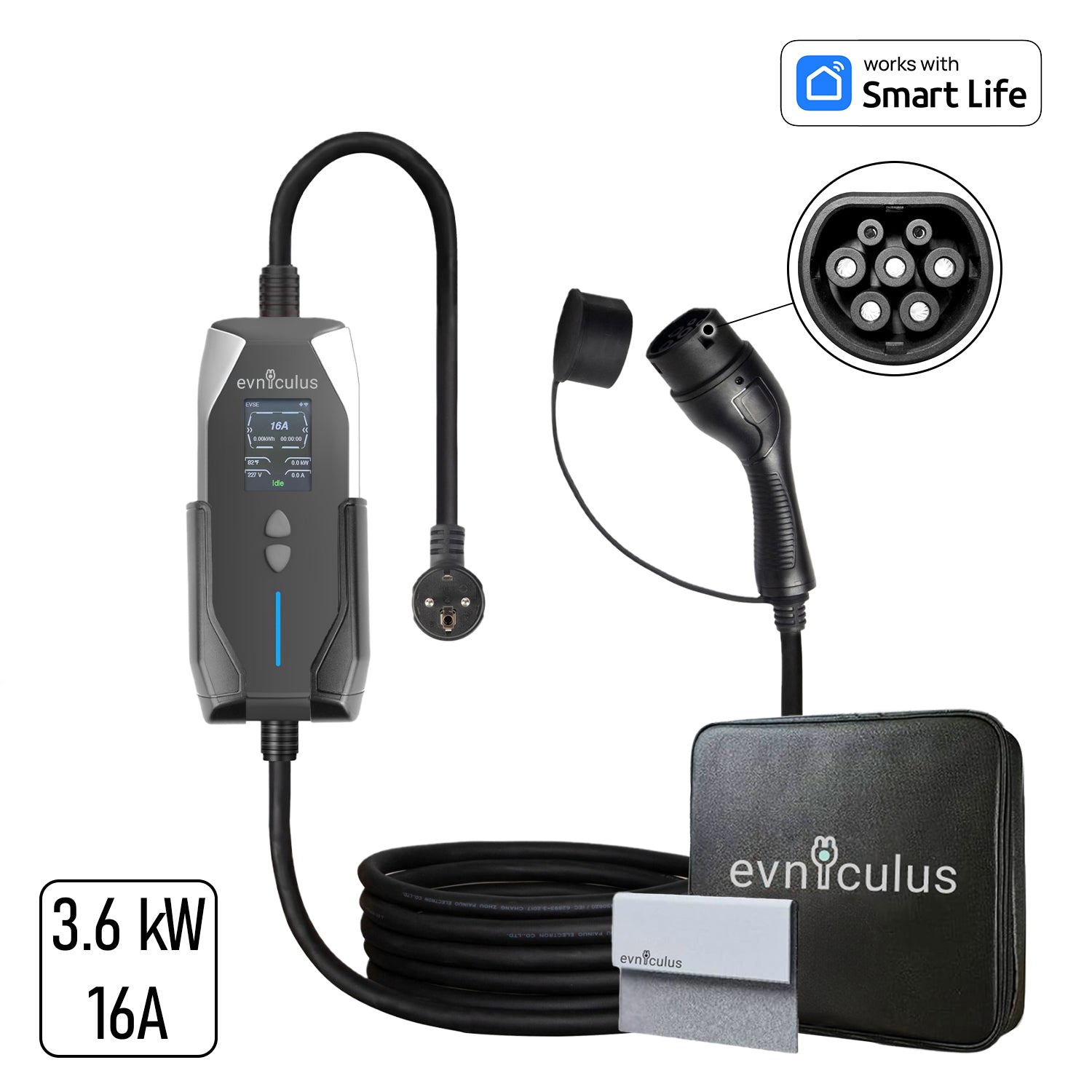
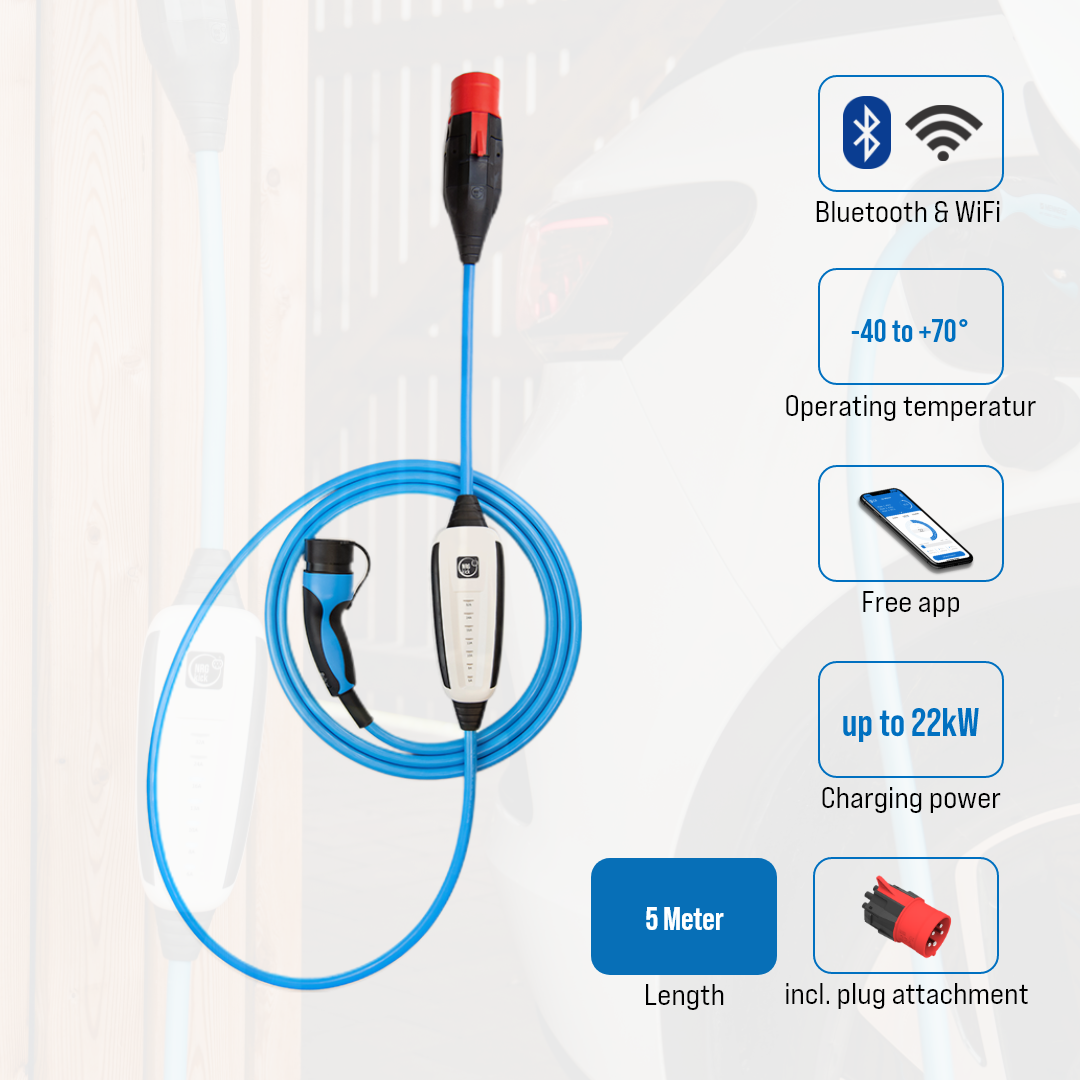
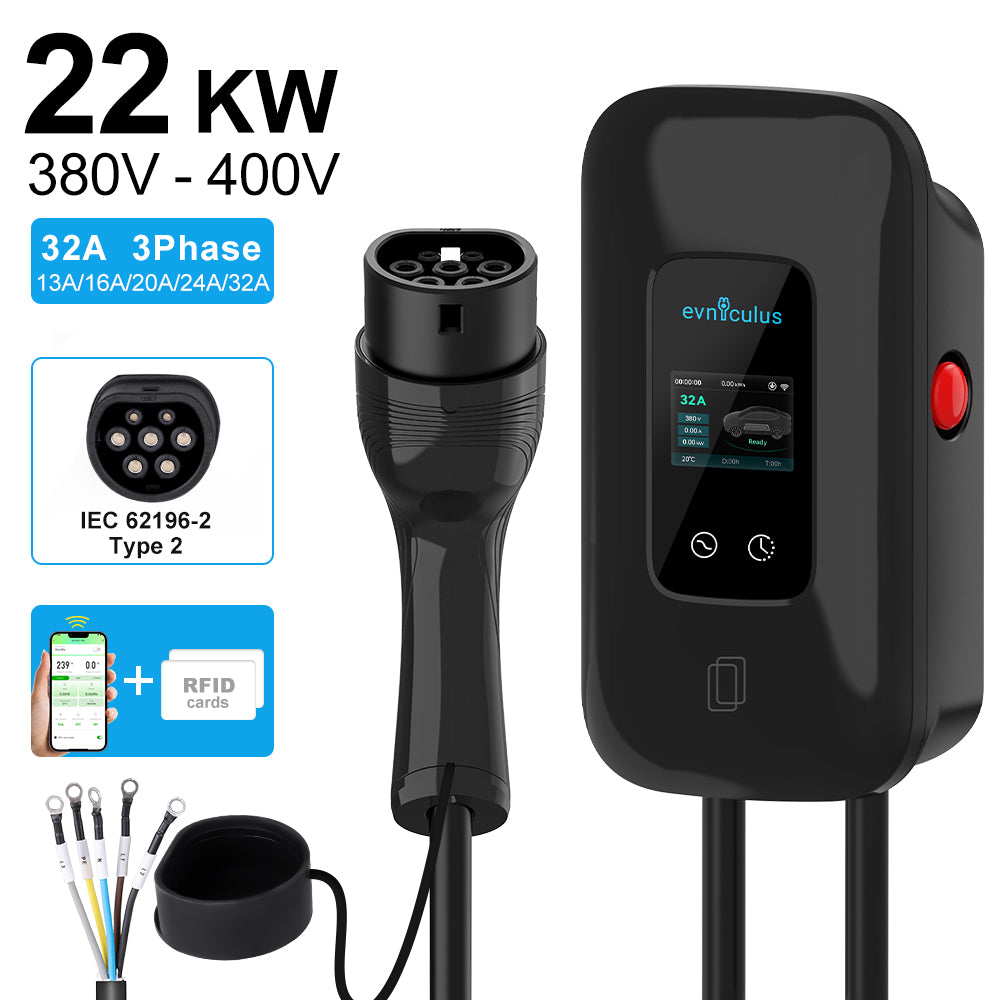
For home charging, tethered versus untethered is mostly a usability choice. A tethered wall unit is simpler for daily driveway charging. An untethered wallbox makes sense if you want a cleaner installation or switch between vehicles and standards more often. A Type 2 cable matters for untethered home units and for many public AC posts. A travel backup can make sense, but it should be chosen around actual use, not fear. Most Model S owners will realistically keep one good Type 2 cable in the car; plus any specific adapter their routes or secondary properties require. The adapter question gets more important for legacy Model S cars, cross-standard travel situations and owners dealing with mixed AC/DC hardware rather than a single predictable charging environment.
Tesla Model S battery health, production and history
For anyone asking when was the first Tesla Model S released, Tesla unveiled the prototype in 2009 and began customer deliveries on 22 June 2012. For current production, how many factories produce Tesla Model S has a short answer: one. Tesla’s own manufacturing pages identify Fremont as the factory where the first Model S rolled off the line and as the hub that produces Model S today. For ownership, how long does a Tesla Model S battery last less than a single mileage claim and more about capacity retention and charging habits? Tesla’s battery and drive unit warranty for the European car runs for 8 years or 240,000 km, with minimum 70% capacity retention. Tesla also advises frequent charging, home charging where possible, an 80% daily limit for batteries that call for it and avoiding long periods near 0% or 100%. For owners asking how to check Tesla Model S battery health, Tesla provides a Battery Health screen in Controls > Service > Battery Health, and the full Battery Health Test must be run on AC power, starts below 20% battery and can take up to 24 hours.