Електрически превозни средства Volkswagen
Електрическата гама на Volkswagen вече обхваща компактни хечбеци, семейни SUV автомобили, автомобили на представителни класове, комби, пътнически ванове и търговски превозни средства. Основната европейска гама включва ID.3, ID.4, ID.5, ID.7, ID.7 Tourer и ID. Бъз, докато ID. Buzz Cargo обслужва фирми, които се нуждаят от електрически ван. ID.6 е предимно модел за китайския пазар и най-често се вижда в Европа като вносно превозно средство. Golf GTE и Passat eHybrid стоят редом с тези автомобили като plug-in хибриди, а не като напълно електрически модели.
Избирайки между тези електрически автомобили Фолксваген започва с начина, по който ще се използва колата. Компактният ID.3 може да е подходящ за градско и извънградско шофиране, докато ID.4 и ID.5 предлагат повече място за пътници и багаж. ID.7 и ID.7 Tourer са по-подходящи за шофьори, които изминават по-дълги разстояния, и ID. Buzz предоставя различно решение за семейства, пътнически транспорт и използване в свободното време.
Оборудването за зареждане също трябва да съответства на точното превозно средство. Европейска лична карта. моделите обикновено използват връзка тип 2 за AC зареждане и CCS2 за DC бързо зареждане. Автомобилите, внесени от Китай или Северна Америка, може вместо това да имат GB/T или CCS1 портове, дори когато името на модела изглежда познато.
Фолксваген модели
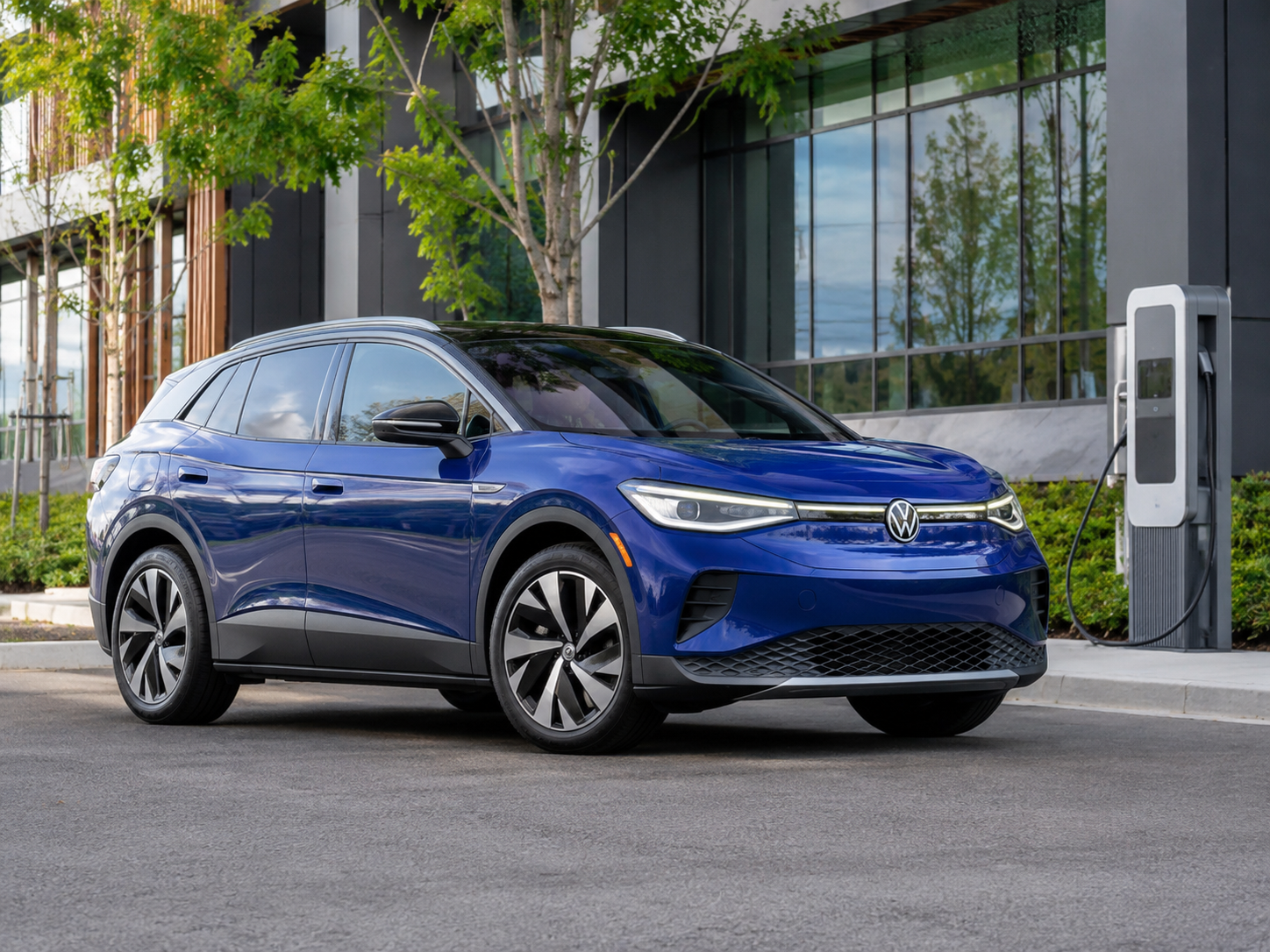
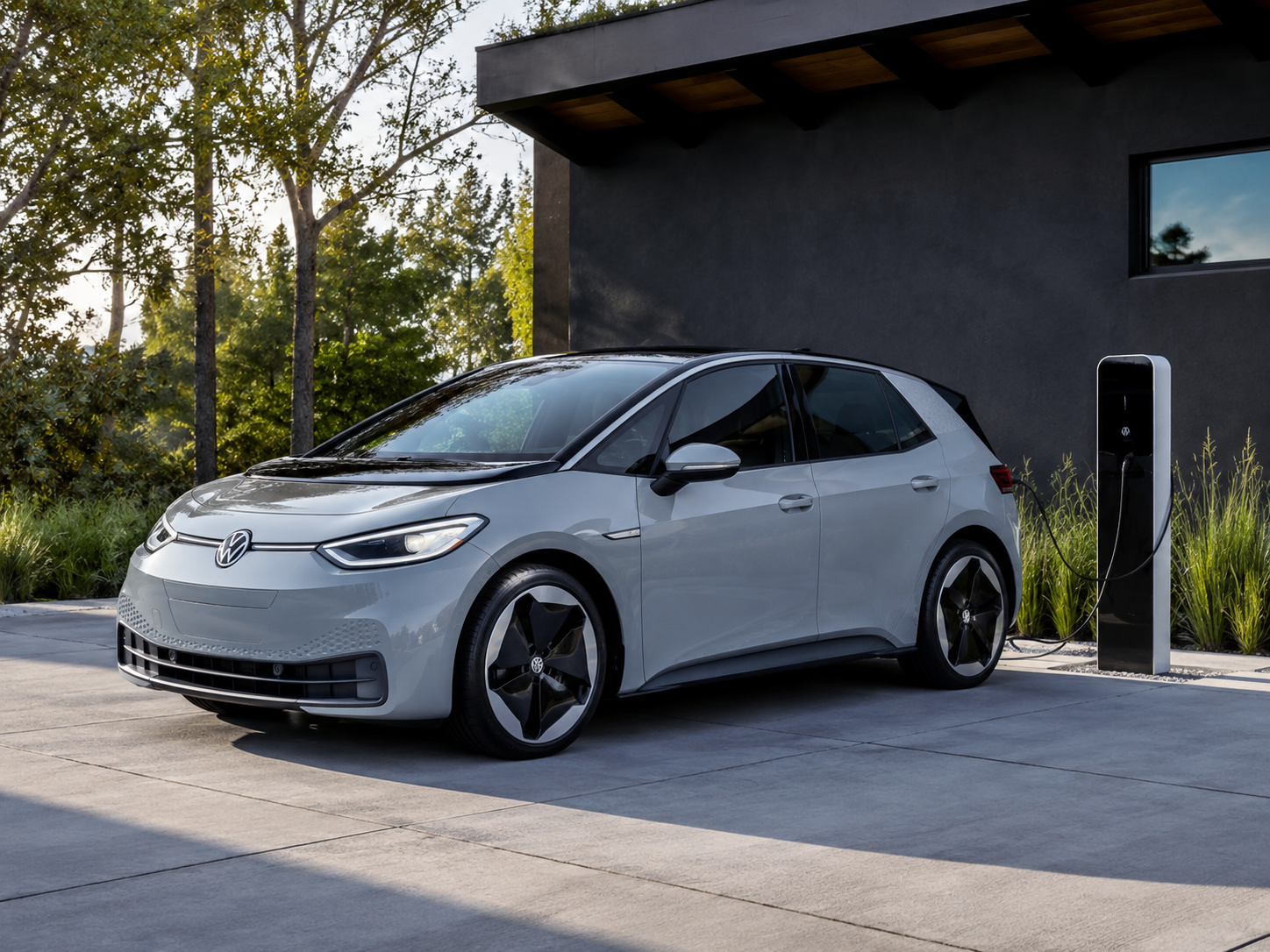
Защо да изберете електрическо превозно средство Volkswagen?
Volkswagen създаде своя ID. обхват около специализирани електрически платформи, вместо да адаптира всеки модел от съществуващ бензинов или дизелов автомобил. Позицията на батерията под пода създава повече свобода вътре в кабината, давайки на много модели по-дълго междуосие и полезно вътрешно пространство, без да изисква необичайно дълга каросерия.
Гамата също така обхваща няколко различни типа водачи. ID.3 работи като компактен ежедневен автомобил. ID.4 и ID.5 се преместват в сегмента на електрически SUV, докато ID.7 предлага по-ниска форма на каросерията и ефективност на магистрала като седан. ID.7 Tourer добавя място за съхранение на комби и ID. Buzz използва своите по-големи пропорции, за да осигури гъвкави седалки и капацитет за багаж.
Електрическото превозно средство Volkswagen може също да бъде интегрирано в домашни и обществени процедури за зареждане. Volkswagen препоръчва специална стенна кутия за редовна домашна употреба, защото е по-бърза и по-подходяща за планирано зареждане от домашен контакт. Публичните устройства за бързо зареждане позволяват на водачите да възстановят полезно количество обхват по време на по-дълго пътуване, въпреки че времето за зареждане зависи от модела, температурата на батерията и мощността на станцията.
Шофьорите все още трябва да сравняват спецификацията на превозното средство, вместо да разчитат на идентификатора. само значка. Капацитетът на батерията, максималната DC мощност на зареждане, задвижването и официалният обхват могат да се различават между версиите на един и същи модел.
Зареждането на Volkswagen EV става лесно
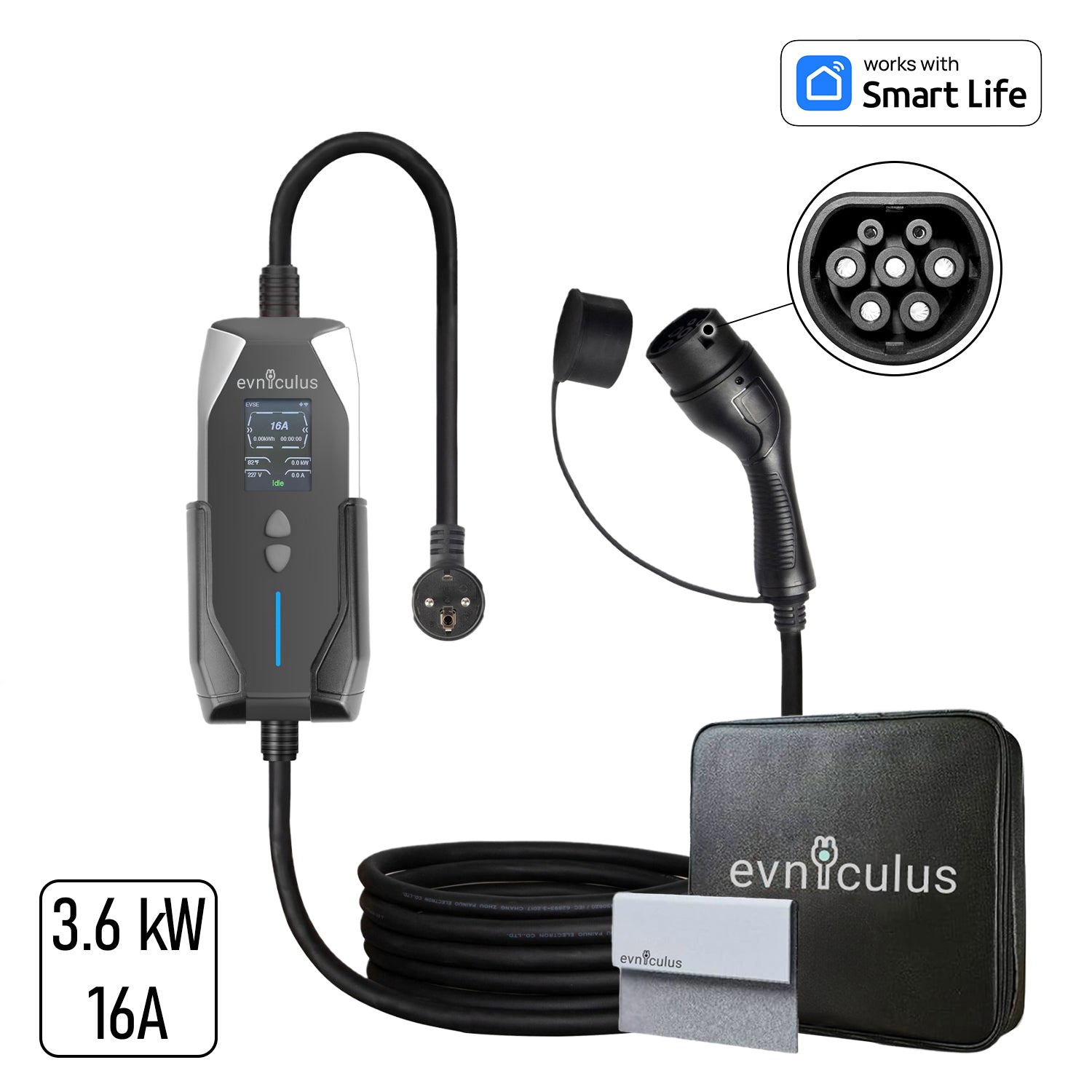
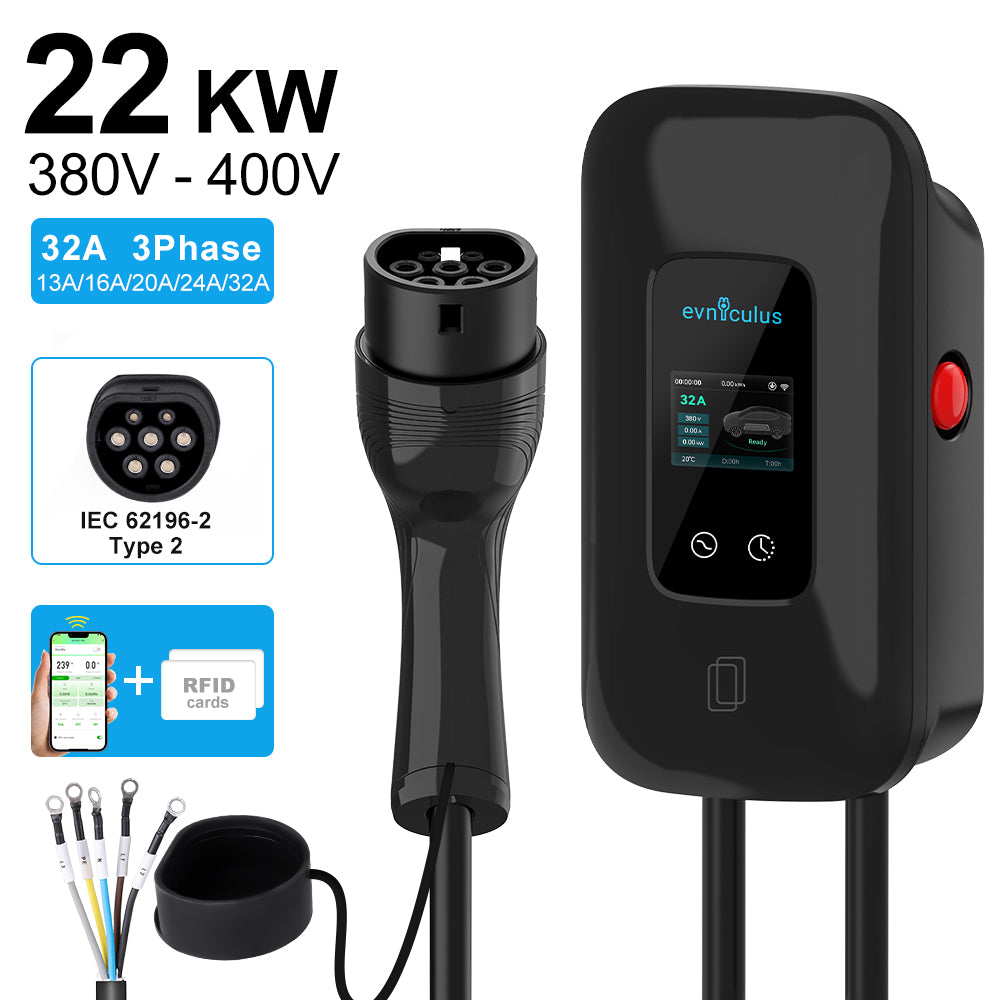
Най-европейският Volkswagen ID. колите могат да се зареждат у дома чрез стенна кутия тип 2 или кабел за зареждане. Домашната инсталация често е най-практичната опция за редовно нощно зареждане, особено когато тарифата за електроенергия е по-евтина извън пиковите часове.
Общественото AC зареждане използва същия вход тип 2 за превозно средство. Действителната мощност, приета от автомобила, зависи от бордовото зарядно устройство, а не само от номиналната стойност, отпечатана на точката за зареждане. Свързването на автомобил с мощност 11 kW към AC модул с мощност 22 kW няма да го накара да се зарежда с 22 kW.
За дълги пътувания европейска лична карта. моделите използват долната DC секция на входа CCS2. Автомобилът и станцията за зареждане комуникират преди захранването да започне да тече, след което превозното средство контролира скоростта през цялата сесия. Температурата на батерията и състоянието на зареждане влияят върху резултата, така че най-високата рекламирана скорост на зареждане няма да остане постоянна от празна до пълна.
Инструментите на Volkswagen за планиране на маршрути могат да филтрират станциите за зареждане по тип конектор и да включват спирания за зареждане при изчисляване на по-дълги пътувания. Компанията идентифицира Тип 2 като AC стандарт и CCS като DC връзка, използвана от нейния Европейски ID. диапазон.
Опции и съвместимост на зарядно за Volkswagen EV
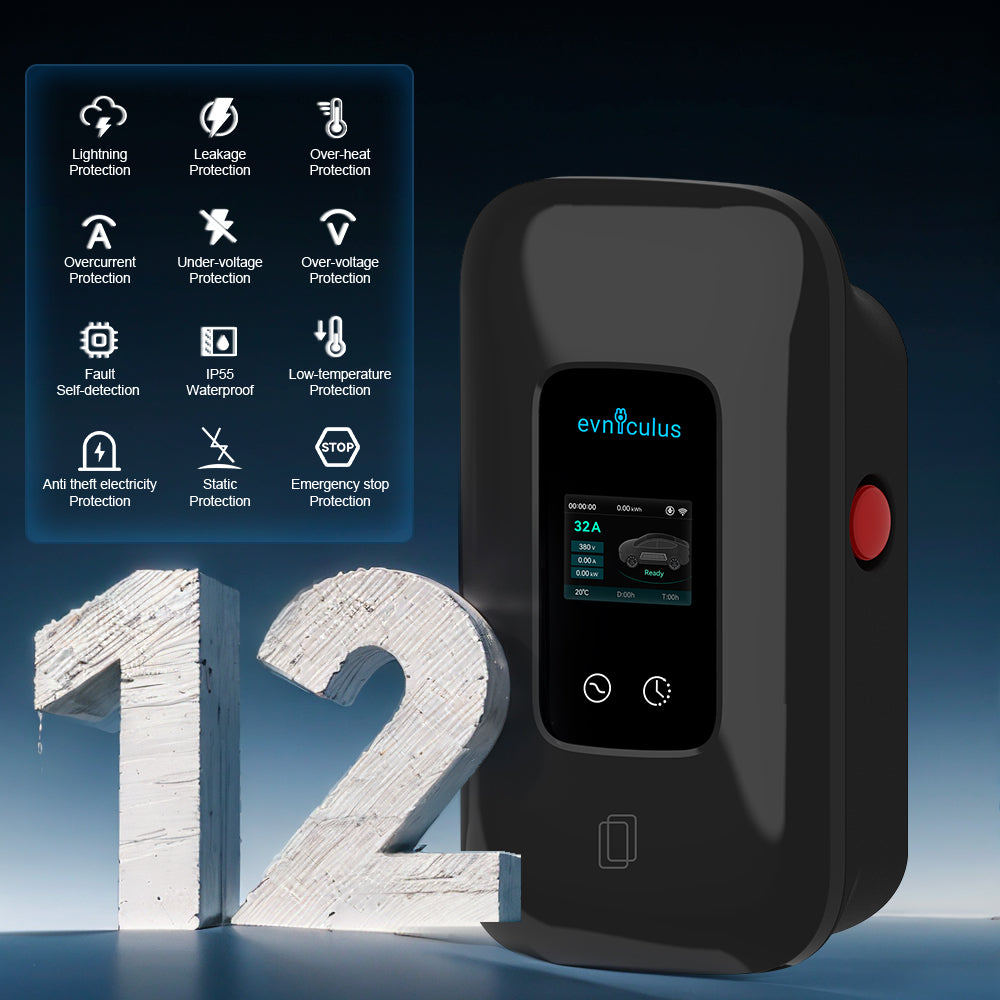
Правото фолксваген ев зарядното зависи от пазара на произход на автомобила, порта за зареждане и максималната поддържана мощност.
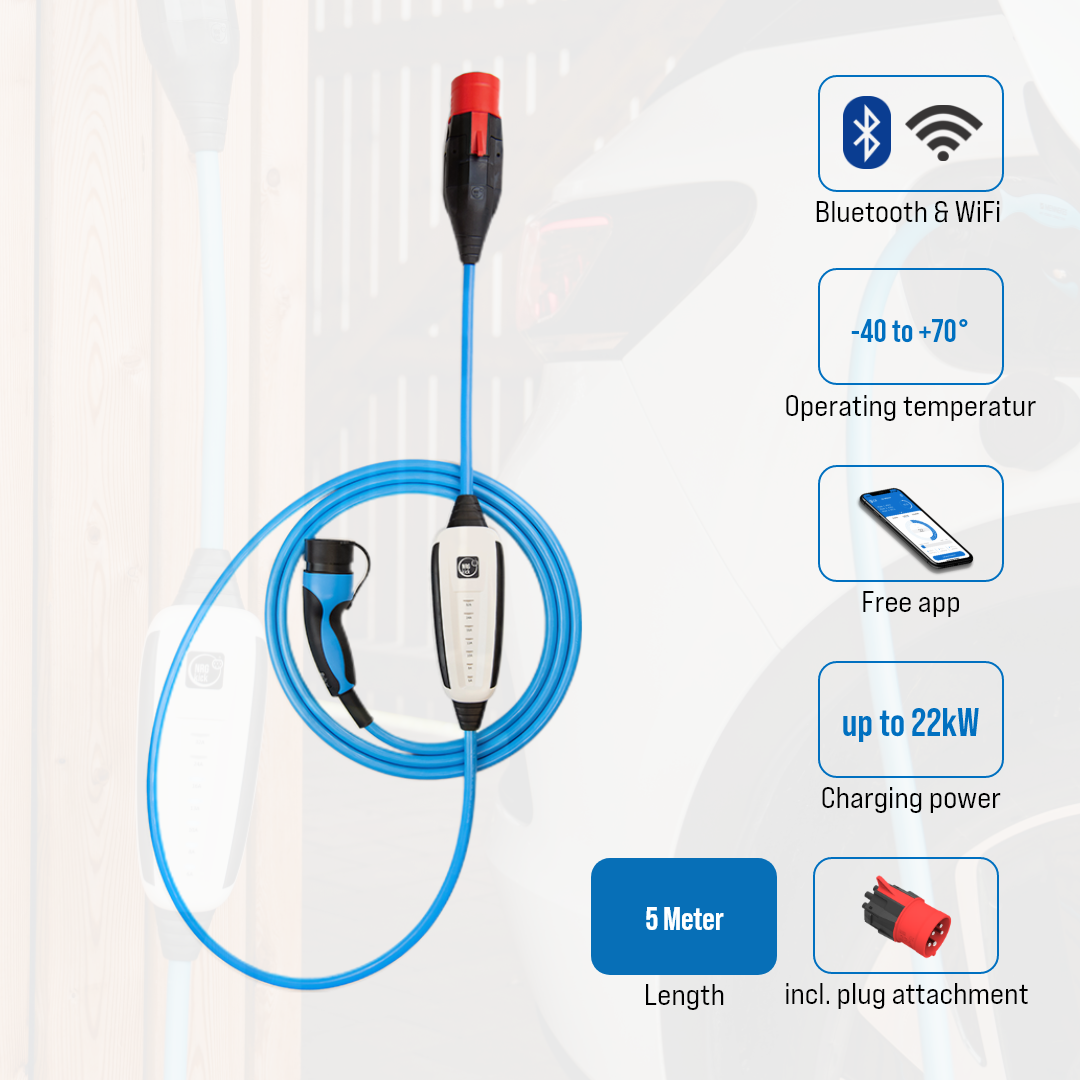
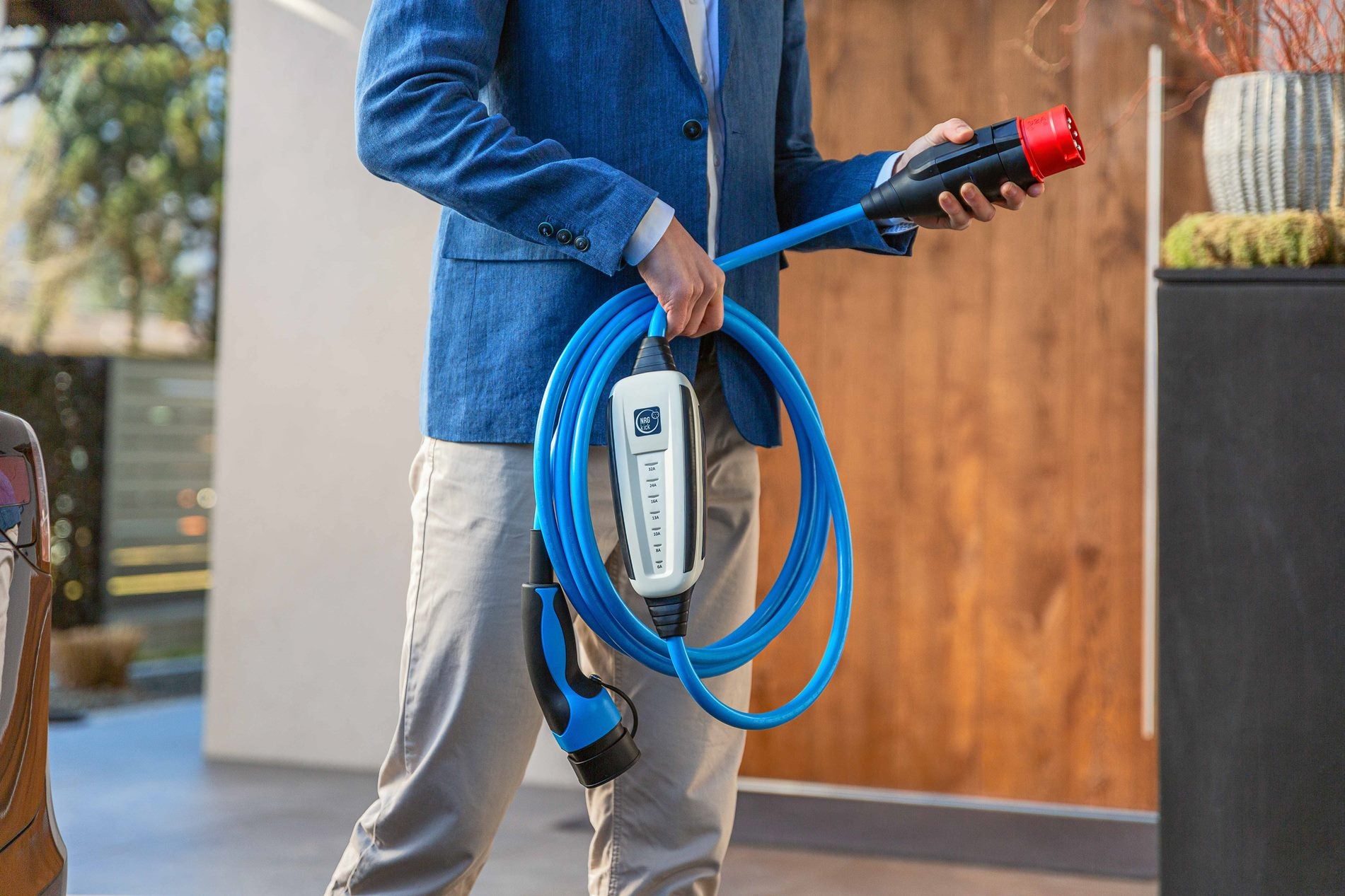
Европейски ID.3, ID.4, ID.5 или ID.7 обикновено работят с домашно зарядно устройство тип 2 и обществени бързи зарядни устройства CCS2. Преносимото зарядно устройство може също да бъде полезно, когато колата трябва да се свърже към съвместим индустриален или домашен контакт по време на пътуване, при условие че електрическото захранване и оборудването за зареждане са подходящи за товара.
Вносните автомобили се нуждаят от по-внимателна проверка. Северноамерикански ID.4 може да използва CCS1, което изисква адаптер CCS2 към CCS1 за зареждане с постоянен ток в Европа. ID на китайския пазар. превозните средства, включително много модели ID.6, използват GB/T връзки и може да се нуждаят от отделни решения за AC и DC зареждане.
Адаптер тип 2-to-GB/T може да осигури AC достъп за съвместим Volkswagen за китайския пазар. DC зареждането изисква активен CCS2-към-GB/T адаптер, който управлява комуникацията между европейската станция за зареждане и автомобила. EVniculus предлага специфична за Volkswagen CCS2-to-GB/T версия, тъй като тестването установи разлики в комуникацията за управление на батерията, използвана от внесения Volkswagen ID. превозни средства.
Преди да изберете кабел, зарядно устройство или адаптер, проверете точния модел, годината на производство, оригиналния пазар, входа и максималната AC или DC скорост. Конектор, който пасва физически, не винаги е достатъчен, за да започне сесия за зареждане.
Пробег и производителност на електрическите превозни средства Volkswagen
Размерът на батерията е само една част от електрическия пробег. Теглото на превозното средство, формата на каросерията, задвижването, размерът на колелата, скоростта на пътя и външната температура влияят върху това колко километра изминава колата между зарежданията.
ID.3 е по-лек и по-малък от повечето от гамата, което е подходящо за смесена градска и регионална употреба. ID.4 и ID.5 осигуряват по-високата позиция на седене на електрически SUV, въпреки че по-голямата им каросерия създава повече аеродинамично съпротивление при скорости на магистрала. По-ниският профил на ID.7 поддържа ефективност на по-дълги разстояния, докато ID.7 Tourer добавя капацитет за багаж със сравнително малък пробег в сравнение с по-висок SUV.
Volkswagen съветва водачите, че размерът на батерията, типът път, температурата, използването на климатик, стилът на шофиране и натоварването на автомобила могат да променят реалния пробег. WLTP цифрите са полезни за сравняване на превозни средства при една и съща тестова процедура, но те не предвиждат резултата от всяко пътуване.
Производителността също варира в диапазона. Някои модели използват задвижване на задните колела с един двигател, докато версиите с по-висока мощност добавят втори двигател за задвижване на всички колела. Версиите с двоен двигател предлагат повече сцепление и ускорение, но може да върнат по-нисък официален обхват от най-ефективната конфигурация с един двигател.
Когато сравнявате всеки Volkswagen EV, погледнете отвъд цифрата на най-високия диапазон. Автомобил с малко по-малък пробег, но по-бърза и по-стабилна крива на зареждане може да бъде по-лесен за използване при дълги пътувания.
Volkswagen EV модели
Настоящите и последните модели на Volkswagen EV покриват няколко стила на каросерията и изисквания за зареждане. Наличността, опциите за батерии и техническите спецификации варират според страната и годината на производство.
Volkswagen ID.4
ID.4 е среден електрически SUV на Volkswagen и един от най-универсалните модели в ID. семейство. Той предлага по-висока позиция на седене, практична зона за багаж и версии, предназначени както за ежедневно шофиране, така и за по-дълги маршрути. Европейските модели използват тип 2 AC и CCS2 DC зареждане.
Volkswagen ID.5
ID.5 споделя голяма част от основната си технология с ID.4, но използва наклонен покрив в стил купе. Той е насочен към шофьори, които предпочитат по-опростена форма, като същевременно запазват оформлението на кабината и повдигнатата позиция на седене на SUV. Съвместимостта при зареждане обикновено е същата като за европейски ID.4.
Volkswagen ID.3
ID.3 е компактният хечбек от гамата. Неговата по-къса каросерия е подходяща за градско шофиране и ограничено паркиране, докато специалната EV платформа осигурява повече пространство в кабината, отколкото предполагат външните му размери. Обикновено използва Тип 2 за домашно и дестинационно зареждане и CCS2 на бързи станции.
Volkswagen ID.7
ID.7 е големият електрически фастбек на Volkswagen и лидер в гамата за шофиране на дълги разстояния. Долната му част намалява аеродинамичното съпротивление в сравнение с конвенционален SUV, докато просторната кабина е подходяща за бизнес пътуване и семейна употреба. Спецификациите на батерията и зареждането се различават според версията.
Volkswagen ID.7 Tourer
ID.7 Tourer съчетава характера на ID.7 за дълги разстояния с товарното пространство на комби. Предназначен е за шофьори, които се нуждаят от повече капацитет на багажника, но не искат да се преместят на по-висок електрически SUV. Volkswagen също предлага GTX версии с по-висока мощност заедно с модели, фокусирани върху ефективността.
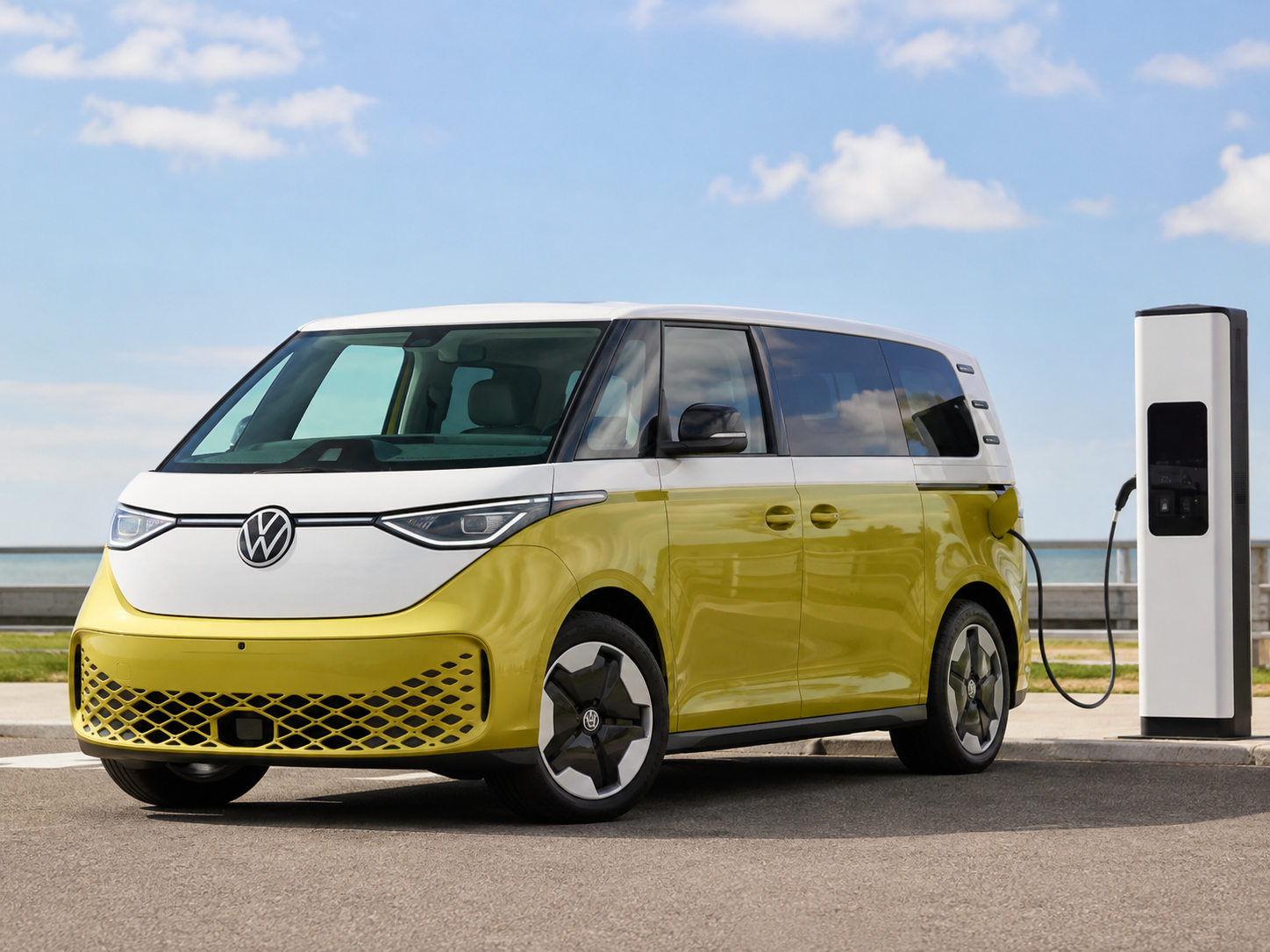
Volkswagen ID. Бъз
ID. Buzz използва каросерия, вдъхновена от ван, с оборудване за пътнически автомобили и гъвкави седалки. В зависимост от версията, той може да побере до седем пътника и предлага голямо пространство за багаж. Настоящите спецификации за Обединеното кралство изброяват възможности за зареждане с постоянен ток до 200 kW и WLTP обхват до 301 мили, въпреки че точните цифри зависят от оборудването и батерията.
Volkswagen ID. Бъз Карго
ID. Buzz Cargo е търговската версия с товарно отделение до 3,9 кубически метра. Volkswagen изброява официален WLTP пробег до 277 мили и възможности за зареждане до 185 kW за настоящите версии в Обединеното кралство. Полезният товар, температурата и условията на шофиране ще повлияят на работния диапазон.
Volkswagen ID.6
ID.6 е по-голям електрически SUV, разработен основно за Китай. Той не е част от стандартната европейска моделна гама на Volkswagen, но частно внесени автомобили присъстват в няколко страни.
Много внесени ID.6 автомобили използват GB/T портове за зареждане, а не европейски тип 2 и CCS2 връзки. Следователно собствениците може да се нуждаят от адаптер тип 2-към-GB/T за AC зареждане и съвместимо CCS2-към-GB/T решение за европейски DC станции. Версията на адаптера трябва да се сравни с точния автомобил преди покупка.
Фолксваген Голф GTE
Golf GTE е plug-in хибрид, а не изцяло електрически автомобил. Комбинира бензинов двигател с електрически двигател и акумулаторна батерия. По-кратките пътувания могат да бъдат завършени с помощта на електричество, докато двигателят с вътрешно горене остава наличен за по-дълги маршрути.
Неговите изисквания за зареждане се различават от тези на ID. обхват, защото батерията е значително по-малка и превозното средство не е проектирано около същата изцяло електрическа платформа.
Volkswagen Passat eHybrid
Passat eHybrid също е plug-in хибрид. Той е предназначен за шофьори, които искат комби автомобил, способен да извършва редовни местни пътувания с батерия, като същевременно запазва бензинов двигател за по-дълго пътуване.
Оборудването за зареждане трябва да отговаря на точното поколение и спецификация. Шофьорите не трябва да приемат, че зарядно устройство или адаптер, подходящ за ID.7 Tourer, ще предложи същата производителност или функции, когато е свързан към Passat eHybrid.
Намерете подходящото оборудване за зареждане на Volkswagen в EVniculus
Емблемата на багажника не ни казва кой порт за зареждане използва превозното средство. Европейският ID.4, северноамериканският ID.4 и китайският ID.6 могат да изискват различни решения за зареждане.
В EVniculus помагаме на собствениците на Volkswagen да идентифицират стандарта за зареждане, монтиран на техния автомобил, и да изберат подходящи домашни зарядни устройства, преносимо оборудване за зареждане, кабели и адаптери. За вносни модели първо проверяваме оригиналния пазар, годината на производство и поддържания AC или DC стандарт за зареждане.
Чрез съпоставяне на оборудването с точното превозно средство, ние намаляваме риска от неуспешни сесии за зареждане, ненужни адаптери и проблеми със съвместимостта. Това дава на собствениците достъп до мрежата за зареждане, която техният Volkswagen всъщност е проектиран да използва.