
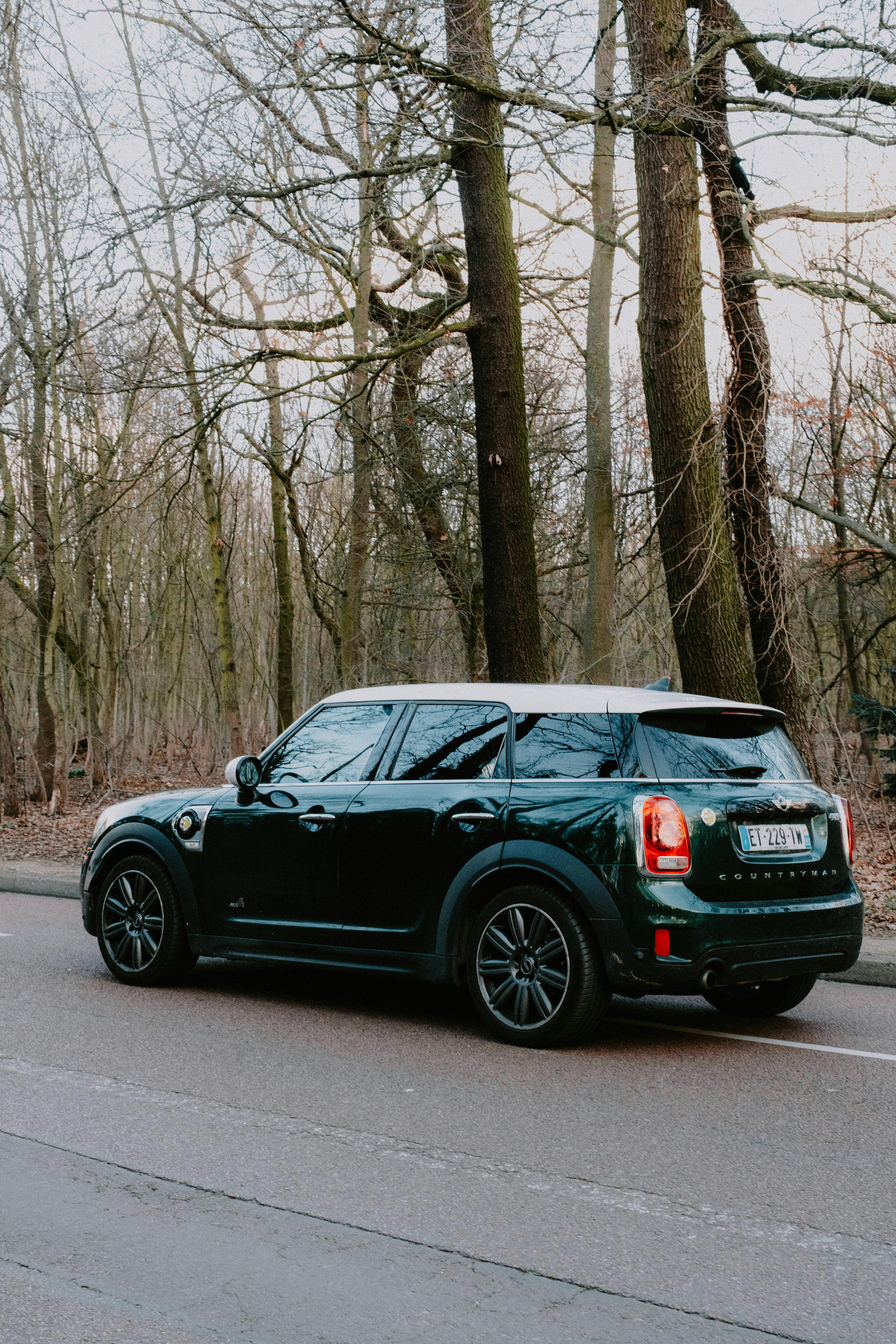
MINI Countryman Electric е преобразил идеята за MINI в по-практична форма. Той все още е предназначен да се усеща удобно от волана и е достатъчно компактен за градско шофиране, но сега колата има размера, задните седалки, багажното пространство и възможността за зареждане, очаквани от практичен семеен автомобил. За шофьорите, търсещи MINI Countryman Electric, истинският въпрос не е само дали предлага електрическо вълнение или смел SUV дизайн. А дали батерията, режимът на зареждане и оформлението на кабината отговарят на начина, по който колата действително ще се използва.
Електрическият MINI Countryman 2026 се предлага в две основни електрически версии: Countryman E и Countryman SE ALL4. E е вариант с предно задвижване и един двигател, докато SE ALL4 добавя втори двигател за задвижване на всички колела и по-силна производителност. Някои купувачи все още търсят този модел като MINI Cooper Countryman Electric или Електрически Mini Cooper Countryman, но настоящото именуване на MINI във Великобритания се фокусира върху Countryman E и Countryman SE ALL4.
Това е най-голямото MINI до момента, с внушително присъствие в сравнение с по-малките автомобили MINI, но въпреки това запазва достатъчно от усещането за картинг на марката, за да избегне превръщането му в поредния електрически кросоувър с форма на кънтримен. Данните на MINI за Обединеното кралство сочат, че автомобилът е дълъг 4445 мм, широк 1843 мм и висок 1635 мм, с междуосие от 2692 мм.
Готови за приключения: Разбиране на електрическата гама на MINI Countryman
Пробегът на MINI Countryman Electric зависи силно от версията, джантите, скоростта, температурата и натоварването. За актуализацията от 2026 г. BMW Group заявява, че MINI Countryman E може да достигне до 307 мили по WLTP, докато Countryman SE ALL4 може да достигне до 287 мили по WLTP. Същата актуализация потвърждава и нетен капацитет на батерията с високо напрежение от 65,2 kWh. Това е важно, защото по-старите обяви и по-ранните спецификации за MY24–25 често показват използваем капацитет от около 64,6–64,7 kWh, така че собствениците трябва да проверят точната година на производство и техническите данни за автомобила, който купуват.
MINI Countryman E
MINI Countryman SE ALL4
65,2 kWh нето, актуализация за MY26
65,2 kWh нето, актуализация за MY26
Предни колела, единичен мотор
ALL4 задвижване на всички колела, двоен двигател
204 к.с. / 150 кВт
313 к.с. / 230 кВт
До 307 мили
До 287 мили
8,6 сек
5,6 сек
11 кВт
11 кВт
130 кВт
130 кВт
10–80% за 29 минути
10–80% за 29 минути
460–1450 литра
460–1450 литра
5 места
5 места
WLTP е полезен за сравняване на различни модели превозни средства, но не е фиксирано обещание. В студено време, с отопляеми предни седалки, отопление на кабината, движение по магистрала, товар на покрива, пътници отзад и багаж, реалният пробег ще бъде под лабораторния максимум. EV Database оценява около 245 мили практически смесен пробег за 2026 Countryman E и около 235 мили за SE ALL4, с по-ниски стойности вероятно при студено шофиране с висока скорост.
Countryman E е по-подходящ за шофьори, които искат максимален пробег и по-ниска консумация на енергия. Countryman SE All4 е за тези, които ценят по-силното ускорение, по-доброто сцепление и увереността на ALL4 сцеплението при мокро време, сняг или шофиране извън града.
Отлично зареждане у дома: Намиране на вашите електрически зарядни устройства за MINI Countryman
Countryman Electric е най-лесен за живеене, когато зареждането в дома се третира като част от плана за собственост, а не като допълнителна мисъл. Повечето собственици няма да зареждат от празна до пълна батерия всеки ден. Те ще се приберат у дома с оставащи 35%, 50% или 62% батерия, ще я включат в контакта и ще оставят колата да се зареди през нощта или по време на по-евтин тарифен период.
Специализираното зарядно устройство е по-безопасно и по-предсказуемо от това да се разчита на домашен контакт. Скоростта на зареждане зависи от три неща: вграденото AC зарядно устройство на автомобила, електрическото захранване на имота и зарядното оборудване. MINI заявява, че електрическото MINI има максимална AC мощност за зареждане от 11 kW, а много обществени AC зарядни устройства изискват кабел тип 2.
За зарядните устройства на MINI Countryman Electric обикновено препоръчваме да се съобразят с капацитета на автомобила от 11 kW AC, вместо да се предполага, че по-мощното зарядно устройство винаги ще бъде по-бързо. Устройство с мощност 22 kW може все още да работи, но колата ще приема само това, което вграденото ѝ зарядно устройство приема. EVniculus предлага практични кабели за зареждане и преносими решения за зареждане за MINI Countryman Electric, включително оборудване тип 2, подходящо за ежедневно зареждане с променлив ток.
Оптимизирана ефективност: 11 kW трифазни решения за домашно зареждане
Трифазно зарядно устройство с мощност 11 kW означава, че автомобилът може да получава променливотоково захранване чрез трифазно захранване, където е налично. За Countryman Electric това е силно съвпадение, тъй като лимитът за зареждане с променливотоково захранване на борда е 11 kW. MINI посочва зареждане от 0 до 100% с променливотоково захранване за 6 часа и 30 минути както за Countryman E, така и за SE ALL4, докато зареждането с постоянен ток от 10 до 80% отнема 29 минути при подходящи условия.
В реални условия на собственост, 20–80% често е по-полезният период. Той е достатъчен за пътуване до работа, училищни занимания, посещения на фитнес зала, поръчки през уикенда и от време на време по-дълги шофирания. Приложението MINI може да помогне с наблюдение на заряда, предварително загряване на времето за тръгване и графици за зареждане, докато режимите на MINI Experience, като например Green Mode, могат да подпомогнат по-ефективно шофиране.
Универсални преносими зарядни устройства: Надеждно захранване за вашия SUV навсякъде
Кабелът тип 2 към тип 2 все още е един от най-полезните аксесоари за... MINI Countryman ElectricНеобвързаните обществени зарядни устройства за променлив ток, точките за зареждане на работното място, хотелите и някои паркинги често изискват водачът да носи кабел. Разумно е да има такъв в багажника, особено защото използването на SUV автомобили обикновено включва по-променливи рутини: семейни уикенди, багаж, спортна екипировка, втори дом или ваканционни имоти.
Преносимо зарядно устройство може да бъде полезно и там, където е наличен подходящ индустриален контакт. Дължината на кабела, IP класът, типът на щепсела и пространството за съхранение са от значение. Countryman има използваемо товарно пространство, отделения на вратите и практичен багажник, но кабелите за зареждане все пак трябва да се съхраняват чисто, за да не се местят с багажа.
Бързо зареждане на пътя: Как да заредите бързо електрическото Mini Countryman
Електрическият Mini Countryman използва CCS за бързо зареждане с постоянен ток. За по-дълги пътувания това е методът на зареждане, който е най-важен. MINI посочва до 130 kW зареждане с постоянен ток и време за зареждане от 10 до 80% от 29 минути за двете електрически версии на Countryman.
Бързото зареждане обикновено не е най-добрата ежедневна рутина. То е подходящо за дни по магистрала, семейни пътувания, пътувания до летище и маршрути през пресечена местност, където спиране от 25–35 минути може да добави достатъчен пробег, за да продължите комфортно. Зареждането се забавя, когато батерията се приближи до 80%, така че често е по-бързо да тръгнете на около 75–80% и да спрете отново по-късно, отколкото да чакате 100%.
Планирането на пътуването трябва да включва повече от максималния пробег. Движение по магистрала, шум от вятъра и пътя, багажници на покрива, студено време и пътници - всичко това увеличава разхода на гориво. Зареждането на автомобила с обществен климатик остава полезно, когато автомобилът е паркиран за по-дълги периоди, например в хотели, търговски центрове или на работни места.
Техническо потапяне: Капацитет на батерията и спецификации на задвижването на всички колела ALL4
Countryman Electric използва бързо реагиращи електродвигатели, но двете версии имат различни характеристики. Countryman E произвежда 204 к.с. и задвижва предните колела. SE ALL4 произвежда 313 к.с. от два електродвигателя и ускорява от 0 до 100 км/ч за 5,6 секунди.
MINI Countryman E
MINI Countryman SE ALL4
65,2 kWh нето, актуална актуализация за MY26
65,2 kWh нето, актуална актуализация за MY26
Задвижване на предните колела
ALL4 задвижване на всички колела
204 к.с. / 150 кВт
313 к.с. / 230 кВт
250 Нм
494 Нм
8,6 сек
5,6 сек
До 307 мили
До 287 мили
11 кВт
11 кВт
130 кВт
130 кВт
Около 2000 кг, данните са регистрирани от MINI UK
Около 2000 кг, данните са регистрирани от MINI UK
Специфично за пазара; проверете с търговеца на дребно
Специфично за пазара; проверете с търговеца на дребно
ALL4 подобрява сцеплението и ускорението, но също така добавя тегло и обикновено изразходва повече енергия. Твърдото возене е част от характера на Countryman. Може да се усеща нестабилно по неравни градски настилки, особено на по-големи алуминиеви джанти, но се движи добре в завоите и се усеща по-стегнато от много по-меки електрически автомобили.
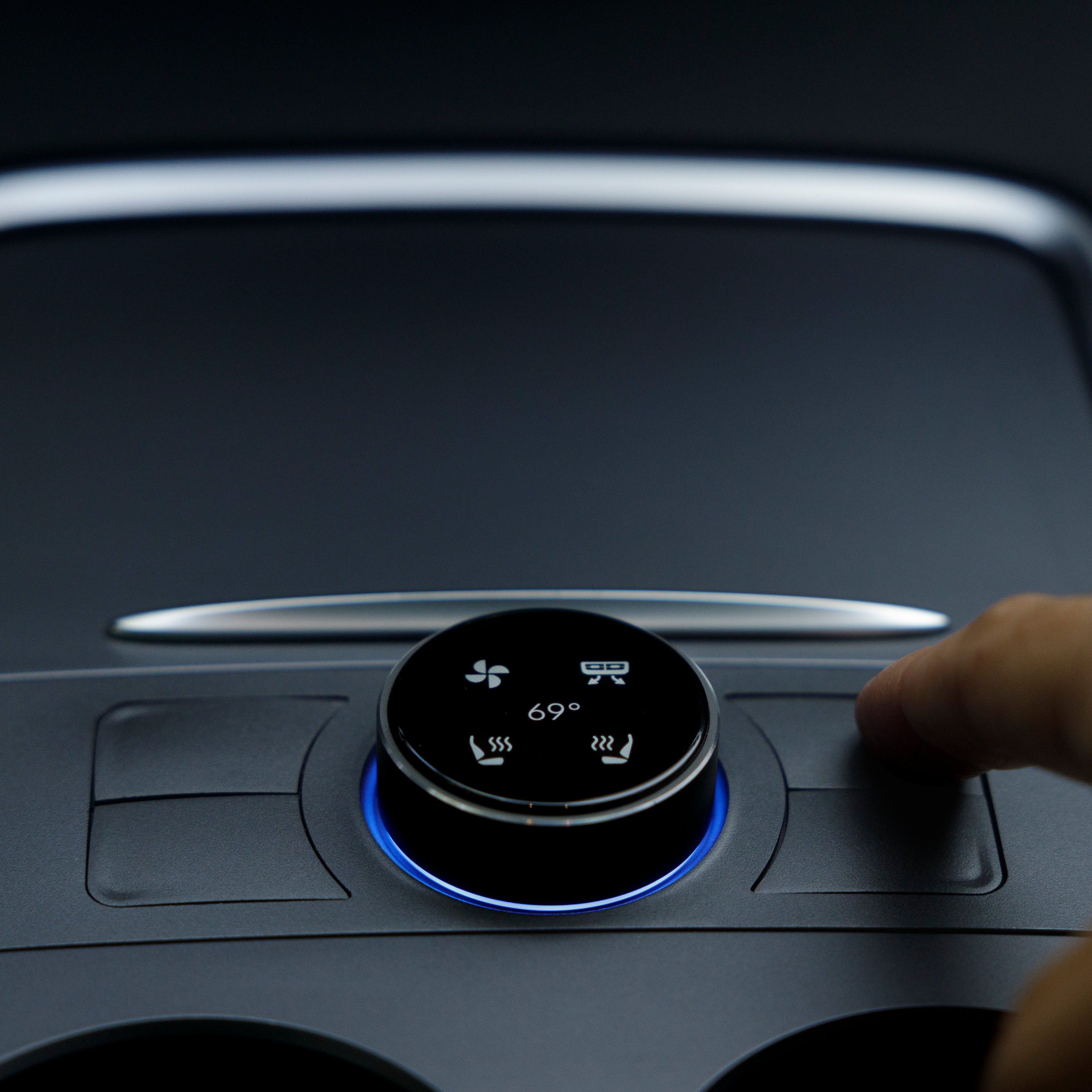
Режимът Go-Kart изостря реакцията на педала на газта и променя атмосферата в купето със специфични настройки на дисплея и звука. Режимите MINI Experience, кръглият OLED дисплей за водача, компактният превключвател и воланът оформят изживяването при шофиране. Автомобилът е по-скоро SUV-подобен от по-старите модели на MINI, но все пак се стреми да държи водача ангажиран, а не изолиран.
Smart Utility: Багажно пространство, комфорт в интериора и възможности за теглене
Именно тук изцяло електрическото MINI Countryman се усеща съществено различно от по-малките MINI EV. Багажното пространство е 460 литра със сгънати задни седалки и до 1450 литра със сгънати задни седалки. MINI също така отбелязва, че задната пейка може да се плъзга с до 13 см, което помага на собствениците да балансират пространството за краката и товарното пространство.
Пътниците отзад получават достатъчно място, а кабината може удобно да побере семейна употреба, без да се усеща като малък хечбек, разтегнат извън естествената му роля. Пространството за съхранение, отделенията на вратите, отопляемите предни седалки, безжичното зареждане, круиз контролът, head-up дисплеят при избрани нива на оборудване и панорамният стъклен люк зависят от нивото на оборудване и опциите, така че тест драйвът трябва да включва действителната спецификация, която се разглежда.
Интериорът е без кожа на ключови места и използва рециклиран полиестерен плетен текстил по арматурното табло и панелите на вратите. 24-сантиметровият кръгъл OLED дисплей на MINI работи с операционната система MINI Operating System 9 и действа като основен дисплей за водача и информационно-развлекателен център.
Оборудването за безопасност варира в зависимост от нивото на оборудване и пакета, но Countryman е тестван от Euro NCAP и е постигнал петзвезден рейтинг през 2024 г. Euro NCAP отбелязва eCall, смекчаване на последствията от вторичен сблъсък, ефективността на AEB и защитата на децата пътници сред оценяваните области.
Ценовата позиция си струва да се посочи ясно. Countryman Electric е в горния клас на пазара на малки електрически SUV-ове. MINI UK в момента промотира Countryman Electric с грант за електрически автомобили от 3750 паунда, а правителството на Обединеното кралство включва MINI Countryman Electric сред автомобили от Група 1, отговарящи на условията за максимална отстъпка от 3750 паунда. MINI също така заявява, че грантът се прилага за спецификации до 42 000 паунда и че търговецът на дребно кандидатства за грант от името на клиента, когато отговаря на условията.
Що се отнася до данъка върху превозните средства, правилата на Обединеното кралство от април 2026 г. гласят, че електрическите автомобили, регистрирани на или след 1 април 2025 г., плащат 10 паунда през първата година, а след това стандартната ставка от 200 паунда, с допълнителна ставка, прилагана за превозни средства с нулеви емисии над прага на каталожната цена от 50 000 паунда.
Формулировката „финансиране“ също заслужава внимание. MINI UK заявява, че MINI UK и търговците на дребно на MINI запознават клиентите с финансовите услуги на MINI, предоставяни от BMW Financial Services (GB) Ltd на адрес Summit ONE, Summit Avenue, Farnborough; те не предоставят независими финансови съвети и на търговеца на дребно на MINI може да бъде изплатена фиксирана комисионна, ако бъде сключено споразумение за финансиране.
Countryman Electric не е най-евтиният рационален семеен електромобил. Привлекателността му е по-специфична: по-добра SUV практичност в сравнение с по-малките модели на MINI, полезен пробег, отличителен дизайн на кабината и усещане за шофиране, което все още носи известен характер на MINI.
Как да накараме MINI Countryman Electric да работи в ежедневието
MINI Countryman Electric работи най-добре, когато е закупен с ясен план за зареждане. Countryman E е версията, фокусирана върху пробега. SE ALL4 е по-мощният, по-бърз и по-ориентиран към сцеплението избор. И двата модела се нуждаят от едно и също практично мислене: редовно зареждане с променлив ток у дома, надежден кабел тип 2, разумно използване на бързо зареждане с постоянен ток по по-дълги маршрути и реалистични очаквания през зимата или при скорост на магистралата.
Подходящи продукти за зареждане за този модел включват: