Citroën Electric Cars and EV Charging
Citroën has spent more than a century giving practical transport a character of its own, often through unusual design, generous comfort and a willingness to rethink what an everyday vehicle should be. Electrification suits that temperament rather well. The current Citroen electric range extends from the tiny Ami urban quadricycle to family cars, SUVs, spacious passenger vehicles and working vans.
Such variety is useful on the road, but it makes charging compatibility more interesting than the badge alone suggests. A modern ë-C3 and an older C-Zero are both electric Citroën models, yet they may require entirely different cables and charging connections. At EVniculus, we therefore begin with the exact model, production year and inlet before recommending a charger.
Chery QQ Ice Cream
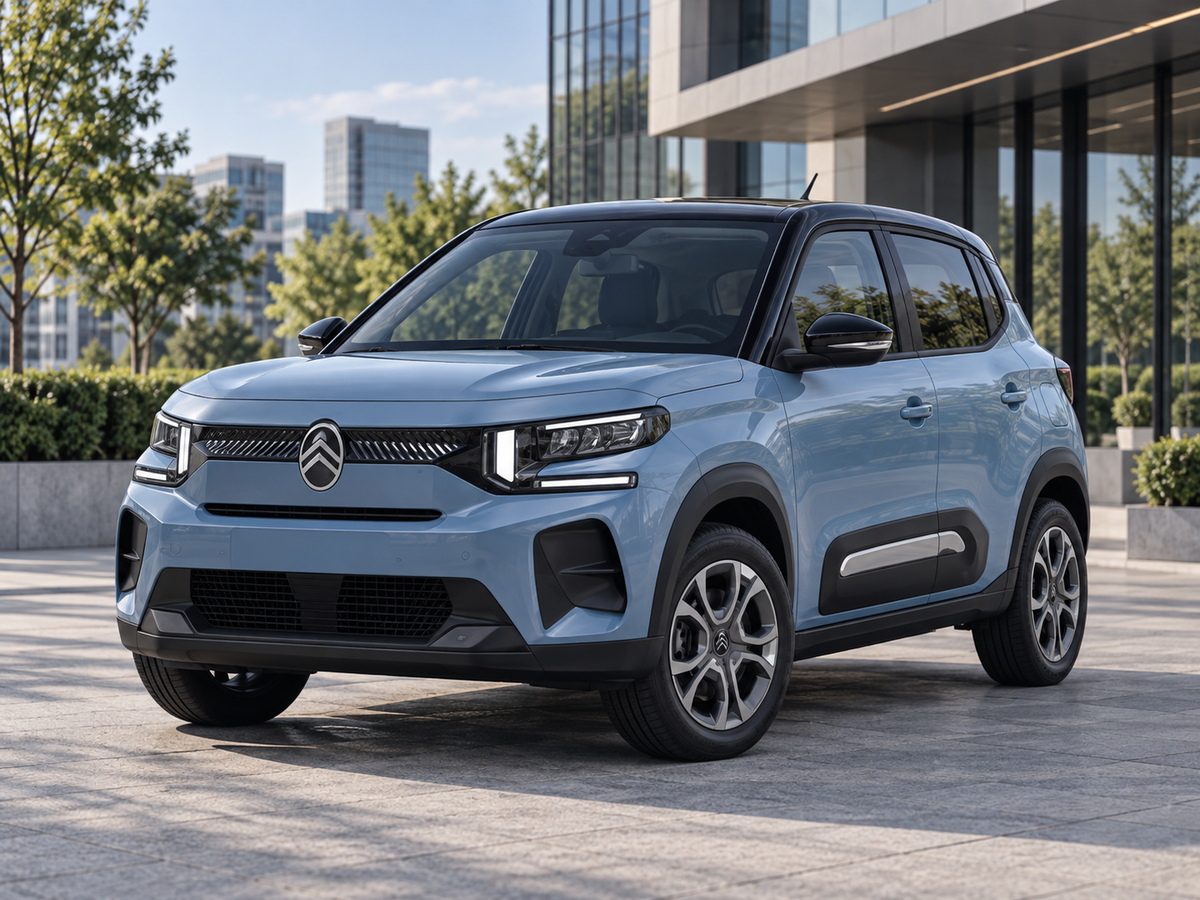
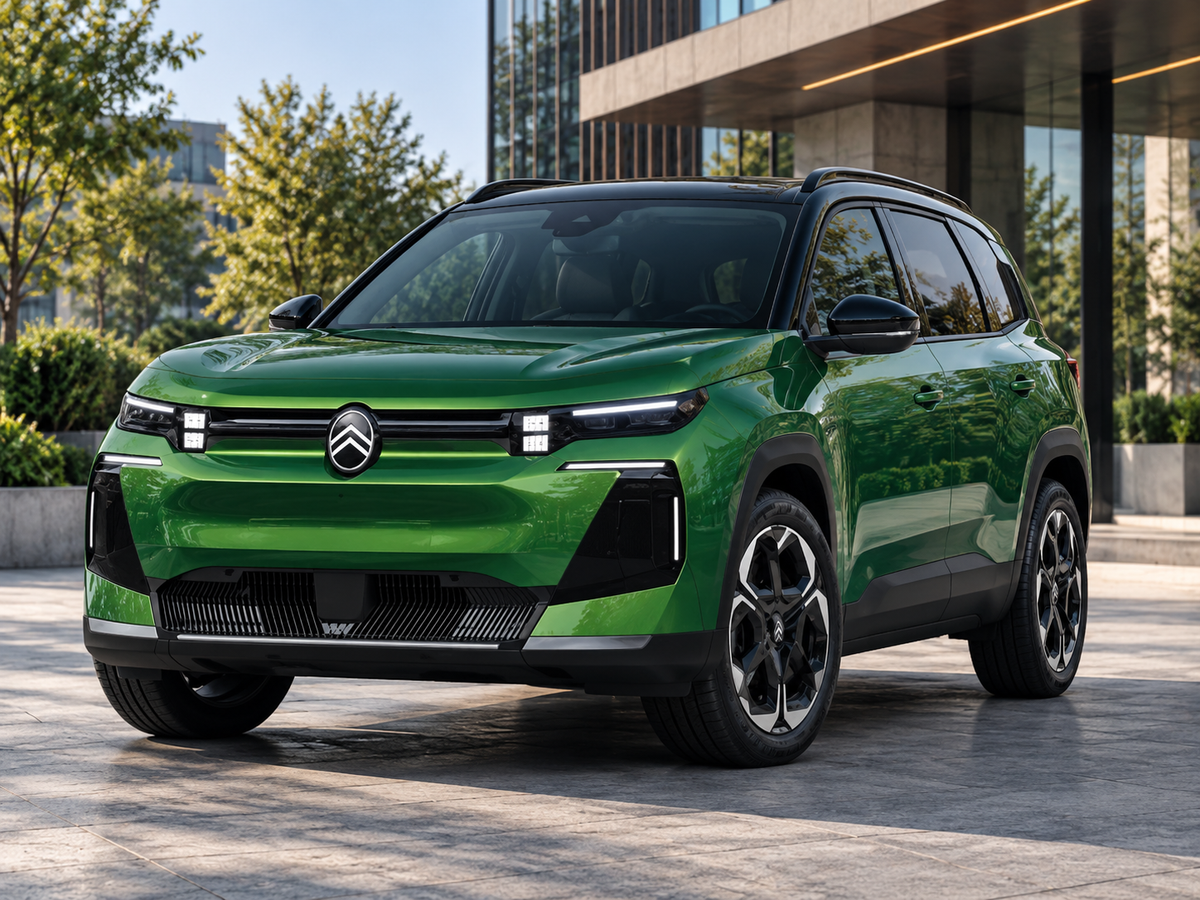
What Does Citroën Electric Mean Today?
Citroën produces fully electric cars alongside petrol, hybrid and plug-in hybrid vehicles. These powertrains may share a model name and similar exterior styling, but their charging requirements are fundamentally different.
A fully electric Citroën relies entirely on energy stored in its traction battery. A plug-in hybrid combines a rechargeable battery with a combustion engine, while a conventional hybrid recovers energy during driving and does not normally connect to an external charging point.
Citroën frequently uses the letter ë to distinguish its fully electric models. The ë-C3, for example, is the battery-electric member of the wider C3 family, while the ë-C5 Aircross is the fully electric version within a range that also includes hybrid and plug-in hybrid powertrains. The Ami is an exception to this naming pattern, despite being entirely electric.
Recognising the correct powertrain is essential when choosing charging equipment. A hybrid without an external inlet does not need a home charger, while a plug-in hybrid may accept a lower charging rate than the fully electric version of a similarly named model.
The Technology Behind Citroën Electric Cars
Every electric car Citroen develops for the European market combines a traction battery, electric motor, power electronics, regenerative braking and thermal management within a coordinated system. The way these components are calibrated determines much of the vehicle’s efficiency, range and charging behaviour.
In most full-size Citroën electric vehicles, the battery is positioned beneath the passenger compartment. This arrangement helps preserve interior space while keeping the centre of gravity relatively low. Models designed for family or commercial use can therefore retain much of the cabin or load capacity expected from their conventional counterparts.
Regenerative braking allows the electric motor to recover energy when the vehicle slows down. Instead of losing all of that motion as heat through the conventional brakes, the system converts part of it back into electrical energy and returns it to the battery. The amount recovered depends on speed, driving conditions, battery temperature and the level of regeneration selected by the driver.
Selected models also use a heat pump to manage cabin temperature more efficiently, while connected services can allow charging and thermal preconditioning to be scheduled in advance. Preconditioning the cabin while the vehicle remains connected to a charger can reduce the amount of battery energy used immediately after departure.
These features differ between model versions and trim levels. They should therefore be confirmed in the individual vehicle specification rather than assumed to be present across the entire Citroën range.
How Does Citroën Electric Car Charging Work?
Charging speed is governed by the interaction between the vehicle, the charger and the cable. Whichever component supports the lowest power becomes the limit for the complete session.
Battery capacity is expressed in kilowatt-hours, or kWh, while charging power is measured in kilowatts, or kW. The first indicates how much energy the battery can store. The second describes how quickly energy can be delivered at a particular moment.
A larger battery does not automatically mean faster charging, just as a high-powered charging station cannot force the car to accept more electricity than its battery and charging electronics allow. Understanding this distinction prevents impressive-looking numbers from becoming misleading ones.
Type 2 AC Charging
Most current European-market Citroën electric cars use a Type 2 connection for AC charging. This is the form of charging commonly used at home, at work and at public locations where the car will remain parked for a longer period.
The vehicle’s onboard charger converts the incoming alternating current into the direct current stored by the battery. Depending on the Citroën model and version, the onboard charger may accept single-phase or three-phase power and may be rated at 7.4 kW or 11 kW.
Connecting a car with a 7.4 kW onboard charger to an 11 kW or 22 kW wallbox is safe when the equipment is compatible, but the vehicle will still charge at no more than its own limit. A more powerful wallbox may leave useful capacity for another vehicle, although it cannot shorten the session beyond what the Citroën supports.
CCS2 DC Fast Charging
Current Citroën electric passenger cars designed for Europe generally use CCS2 for DC fast charging. The connector combines the upper Type 2 section with two additional DC contacts, allowing the station to supply energy more directly to the traction battery.
DC charging bypasses the vehicle’s onboard AC charger, but it remains controlled by the battery-management system. The car and station exchange information continuously, adjusting voltage and current according to battery temperature, state of charge and safety conditions.
The quoted maximum represents a peak rather than a constant rate. Power normally changes throughout the session and reduces as the battery becomes fuller. This is why manufacturers often describe fast-charging times between 20% and 80%, where the battery can usually accept energy more efficiently.
Choosing a Citroën Charging Cable
A Type 2 Citroën can use a Type 2 to Type 2 charging cable with compatible untethered home and public charging points. The cable creates the connection, while the vehicle and station decide how much power will flow.
The correct rating depends on the maximum current, the number of phases and the onboard charger fitted to the car. Cable length also deserves practical thought. A five-metre cable may be convenient for regular home use, while a longer version offers more flexibility when the public charger is positioned on the opposite side of the parking space.
Choosing a higher-rated cable will not make a car charge above its technical limit. It can, however, provide useful flexibility if the cable will later be used with a different vehicle or more powerful charging installation.
The connector should always be kept clean and dry. Damage to the plug, insulation or locking mechanism is a reason to stop using the cable until it has been inspected or replaced.
Choosing a Citroën Home Charger
For most drivers, home charging turns the electric car into something pleasantly uneventful. The vehicle is connected after the final journey of the day and can be ready again the following morning, without a separate trip to a public charging station.
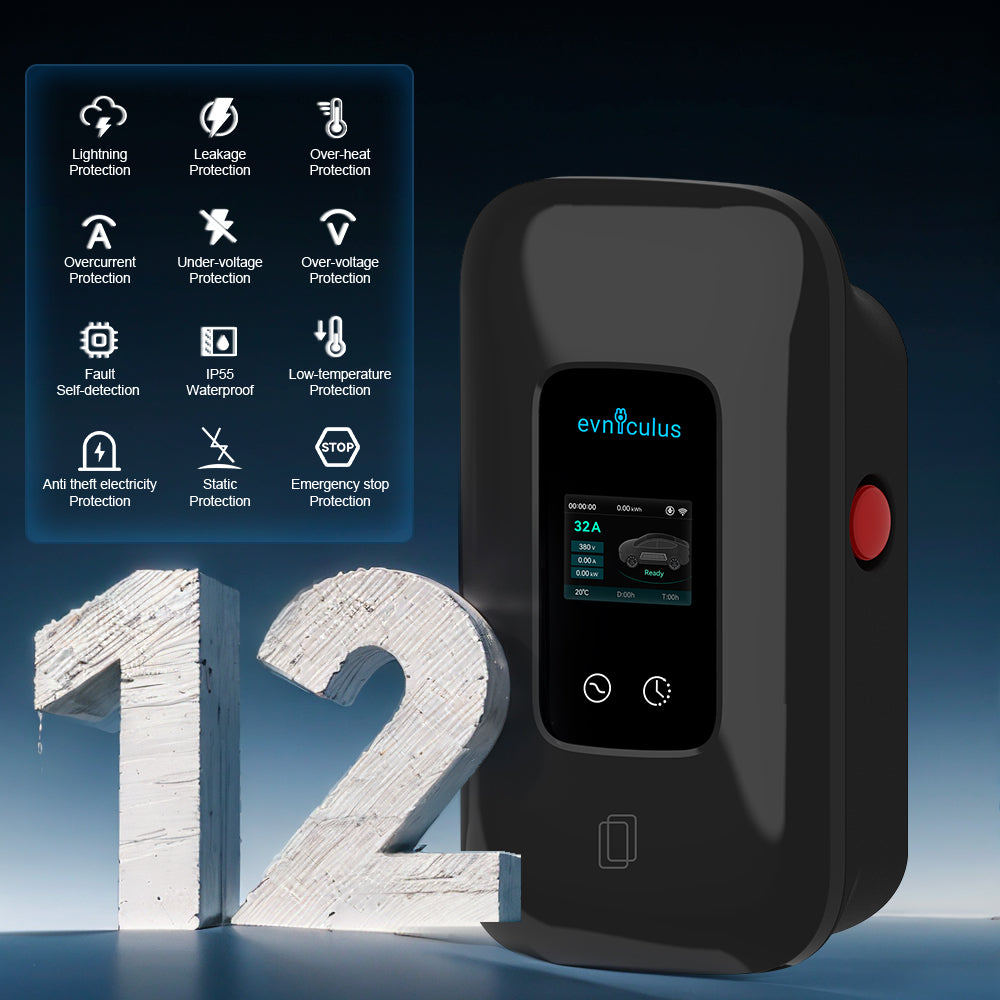
A dedicated wallbox provides a purpose-built charging circuit and more controlled power delivery than regular reliance on a domestic socket. Its rating should be chosen according to the vehicle, the electrical installation and the amount of time normally available for charging.
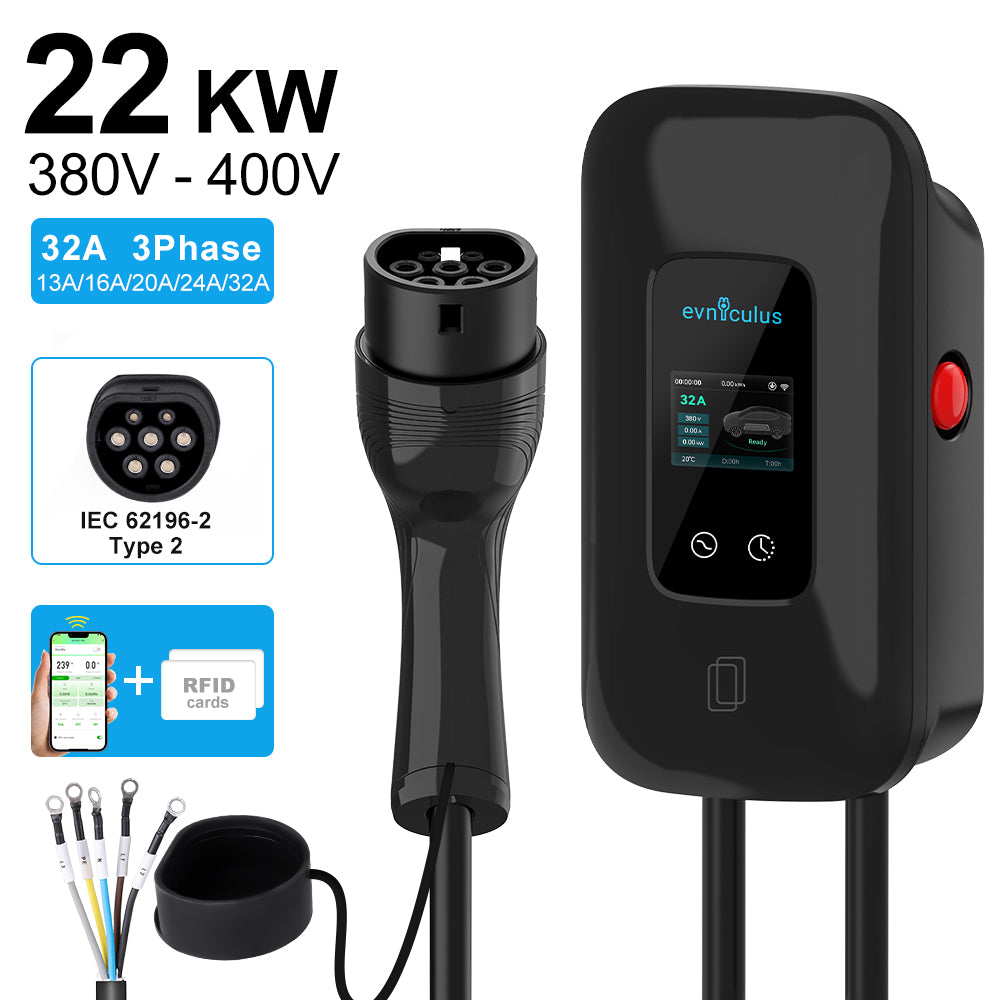
A 7 kW home charger is often sufficient for overnight charging on a single-phase supply. Where the property has three-phase power and the Citroën supports it, an 11 kW solution may reduce charging time. A smart 22 kW wallbox can also operate with vehicles that accept less power, although the car will draw only the rate permitted by its onboard charger.
Smart controls can be used to schedule sessions, review energy consumption and coordinate charging with the available household load. The wallbox and protective devices should be installed by a qualified professional who can assess the supply, earthing arrangement and dedicated circuit.
Portable Chargers for Citroën Electric Cars
A portable charger offers flexibility when a permanent wallbox is unavailable or when the car is used at more than one property. It connects the vehicle to a suitable electrical outlet and includes a control unit that manages the charging session.
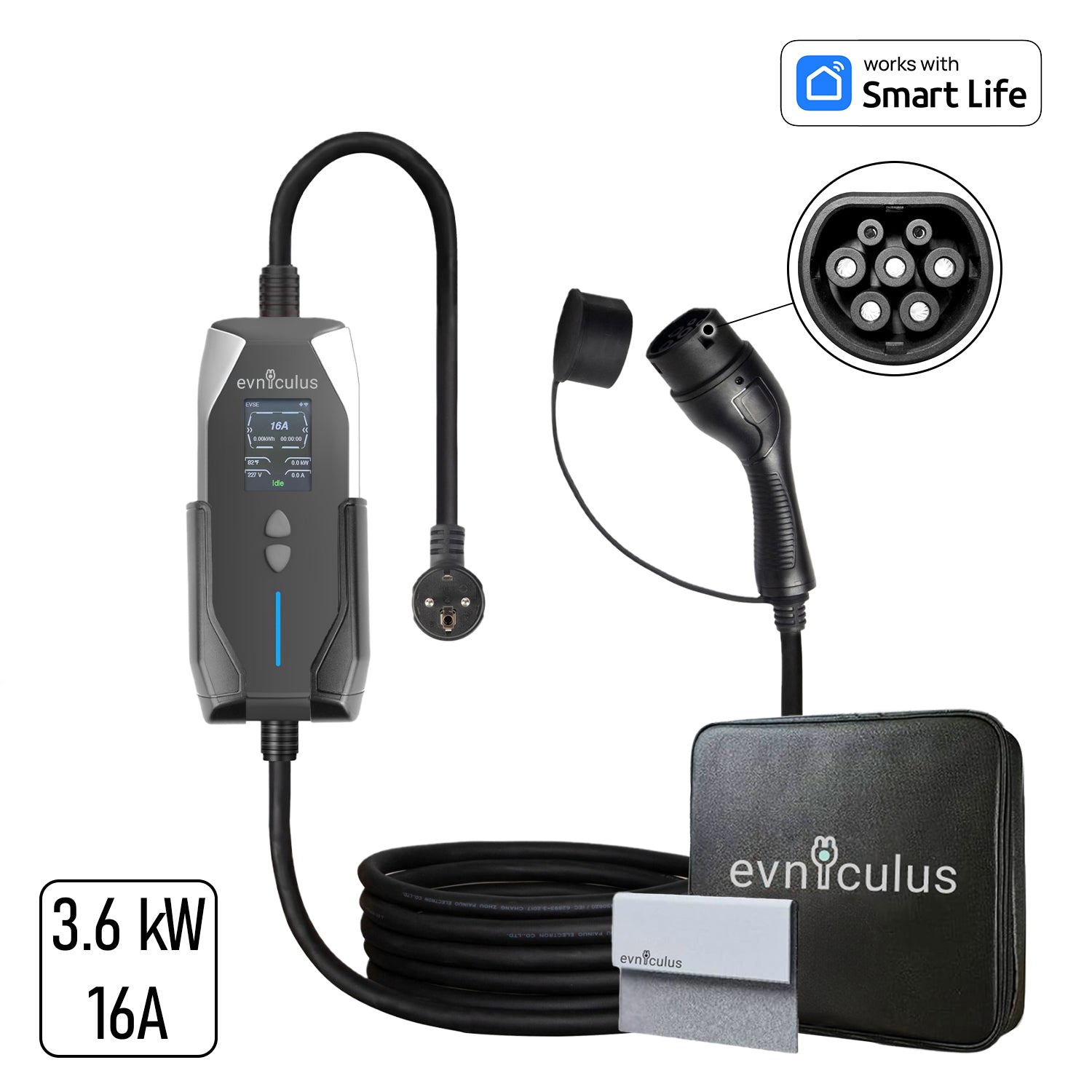
The portable Type 2 charger with up to 3.6 kW can suit slower overnight charging where an appropriate socket and electrical circuit are available. For installations designed to support higher current, the 7 kW portable Type 2 charger provides a more powerful single-phase option.
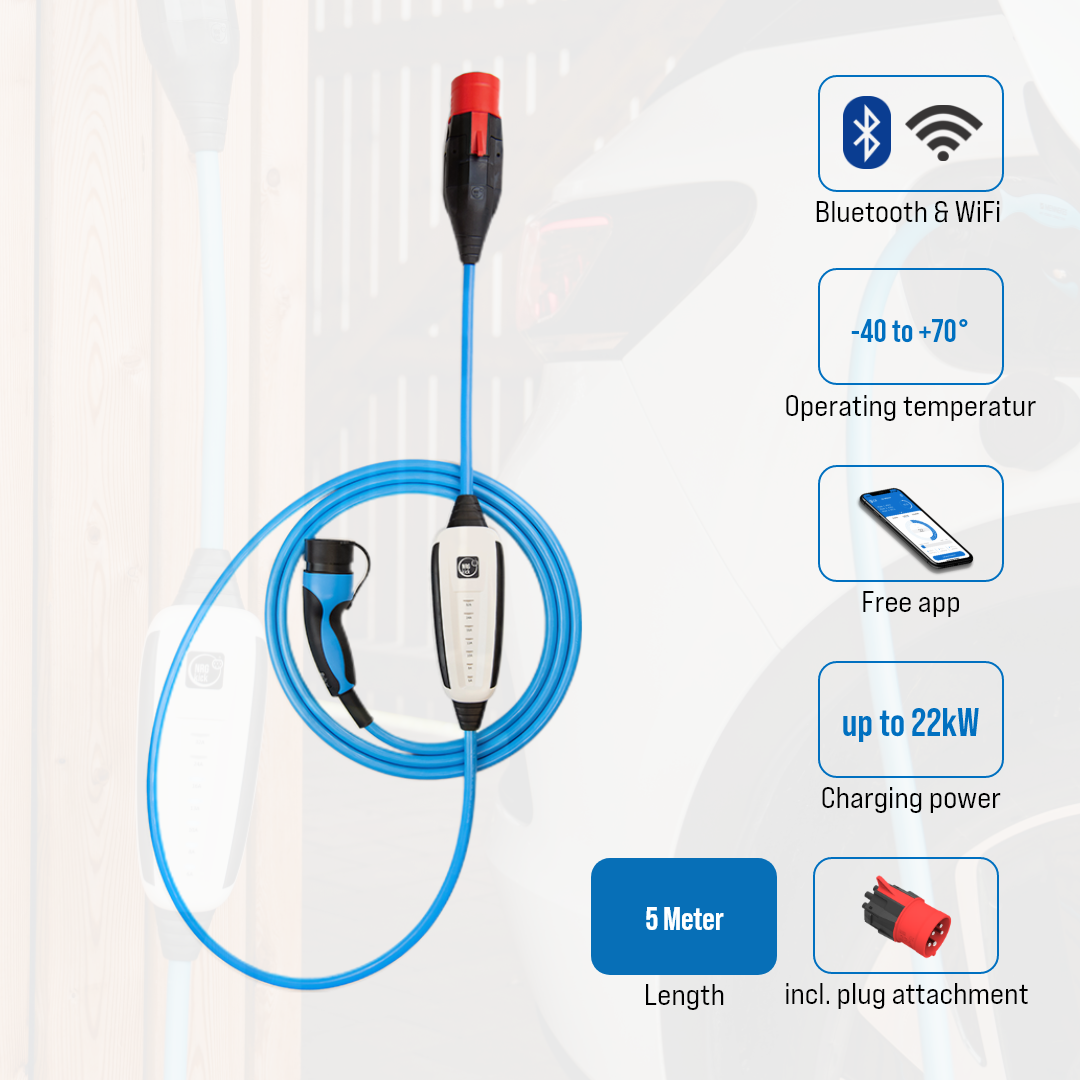
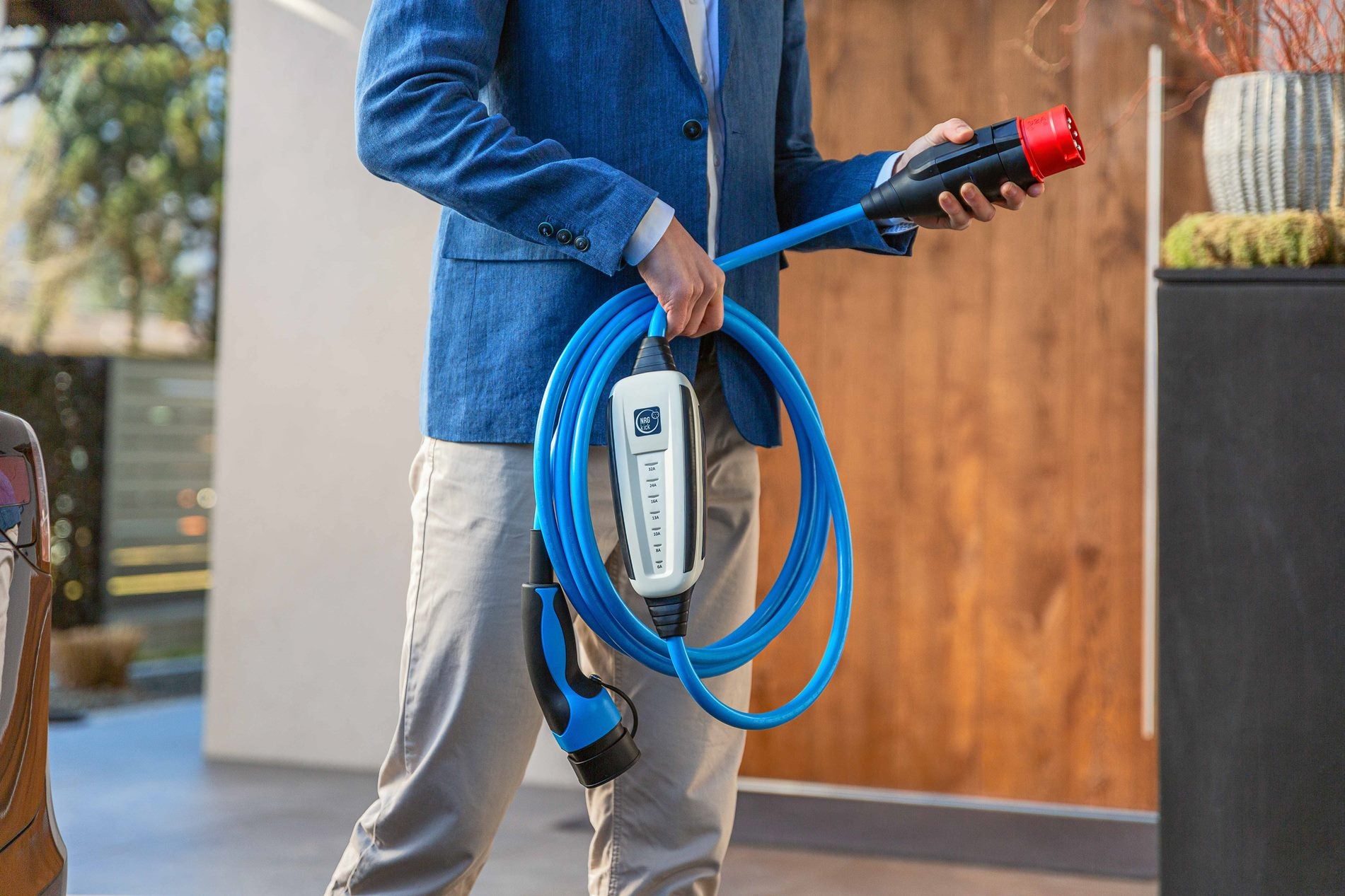
A three-phase property may also support an 11 kW portable EV charger, provided that the vehicle, socket and electrical protection are suitable. As with a fixed wallbox, the maximum printed on the charger is available capacity rather than a guaranteed rate for every Citroën.
A portable charger should not be treated as permission to use any convenient outlet. The socket, wiring and circuit protection must be suitable for prolonged electrical load. Extension leads and improvised connections can introduce heat, voltage drop and additional points of failure.
Public Charging a Citroën Electric Car
Public AC charging is useful when the vehicle will remain parked for several hours. Some stations have an attached Type 2 cable, while untethered units require the driver to provide a compatible cable.
DC fast chargers have their own fixed cable and are intended for shorter stops during longer journeys. A current European Citroën with a CCS2 inlet can use a compatible station, subject to the charging rate supported by the vehicle.
The power shown on the station is not necessarily the power the car will receive. A Citroën capable of accepting 100 kW will not charge at 150 kW simply because that capacity is available. The session may also begin below the car’s peak or slow earlier than expected if the battery is cold, nearly full or unable to maintain the ideal temperature.
Some public stations share power between adjacent connections. A second vehicle beginning a session can therefore alter the available output. Charging-network access and payment methods also vary, so a route plan should account for more than connector location alone.
Citroën Electric Range and Battery Performance
Official range figures provide a standardised point of comparison, but they do not predict every journey. European Citroën figures are generally published using the WLTP procedure, while the Ami uses the WMTC cycle appropriate to its vehicle category.
Actual range changes with speed, temperature, wind, terrain, passenger load and use of heating or air conditioning. Urban driving can suit an electric Citroën particularly well because lower speeds and frequent regenerative braking help manage energy consumption.
Motorway journeys produce a different result. Aerodynamic resistance rises quickly with speed, and cold weather can increase the energy required to warm both the cabin and battery. A route completed comfortably during mild summer weather may therefore require an additional charging stop in winter.
Battery percentage also needs to be read in context. Arriving at a charger with a lower state of charge can allow the battery to accept higher power, provided it is at a suitable temperature. Waiting for 100% at every fast-charging stop may extend the journey because the final part of the session is usually the slowest.
Citroën Electric Models
The Citroën electric range covers distinctly different forms of travel. Its smallest model is designed almost entirely around urban movement, while the larger vehicles provide the battery capacity, cabin space and charging performance required for family or professional use.
Citroën Ami
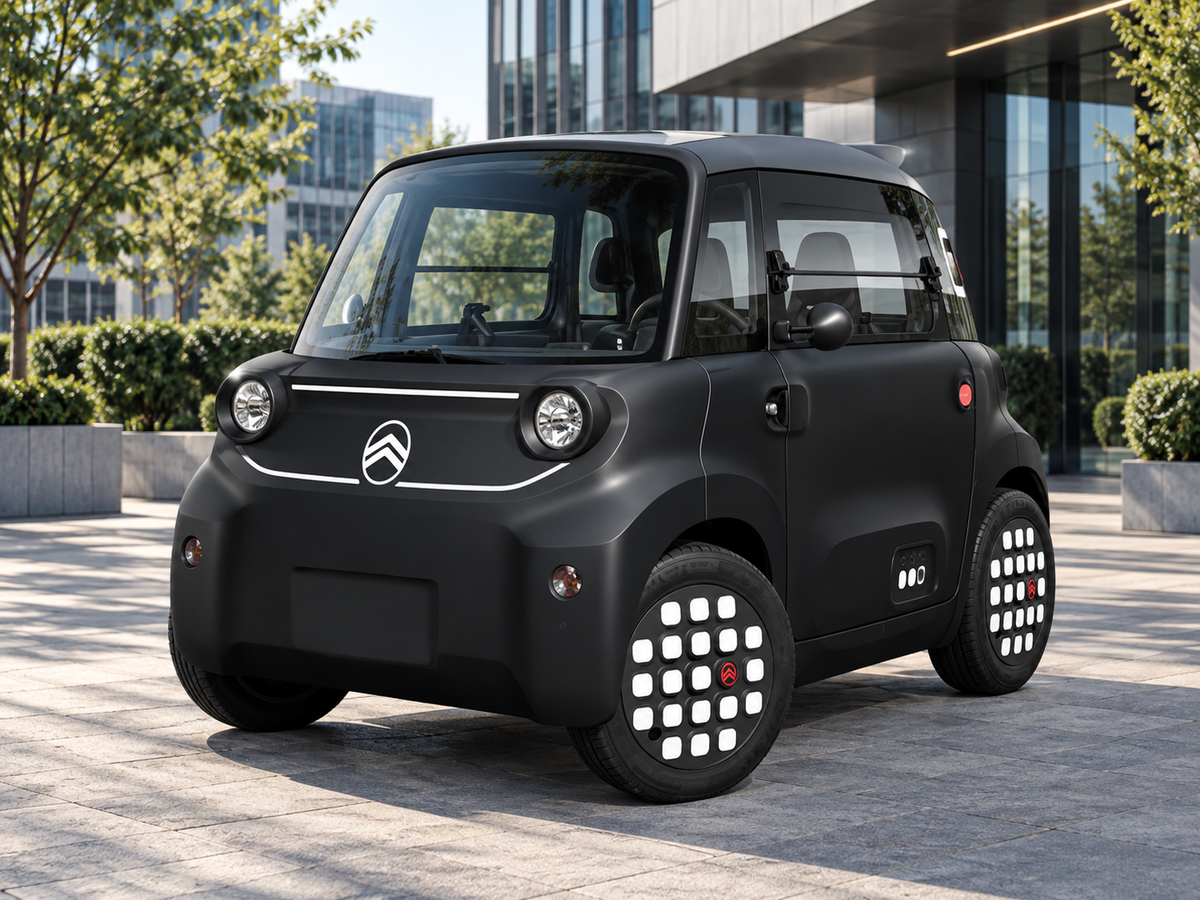
Citroën Ami approaches city travel from a different angle. It is officially classified as a light electric quadricycle rather than a conventional passenger car, and its compact dimensions are intended for short journeys through busy urban areas.
The current Ami has a 5.5 kWh battery and an official range of up to 46 miles under the WMTC procedure. A complete charge takes approximately four hours using its domestic charging connection.
Because the Ami does not use the same everyday charging arrangement as a standard Type 2 electric car, owners should follow the equipment supplied for its country of sale. A Type 2 cable or wallbox should not be assumed to connect directly to the vehicle.
Citroën ë-C3
The ë-C3 brings full electric power to Citroën’s compact hatchback format. Its combination of manageable dimensions, comfortable suspension and a practical passenger cabin makes it suited to both city use and regular travel beyond it.
The Standard Range version uses a 44 kWh battery and supports DC fast charging at up to 100 kW. Under suitable conditions, Citroën states that the battery can be charged from 20% to 80% in approximately 26 minutes.
The precise AC onboard charger and equipment can vary by version and market. Owners should check whether their car is configured for 7.4 kW or 11 kW AC before selecting a home charging solution.
Citroën ë-C3 Aircross
The ë-C3 Aircross applies the same accessible electric approach to a compact SUV with a more spacious cabin. Battery options include Standard Range and Extended Range versions, allowing the car to serve different daily mileage requirements.
Depending on version, it uses a 44 kWh or 54 kWh battery and supports DC charging at up to 100 kW. Citroën quotes a 20% to 80% charging time of approximately 26 minutes for the smaller battery and around 33 minutes for the Extended Range version under suitable conditions.
An 11 kW wallbox can serve the vehicle where the electrical installation and onboard charger support three-phase charging. The actual rate should still be confirmed from the precise specification.
Citroën ë-C4
The ë-C4 combines the proportions of a hatchback with a slightly raised driving position and Citroën’s characteristic emphasis on ride comfort. It is offered with different electric powertrains, including 50 kWh and 54 kWh battery configurations.
Both versions support DC fast charging at up to 100 kW. Depending on the battery and powertrain, the official time from 20% to 80% is approximately 25 to 27 minutes under suitable charging conditions.
For home and workplace charging, the ë-C4 can use a Type 2 cable with a compatible wallbox. Charging at 11 kW depends on the onboard charger fitted to the individual version.
Citroën ë-C5 Aircross
The ë-C5 Aircross is the largest electric SUV in Citroën’s current passenger-car range. Its larger battery options are designed to support greater passenger space and longer-distance travel without abandoning the brand’s established focus on comfort.
The Comfort Range version uses a 73 kWh battery, while the Long Range version is equipped with a 97 kWh battery. Official WLTP range reaches up to 421 miles in the Long Range configuration, although real distance remains dependent on road and weather conditions.
DC charging is supported at up to 160 kW. Citroën quotes approximately 30 minutes from 20% to 80% for the Comfort Range model and around 27 minutes for the Long Range version under appropriate conditions.
Citroën ë-Berlingo
The ë-Berlingo places its electric drivetrain beneath one of Citroën’s most practical passenger formats. Its flexible interior, sliding side doors and generous carrying capacity make it useful for families, leisure travel and drivers who regularly transport bulky equipment.
The current electric version combines a 54 kWh battery with DC fast charging at up to 100 kW. Citroën states that the battery can be charged from 0% to 80% in approximately 30 minutes under suitable conditions.
Its current specification includes a Type 2 Mode 3 charging cable and a 7.4 kW single-phase onboard charger. Connecting it to an 11 kW or 22 kW wallbox will not raise the AC rate above the limit accepted by the vehicle.
Citroën ë-SpaceTourer
The ë-SpaceTourer is designed for drivers who need substantially more passenger room. Depending on its configuration, it can accommodate up to nine occupants, making it relevant to large families, passenger transport and professional use.
The Comfort Range version uses a 75 kWh battery, while the model supports DC fast charging at up to 100 kW. Under the manufacturer’s stated conditions, the battery can reach 80% in approximately 32 minutes.
Its size and use pattern make charging planning particularly important. A vehicle covering scheduled daily routes may benefit from overnight home or depot charging, while longer passenger journeys require well-positioned CCS2 stops.
Citroën Electric Vans
Citroën’s electric range also extends into commercial transport through the ë-C3 Van, ë-Berlingo Van, ë-Dispatch Van and ë-Relay Van. Together, they cover tasks ranging from compact urban delivery to larger-volume transport.
Commercial vehicles are often charged according to a working schedule rather than an ordinary household routine. Daily mileage, payload, overnight parking time and the number of vehicles sharing the electrical supply all influence the right solution.
Some Citroën electric vans support 11 kW or 22 kW AC charging, while others are limited to a lower onboard rate. DC capability also changes according to model and battery. For a business installation, the charger should therefore be selected around the complete fleet rather than the highest number in a single vehicle specification.
Load management becomes especially valuable when several vans charge at the same depot. It can distribute the available electrical capacity between vehicles and reduce the need for every connection to draw maximum power simultaneously.
Charging Older Citroën Electric Models
Citroën’s electric history began before Type 2 and CCS2 became the expected combination for new European EVs. Older vehicles therefore require a closer inspection of their connectors.
The Citroën C-Zero is the clearest example. Many versions use a Type 1 inlet for normal AC charging and a separate CHAdeMO connection for DC rapid charging. A current Type 2 to Type 2 cable cannot connect directly to its Type 1 inlet.
Earlier or market-specific vehicles, including previous ë-C4 X and electric Berlingo generations, may also differ from current specifications. Their model name should not be used as the sole basis for choosing a cable or charger.
Owners of an older Citroën should check the production year, handbook and physical inlet before purchasing equipment. Photographs of the connector and its electrical label can help EVniculus identify a suitable Type 1 or Type 2 solution.
Citroën Plug-in Hybrid Charging
A Citroën plug-in hybrid can operate for part of its journey using battery power while retaining a combustion engine for longer distances. Unlike a conventional hybrid, it has an external charging inlet and can be connected at home or to a compatible public AC point.
Plug-in hybrids usually have smaller batteries than fully electric cars and may accept a lower AC charging rate. A powerful wallbox remains compatible when the connector and electrical standards match, but the vehicle will draw only the power allowed by its onboard charger.
Some model families are available with several powertrains, so the model name alone may not reveal whether external charging is possible. The charging inlet and full specification provide a more reliable answer.
Find the Right Citroën Charger at EVniculus
A Citroën badge can identify the manufacturer, but it cannot identify the charger. The correct equipment depends on the model, year, powertrain, onboard AC limit and physical connection fitted to the vehicle.
At EVniculus, we match the charging solution to those details. Current Type 2 Citroën models can be paired with suitable home chargers, portable chargers and charging cables, while older vehicles may require a dedicated Type 1 solution.
If the connector remains uncertain, send us the complete model information and clear photographs of the charging inlet. Our team can help confirm the standard before you order, giving you equipment selected for the vehicle you actually drive rather than for the badge on its bonnet.