15.07.2026 tarihinde güncellendi.
Evde şarj, elektrikli arabanızı uyurken yakıt ikmali yapabileceğiniz bir şeye dönüştürüyor. Halka açık bir şarj noktasına gitmeye veya aracın yanında beklemeye gerek yok. Hükümetlerin sıfır emisyonlu araçlar için şarj erişimini desteklemeye devam etmesinin nedenlerinden biri de bu: eve geliyorsunuz, fişe takıyorsunuz ve ertesi sabah ihtiyacınız olan menzille yola çıkıyorsunuz.
İnsanlar bir şey aradığında şarj istasyonu ana sayfası Çözüm arayanlar genellikle elektrik şebekelerinin uygun olup olmadığını, hangi şarj cihazına ihtiyaç duyduklarını ve kurulum maliyetinin ne olacağını bilmek isterler. Bu kılavuz, bu soruları beş pratik adımda yanıtlıyor. Yeni elektrikli araç sahipleri, şarj edilebilir hibrit araç sürücüleri, kiracılar ve ev sahipleri için yazılmıştır; araçlarının kullanamadığı güce para ödemeden güvenli ve rahat şarj imkanı sunar.
Temel kural basit: Gerçek AC şarj hızı, ev şebekesi, şarj ünitesi ve aracın dahili şarj cihazı arasında en düşük kapasiteye sahip olanla sınırlıdır. 22 kW'lık bir ev şarj cihazı, 11 kW AC şarj kapasitesine sahip bir aracı 22 kW hızında şarj edemez.
Elektrikli Arabanızı Evde Şarj Etmeden Önce
Elektrikli araç evde şarjı Rutin şarj işlemlerinin büyük çoğunluğunun en kolay hale geldiği yer burasıdır. Araç genellikle saatlerce park halinde kalır, bu nedenle amaç ultra hızlı halka açık şarj cihazlarının hızını kopyalamak değil, bir sonraki yolculuktan önce gün içinde kullanılan enerjiyi yerine koymaktır.
Diyelim ki bir elektrikli araç 100 km'de 18 kWh enerji tüketiyor ve günde 40 km yol kat ediyor. Bu yolculuğu tamamlamak için yaklaşık 7,2 kWh enerjiye ihtiyacı var. Teorik olarak, 2,3 kW'lık taşınabilir bir şarj cihazı bile, normal şarj kayıpları hesaba katılmadan önce, bu enerjiyi üç saatten biraz fazla bir sürede sağlayabilir.
Bu nedenle, elektrikli araç şarj aleti seçerken yalnızca batarya boyutuna bakmak yanıltıcı olabilir. Günlük kat edilen mesafe, park süresi, aracın batarya kapasitesi ve maksimum AC giriş gücü gibi faktörlerin hepsi önemlidir.
Adım 1: Elektrikli Aracınızı ve Bağlantı Tipinizi Kontrol Edin
Öncelikle şarj cihazından değil, araçtan başlayın. Kullanım kılavuzunu veya şarj özelliklerini açın ve bağlantı tipini, maksimum tek fazlı ve üç fazlı AC girişini ve kWh cinsinden pil kapasitesini bulun. Ayrıca önerilen günlük şarj limitini, kablo gereksinimlerini ve aracın şarj cihazının uygulamasına bağlı kalmadan bir şarj seansı planlayıp planlayamayacağını kontrol etmekte fayda var.
Bu detayların doğrulanması sadece birkaç dakika sürer, ancak en yaygın satın alma hatasını önler: aracın kabul edemediği şarj gücü için ödeme yapmak.
Birleşik Krallık ve Avrupa'da satılan modern elektrikli otomobillerin çoğu, AC şarj için Tip 2 bağlantı kullanır. Tip 1 ise daha çok bazı eski elektrikli araçlarda ve ithal modellerde bulunur. Halka açık hızlı şarj istasyonları genellikle CCS gibi ayrı bir DC konektörü kullanırken, bazı eski araçlar CHAdeMO kullanır.
Hızlı şarj istasyonlarının kullandığı konektör, evde elektrikli araç şarjı için gereken kabloyu belirlemez. Evde şarj genellikle alternatif akım (AC) ile yapılır, bu nedenle araç içindeki şarj cihazı elektriği aracın bataryasında depolanan doğru akım (DC) enerjisine dönüştürür.
kW ve kWh'yi karıştırmayın. kW şarj gücünü, kWh ise elektrikli otomobil bataryalarının enerji kapasitesini ifade eder. Araç üreticileri aynı model için farklı araç içi şarj cihazı seçenekleri sunabilir, bu nedenle model adına güvenmek yerine aracın tam özelliklerini doğrulayın.
Adım 2: Elektrik Bağlantısını ve Park Yerini Kontrol Edin
Garajı veya özel otoparkı olan aileler, ev tipi elektrikli araç şarj cihazına en kolay şekilde ulaşabilirler. Şarj kablosu tamamen özel arazide kalabilir ve kurulumu yapan kişi, elektrik panosu ile otopark alanı arasında net bir güzergaha sahip olur.
Nitelikli bir elektrikçi, işe ana sigorta, toplam mevcut güç kaynağı ve mülkteki mevcut talep ile başlamalıdır. Tüketici ünitesinin uygun kapasiteye sahip olması gerekirken, topraklama düzenlemesi ve planlanan kablo güzergahı mevcut elektrik gereksinimlerine uygun olmalıdır.
Araştırma ayrıca, mülkün tek fazlı mı yoksa üç fazlı mı elektriğe sahip olduğunu ve şarj cihazının elektrik panosuna ne kadar uzaklıkta olacağını da belirlemelidir. Evde zaten elektrikli ısıtma, ısı pompası veya diğer yüksek talep gerektiren ekipmanlar varsa, pahalı bir tedarik yükseltmesinden ziyade dinamik yük dengelemesi daha mantıklı bir seçenek olabilir.
Birleşik Krallık'ta yaygın olarak kullanılan ev tipi elektrikli araç şarj cihazları, 230 V, 32 A tek fazlı bir devreden yaklaşık 7-7,4 kW güç sağlar. Bu, her evin değerlendirme yapılmadan bu gücü destekleyebileceği anlamına gelmez. Eski elektrikli ekipmanlar, döngülü besleme, elektrikli ısıtma, ısı pompası veya diğer yüksek talep gören cihazlar sonucu değiştirebilir.
Eğer cadde üzerinde park yeriniz varsa ne olacak?
Sokak üzerindeki park alanları projeyi daha karmaşık hale getiriyor, ancak evde şarj etme olasılığını tamamen ortadan kaldırmıyor. Kaldırımda gevşek bir kablo bırakılmamalıdır. Yerel yönetime bağlı olarak, onaylı bir kaldırım geçiş kanalı, araca güvenli bir yol sağlayabilir.
Birleşik Krallık hükümeti şu anda, onaylı bir kaldırım üstü şarj çözümü kurulduğunda, cadde üzerinde park yeri bulunan uygun hanelere elektrikli araç şarj noktası hibesi sunmaktadır. Hanenin gerekli karayolu ve imar izinlerini alması gerekmektedir.
Kiralık bir mülk veya diğer kiralık konaklama yerleri için, elektrik işleri düzenlemeden önce yazılı izin alınmalıdır. Daire sahiplerinin ayrıca ortak alanlardan veya konut otoparklarından geçen kablo güzergahları için de onay almaları gerekebilir. Özel otopark, uygunluğu ve kurulumu kolaylaştırır, ancak tek olası düzenleme bu değildir.
3. Adım: Evde Şarj İçin Doğru Elektrikli Araç Şarj Cihazını Seçin
Elektrikli araçlar için en iyi ev tipi şarj cihazı, araca, eve ve mevcut zamana bağlıdır. Farklı şarj cihazları farklı sorunları çözer; en yüksek güç değeri otomatik olarak en iyi satın alma anlamına gelmez. Ev tipi şarj cihazları, uzun süreli AC şarj seansları için tasarlanmış elektrikli araç şarj noktalarıdır, minyatür hızlı şarj cihazları değildir.
|
Ev şarj seçenek |
Tipik güç |
En iyi uygun ile |
|
Üretici onaylı taşınabilir EVSE itibaren A üç pimli fiş |
Hakkında 2.3 kW için sürdürüldü kullanmak |
Düşük günlük kilometre Ve ara sıra şarj |
|
16 A taşınabilir elektrik araba şarj cihazı |
Yukarı ile 3.6 kW |
Ilıman kilometre ile A uygun denetlendi tedarik |
|
Tek fazlı Ev şarj cihazı |
Etrafında 7–7.4 kW |
Bir gecede şarj de en uygun Birleşik Krallık evler |
|
Üç fazlı Ev şarj cihazı |
11 kW |
Daha büyük piller Ve uyumlu üç fazlı özellikler |
|
Üç fazlı şarj cihazı |
Yukarı ile 22 kW |
Arabalar ile 22 kW AC Destek Ve uygun üç fazlı tedarik |
22 kW'lık bir şarj cihazı, üç fazlı bir bağlantı ve bu gücü kabul edebilecek bir araba gerektirir. Birçok yeni elektrikli araba 11 kW AC veya daha azıyla sınırlıdır; bu da 22 kW'lık bir ünitenin şarj hızı açısından herhangi bir avantaj sağlamayabileceği anlamına gelir.
Kablolu şarj cihazı mı, kablosuz şarj cihazı mı?
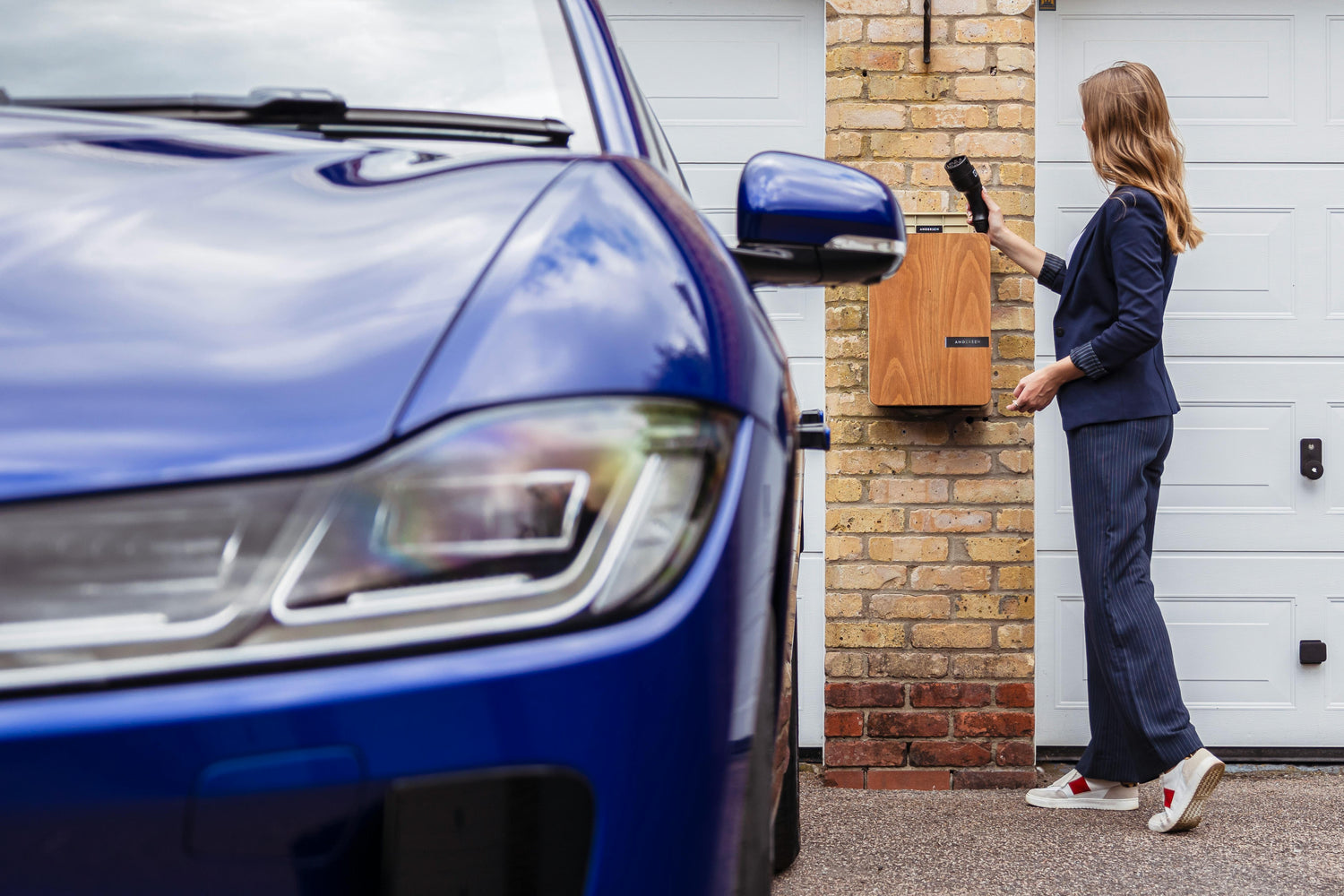
Kablolu elektrikli araç şarj cihazının kablosu kalıcı olarak takılıdır. Kullanımı hızlıdır çünkü sürücünün sadece kabloyu tutucudan çıkarıp araca bağlaması yeterlidir. Dezavantajı ise sabit konektör tipi ve kablo uzunluğunun daha sonra değiştirilmesinin daha zor olmasıdır.
Kablosuz ev tipi şarj cihazı, bir prize sahiptir ve ayrı bir şarj kablosu kullanır. Araç bağlı olmadığında daha derli toplu görünebilir ve ev halkı daha sonra araç değiştirdiğinde daha fazla esneklik sunar. Ancak, kullanıcının her şarj seansı için kabloyu saklaması ve bağlaması gerekir.
Akıllı Şarj Cihazı ve Güneş Enerjisi Entegrasyonu
Akıllı şarj cihazı, düşük talep saatlerinde şarjı planlayabilir, enerji kullanımını kaydedebilir ve mülkteki talebi sınırlayabilir. Daha gelişmiş akıllı işlevler arasında dinamik yük dengeleme ve güneş panelleriyle entegrasyon bulunur; bu sayede araç, mevcut olduğunda fazla enerjiyi kullanabilir.
Birleşik Krallık düzenlemeleri, özel kullanım için satılan yeni şarj cihazlarının, şarj işlemini şebekedeki yüksek talep dönemlerinden uzaklaştırabilen özelliklere sahip akıllı şarj noktaları olarak çalışmasını gerektirmektedir.
Dış mekan kurulumları için, şarj cihazının giriş koruma derecesini ve izin verilen çalışma sıcaklığını kontrol edin. Muhafaza hava koşullarına dayanıklı olabilir, ancak fişler, adaptörler ve prizler yine de doğru şekilde kullanılmalı ve korunmalıdır.
EVniculus olarak, 3,6 kW ile 22 kW arasında taşınabilir ve duvara monte edilebilen ev tipi şarj seçenekleri sunuyoruz. Uygulama özelliklerini veya maksimum çıkışı karşılaştırmadan önce, şarj cihazını mevcut prize, elektrik tesisatına ve araç limitine uygun olarak seçmenizi öneririz.
Adım 4: Güvenli Elektrikli Araç Şarj Cihazı Kurulumunu Ayarlayın
Özel bir ev tipi şarj cihazı, sıradan bir ev prizini sürekli yüksek yük şarj noktası olarak kullanmaktan daha güvenli ve daha hızlıdır. Elektrikli araç şarj cihazının kurulumu, mevcut elektrikli araç şarj gereksinimlerine aşina olan kalifiye bir elektrikçi tarafından yapılmalıdır.
Standart bir kurulumda, şarj cihazına tüketici ünitesinden ayrı bir devre verilir. Elektrikçi, planlanan yük için kablo ve devre korumasını seçer, topraklamayı doğrular ve gerekli artık akım ve DC arıza korumasını sağlar.
Ardından cihaz güvenli bir şekilde monte edilmeli, mevcut güç kaynağına göre yapılandırılmalı ve araçla veya uygun test ekipmanıyla test edilmelidir. İş tamamlandıktan sonra, müşteri şarj cihazı için sadece bir makbuz değil, ilgili elektrik tesisatı sertifikasını almalıdır.
Kurulumu yapan kişi, dağıtım şebekesi operatörüyle (DNO) işe başlamadan önce mi yoksa sonra mı iletişime geçilmesi gerektiğini de değerlendirmelidir. İngiliz hükümeti kılavuzuna göre, kurulumu yapan kişi doğru güzergahı belirler ve gerektiğinde DNO ile iletişime geçer. Yetkili kurulumcular, şebeke operatörünün ek yükü değerlendirebilmesi için tamamlanan kurulumları ilgili DNO'ya bildirmelidir.
Her proje standart bir kurulum değildir. Uzun kablo güzergahı, kazı çalışmaları, müstakil garaj, elektrik panosu değişimi, elektrik tesisatı yükseltmesi veya ortak otoparklarda yapılan çalışmalar, işi daha karmaşık hale getirebilir. Bu nedenle kurulum maliyetleri binaya bağlı olarak değişir ve genel bir şarj cihazı fiyatına değil, yerinde incelemeye dayalı olmalıdır.
Basit işler sadece birkaç saat sürebilir. İzin gerektiren, şebeke operatörü (DNO) yükseltmesi veya büyük kablo döşemesi gibi karmaşık işler, fiziksel şarj cihazı kurulumu basit olsa bile, önemli ölçüde daha uzun sürebilir.
Adım 5: Elektrikli Aracınızı Yoğun Olmayan Saatlerde Şarj Edin
Ekipman test edildikten sonra, evde elektrikli araç şarjı Bu işlem kısa bir rutin haline gelir. Takmadan önce, kabloyu ve konektörü kir veya hasar açısından kontrol edin. Konektörü sıkıca takın, ardından aracın kilitlendiğini ve şarj göstergesinin beklenen duruma geçtiğini doğrulayın.
Oradan, pil hedefi veya kalkış saatini ayarlayın ve akıllı programın enerji tarifesinin en uygun bölümünü seçmesine izin verin. Şarj cihazı veya araç uygulaması kaç kWh enerji teslim edildiğini doğrulayabilir, ancak seansı sürekli izlemeye gerek yoktur.
Her aracın her gece %100 şarj edilmesi gerektiğini varsaymayın. İdeal günlük limit, pil kimyasına ve araç üreticisinin talimatlarına bağlı olarak değişir. Aracın pil yönetim sistemi kendi güvenlik limitlerini uygular, ancak araç sahipleri yine de aracın pili için önerilen hedefi takip etmelidir. Uzun bir yolculuk öncesinde daha yüksek bir hedef mantıklı olabilirken, diğer kullanım şekilleri için daha düşük bir günlük ayar önerilebilir.
Düşük talep saatlerinde akıllı şarj, şarj maliyetini düşürebilir ve yerel şebeke üzerindeki talebi azaltabilir. Evde güneş panelleri varsa, program daha sonra aynı enerjiyi ithal etmek yerine, fazla enerji üretilen dönemlere öncelik verebilir.
Kabloyu periyodik olarak kontrol edin ve fiş, priz veya kablo hasar görürse, rengi değişirse veya aşırı ısınırsa şarj ünitesini kullanmayı bırakın. Uzatma kablolarını asla birbirine bağlamayın veya normal bir uzatma kablosunu kaldırımdan geçirmeyin.
Evde Elektrikli Araba Şarj Etmek Ne Kadar Sürer?
Şarj süresi, yalnızca aracın bataryasının toplam boyutuna değil, eklenen enerji miktarına da bağlıdır. Faydalı bir tahmin şöyledir:
Şarj süresi = gerekli enerji ÷ gerçek şarj gücü
60 kWh'lik bir bataryanın %20'den %80'e kadar şarj olması için yaklaşık 36 kWh enerji eklenmesi gerekir:
|
Mevcut güç |
İdeal zaman için 36 kWh |
|
2.3 kW |
Hakkında 15.7 saat |
|
3.6 kW |
Hakkında 10 saat |
|
7.4 kW |
Hakkında 4.9 saat |
|
11 kW |
Hakkında 3.3 saat |
Gerçek seanslar daha uzun sürer çünkü klima dönüşümü, termal yönetim ve aracın kendisi enerji tüketir. Sıcaklık ve batarya durumu da sonucu etkileyebilir.
7 kW'lık bir şarj cihazı, birçok modern elektrikli otomobili bir gecede tamamen şarj edebilir, ancak "sekiz saat" evrensel bir rakam değildir. Küçük bir şarj edilebilir hibrit araç çok daha az zamana ihtiyaç duyabilirken, neredeyse boş olan büyük bir batarya daha uzun süreye ihtiyaç duyabilir. Saat başına eklenen menzil miktarı, aracın verimliliğine göre de değişir.
Evde Elektrikli Araba Şarj Etmenin Maliyeti Ne Kadar?
Temel hesaplama şu şekildedir:
Şarj maliyeti = sayaçta ölçülen elektrik × enerji tarifesi
Akıllı şarj cihazı veya ev sayacının bildirdiği enerjiyi kullanın, pil yüzdesini nominal kapasitesiyle çarpmayın. Şarj kayıpları, evden çekilen elektriğin pilde tutulan enerjiden daha yüksek olacağı anlamına gelir.
Evde şarj etmek, özellikle düşük tarifeli enerji kullanımında, bazı hızlı halka açık şarj cihazlarını kullanmaktan birkaç kat daha ucuz olabilir. Ancak her zaman tam olarak beş kat daha ucuz olacağını garanti etmek doğru değildir: halka açık şarj fiyatları, ev tarifeleri ve abonelik planları değişkenlik gösterir.
Donanım ve kurulum maliyetleri de değişiklik gösterir. 2026 yılında İngiliz hükümeti, 500 sterlinlik desteğinin tipik bir şarj noktası kurulumunun maliyetinin neredeyse yarısını karşıladığını ve basit bir projenin genel olarak dört haneli bir rakama mal olacağını belirtmişti. Ek elektrik işleri, kazı veya tedarik yükseltmesi nihai maliyeti artırabilir.
Mevcut Birleşik Krallık Hükümeti Hibeleri
Elektrikli Araç Ev Şarj Sistemi 2014'ten 2022'ye kadar faaliyet gösterdi ve yeni başvurulara kapatıldı. Yerini daha yeni EV şarj noktası hibeleri aldı, bu nedenle EVHS'nin Mart 2026'da kapanacağı iddiası güncel değil.
1 Nisan 2026'dan itibaren, uygun kiracılar, daire sahipleri, konut kiralayanlar ve onaylı cadde üstü çözümleri kullanan haneler, uygun satın alma ve kurulum maliyetlerinin %75'ini, priz başına 500 £ ile sınırlı olmak üzere alabilirler. Bu programlar şu anda 31 Mart 2027'ye kadar finanse edilmektedir. Kiracılar ve daire sahipleri genellikle özel, cadde dışı park alanına ihtiyaç duyarken, ayrı bir hibe onaylı kaldırım üstü çözümlerine güvenen uygun haneleri kapsamaktadır.
Uygunluk kriterleri kiralık konutlar, daireler, ev sahibi portföyleri, tek kullanımlık mülkler ve karma kullanımlı binalar arasında farklılık gösterir. Başvurular genellikle geriye dönük olarak yapılamaz ve hibe destekli çalışmalar için gerekli onaylı ekipman ve kurulumcu yolu kullanılmalıdır. Şarj cihazını sipariş etmeden önce her zaman güncel Birleşik Krallık hükümeti kurallarını kontrol edin.
Elektrikli Araç Evde Şarjı, Toplu Şarj ve Hızlı Şarj Karşılaştırması
Ev ve halka açık şarj noktaları farklı amaçlara hizmet eder. Evde elektrikli araç şarjı, araç park halindeyken günlük katedilen mesafeyi sessizce tamamlar. Halka açık şarj noktaları ise yolculuk sırasında, güvenilir ev şarj erişimi olmayan sürücüler için veya aracın hızlı bir şekilde enerjiye ihtiyaç duyduğu durumlarda kullanışlıdır.
Sokaklarda ve otoparklarda halka açık AC şarj istasyonları yaygındır. Hızlı şarj genellikle 50 kW civarında başlarken, ultra hızlı halka açık şarj cihazları 100-350 kW veya daha fazla güç sağlayabilir. Araç, belirtilen gücün ne kadarını kabul edebileceğini kontrol eder ve pil doldukça şarj normalde yavaşlar.
Daha yüksek halka açık şarj hızı, hızlı şarj cihazını rutin ev şarjının pratik bir alternatifi haline getirmez. Uygun park yeri olan sürücülerin büyük çoğunluğu için, evde elektrikli araç şarjının temel avantajları kolaylık, öngörülebilir erişim ve düşük tarifeli saatlerden yararlanabilme olanağıdır. Bu, şarj edilebilen bataryalı elektrikli ve diğer düşük emisyonlu araçlar için geçerlidir. Benzinli veya dizel bir araca yakıt doldurmanın aksine, sürücünün enerji eklenirken aracın yanında durmasına gerek yoktur.
Sıkça Sorulan Sorular
Elektrikli bir arabayı üç pimli bir prizden şarj edebilir miyim?
Evet, araç üretici onaylı taşınabilir bir EVSE (Elektrikli Araç Şarj Cihazı) kullanıyorsa ve priz uygun olarak değerlendirilmişse. Şarj işlemi önemli bir sürekli yük oluşturur, bu nedenle eski veya paylaşımlı bir priz otomatik olarak güvenli olarak kabul edilmemelidir. Sıradan bir uzatma kablosu kullanmayın ve düzenli kullanım için özel bir EV (Elektrikli Araçlar için Uygun) priz veya ev şarj cihazı düşünün.
Birleşik Krallık'taki her eve 7 kW'lık bir elektrikli araç şarj cihazı takılabilir mi?
Hayır. Uygun bir 230 V, 32 A tek fazlı devrede yaklaşık 7-7,4 kW yaygındır, ancak mevcut kapasite kontrol edilmelidir. Ana sigorta, tüketici ünitesi, mevcut evsel talep ve dağıtım şebekesi operatörü (DNO) ekipmanı, kurulumu sınırlayabilir.
Elektrikli Araç Şarj Cihazı İçin Araç Park Yeri Gerekli Mi?
Özel, cadde dışı park yeri en basit düzenlemedir ve bazı hibeler için gereklidir. Cadde üzerinde park yeri olan haneler, onaylı bir kaldırım geçiş kanalı ve yerel yönetim izni gerektiren seçeneklere sahip olabilirler. Halka açık bir kaldırımın üzerinden asla gevşek bir kablo bırakılmamalıdır.
Kablolu mu yoksa kablosuz ev şarj cihazı mı daha iyi?
Kablolu şarj cihazı daha kullanışlıdır çünkü kablosu kalıcı olarak takılıdır ve kullanıma hazırdır. Kablosuz şarj cihazı ise daha fazla esneklik sağlar ve kablosu çıkarıldığında daha derli toplu görünür. Daha iyi seçim, bağlantı tipine, park konumuna ve hane halkının araç değiştirmeyi planlayıp planlamadığına bağlıdır.
Akıllı şarj cihazı şarj maliyetini düşürebilir mi?
Evet, şarj seansını daha ucuz tarife dönemlerine planladığında veya fazla güneş enerjisi üretimini önceliklendirdiğinde. Akıllı yük yönetimi, evin geri kalanı daha fazla elektrik tükettiğinde şarj gücünü de azaltabilir. Gerçek tasarruf, enerji tarifesine, sürüş ihtiyaçlarına ve mevcut şarj zaman aralığına bağlıdır.
Kaynaklar:
1. Uluslararası Enerji Ajansı – Küresel Elektrikli Araç Görünümü 2026: Elektrikli Araç Şarjı
2. U.SAlternatif Yakıtlar Veri Merkezi – Evde Elektrikli Araç Şarjı
3. Avrupa Alternatif Yakıtlar Gözlemevi – Şarj Sistemleri
4. Birleşik Krallık Hükümeti – Elektrikli Araç Akıllı Şarj Noktası Yönetmelikleri
5. Birleşik Krallık Hükümeti – Elektrikli Araç Şarj Noktalarının Elektrik Şebekesine Bağlanması
6. Birleşik Krallık Hükümeti – Mevcut Elektrikli Araç Şarj Noktası Hibeleri
7. Elektrik Güvenliği Her Şeyden Önce – Elektrikli Araç Şarjı ve Elektrik Yükleri
8. EVniculus – Taşınabilir ve Ev Tipi Elektrikli Araç Şarj Cihazları