A friend asked me recently whether it’s worth installing a home EV charger or if it’s easier to keep relying on public EV charging stations. And honestly, it's a more complicated question than it seems. Most people think the whole decision is about cost, but once you start driving an electric car daily, you realize it's actually about rhythm. Charging becomes part of your routine. Some days it fits perfectly into your life, other days, not so much.
The tricky part is that your charging habits form quickly. You may start by using public stations because they’re everywhere now, but then one evening you find yourself waiting behind two cars at a “fast” charger that isn’t actually that fast that day. Or your battery is at 12% and the nearest station is busy. That’s when the idea of installing a home EV charger starts sounding less like a luxury and more like a necessity.
Why does choosing the right EV charging setup matter?
Choosing the right EV charging setup is one of those invisible decisions that either makes your day smoother or adds small bits of stress without you realizing it. Charging an EV takes time. Not difficult time, just… time that needs to exist somewhere on your schedule. And if you’re working full-time, driving kids around, or simply living in a busy city, this becomes important.
If the setup fits your lifestyle: great. Everything flows. If it doesn’t, you’ll notice frustrations like unplanned detours, higher costs, charging queues, or even having to reorganize a whole day because you forgot to plug in the night before. So yes, the setup matters more than most new EV owners expect.
What is an EV home charger, and how does it work?
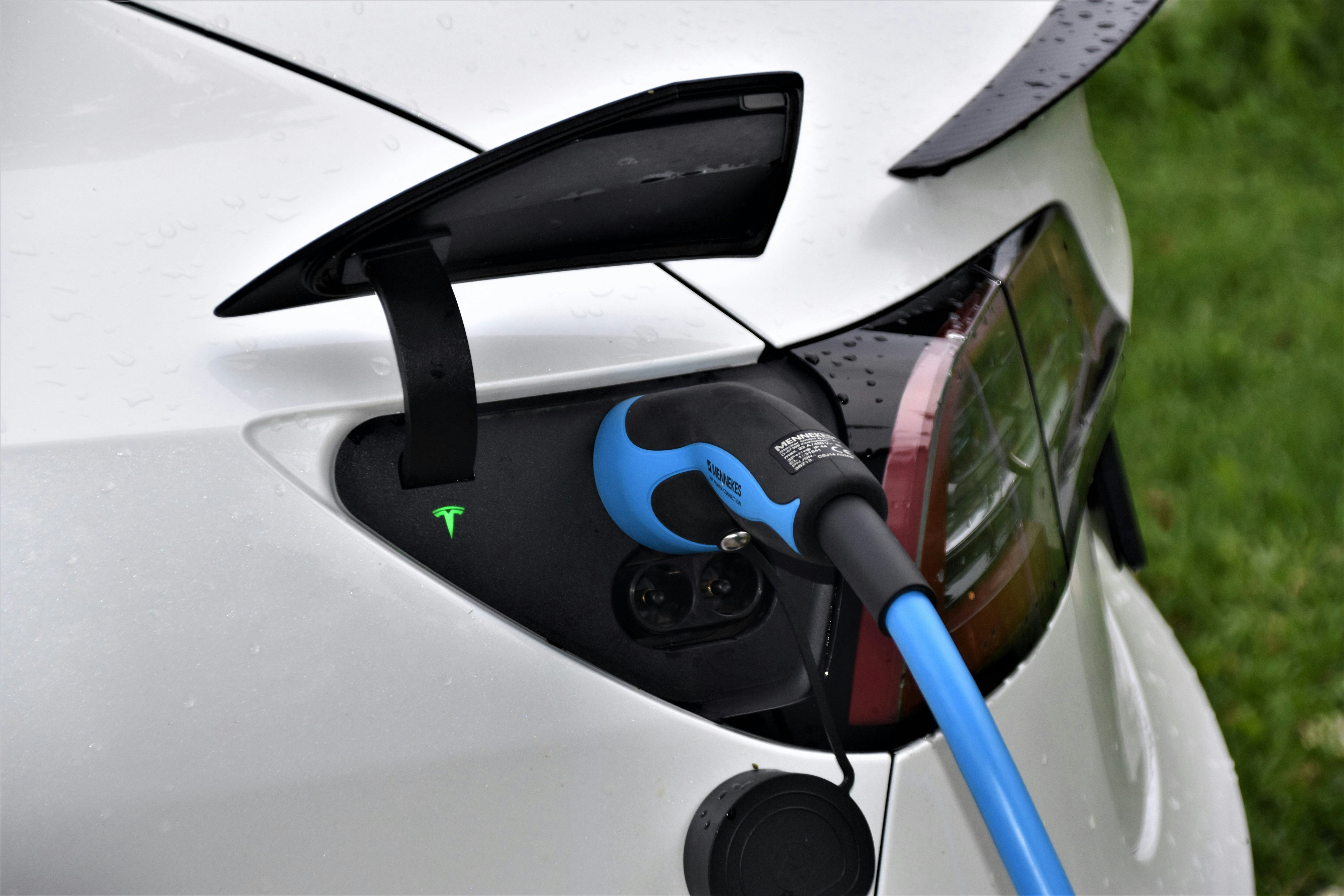
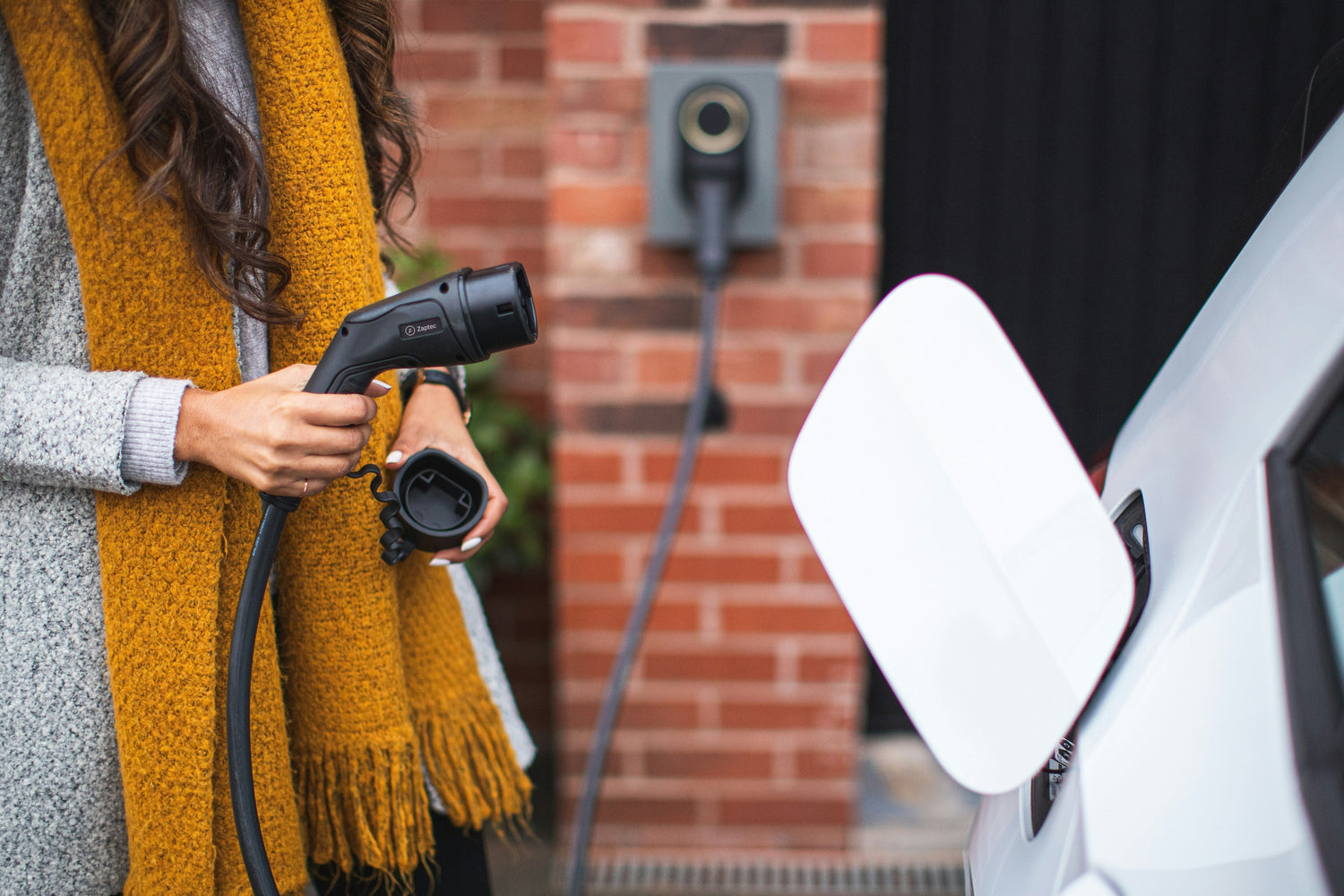
A home EV charger is essentially your private charging station. It’s attached to your wall, connected to your home’s electrical panel, and delivers more power than a standard socket. Most models offer 7 kW or 11 kW, which is perfect for overnight charging.
Once installed, it becomes part of everyday life. You get home, plug in, and forget about it. In the morning? Full battery. Even if you come back late and leave early, the charger usually has enough time to top you up.
Some models come with apps that help track your usage, schedule charging sessions during cheaper hours (amazing if your area uses night tariffs), or simply remind you that you forgot to plug in. Whether you use these features or ignore them, the convenience stays the same.
How much does it cost to install an EV charger at home?
This question always hits first: “Okay, but what’s the price?”
A solid EV home charger usually sits around 800–1500 BGN. The installation depends on your electrical system: distance to your parking spot, cable routing, whether you need extra protection devices, and so on. That part can go from 400 to 1000 BGN.
So the total investment typically lands somewhere around 1200–2500 BGN. Is it cheap? Not exactly. But when you compare it to the public EV charging stations cost, especially DC fast chargers, home electricity rates almost always come out kinder to the wallet. Over time, the math usually works in your favor.
What are the benefits of having a home EV charger?
Honestly, the convenience alone feels like a luxury during the first week, and then it simply becomes part of life. The biggest benefit is how effortless it makes everything. You plug the car in before going to bed and wake up with a full battery, no early morning detours, no hoping a station is free, no standing around waiting for the charger to finish.
Another advantage is cost. Charging at home, especially if you use night tariffs, is almost always cheaper than what public networks charge per kWh, and the difference adds up faster than most people expect. There’s also the comfort of not dealing with queues or broken chargers; your wallbox is always available and works the same way every time.
On top of that, home charging is usually more stable and gentler on the battery compared to some public stations that vary in power or maintenance. And maybe the most overlooked benefit of all is the mental quiet it brings, just knowing your car is charging right outside, without you having to think about it, removes a surprising amount of small daily stress.
Which is the best home EV charger for your needs?
People often look for one clear, definitive answer, but there really isn’t one. The “best” home EV charger depends far more on your routine than on the charger itself. It comes down to how much you drive, how quickly you need the car ready again, and whether you prefer having full control or just want something that quietly does its job in the background. For most drivers, a 7 kW charger is perfectly enough, especially if the car sits overnight. But if you cover long distances daily or drive an EV with a larger battery, an 11 kW charger gives you a bit more breathing room and peace of mind.
Some people love smart features like apps, Wi-Fi, scheduling, consumption tracking, while others prefer the simplest possible setup that focuses only on charging. Both types work equally well; it really depends on how hands-on you like to be. It’s also important to make sure the charger matches your car’s AC charging capability, because buying a more powerful charger doesn’t necessarily make the car charge faster. And something as small as cable length can end up mattering more than you’d expect; a cable that’s too short is annoying every single day, while the right length makes life noticeably easier.
In the end, the best home EV charger is the one you barely think about, the one that fits naturally into your life and never becomes a source of hassle. If it matches your habits and keeps your car ready when you need it, that’s the right choice.
Are there any downsides to installing a home EV charger?
Even the best solution isn’t perfect.
Upfront cost
The price can feel heavy, especially right after purchasing an EV.
You need a dedicated parking spot
Apartment living makes things trickier: permissions, shared garages, long cable routing.
AC charging is slower than DC fast charging
Home chargers aren't meant for quick top-ups. That’s what public DC is for.
(Which is why it's useful to know how to use public EV chargers even if you mostly charge at home.)
Home EV charger vs public stations — which is better long term?
Short answer? For most drivers: home charging wins.
Long answer? It depends on your lifestyle.
People who drive daily usually save more and stress less with home charging. It’s predictable, quiet, and part of the home routine. Public stations, however, still play a big part, especially during long trips or unexpected days when your battery drops lower than planned.
Public stations are also essential for people wondering “are public EV charging stations free?” because sometimes they are (workplaces, malls, hotels), but usually not. And even when they’re free, their reliability varies wildly.
Should you combine both home and public EV charging options?
Most EV drivers end up combining them without even planning to.
A home EV charger handles daily life.
Public DC fast chargers fill the gaps like road trips, emergencies, busy days.
This combination gives you flexibility without feeling tied to one specific method.
Bringing It All Together
There’s no single answer that works for every EV driver. For many, installing a home EV charger becomes the backbone of convenient electric driving. Public stations still matter a lot, they complete the picture, especially during long-distance trips.
At Evniculus, we’re focused on helping drivers figure out which charging method fits their reality, not just what looks good on paper.