Mercedes-Benz Elektrofahrzeuge
Mercedes-Benz hat eine neue Phase der Elektromobilität eingeleitet. Vor einigen Jahren… Mercedes Elektroauto Es fühlte sich immer noch wie eine separate Option abseits der traditionellen Mercedes-Benz-Palette an. Heute ändert sich das. Die Elektroautos der Marke umfassen mittlerweile Kompakt-SUVs, Familienfahrzeuge, Oberklasse-Limousinen, Luxus-SUVs und sogar die G-Klasse. Dieser Wandel ist wichtig, denn Autofahrer fragen sich nicht mehr nur, ob ein elektrischer Mercedes-Benz möglich ist. Sie fragen sich, welches Modell zu ihrem Leben passt, welche Reichweite es hat, wie schnell es aufgeladen werden kann und welche Ladeinfrastruktur die Nutzung vereinfacht.
Für viele Kunden liegt der Reiz von Mercedes-Benz Elektrofahrzeugen nicht allein in der lokalen Emissionsfreiheit. Es geht um leise Leistung, spontanes Ansprechverhalten der Elektromotoren, ein hochwertiges Interieur, fortschrittliche Navigation und ein planbareres Fahrverhalten im Alltag. Das richtige Auto ist wichtig, aber auch die Ladestation, das Ladekabel, die Installation zu Hause und die Art der Fahrzeugnutzung unter der Woche spielen eine Rolle.
Bei Evniculus betrachten wir den Besitz eines Mercedes-Benz Elektrofahrzeugs aus praktischer Sicht: Wie lässt sich das Fahrzeug zu Hause, am Arbeitsplatz, auf längeren Fahrten und an öffentlichen Ladestationen aufladen? Ein luxuriöses Elektroauto sollte sich im Alltag unkompliziert anfühlen. Es sollte durchdacht, unterstützt und für den täglichen Gebrauch bereit sein.
Ladelösungen für Elektrofahrzeuge von Mercedes.Mercedes-Modelle
Mercedes Elektromodelle: Wie sich die Elektropalette verändert hat
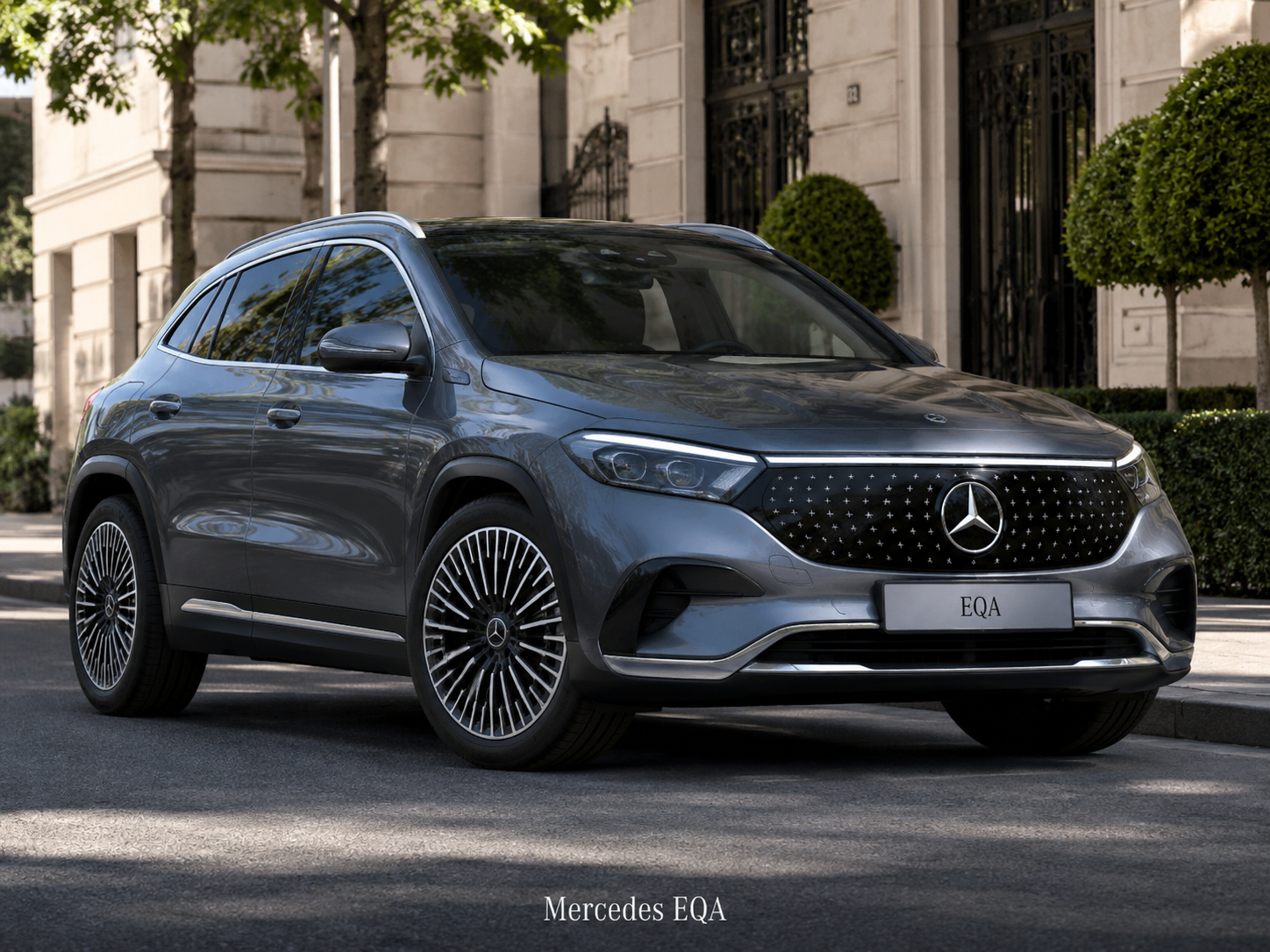
Das aktuelle Elektroangebot von Mercedes-Benz ist umfangreicher als viele Fahrer erwarten. Auf dem britischen Markt bietet Mercedes-Benz elektrische SUV- und Offroad-Modelle wie den EQA, EQB, EQE SUV, EQS SUV, Mercedes-Maybach EQS SUV, den elektrischen GLC, den elektrischen GLB und die elektrische G-Klasse an. Die EQS Limousine zählt weiterhin zu den wichtigsten elektrischen Luxusfahrzeugen der Marke. Verfügbarkeit, Ausstattung und Kaufpreis können je nach Markt, Modelljahr und Ausstattungsvariante variieren. Daher sollte sich jeder Interessent vor der Bestellung über den aktuellen Status informieren.
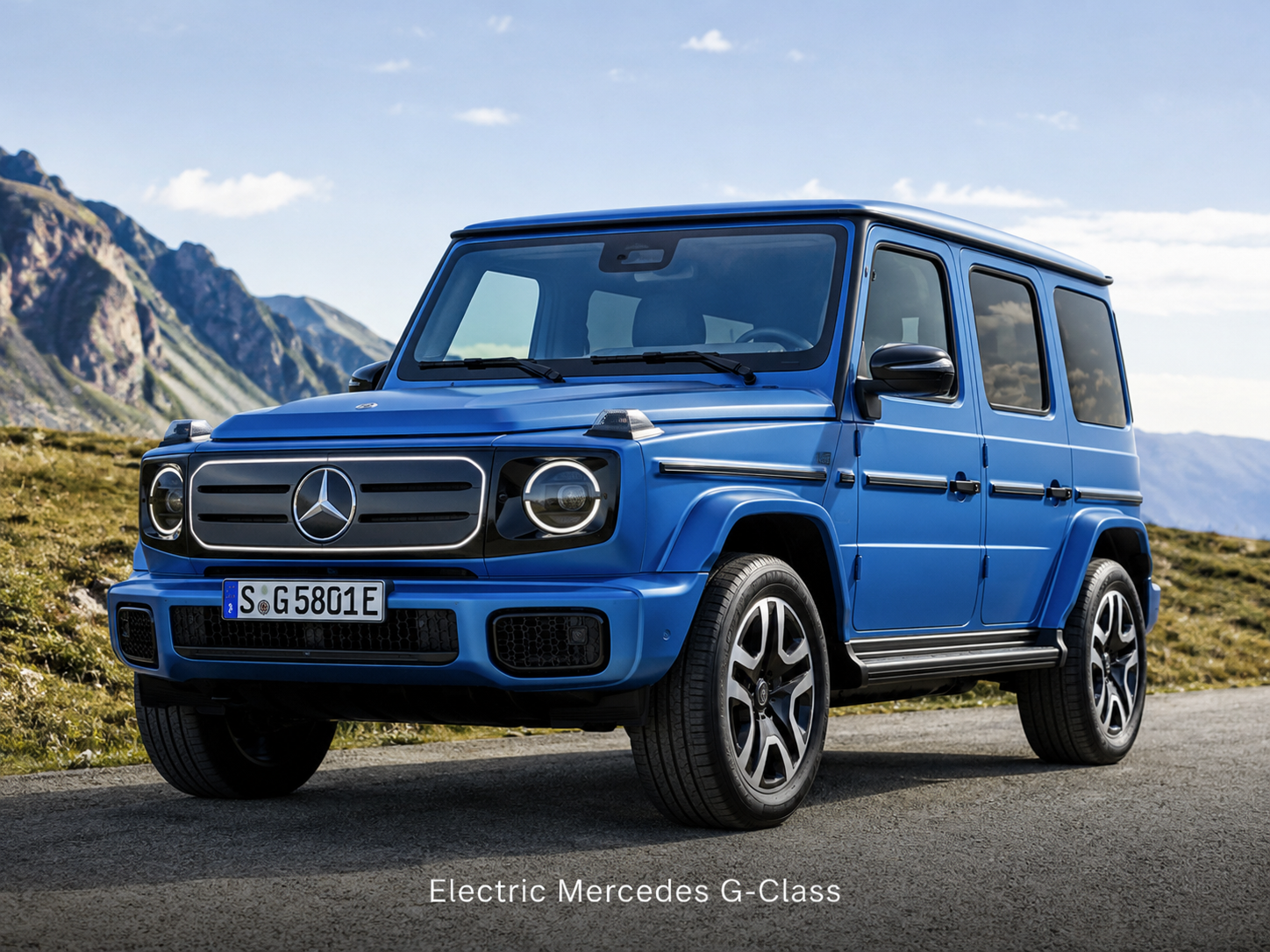
Deshalb umfasst der Begriff „Mercedes-Elektrofahrzeuge“ heute ganz unterschiedliche Fahrzeugtypen. Ein Käufer eines EQA sucht vielleicht einen kompakten SUV, der sich gut für den Arbeitsweg und die Fahrten zur Schule eignet. Ein EQB-Kunde benötigt möglicherweise mehr Sitzplätze und Flexibilität für Familien. Wer sich für einen EQS SUV interessiert, denkt in der Regel an Komfort, Reichweite, Präsenz auf der Straße und Langstreckentauglichkeit. Ein Käufer der elektrischen G-Klasse sucht wiederum etwas anderes: ikonisches Design, überzeugende Leistungsfähigkeit und das Fahrgefühl einer klassischen Mercedes-Benz Form, angetrieben von elektrischer Technologie.
Der Wandel zeigt sich auch in der Namensgebung. Mercedes-Benz verabschiedet sich von der Vorstellung, dass jedes Elektromodell eine eigene EQ-Welt bilden muss. Neuere Fahrzeuge wie der CLA mit EQ Technologie verdeutlichen, wie Elektrotechnik in bekannte Modellreihen integriert wird. Das ist wichtig für Kunden, die Mercedes-Benz Fahrzeuge schätzen, aber nicht möchten, dass sich ihr Elektrofahrzeug wie ein Nischenprodukt anfühlt.
Mercedes-Benz Elektroautos für den Alltag: EQA, EQB und Kompakt-SUVs
Für den Alltag sind die kleineren elektrischen SUVs von Mercedes-Benz möglicherweise die beste Wahl. Der EQA ist als kompakter Elektro-SUV positioniert, während der EQB mehr Praktikabilität im Innenraum bietet und sich besser für Familien eignet, die Platz, Sitzplätze und ein Fahrzeug benötigen, das den alltäglichen Anforderungen gerecht wird, ohne dabei überdimensioniert zu wirken.
Hier rückt bei den Elektroautos von Mercedes-Benz die beworbene Reichweite in den Hintergrund und die Alltagstauglichkeit in den Vordergrund. Ein Fahrer, der täglich 30 bis 65 Kilometer zurücklegt, benötigt möglicherweise nicht die größte Batterie der Modellreihe. Entscheidender ist, ob das Auto zuverlässig über Nacht geladen werden kann, ob öffentliche Ladestationen bei geänderten Plänen leicht zugänglich sind und ob die Fahrzeuggröße zu Parkplätzen, Schulstraßen, dem Arbeitsweg und Wochenendausflügen passt.
Der EQA und der EQB positionieren sich im erschwinglicheren Segment der Mercedes-Benz Elektrofahrzeuge, wobei „erschwinglich“ stets im Premiumsegment zu verstehen ist. Der Kaufpreis eines Mercedes-Benz ist nach wie vor beträchtlich, insbesondere im Vergleich zu einigen gängigen Elektroautos. Die Betriebskosten lassen sich jedoch besser planen, wenn der Besitzer eine Heimladestation nutzt, nach Möglichkeit Strom außerhalb der Spitzenzeiten verwendet und nicht vollständig auf teure öffentliche Schnellladestationen angewiesen ist.
Für viele Kunden ist dies die ausgewogenste Form des Besitzes eines Mercedes-Benz Elektrofahrzeugs: erstklassige Verarbeitungsqualität, Alltagskomfort, nützliche Reichweite und ein Ladevorgang, der keine ständige Planung erfordert.
EQE, EQS und EQS SUV: Elektrischer Mercedes-Benz Luxus für längere Reisen
Bei den größeren elektrischen Mercedes-Benz Modellen stehen Komfort, Laufruhe und souveränes Langstreckenfahren im Mittelpunkt. EQE, EQS und EQS SUV sind nicht einfach nur elektrische Alternativen zu Benzin- oder Dieselfahrzeugen. Sie demonstrieren, wie Elektroantrieb die traditionellen Stärken von Mercedes-Benz ergänzt: Laufruhe, ruhiges Fahrverhalten, fortschrittliche Technologie im Innenraum und ein Gefühl mühelosen Reisens.
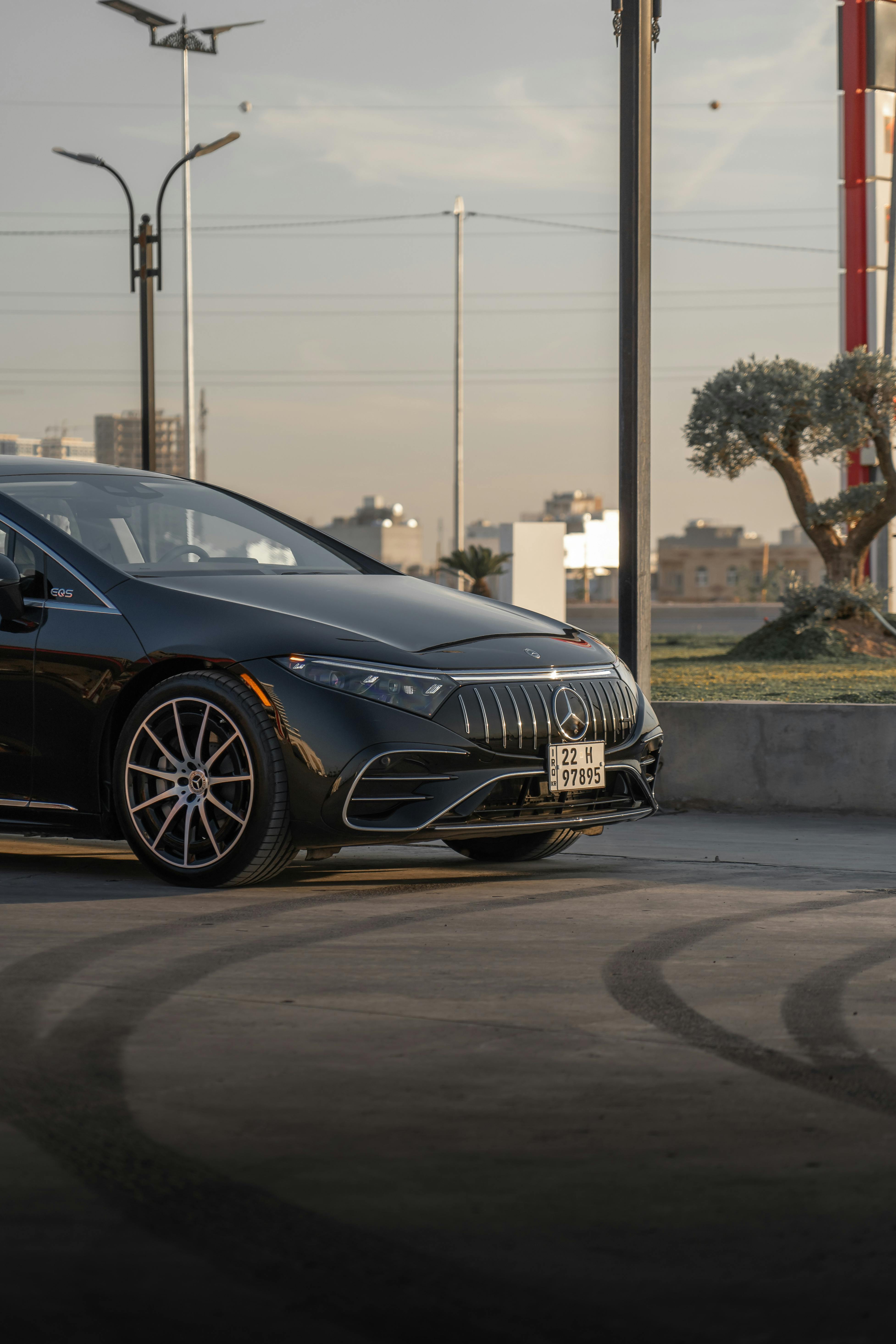
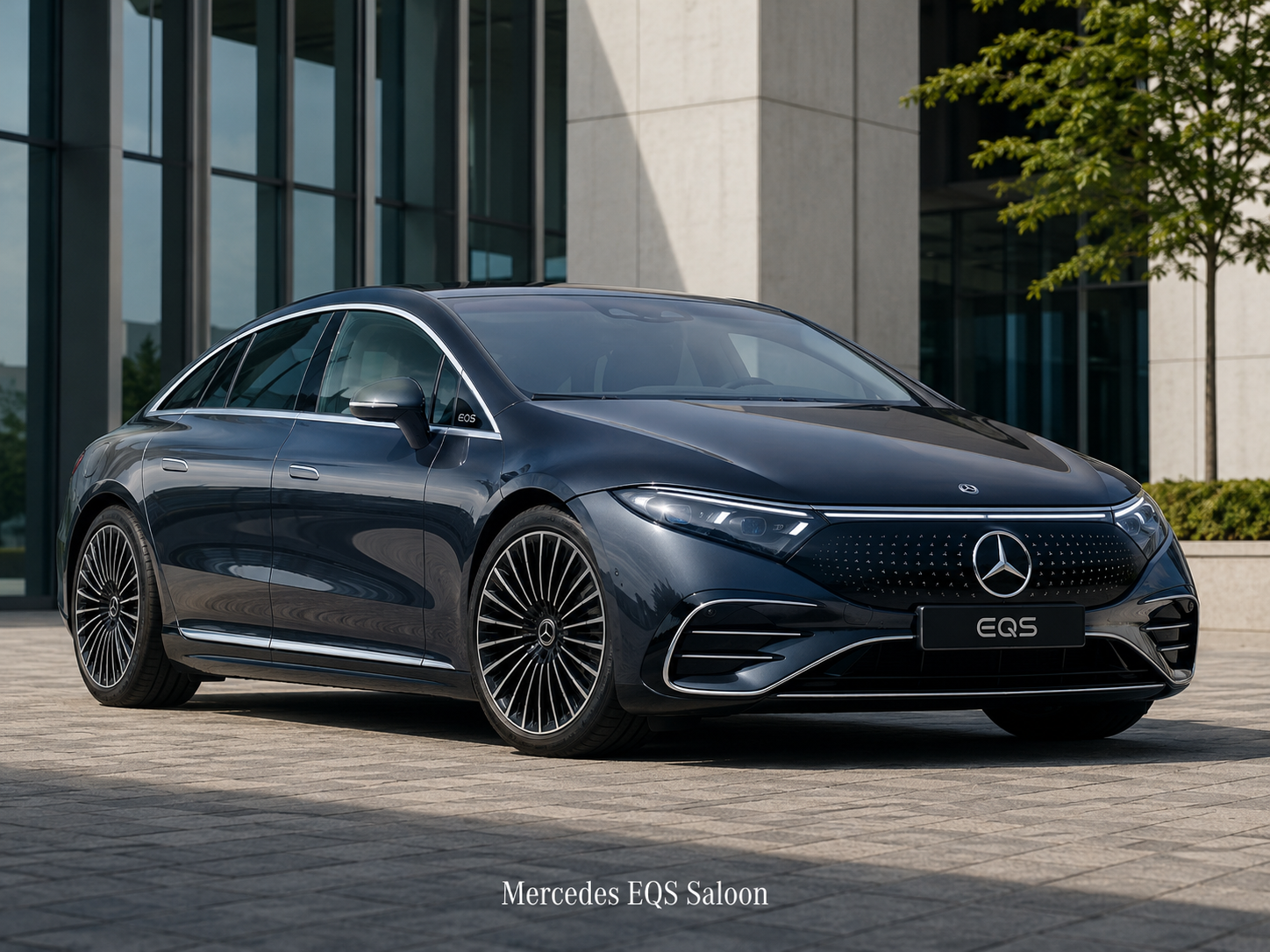
Die Mercedes-Benz EQS Limousine ist von besonderer Bedeutung. Mercedes-Benz UK beschreibt den neuen vollelektrischen EQS als Fahrzeug mit einer Reichweite von über 800 Kilometern (500 Meilen) mit einer einzigen Ladung. Unter geeigneten Schnellladebedingungen lassen sich innerhalb von 10 Minuten bis zu 320 Kilometer (199 Meilen) Reichweite nachladen. Hervorgehoben werden außerdem Ausstattungsmerkmale wie MB.OS, MBUX Hyperscreen, Steer-by-Wire-Technologie und die Möglichkeit des Schnellladens mit Gleichstrom.
Das macht den Mercedes-Benz EQS zu einem der überzeugendsten Beispiele für einen elektrischen Mercedes-Benz, der für den Einsatz im gehobenen Segment und auf langen Strecken konzipiert wurde. Er ist vom Charakter her dem … sehr ähnlich. SKlasse: leise, geräumig, digital und komfortorientiert. Der Unterschied liegt in der Kraftentfaltung. Elektromotoren liefern sofort Drehmoment, sodass sich die Beschleunigung sanft und nicht mechanisch anfühlt. Auch bei Autobahngeschwindigkeit trägt die geringe Vibrationsfreiheit des Motors zu einem ruhigen Fahrgefühl bei.
Der EQS SUV überträgt dieses Konzept auf eine größere Karosserieform. Er eignet sich für Kunden, die eine höhere Sitzposition, mehr Platz und eine stärkere Präsenz als Luxus-SUV wünschen. Bei diesen größeren Modellen gewinnt die Ladeplanung an Bedeutung. Größere Batterien sind zwar nützlich, machen aber auch ein passendes Heimladegerät, ein zuverlässiges Mode-3-Kabel und den Zugang zu Schnellladestationen im öffentlichen Raum umso wertvoller.
CLA mit EQ-Technologie: Die neue Richtung für Mercedes-Benz Elektromobilität
Der CLA mit EQ-Technologie ist eines der deutlichsten Beispiele dafür, wohin sich die Elektrotechnik von Mercedes-Benz entwickelt. Anstatt das Elektroauto als separates Experiment zu betrachten, nutzt Mercedes-Benz neue Plattformen, neue Software und eine neue Ladearchitektur, um elektrisches Fahren normal, effizient und intelligent zu gestalten.
Die Mercedes-Benz Gruppe gibt an, dass die elektrische Variante des CLA eine WLTP-Reichweite von bis zu 792 Kilometern bietet. Dank der 800-Volt-Technologie sind unter geeigneten Bedingungen in nur 10 Minuten zusätzliche 325 Kilometer Reichweite möglich. Das Modell ist zudem mit MB.OS und der KI-gestützten MBUX-Plattform der nächsten Generation vernetzt.
Hier sollten die beeindruckendsten Ladeangaben zu Mercedes-Benz Elektrofahrzeugen mit Vorsicht betrachtet werden. Behauptungen, man könne in etwa 10 Minuten rund 320 Kilometer Reichweite hinzufügen, treffen nicht gleichermaßen auf alle älteren Mercedes-Elektromodelle zu. Sie sind vor allem für die neueste Generation hocheffizienter Hochvoltfahrzeuge relevant, insbesondere für Modelle wie den CLA mit EQ Technologie.
Für den Kunden ist die praktische Lehre einfach: Nicht jedes Elektroauto lädt gleich schnell. Ladestation, Batterietemperatur, Ladezustand, Kabel, Fahrzeugarchitektur und Ladeleistung beeinflussen das Endergebnis. Ein 320-kW- oder 350-kW-Ladegerät klingt beeindruckend, aber das Auto muss diese Leistung auch verkraften können und die Bedingungen müssen dies zulassen.
Elektrische G-Klasse: Vollelektrische Leistung ohne Verlust des G-Klasse-Charakters
Die vollelektrische G-Klasse ist aus einem anderen Grund wichtig. Sie beweist, dass Mercedes-Benz die Elektromobilität nicht auf elegante Limousinen und urbane SUVs beschränkt. Die G-Klasse hat sich schon immer von gewöhnlichen Luxusfahrzeugen abgehoben. Ihre Form, ihre Leistungsfähigkeit und ihr Status machen sie zu einem der bekanntesten Mercedes-Benz-Modelle weltweit.
Die elektrische G-Klasse verändert den Antriebsstrang, behält aber das Grundkonzept des Fahrzeugs bei. Elektromotoren eignen sich gut für Offroad-Fahrten, da sie sofortiges Drehmoment und präzise Steuerung bieten. Gleichzeitig hat ein schwerer, luxuriöser Geländewagen naturgemäß andere Energiebedürfnisse als ein kompakter Elektrowagen. Besitzer sollten Reichweite, Geländetauglichkeit, Lademöglichkeiten und die Frage, ob das Fahrzeug häufig für längere Fahrten im ländlichen Raum genutzt wird, sorgfältig abwägen.
Hier wird die Ladeausrüstung auch Teil des Besitzerlebnisses. Ein großer elektrischer SUV oder Geländewagen profitiert von einer zuverlässigen Heimladestation, da öffentliches Laden allein unpraktisch und teuer sein kann. Wird das Fahrzeug für Wochenendausflüge, Fahrten über Landstraßen oder längere Autobahnfahrten genutzt, gewinnen Schnelllademöglichkeiten und eine gute Routenplanung noch mehr an Bedeutung.
Warum sich Mercedes-Benz Elektrofahrzeuge anders anfühlen als Benzinautos
Der Umstieg von Benzin oder Diesel auf Elektroantrieb bedeutet nicht nur eine Änderung des Kraftstoffs. Er verändert das Fahrgefühl vom ersten Meter an. Mercedes-Elektrofahrzeuge liefern ihre Leistung über Elektromotoren, wodurch das Drehmoment sofort zur Verfügung steht. Es gibt kein herkömmliches Verzögerungsverhalten des Getriebes, kein ansteigendes Motorengeräusch und keine Notwendigkeit, die Leistung wie bei einem Verbrennungsmotor erst aufzubauen.
Das verleiht einem Mercedes-Benz Elektrofahrzeug einen ganz besonderen Charakter. In der Stadt fährt es sich ruhig und agil. Auf der Landstraße beschleunigt es sanft und leise. Im Stop-and-go-Verkehr gewinnt die Bremsenergierückgewinnung Energie zurück, die sonst als Wärme verloren ginge. Das Ergebnis ist nicht nur gesteigerte Leistung, sondern ein ganz neues Fahrgefühl.
Die Rekuperation ist einer der größten Vorteile des Elektrofahrens. Beim Bremsen kann der Elektromotor rückwärts arbeiten und Energie in die Batterie zurückspeisen. Dies kann die Reichweite erhöhen, insbesondere im Stadtverkehr, wo das Fahrzeug häufig bremst, anhält und wieder anfährt. Fahrer, die von Benzinern umsteigen, benötigen möglicherweise etwas Zeit zur Umstellung, doch viele genießen schnell die Kontrolle und den Fahrkomfort.
Elektrofahrzeuge haben zwar weniger bewegliche mechanische Bauteile als Benzin- und Dieselfahrzeuge, das heißt aber nicht, dass sie wartungsfrei sind. Reifen, Bremsen, Fahrwerk, Software, Kühlsysteme und der Zustand der Batterie spielen weiterhin eine Rolle. Weniger herkömmliche Motorteile können jedoch den Wartungsaufwand im Laufe der Zeit reduzieren, abhängig von Nutzung und Besitzbedingungen.
Laden eines Mercedes-Elektrofahrzeugs zu Hause, am Arbeitsplatz und unterwegs
Erst beim Laden wird das Besitzerlebnis wirklich spürbar. Ein Fahrer kann das richtige Auto, die richtige Reichweite und die richtige Ausstattung wählen, aber wenn das Laden umständlich ist, wird sich das Fahrzeug im Alltag schwieriger anfühlen, als es eigentlich sein sollte.
Für die meisten Autobesitzer ist das Laden zu Hause am einfachsten. Das Auto wird über Nacht geparkt, an ein geeignetes Ladegerät angeschlossen und ist morgens einsatzbereit. Das ist besonders praktisch für alle, die unter der Woche regelmäßig längere Strecken fahren. Das Laden über Nacht kann außerdem Geld sparen, wenn Stromtarife außerhalb der Spitzenzeiten verfügbar sind. Die tatsächlichen Kosten hängen jedoch vom jeweiligen Energieversorger, dem Tarif und den individuellen Gegebenheiten des Haushalts ab.
Öffentliches Laden spielt eine wichtige Rolle. Es ist besonders relevant auf langen Fahrten, bei Geschäftsreisen, für Fahrer ohne eigenen Parkplatz und in Situationen, in denen die Woche nicht nach Plan verläuft. Mercedes-Benz unterstützt öffentliches Laden mit MB.CHARGE Public, das Zugang zu rund 3 Millionen Ladepunkten weltweit bietet, darunter über 70.000 in Großbritannien. Der Service ist in das MBUX Multimediasystem und die Mercedes-Benz App integriert.
Diese Integration ist nützlich, da Fahrer von Elektrofahrzeugen nicht nur eine Ladestation benötigen. Sie müssen wissen, wo sich die Ladestation befindet, ob sie verfügbar ist, wie hoch die Kosten sind, wie sie sich authentifizieren und ob der Ladestopp in ihre Route passt. Mercedes-Benz beschreibt Navigation mit Electric Intelligence zudem als ein System, das Verbrauch und Routenplanung berücksichtigt und anschließend über das Multimediasystem bei der Planung von Ladestopps hilft.
Die richtige Mercedes-Benz-Ladestation für Ihren Alltag auswählen
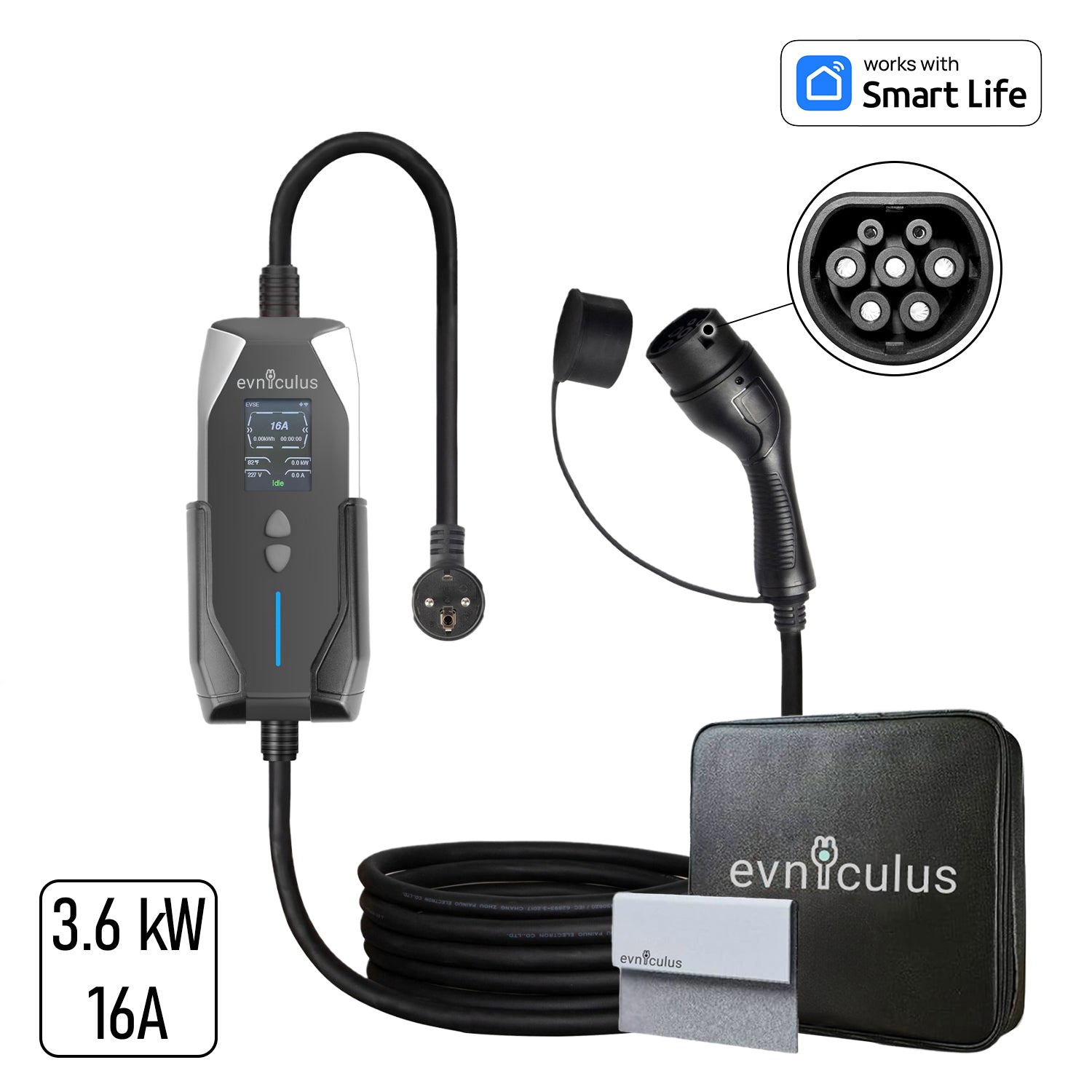
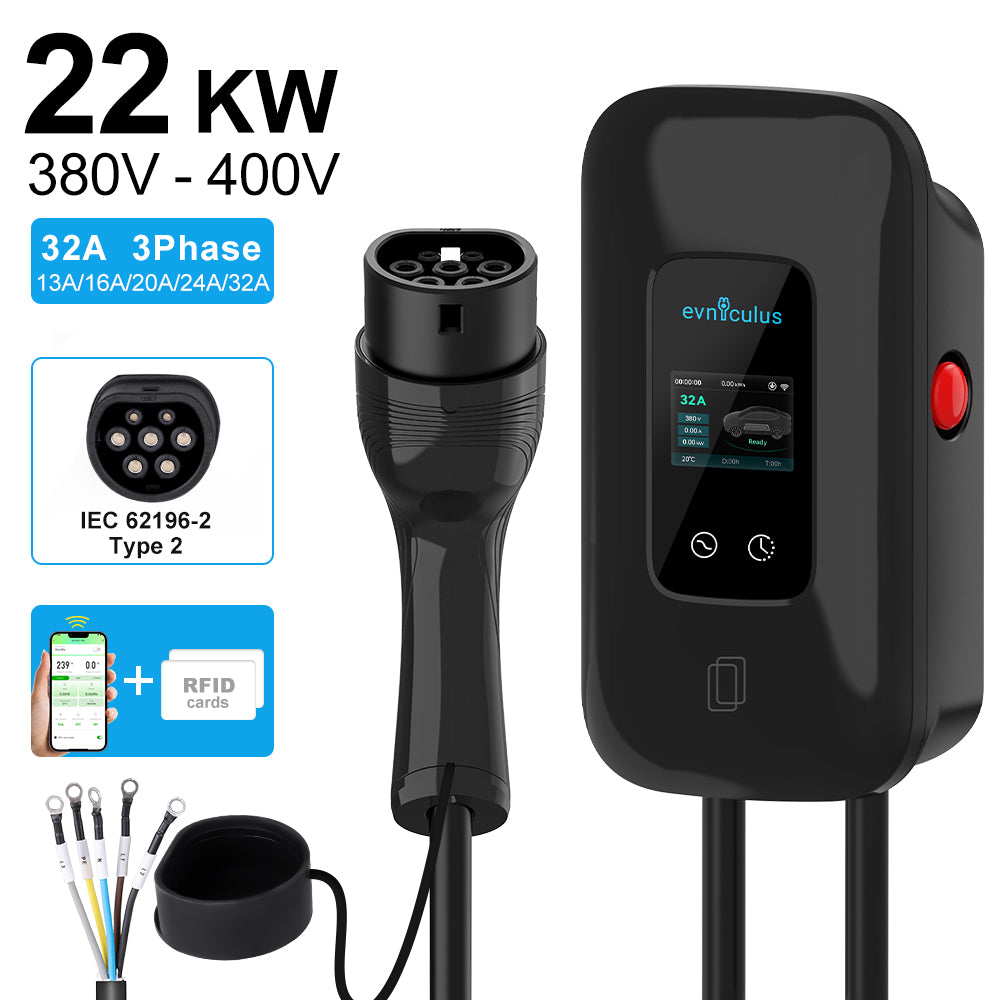
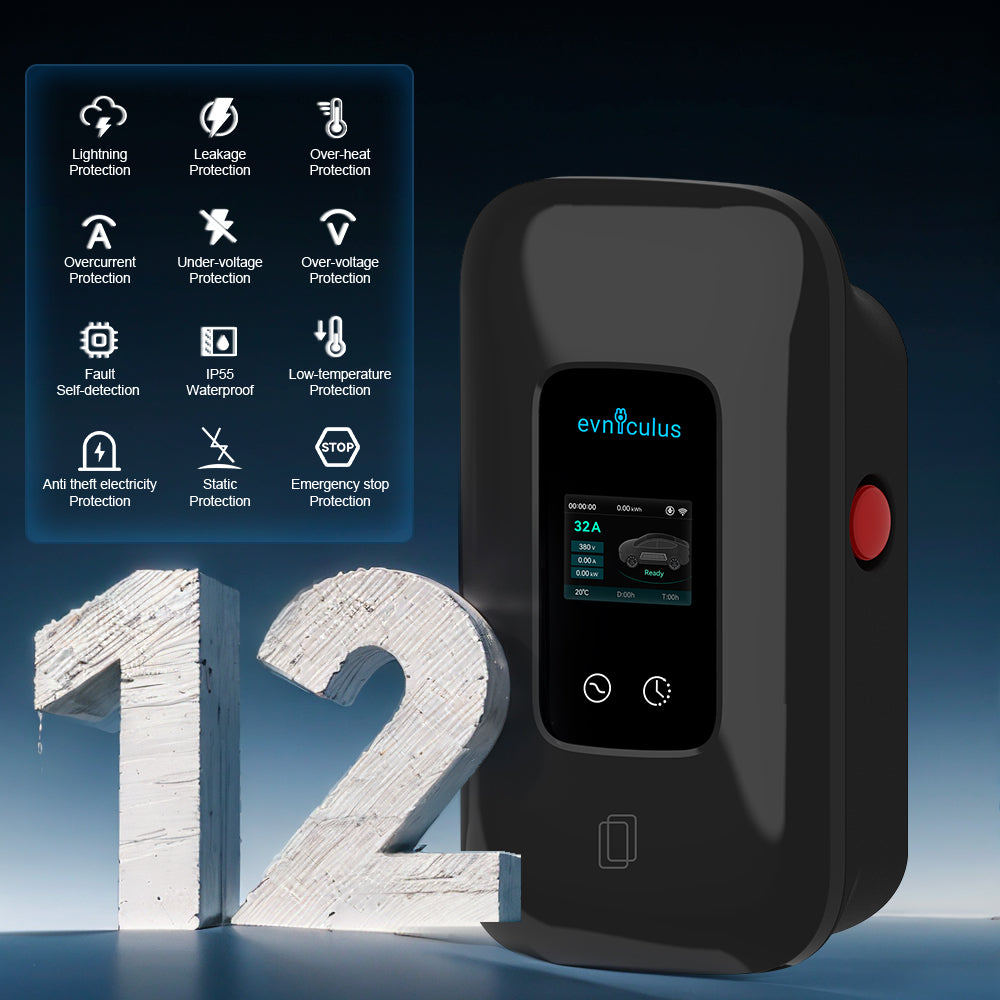
A Mercedes-Benz EV-Ladegerät Die Wahl des Akkus sollte sich nach Fahrzeug und Fahrer richten, nicht nur nach der höchsten beworbenen Leistung. Die richtige Lösung hängt davon ab, wie oft das Auto genutzt wird, wo es geparkt wird, wie viel Reichweite morgens benötigt wird und ob der Besitzer Zugang zu Drehstrom, einer Wallbox, einer Ladestation am Arbeitsplatz oder öffentlichen Ladestationen in der Nähe hat.
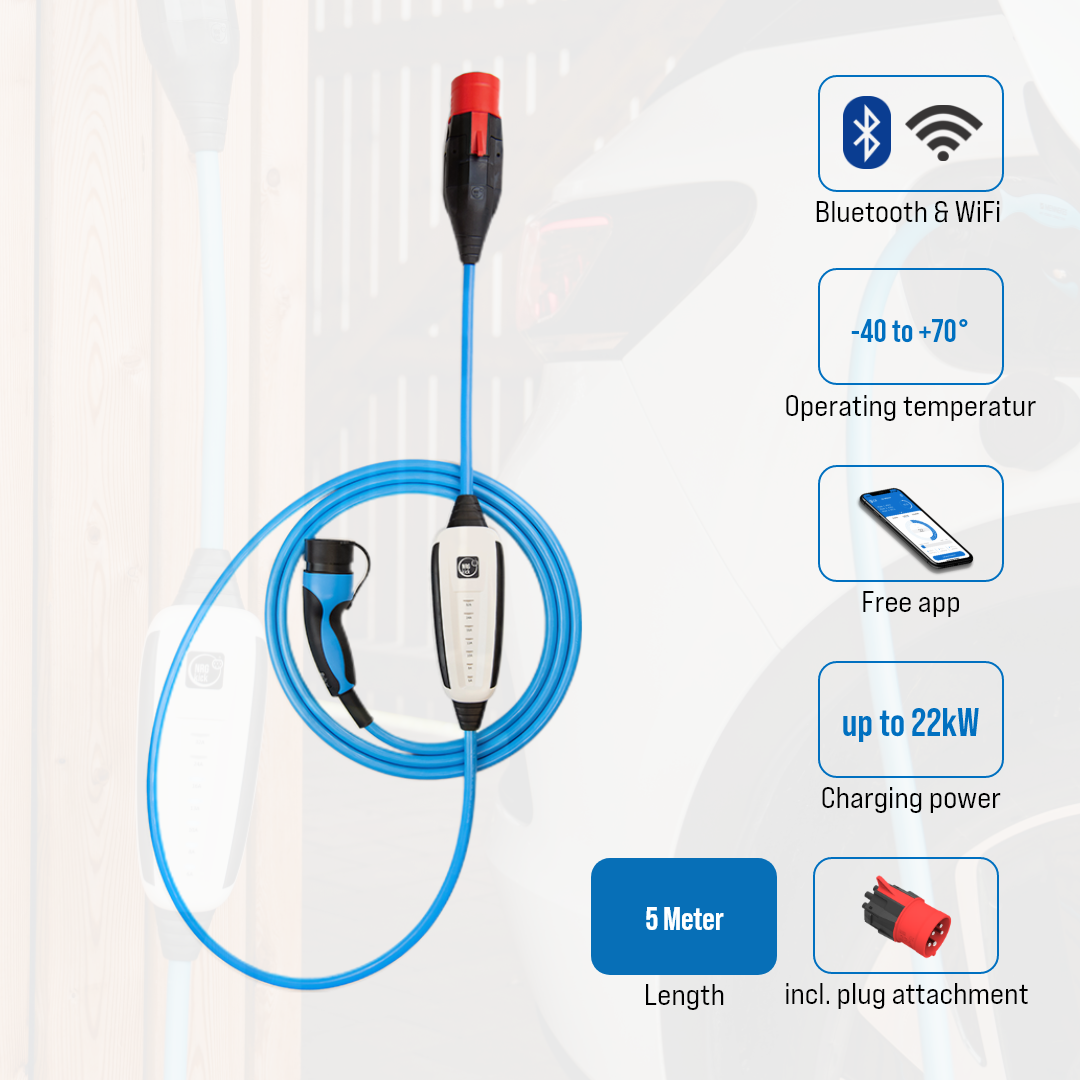
Bei vielen Mercedes-Benz Elektrofahrzeugen gehört ein Mode-3-Ladekabel für Wallboxen und öffentliche AC-Ladestationen zur Standardausstattung. Einige Modelle unterstützen 11 kW AC-Ladeleistung, während andere je nach Ausstattung und Markt eine höhere AC-Leistung bieten. DC-Schnellladen funktioniert anders: Es ist für schnellere Ladevorgänge auf längeren Fahrten ausgelegt, aber in der Regel nicht die günstigste oder batterieschonendste Art des täglichen Ladens.
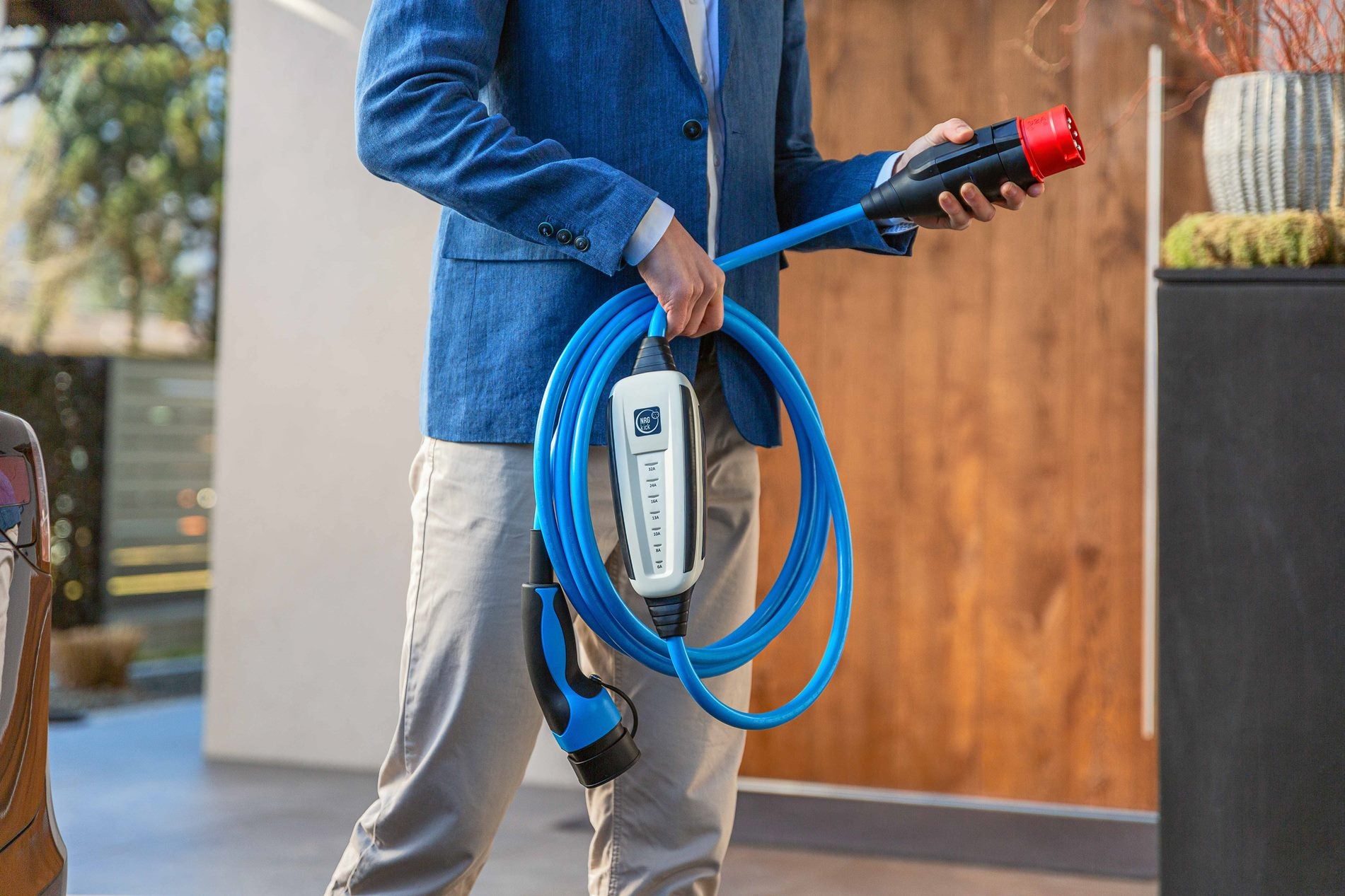
Der Kunde sollte auch auf Kabelqualität und Schutz achten. Ein Ladekabel ist kein Deko-Accessoire für den Kofferraum. Es ist ein elektrisches Funktionsgerät, das bei Regen, Dunkelheit, auf Parkplätzen, in Hotels, an öffentlichen Ladestationen und mitunter auch in beengten Verhältnissen zum Einsatz kommt. Langlebigkeit, der richtige Steckertyp, die Nennleistung und eine sichere Handhabung sind daher entscheidend.
Bei größeren Fahrzeugen wie dem EQS SUV, dem EQV oder der elektrischen G-Klasse gewinnt diszipliniertes Laden noch mehr an Bedeutung. Eine größere Batterie bietet zwar mehr Flexibilität, doch schlechte Planung kann auch zu längeren Ladezeiten führen. Eine zuverlässige Ladestation zu Hause oder am Arbeitsplatz kann ein großes, luxuriöses Elektrofahrzeug von einem anspruchsvollen zu einem planbaren Fahrzeug machen.
Öffentliches Laden, MB.CHARGE Öffentliche und Fernverkehrsplanung
Öffentliches Laden wird immer besser, funktioniert aber nach wie vor am besten mit vorausschauender Planung. Mercedes-Benz-Fahrer, die MB.CHARGE Public nutzen, haben über einen einzigen Dienst Zugriff auf ein großes Ladenetzwerk. Die Ladefunktionen sind in Fahrzeug und App integriert. Mercedes-Benz gibt an, dass Nutzer vor dem Ladevorgang den genauen Ladepreis pro Kilowattstunde oder pro Minute sowie die voraussichtlichen Kosten bis zum Erreichen eines bestimmten Ladezustands einsehen können.
Diese Kostentransparenz ist hilfreich, da die Preise für öffentliche Ladestationen stark variieren können. Der Gesamtbetrag hängt vom Betreiber, der Ladegeschwindigkeit, dem Tarif, der Ladezeit, dem Standort, den Mehrwertsteuerbestimmungen und eventuellen Gebühren ab. Schnellladen an Autobahnen ist in der Regel nicht so teuer wie ein Haushaltsstromtarif. Das ist einer der Gründe, warum viele Besitzer von Elektrofahrzeugen öffentliche Ladestationen hauptsächlich wegen ihrer Flexibilität nutzen und nicht als alleinige Energiequelle.
Bei Langstreckenfahrten mit einem Mercedes-Benz Elektrofahrzeug gehört die Routenplanung zum Erlebnis dazu. Der Fahrer sollte Reichweite, Lademöglichkeiten, Wetter, Mitfahrer, Gepäck, Geschwindigkeit und Ladezeitpunkt am Zielort berücksichtigen. Eine Postleitzahlensuche kann helfen, nahegelegene Ladestationen zu finden, besser ist es jedoch, die Route um tatsächliche Zwischenstopps herum zu planen: Wo kann man essen, wo kann man sich ausruhen, wo kann man das Auto laden, ohne dass die Fahrt zur reinen Wartezeit wird?
Sind Mercedes-Benz Elektroautos im Betrieb günstiger?
Die Antwort hängt davon ab, wie das Fahrzeug gekauft, gefahren und geladen wird. Ein hochwertiges elektrisches Mercedes-Modell kann einen höheren Anschaffungspreis haben als ein vergleichbarer Benziner. Auch Versicherung, Reifen und Wertverlust müssen berücksichtigt werden. Dennoch können die Betriebskosten attraktiv sein, wenn eine Lademöglichkeit zu Hause besteht und der Fahrer regelmäßig fährt.
Das Laden eines Elektrofahrzeugs ist oft günstiger als das Tanken eines Benziners, insbesondere wenn der Ladevorgang meist zu Hause erfolgt. Auch der Wartungsaufwand kann in manchen Bereichen geringer sein, da es weniger bewegliche Motorteile gibt. Es muss kein Benzinmotoröl gewechselt werden, es gibt keine Abgasanlage im herkömmlichen Sinne und kein konventionelles Kraftstoffsystem. Allerdings ist der Besitz eines Elektrofahrzeugs nicht kostenlos. Reifen können bei schweren Fahrzeugen mit hohem Drehmoment schneller verschleißen, und Premiumfahrzeuge benötigen nach wie vor einen hohen Wartungsstandard.
Die Gesamtbetriebskosten sind daher aussagekräftiger als der Kaufpreis allein. Autofahrer sollten den Preis des Fahrzeugs, die voraussichtlichen Energiekosten, Wartung, Versicherung, steuerliche Behandlung, Ladeausrüstung, Nutzung öffentlicher Ladestationen und den wahrscheinlichen Wiederverkaufswert vergleichen. Bei einem Firmenwagen oder einem geschäftlich genutzten Fahrzeug können die Zahlen wiederum anders aussehen.
Gebrauchte Mercedes-Benz Elektroautos können den Markt zugänglicher machen, doch Verfügbarkeit und Preise ändern sich ständig. Ältere Modelle wie EQC, EQA, EQB oder EQE mögen attraktiv erscheinen, Käufer sollten jedoch den Zustand der Batterie, den Garantiestatus, die Ladehistorie, Software-Updates, die Servicehistorie und das Vorhandensein des Ladekabels prüfen.
Sicherheit, Batterieschutz und Mercedes-Benz Elektromobilitätstechnologie
Mercedes-Benz hat sich seinen Ruf durch Komfort, Ingenieurskunst und Sicherheit erworben, daher erwarten Käufer dies selbstverständlich auch von Elektrofahrzeugen. Ein Hochvolt-Elektroauto benötigt spezielle Schutzsysteme. Batterie, Verkabelung, Kühlsystem, Crashstruktur und elektronische Überwachung müssen perfekt zusammenarbeiten, um Insassen und Fahrzeug zu schützen.
Deshalb sollte die Batteriesicherheit nicht auf eine einzige Kennzahl reduziert werden. Die Reichweite ist wichtig, aber ebenso entscheidend ist, wie das Fahrzeug Wärmeentwicklung, Ladevorgang, Aufprallschutz und Energiefluss handhabt. Ein gut konzipiertes Elektrofahrzeug überwacht sich permanent selbst. Im Falle eines schweren Unfalls sind Hochvoltsysteme so ausgelegt, dass sie das Risiko minimieren, indem sie elektrische Komponenten bei Bedarf isolieren.
Die Sicherheitsbewertungen variieren je nach Modell und Baujahr. Kunden sollten daher das jeweilige Fahrzeug, für das sie sich interessieren, genau prüfen. Der EQC beispielsweise erreichte früher fünf Sterne im Euro NCAP-Crashtest. Ältere Crashtestergebnisse sollten jedoch im Kontext ihres Testjahres und ihres aktuellen Bewertungsstatus betrachtet werden.
Für Autobesitzer im Alltag gehört auch das richtige Ladeverhalten zur Sicherheit. Die Kabel sollten die richtige Nennleistung haben, die Stecker möglichst sauber und trocken gehalten werden und beschädigte Geräte dürfen nicht verwendet werden. Ein hochwertiges Ladegerät und Kabel schützen nicht nur das Fahrzeug, sondern auch die Hauselektrik und sorgen für ein beruhigendes Gefühl.
Welches Mercedes-Elektrofahrzeug passt zu Ihrem Lebensstil?
Das beste Mercedes-Benz Elektrofahrzeug ist nicht immer das teuerste. Es ist das Modell, das am besten zum Alltag des Fahrers passt.
Für den Stadtverkehr und kurze Tagesfahrten reicht oft ein kompakter SUV wie der EQA aus. Er ist leichter zu parken, einfacher zu handhaben und eignet sich besser für Fahrer, die ein hochwertiges Elektroauto suchen, ohne gleich ein sehr großes Fahrzeug zu kaufen. Für Familien sind der EQB oder der EQE SUV möglicherweise die bessere Wahl, da Platzangebot, Sitzplätze und Alltagstauglichkeit hier eine wichtige Rolle spielen.
Für Geschäftsreisen bieten EQE und EQS ein besonders komfortables Erlebnis. Die EQS Limousine ist das ideale Modell für alle, die Wert auf ruhigen Luxus, hohe Reichweite und einen Innenraum legen, der eher einer digitalen Lounge als einer herkömmlichen Limousine gleicht. Der EQS SUV ist perfekt für Fahrer, die diesen Luxus in einem größeren, höhergelegten Fahrzeug wünschen.
Die elektrische G-Klasse richtet sich an eine ganz andere Kundengruppe. Sie ist nicht die rationale Wahl zum Geldsparen, wie es beispielsweise bei kleineren Elektrofahrzeugen der Fall sein mag. Sie ist ein Statement-Fahrzeug: kraftvoll, ikonisch und unverwechselbar. Doch auch dieses Modell ist auf praktisches Laden angewiesen. Egal wie fortschrittlich das Auto ist, die Nutzung wird einfacher, wenn der Ladevorgang klar geregelt ist.
Kunden sollten auch an die Zukunft denken. Wird der Haushalt ein zweites Elektrofahrzeug anschaffen? Wird es Lademöglichkeiten am Arbeitsplatz geben? Wird das Auto für Reisen innerhalb Europas genutzt? Benötigt der Fahrer ein Abonnement für öffentliche Ladestationen, ein leistungsstärkeres Heimladegerät oder eine mobile Notstromversorgung? Diese Fragen sind oft hilfreicher als die einfache Frage nach dem Modell mit der größten Batterie.
Mercedes-Elektroauto-Besitz: Was Sie vor dem Kauf prüfen sollten
Vor dem Kauf eines Mercedes-Benz Elektrofahrzeugs ist es ratsam, die Fahrzeugentscheidung von der Ladeentscheidung zu trennen. Der Autoverkäufer konzentriert sich möglicherweise auf Modell, Ausstattung, Finanzierungspaket und Liefertermin. Der Ladespezialist hingegen fokussiert sich auf die Zeit nach der Fahrzeugübergabe.
Wird das Fahrzeug finanziert, sollten Sie Kaufpreis, Kreditbedingungen, Gesamtbetrag, Anzahlung, Schlussrate, Gebührenstruktur und Mehrwertsteuerbehandlung prüfen. Bei der Inanspruchnahme einer Kreditvermittlung sollte der Käufer die Referenznummer des Verkäufers, die Zulassung und Regulierung der Tätigkeit sowie die Bonitätsprüfung und die Zusammenarbeit mit zugelassenen Kreditgebern überprüfen. Nichts davon sollte als selbstverständlich angesehen werden. Alle Details müssen vor Vertragsunterzeichnung geklärt sein.
Die Ladeausrüstung ist ein separates Thema. Prüfen Sie den Fahrzeuganschluss, die maximale Wechselstrom-Ladeleistung, die Gleichstrom-Schnellladefähigkeit, den Kabeltyp, die Stromkapazität zu Hause und die Installationsanforderungen. Bei einem Firmenwagen muss der Arbeitgeber außerdem festlegen, wer die Kosten für das Laden zu Hause übernimmt, wie die Stromkosten erfasst werden und ob das Laden am Arbeitsplatz abgedeckt ist.
Die einfachste Regel lautet: Kaufen Sie das Auto passend zu Ihren tatsächlichen Fahrgewohnheiten und wählen Sie das Ladegerät entsprechend. Ein Mercedes-Benz Elektroauto für kurze tägliche Fahrten benötigt eine andere Konfiguration als ein EQS SUV für Geschäftsreisen oder eine G-Klasse Elektro für Wochenendausflüge.
Mercedes-Benz Elektrofahrzeuge und intelligentes Laden
Die Elektrofahrzeuge von Mercedes-Benz decken mittlerweile einen Großteil des Premiumsegments ab – von kompakten SUVs über Luxuslimousinen und Familienfahrzeuge bis hin zu elektrischen Offroad-Ikonen. Diese Vielfalt ist ein Vorteil für die Kunden, bedeutet aber auch, dass die Auswahl komplexer geworden ist. Reichweite, Leistung, Sitzplätze, Ladegeschwindigkeit, Kaufpreis und langfristige Kosten spielen dabei eine entscheidende Rolle.
Das beste Fahrerlebnis entsteht, wenn Fahrzeug und Ladelösung optimal aufeinander abgestimmt sind. Ein schnelles, leises und leistungsstarkes Mercedes-Elektrofahrzeug sollte nicht durch das falsche Kabel, eine ungeeignete Ladestation oder unzureichende öffentliche Ladeinfrastruktur eingeschränkt werden. Das Auto mag zwar hochentwickelt sein, doch der Alltagskomfort hängt nach wie vor davon ab, dass einfache Dinge reibungslos funktionieren.
Für alle, die sich für ein Elektrofahrzeug von Mercedes interessieren, stellt sich nicht mehr die Frage, ob die Marke ein überzeugendes Elektroauto bauen kann. Das kann sie ganz offensichtlich. Die wichtigere Frage ist, welches Modell am besten zu Ihrem Leben passt und welche Ladelösung dafür sorgt, dass sich dieses Modell im Alltag mühelos nutzen lässt.
Erwähnte Mercedes-Elektrofahrzeuge
- Mercedes EQA
- Mercedes EQB
- Mercedes EQE Limousine / SUV
- Mercedes EQS Limousine / SUV / Maybach
- Mercedes-Benz
- Mercedes A250e
- Mercedes C300e / C300de
- Mercedes GLC300e / GLC400e
- Mercedes GLE350de
- Mercedes S580e