Обновлено 25.11.2025
Бывало ли так, что вы подъезжали к зарядной станции и обнаруживали, что она не работает с вашей машиной? Мы понимаем, насколько это неприятно. Многие владельцы электромобилей сталкиваются с этим, потому что разные электромобили работают по разным стандартам зарядки. Вот почему... Адаптер CCS в CHAdeMO доступно — оно заполняет пробел в совместимости вашего электромобиля с зарядными устройствами, которые в противном случае были бы несовместимы.
В этой статье мы расскажем, почему необходимо использовать адаптеры для электромобилей, в чем разница между CCS и CHAdeMO, а также как эти адаптеры упрощают процесс зарядки. К концу статьи вы будете точно знать, когда и почему следует использовать адаптер, и больше не будете беспокоиться о совместимости зарядных устройств.
Зачем нужны адаптеры для зарядки электромобилей?
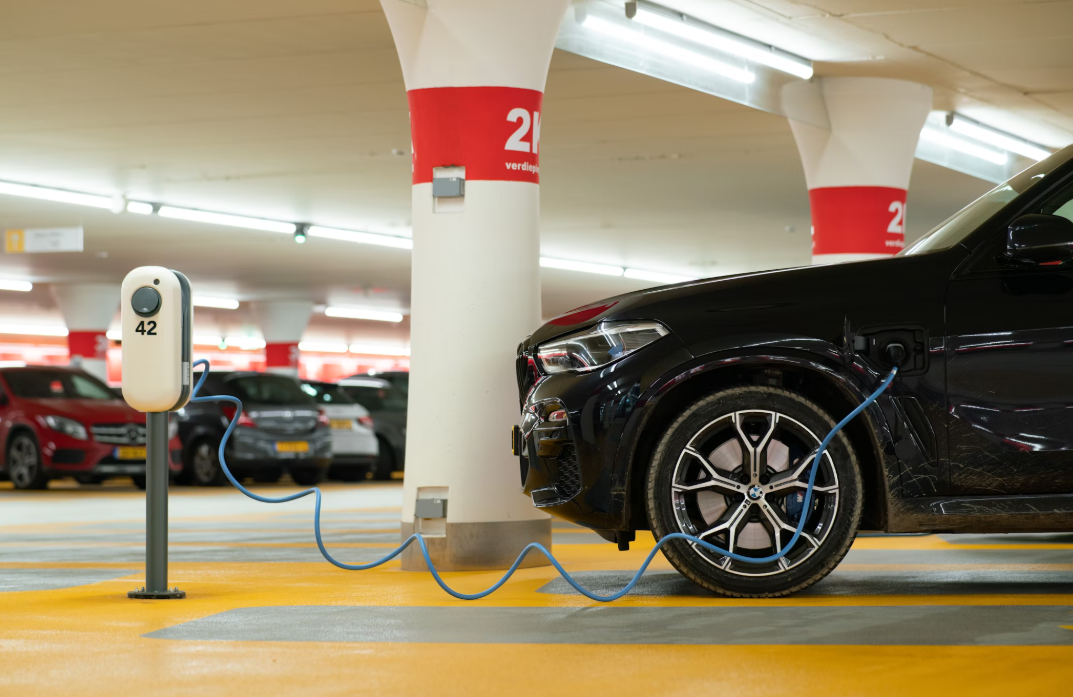
Электромобили набирают обороты, но главной проблемой остается совместимость зарядных устройств. Не все электромобили имеют одинаковые разъемы, что может создавать проблемы при поиске подходящей зарядной станции. Решением могут стать адаптеры.
В разных странах и у разных автопроизводителей используются разные стандарты зарядных устройств, такие как CCS и CHAdeMO. Некоторые зарядные устройства могут работать с несколькими типами разъемов, но большинство — только с одним. Если доступное зарядное устройство не подходит для вашего электромобиля, вы не сможете его зарядить, если у вас нет соответствующего адаптера.
Адаптер CCS-CHAdeMO позволяет владельцам электромобилей заряжать свои автомобили на еще большем количестве станций, что делает процесс более удобным и снижает беспокойство по поводу разрядки аккумулятора.
Что такое комбинированная система зарядки (CCS)?
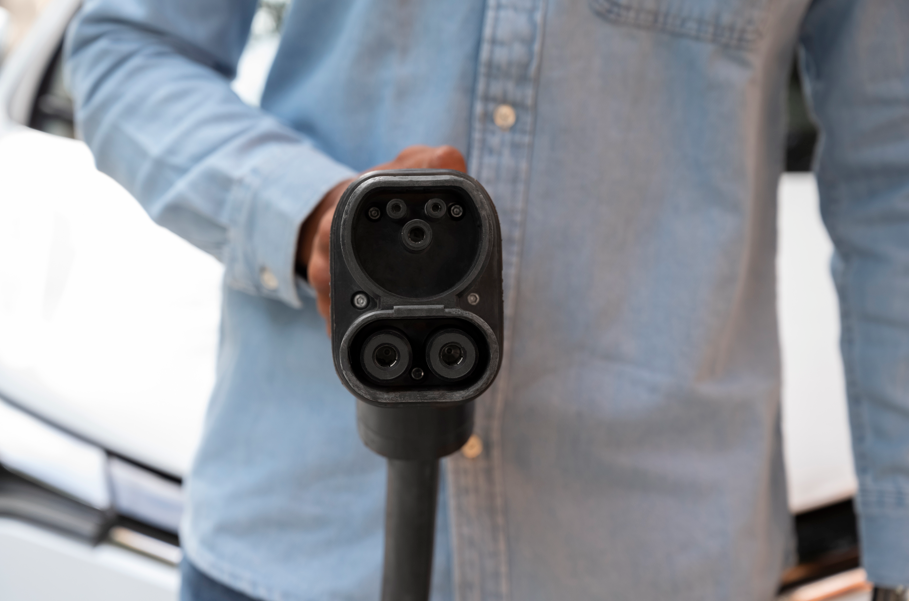
Комбинированная система зарядки, также известная как CCS, — это популярный стандарт быстрой зарядки электромобилей. CCS поддерживает как медленную (переменный ток), так и быструю (постоянный ток), что делает её универсальным решением для большинства владельцев электромобилей. CCS Существует в двух форматах: CCS1 (в основном используется в Северной Америке) и CCS2 (в основном используется в Европе и остальном мире).
Одним из главных преимуществ CCS является возможность использования для зарядки высокой мощности, что обеспечивает быструю зарядку электромобилей. Большинство новых электромобилей от таких марок, как Volkswagen, Ford, BMW и Hyundai, предпочитают использовать CCS в качестве интерфейса зарядки. Однако, если зарядная станция поддерживает только CHAdeMO, пользователям CCS может потребоваться адаптер для подключения своего автомобиля.
Что такое CHAdeMO?
CHAdeMO — это ещё один стандарт быстрой зарядки постоянным током, первоначально разработанный в Японии. Многие автомобили Nissan, Mitsubishi и более старые модели Kia используют его. Однако, в отличие от CCS, CHAdeMO использует специализированный зарядный порт, а не встраивает его в розетку переменного тока.
Одно из главных преимуществ CHAdeMO — это возможность двунаправленной зарядки, то есть она может как заряжать электромобиль, так и передавать энергию обратно в сеть или в домашнюю аккумуляторную систему. Однако, по мере того как все больше автопроизводителей переходят на CCS, станции CHAdeMO становятся все менее распространенными в некоторых регионах. Именно здесь на помощь приходит адаптер CCS-CHAdeMO, позволяющий заряжать автомобили с поддержкой CCS на станциях CHAdeMO.
CCS против CHAdeMO: ключевые различия и совместимость.
CCS против CHAdeMO Это два разных стандарта быстрой зарядки, и они не взаимозаменяемы без адаптера.
|
Характерная черта |
CCS |
CHAdeMO |
|
Скорость зарядки |
До 350 кВт |
До 400 кВт (последние версии) |
|
Тип разъема |
Интегрирован с AC/DC |
Отдельный разъем постоянного тока |
|
Часто используется |
VW, Ford, BMW, Hyundai, Tesla (Европа) |
Nissan, Mitsubishi и некоторые модели Kia |
|
Доступность |
Чаще встречается в США.Sи Европа |
Чаще встречается в Японии и среди более старых моделей электромобилей. |
|
Двунаправленная зарядка |
Ограниченный |
Поддерживается |
Обе системы обеспечивают быструю зарядку, но их конструкция различна, поэтому прямая совместимость является проблемой. Именно поэтому владельцам электромобилей обычно требуется адаптер для сопряжения между двумя стандартами.
Что такое адаптер CCS-CHAdeMO?
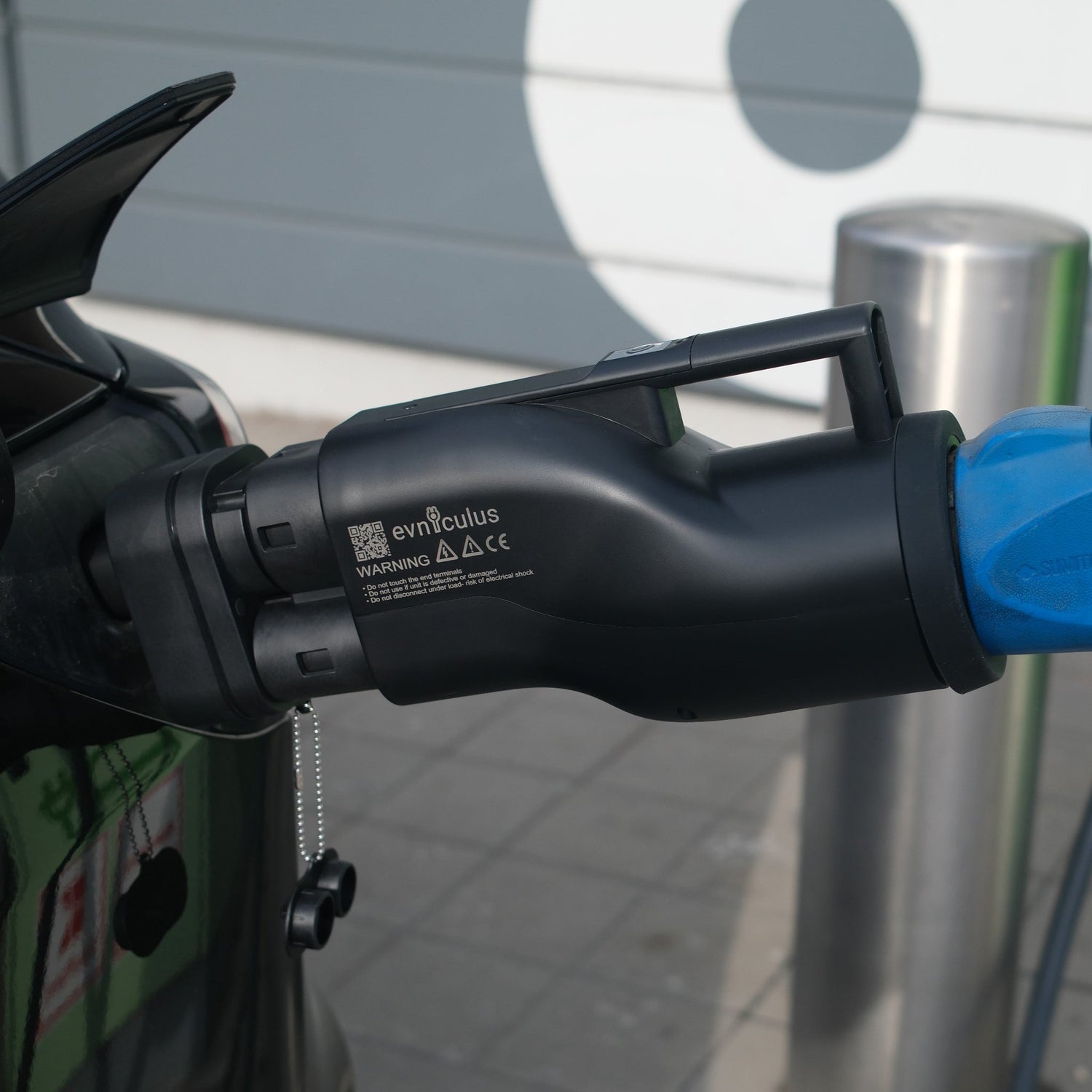
Адаптер CCS-CHAdeMO — это специализированное устройство, позволяющее электромобилям, оснащенным зарядным портом CHAdeMO (например, Nissan Leaf), заряжаться на зарядных станциях, использующих стандарт CCS, в частности CCS2, который в настоящее время является доминирующим стандартом быстрой зарядки в Европе и многих других регионах.
Многие владельцы электромобилей полагаются на этот адаптер во время поездок, особенно в районах, где зарядные устройства CCS более распространены. Это полезный инструмент, расширяющий возможности зарядки и избавляющий от беспокойства по поводу поиска совместимой станции.
Как работает адаптер
Адаптер подключается к зарядной станции CCS и изменяет поток энергии для совместимости с автомобилем CHAdeMO. Он преобразует сигналы связи между двумя системами, обеспечивая безопасную и эффективную зарядку. Некоторые адаптеры могут иметь встроенные системы охлаждения для работы с высокими уровнями мощности.
Когда и зачем использовать адаптер CCS-CHAdeMO?
Вам может понадобиться адаптер CCS-CHAdeMO, если:
- У вас есть электромобиль, совместимый с CHAdeMO, но вы замечаете увеличение количества зарядных устройств CCS.
- Вы много путешествуете и хотели бы иметь доступ к как можно большему количеству зарядных станций.
- У вас есть электромобиль, поддерживающий зарядку CHAdeMO, и вы хотите зарядить его на зарядной станции CCS.
Наличие адаптера снижает ограничения на возможность зарядки, позволяя людям легко владеть электромобилем. Это также дает возможность использовать максимально возможное количество быстрых зарядных устройств в любом месте.
Как выбрать подходящий адаптер CCS-CHAdeMO для электромобиля?
Если вы уже какое-то время ездите на электромобиле, вы знаете, что зарядка не всегда осуществляется по принципу «подключи и работай». Правильный способ — это зарядка. Адаптер CCS-Chademo может превратить неудобную остановку в удобную подзарядку, но выбор подходящего кабеля после обновления может показаться сродни гаданию, какой кабель подойдет к вашему телефону.
Дело не только в совпадении формы вилки. Хороший адаптер обеспечивает связь между двумя совершенно разными системами и гарантирует безопасную передачу тока. Неправильный? Он может заряжать медленнее, перегреваться или выходить из строя посреди сеанса. После многолетнего опыта использования нескольких адаптеров стало ясно: разница между хорошим и отличным адаптером — это спокойствие и уверенность.
Вопросы совместимости и безопасности
Перед покупкой чего-либо адаптер ChademoПроверьте, что именно поддерживает ваш автомобиль. Два устройства могут выглядеть одинаково, но их внутренняя проводка и программное обеспечение могут работать по-разному. Сертифицированные модели имеют маркировку CE или UL, указывающую на то, что они прошли надлежащие электрические и тепловые испытания.
Перегрев — это незаметный враг любой зарядной системы. Хорошо спроектированный адаптер регулирует температуру, защищает от скачков напряжения и автоматически отключается, если что-то не так. Более дешевые модели иногда обходятся без этих защитных мер, и именно здесь начинаются проблемы.
Некоторые адаптеры даже позволяют обновлять прошивку. Звучит незначительно, но это означает, что устройство останется совместимым по мере появления новых зарядных станций по всей Европе. Это та функция, о которой не задумываешься, пока она тебя не выручит.
Практичные функции для повседневного использования
Если вы сравниваете модели CCS и Chademo, меньше думайте о технических характеристиках и больше о жизни в дороге. Путешественнику, который за неделю проезжает через три разных климата, нужно что-то легкое, защищенное от пыли и дождя и достаточно простое в использовании в темноте одной рукой.
Несколько дополнительных деталей имеют значение: короткий дисплей, показывающий напряжение, зажим для фиксации кабеля или даже небольшой вентилятор для охлаждения во время зарядки летом. Это тот тип продуманного дизайна, который замечаешь после нескольких тысяч километров пробега.
Для тех, кто часто ездит через границы, универсальный адаптер, совместимый как с зарядными устройствами CCS1, так и с CCS2, станет выгодным приобретением. Он экономит место в багажнике и избавляет от необходимости возить с собой множество кабелей «на всякий случай».
Цена и долгосрочная надежность
Есть причина, по которой опытные водители электромобилей редко выбирают самый дешевый вариант. Надежный ccs to chademo Адаптер изначально стоит дороже, но зато служит долго. Он изготовлен из качественных материалов, имеет герметичные соединения и надежные разъемы, которые не разболтаются после нескольких месяцев использования.
Представьте, что вы покупаете хорошую пару обуви для путешествия: как только вы найдете подходящий размер, она будет работать всегда безотказно. Известные бренды обычно предоставляют на свои адаптеры надлежащую гарантию, и за такую уверенность стоит заплатить.
В конечном итоге, вы запомните именно надежность. Вы не будете думать о мощности или напряжении, а только о том тихом моменте, когда вы подключаете устройство, слышите щелчок зарядного устройства и понимаете, что оно готово к работе.