
Un MINI eléctrico pequeño no se juzga solo por la rapidez con la que arranca en un cruce. Se juzga por lo bien que se adapta a una semana normal: llevar a los niños al colegio, ir al trabajo, aparcar en un sitio estrecho, una mañana de invierno con la calefacción puesta y la decisión de cargarlo esta noche o esperar hasta mañana.
El MINI Cooper SE Conserva la esencia de MINI: carrocería compacta, dirección ágil, confianza en el diseño y esa actitud de kart que los conductores esperan de un Mini Cooper. Sin embargo, la experiencia de uso es diferente a la del modelo de gasolina. El MINI Cooper SE eléctrico es más silencioso, suave y requiere mayor atención a la carga, la batería y la planificación de la autonomía en condiciones reales. Sigue siendo un Mini eléctrico con personalidad propia, más que una gran practicidad, pero la nueva generación es mucho más atractiva que la anterior.
Como un compacto deportivo, el Cooper SE se entiende mejor como un Mini Cooper eléctrico para el día a día, ideal para quienes buscan un coche pequeño y divertido de conducir, no como un vehículo eléctrico familiar para largas distancias. Los asientos delanteros son lo más destacado. Los traseros se usan ocasionalmente. El maletero es práctico, pero pequeño. La batería ahora tiene capacidad suficiente para los desplazamientos diarios y el uso de fin de semana, siempre que el propietario cuente con un sistema de carga adecuado.
La sensación de conducir un kart reinventada: autonomía y precio de venta sugerido del MINI Cooper SE eléctrico.
El cambio más significativo en el nuevo MINI Cooper Electric no reside en su diseño, sino en su batería. El Cooper E, la versión básica, utiliza una batería más pequeña, mientras que el Cooper SE incorpora una batería de mayor capacidad y un motor más potente. MINI UK anuncia que el Cooper E ofrece 184 CV, una autonomía de entre 288 y 309 km (WLTP) y una batería de 40,7 kWh, mientras que el Cooper SE alcanza los 218 CV, una autonomía de entre 385 y 400 km (WLTP) y una batería de 54,2 kWh. Según los mismos datos de MINI, el Cooper SE acelera de 0 a 100 km/h en 6,7 segundos, admite carga en CA de 11 kW y carga en CC de hasta 95 kW.
Ese rango oficial no debe interpretarse como una promesa para todos los días. Gama MINI Cooper SE Se entiende mejor si se analiza desde dos perspectivas: la autonomía declarada de aproximadamente 239–247 millas según el ciclo WLTP, y una autonomía real en condiciones de uso. Datos independientes sobre vehículos eléctricos sitúan la capacidad útil en 49,2 kWh y estiman una autonomía de alrededor de 180 millas en condiciones mixtas promedio, con resultados superiores posibles en conducción suave a baja velocidad y cifras inferiores en conducción rápida y en frío en autopista.
Para un conductor que cambia de coche, esto supone un gran paso. Los modelos MINI Cooper SE anteriores tenían una batería mucho más pequeña, de unos 32,6 kWh brutos y 28,9 kWh utilizables, con una autonomía real cercana a los 177 km. La batería más grande del nuevo modelo cambia por completo su versatilidad. Ya no se siente como un simple coche para trayectos cortos en la ciudad. Puede utilizarse para ir al trabajo, conducir en ciudad, ir a la escuela o a la oficina y algunos viajes de fin de semana, siempre que el conductor acepte que el invierno, la elección de los neumáticos, la calefacción, la lluvia, la velocidad en autopista y una respuesta brusca del acelerador reducen la autonomía eléctrica.
Los precios requieren la misma atención. El precio de venta sugerido por el fabricante (MSRP) del MINI Cooper SE 2025 depende del mercado, y en Europa o el Reino Unido, donde son más comunes los precios de venta recomendados (RRP) y los precios en carretera (OTR), "MSRP" no siempre se utilizan. MINI UK indica que la gama MINI Cooper totalmente eléctrica parte de 26.905 libras esterlinas, y el precio final varía según la versión y el equipamiento. Según los informes del mercado británico de 2025, el Cooper SE Classic rondaba las 34.620 libras esterlinas y el Exclusive las 37.370 libras esterlinas antes de las opciones, mientras que datos de precios posteriores han mostrado precios de entrada más bajos en algunas versiones.
Valor
239–247 millas para el Cooper SE, dependiendo de la versión/especificación
Alrededor de 180 millas en condiciones promedio; más en uso urbano moderado, menos en uso en autopista fría.
54,2 kWh brutos / nominales
49,2 kWh
218 hp / 160 kW
Ruedas delanteras / tracción delantera
6,7 segundos
11 kW
Hasta 95 kW
Aproximadamente 30 minutos, 10–80%
210 litros, 800 litros con los asientos traseros abatidos.
4
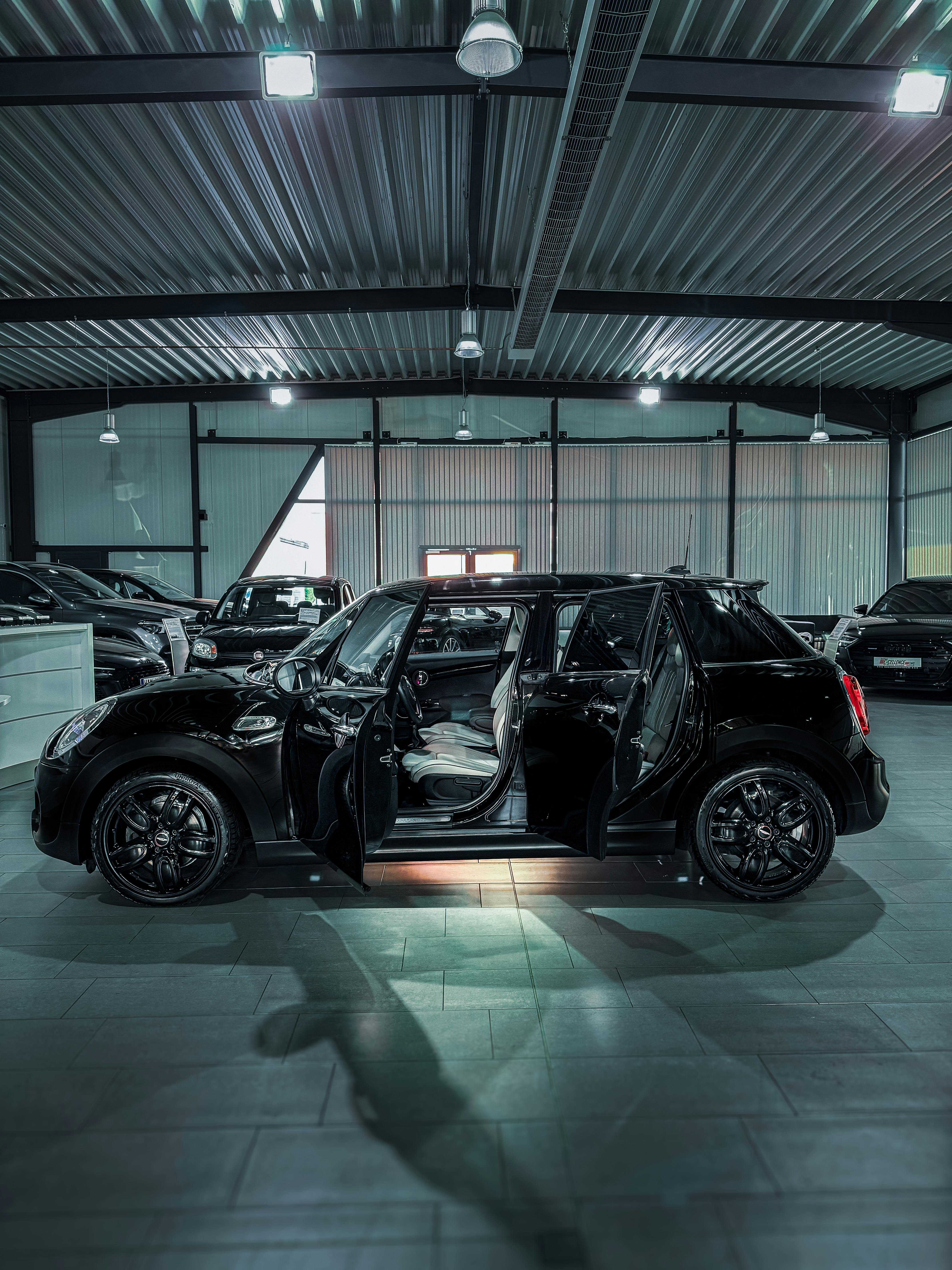
Hatchback de tres puertas
El MINI Cooper SE no es el eléctrico pequeño más racional en su rango de precio. Un MG4 ofrece más espacio interior y un Vauxhall Corsa Electric se maneja con mayor facilidad como un utilitario convencional. Un Peugeot e-208 podría estar más cerca en precio y posicionamiento centrado en el estilo. El atractivo del MINI es diferente. Es ideal para conductores urbanos, quienes se desplazan al trabajo, familias pequeñas y personas que desean que su propio coche se sienta compacto, directo y ágil a bajas velocidades. Es un buen coche para quien valora la marca MINI, el toque deportivo y la sensación de kart del nuevo Cooper por encima de la comodidad de los asientos traseros o el volumen del maletero.
Potenciando el icono: Seleccionando los mejores MINI Cooper SE Charger
El MINI Cooper SE es más práctico si se planifica la carga como parte del día a día. La mayoría de los propietarios no dejarán que la batería se descargue casi por completo para luego esperar a un cargador rápido público. La recargarán con regularidad: después de ir al trabajo, después de hacer recados, antes de un viaje de fin de semana o siempre que el coche esté aparcado durante varias horas.
Por eso es importante la carga en casa. Un cargador específico es más seguro, rápido y predecible que la carga ocasional en enchufes. Además, reduce la dependencia del coche de la infraestructura pública. La velocidad de carga depende de tres factores: el cargador integrado del MINI, el suministro eléctrico de la vivienda y el equipo de carga. Dado que el Cooper SE admite hasta 11 kW de corriente alterna, una configuración trifásica de 11 kW puede ser una buena opción si el suministro eléctrico del edificio lo permite. Con una configuración monofásica común de 7,4 kW, EV Database estima una carga completa en aproximadamente 8 horas.
El coche utiliza el conector Tipo 2 para la carga en CA y el CCS para la carga rápida en CC. Esto es importante al elegir los cables. Para los cargadores domésticos y las tomas de corriente públicas, el conector Tipo 2 es el estándar. Para la carga rápida en viajes largos, se utiliza el conector CCS. El cable de carga adecuado no es un accesorio llamativo, pero suele marcar la diferencia entre usar fácilmente un cargador en destino y tener que dejarlo sin conexión.
Para los propietarios de MINI Cooper SE que estén creando un kit de carga práctico, EVniculus ofrece cables de carga Tipo 2 adecuados y cargadores portátiles Tipo 2 que se ajustan a los requisitos de carga de CA del coche sin necesidad de incluir adaptadores específicos de Tesla en la configuración.
Eficiencia en el hogar: Soluciones de carga de CA trifásica de 11 kW
En casa, la pregunta importante no siempre es "¿cuál es la potencia máxima?", sino "¿estará el coche listo cuando lo necesite?". El Cooper SE admite hasta 11 kW de corriente alterna, pero solo si la toma de corriente y el cargador lo permiten. Un cargador de pared de 22 kW no permitirá que el MINI se cargue a 22 kW si el cargador de corriente alterna integrado del coche está limitado a 11 kW.
Para muchos propietarios, un cargador doméstico de 7 kW es suficiente. Conectarlo al 20-30% por la noche lo deja listo para la mañana siguiente. El tiempo de carga completa (0-100%) sirve como referencia, pero en la práctica suele ser del 20-80%, sobre todo para el mantenimiento de la batería y porque en la mayoría de los trayectos diarios solo se utiliza una parte de la carga.
Un cargador trifásico de 11 kW resulta más útil si el MINI es un coche propio de uso diario, si lo comparten dos conductores, si el tiempo de carga es limitado o si en el hogar se realizan recorridos frecuentes por la noche. La carga inteligente también puede ser de ayuda, ya que permite programar la sesión durante las horas de menor consumo, que son más económicas. Esto reduce los costes de funcionamiento mucho más que buscar un punto de carga rápida cada semana.
Libertad portátil: Cables de carga fiables para desplazamientos urbanos
Un coche pequeño con un maletero modesto requiere una gestión de cables ordenada. Un cable de carga USB tipo 2 a tipo 2 es la opción más práctica para los cargadores públicos de CA sin cable en hoteles, centros comerciales, parques empresariales y aparcamientos de apartamentos. Algunos cargadores incluyen cable, pero muchos no.
La longitud del cable es cuestión de preferencia personal. Cinco metros son fáciles de guardar y suelen ser suficientes para aparcar de frente o marcha atrás. Siete o diez metros ofrecen mayor flexibilidad cuando el cargador está en una posición incómoda, aunque ocupan más espacio en el maletero. Un cable en espiral puede ser útil para un coche pequeño, ya que es más fácil de manejar con mal tiempo y resulta menos engorroso de guardar.
Un cargador portátil es útil para conductores que visitan casas, talleres o lugares con enchufes industriales adecuados, pero la calidad y la seguridad son fundamentales. No es momento para improvisar. El Cooper SE, aunque pequeño, consume mucha electricidad al cargarse. Un sistema de cableado fiable facilita su uso en la ciudad.
Recomendaciones de productos adecuados:
- Cargador portátil para coches eléctricos trifásico de 11 kW — Adecuado para situaciones donde se requiere un sistema de carga portátil trifásico de tipo 2.
- Cable de carga tipo 2 a tipo 2 — el cable común para cargadores de CA públicos sin conexión.
- Cable de carga en espiral tipo 2 a tipo 2 de 5 m — útil cuando el almacenamiento compacto y la manipulación rápida son importantes.
Carga rápida: Cómo cargar rápidamente el MINI Cooper SE en carretera.
El MINI Cooper SE utiliza CCS para la carga rápida en CC. MINI indica que el Cooper SE admite hasta 95 kW de carga en CC y que la carga del 10 al 80% tarda aproximadamente 30 minutos. El Cooper E se carga a una potencia máxima inferior, de hasta 75 kW, y debido a que tiene una batería más pequeña, también ofrece menos autonomía durante la carga.
Esa cifra de media hora resulta más útil en viajes largos. Para la conducción diaria, la carga rápida no debería ser la opción predeterminada. Es más cara, depende de la fiabilidad del cargador y la sesión rara vez es tan predecible como la carga doméstica. Además, la carga rápida se ralentiza a partir del 80%, por lo que suele ser mejor salir con la batería al 75-80% y seguir conduciendo que esperar a que se complete el porcentaje final.
La autonomía que se añade depende del cargador, la temperatura de la batería, el estado de carga inicial, las condiciones climáticas y el estilo de conducción tras la parada. En invierno, una batería fría puede no recibir la máxima potencia de inmediato. En una estación de carga de autopista con mucho tráfico, el cargador también puede ofrecer menos potencia de la anunciada. Lo más sensato es planificar la carga teniendo en cuenta el tipo de conector, la velocidad de carga y la ubicación del cargador, y no solo la distancia.
Utilizado de esta forma, el nuevo Mini Cooper eléctrico se vuelve más versátil que el modelo anterior. Si bien aún no es un vehículo ideal para autopista con una batería de gran capacidad, el Cooper SE puede afrontar rutas de fin de semana que habrían resultado complicadas en la generación anterior.
Especificaciones técnicas: Peso en vacío y capacidad de la batería de 54,2 kWh.
La cifra de 54,2 kWh se refiere a la capacidad bruta o nominal de la batería. La cifra más útil para el propietario es la capacidad utilizable, que según EV Database es de 49,2 kWh. Esta distinción es importante porque la capacidad utilizable es la energía que el conductor puede extraer realmente de la batería en condiciones normales de funcionamiento.
MINI UK indica un peso en vacío de 1605 kg sin conductor y unas dimensiones de 3858 mm de largo, 1756 mm de ancho y 1460 mm de alto, con una distancia entre ejes de 2526 mm. El espacio efectivo para las piernas en la parte trasera es de 778 mm, lo que explica por qué los asientos traseros son más adecuados para trayectos cortos que para el uso diario de un adulto.
Valor
54,2 kWh brutos / nominales
49,2 kWh
218 hp / 160 kW
Tracción delantera
6,7 segundos
1.605 kg sin conductor
11 kW
Hasta 95 kW
Tipo 2 CA / CCS CC
210 litros, 800 litros con los asientos abatidos.
4
La batería se ubica en la parte baja del vehículo, lo que contribuye a mantener el centro de gravedad y favorece la respuesta característica de MINI en las curvas. MINI también destaca que la batería de iones de litio está instalada en el piso para optimizar la adherencia a la carretera, la distribución del peso, la estabilidad y la agilidad.
Hay una contrapartida. La batería, al ser más pesada, aumenta el peso, lo que puede repercutir en el desgaste de los neumáticos, sobre todo con una conducción deportiva y el par motor instantáneo que se transmite a las ruedas delanteras. A bajas velocidades, el coche se siente ágil. La respuesta de la dirección, la aceleración directa y los modos de conducción conservan parte de su carácter deportivo. El modo ecológico es ideal para la eficiencia diaria. El modo kart intensifica la emoción. La marcha es más suave y silenciosa que la de un MINI de gasolina, pero la suspensión aún puede resultar firme en carreteras en mal estado.
Innovación en el interior: la pantalla OLED de 9,4 pulgadas y la cabina sostenible.
El habitáculo es donde el nuevo MINI se diferencia más del modelo anterior. La gran pantalla OLED redonda mide 240 mm de diámetro, o aproximadamente 9,4 pulgadas, y funciona como cuadro de instrumentos y centro de infoentretenimiento. La página de experiencia digital de MINI la describe como una pantalla central de 240 mm en cristal, mientras que BMW Group confirma que la pantalla ejecuta el sistema operativo MINI 9 y se puede controlar mediante la pantalla táctil o la voz.
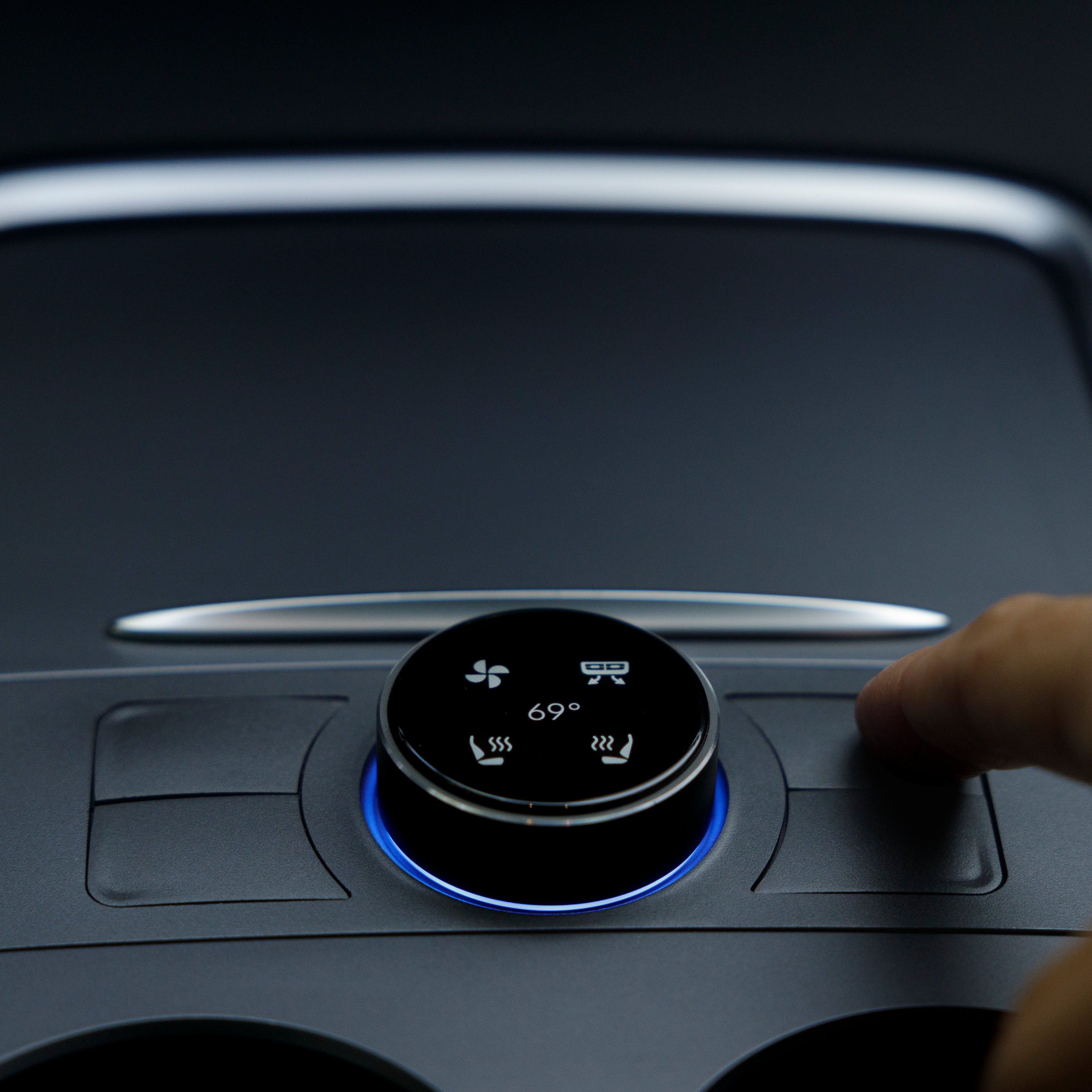
A primera vista, la disposición es sencilla: pantalla redonda, barra de interruptores, consola central compacta y un volante que ya no se ubica detrás de un cuadro de instrumentos convencional. La fila de interruptores controla funciones básicas como el freno de mano, la palanca de cambios, el botón de arranque/parada, el selector de modo de conducción y el volumen. La carga inalámbrica para teléfonos se encuentra en la consola central, gracias a la ausencia de una palanca de cambios tradicional.
Los materiales también forman parte de la transformación. BMW Group afirma que el salpicadero utiliza superficies tejidas con poliéster reciclado, y MINI Irlanda describe un moderno tejido de punto 2D en el salpicadero y las puertas, al estilo clásico. El interior resulta fresco sin pretender ser un coche más grande.
El equipamiento varía según el mercado, el acabado y el paquete. Los asientos calefactables, el volante calefactable, la pantalla de visualización frontal, el techo solar panorámico, el acceso sin llave, el control de crucero adaptativo y el sistema de sonido Harman Kardon pueden ser de serie, opcionales o depender del paquete, según las especificaciones. La pantalla de visualización frontal, por ejemplo, se describe como opcional en MINI UK. Esto es importante para los compradores que comparan el equipamiento de serie: comprueben el coche exacto, no solo la marca.
La practicidad es honesta, no generosa. Los asientos delanteros y la posición de conducción son firmes. Los asientos traseros son limitados debido a la configuración de tres puertas tipo hatchback, y el acceso a ellos nunca es tan fácil como en un vehículo eléctrico de cinco puertas. El espacio para las piernas es reducido, la instalación de sillas infantiles es menos práctica y los pasajeros adultos habituales en la parte trasera podrían desear rápidamente un coche más grande.
El maletero tiene una capacidad de 210 litros con los asientos traseros en uso y de hasta 800 litros con los asientos abatidos. Esto es suficiente para la compra, el equipo de carga, una bolsa de fin de semana o una maleta pequeña, pero no ofrece el espacio interior que las familias suelen esperar de los coches eléctricos modernos. El MINI Cooper SE es ideal para solteros, parejas, conductores urbanos y familias pequeñas que utilizan el maletero ocasionalmente, no constantemente.
Para el propietario adecuado, esto no es un defecto. Es la esencia del coche. El MINI Cooper SE ofrece un tamaño compacto, una respuesta ágil, una mayor autonomía eléctrica y un habitáculo con personalidad propia. Requiere aceptar un maletero pequeño, un acceso trasero limitado y la necesidad de una rutina de carga adecuada. Una vez comprendidas estas limitaciones, el coche cobra sentido: ágil en ciudad, más capaz que el modelo anterior y mucho más fácil de mantener si se elige correctamente la configuración de carga en casa y en los viajes.