
Mercedes EQB
El Mercedes EQB Cobra más sentido cuando dejas de verlo como un simple número en una tabla comparativa. No es el coche eléctrico más aerodinámico del mercado, ni pretende ser el SUV con la mejor maniobrabilidad. Su mayor atractivo reside en su funcionamiento silencioso y su practicidad: amplitud, flexibilidad en la configuración de los asientos, una posición de conducción elevada, el familiar estilo de Mercedes-Benz en el habitáculo y un sistema de propulsión eléctrica que se adapta perfectamente a la rutina familiar.
Para muchos compradores, el EQB se juzgará en momentos cotidianos: una mochila escolar en el maletero, un niño subiendo a la tercera fila, una carga nocturna antes de un largo viaje de fin de semana, una cámara de marcha atrás que facilita las maniobras en un aparcamiento estrecho del supermercado. Estos detalles importan más que la velocidad máxima o el lenguaje sofisticado de los concesionarios.
El Mercedes-Benz EQB también ocupa un lugar relativamente inusual entre los coches eléctricos. En la configuración adecuada, ofrece siete plazas, manteniendo una longitud de carrocería compacta de unos 4.687 mm. Esto no lo convierte en un monovolumen de gran tamaño, ni debería comercializarse como tal. La tercera fila es útil, pero principalmente para niños, pasajeros de menor estatura o viajes cortos. Sin embargo, para familias que solo necesitan asientos adicionales ocasionalmente, esa flexibilidad puede ser la razón por la que el coche resulta práctico.
Detrás de todo esto, también está la cuestión de la carga. El EQB es más práctico si se carga en casa la mayor parte del tiempo, se recarga antes de que sea urgente y se utiliza teniendo en cuenta la autonomía real de la batería. Quienes lo traten como un coche de gasolina, quedándose con poca batería y esperando a que se llene por completo, no entenderán su propósito. Este es un coche para el día a día.
Gama Mercedes Benz EQB y coches eléctricos para uso familiar
La gama Mercedes EQB varía según la versión, el equipamiento, las ruedas, las condiciones climáticas y el estilo de conducción. El EQB 250+ es la versión con mayor autonomía en la especificación actual para el Reino Unido, con una batería de 70,5 kWh y tracción delantera. Su autonomía oficial según el ciclo WLTP alcanza aproximadamente los 517 km (321 millas). El EQB 300 4MATIC y el EQB 350 4MATIC cuentan con tracción integral y una batería de 66,5 kWh, con una autonomía oficial según el ciclo WLTP de entre 400 y 410 km (248-255 millas).
En teoría parece sencillo. En la práctica, no es tan práctico.
El clima frío reduce la autonomía. Lo mismo ocurre con la velocidad en autopista, los cofres de techo, el equipaje pesado, los pasajeros, los neumáticos de invierno y el uso frecuente de la calefacción. La forma vertical del EQB favorece el espacio interior y la altura libre al techo, pero también implica que el coche tiene que esforzarse más a altas velocidades que un vehículo eléctrico más bajo y aerodinámico. Es una compensación razonable si el espacio es importante, pero los compradores deben tenerlo en cuenta antes de esperar la máxima autonomía según el ciclo WLTP cada semana.
Cifra EQA de Mercedes-Benz
Hasta aproximadamente 321 millas / 517 km para EQB 250+
70,5 kWh JCA 250+; 66,5 kWh EQB 300 4MATIC / EQB 350 4MATIC
Aproximadamente 158–191 Wh/km, según la versión.
Tracción delantera o tracción integral 4MATIC.
Siete plazas disponibles/enumeradas según las especificaciones del Reino Unido.
495 litros con la tercera fila plegada; hasta 1710 litros con la segunda fila plegada.
Alrededor de 2.105–2.165 kg dependiendo de la versión
11 kW CA
100 kW CC
Aproximadamente 32 minutos del 10 al 80 %
Aproximadamente entre 6h45m y 7h15m del 10% al 100%.
Aproximadamente 4687 mm de largo, 1834 mm de ancho
Para el uso diario, el EQB es menos exigente de lo que indica la tabla. Un día normal entre semana puede consistir simplemente en llevar a los niños al colegio, ir al trabajo, hacer una parada en el supermercado y alguna actividad por la noche. Esto puede consumir una pequeña parte de la batería. Si el coche se carga cada pocos días, la preocupación por la autonomía rara vez será un problema.
El EQB 250+ es la versión para conductores que buscan mayor autonomía y mejor eficiencia. El EQB 300 4MATIC es más adecuado para quienes prefieren la tracción integral, especialmente en condiciones de lluvia, en carreteras rurales o con el vehículo muy cargado. Ofrece mayor tracción, pero a cambio sacrifica algo de eficiencia.
Carga del EQB totalmente eléctrico en casa con cargadores Mercedes-Benz EQB.
La carga en casa es donde el EQB totalmente eléctrico empieza a sentirse cómodo. Las estaciones de carga públicas tienen su utilidad, sobre todo en viajes largos, pero no deberían ser la base del uso semanal. Para un coche familiar, la comodidad suele significar salir por la mañana y encontrar suficiente batería ya disponible.
Es por eso que Cargadores Mercedes-Benz EQB Debe elegirse con cuidado. El EQB utiliza el Tipo 2 para la carga en CA y CCS para la carga rápida en CC en el Reino Unido y Europa. Para uso doméstico, el dato importante es el límite de carga en CA del vehículo. El EQB tiene una capacidad de carga en CA de 11 kW, por lo que un cargador de 22 kW no proporcionará automáticamente una carga de 22 kW a menos que el vehículo admita dicha potencia.
Un enchufe doméstico puede ser útil en caso de emergencia, pero no es una solución viable a largo plazo para la carga de un vehículo eléctrico familiar. Es lento, menos práctico y depende en gran medida del estado de la instalación eléctrica. Un cargador de pared adecuado o un cargador portátil con la potencia nominal correcta ofrece una rutina más eficiente: carga más segura, mejor control del cable, tiempos de carga más predecibles y menos paradas de última hora en puntos de carga públicos.
Con una alimentación trifásica adecuada, una configuración de 11 kW ya ofrece una potencia considerable. Cargar del 10 al 100 % en aproximadamente siete horas significa que el EQB puede recargarse durante la noche, incluso después de un día ajetreado. La mayoría de las familias no necesitarán una carga completa todas las noches; simplemente necesitan que el coche esté listo sin que la carga se convierta en una tarea adicional.
EQB 300 4MATIC, tracción eléctrica y rendimiento para el día a día.
El EQB 300 4MATIC es la versión que atraerá a los conductores que buscan mayor agarre y una sensación de mayor estabilidad. Incorpora un sistema de propulsión eléctrica de doble motor y tracción integral, con una potencia de aproximadamente 228 CV. Sobre el papel, no es excesiva. En carretera, es más que suficiente.
El coche arranca con suavidad, como suelen hacerlo los coches eléctricos, y la respuesta a velocidades urbanas es ágil. La dirección es lo suficientemente ligera para aparcar, circular por calles estrechas y dejar a los niños en el colegio. A velocidad de autopista, el EQB se comporta con mayor tranquilidad. No pretende ser un SUV deportivo. Presenta cierta inclinación de la carrocería, en parte debido a su mayor altura libre al suelo, pero se mantiene controlada y predecible.
El frenado regenerativo es útil en el tráfico, especialmente cuando se conduce con suavidad. Permite recuperar energía al desacelerar y reduce el desgaste de los frenos, aunque no anula el efecto de una aceleración brusca o una conducción a alta velocidad. La eficiencia sigue dependiendo de una conducción tranquila, una velocidad constante y un uso adecuado del climatizador.
El EQB 250+ sigue siendo la mejor opción para quienes priorizan la autonomía. El EQB 300 4MATIC es para quienes buscan la seguridad adicional de la tracción integral. La elección final dependerá del uso que se le dé, no del estatus.
Cámara de marcha atrás, paquete de aparcamiento e iluminación ambiental en el nuevo EQB.
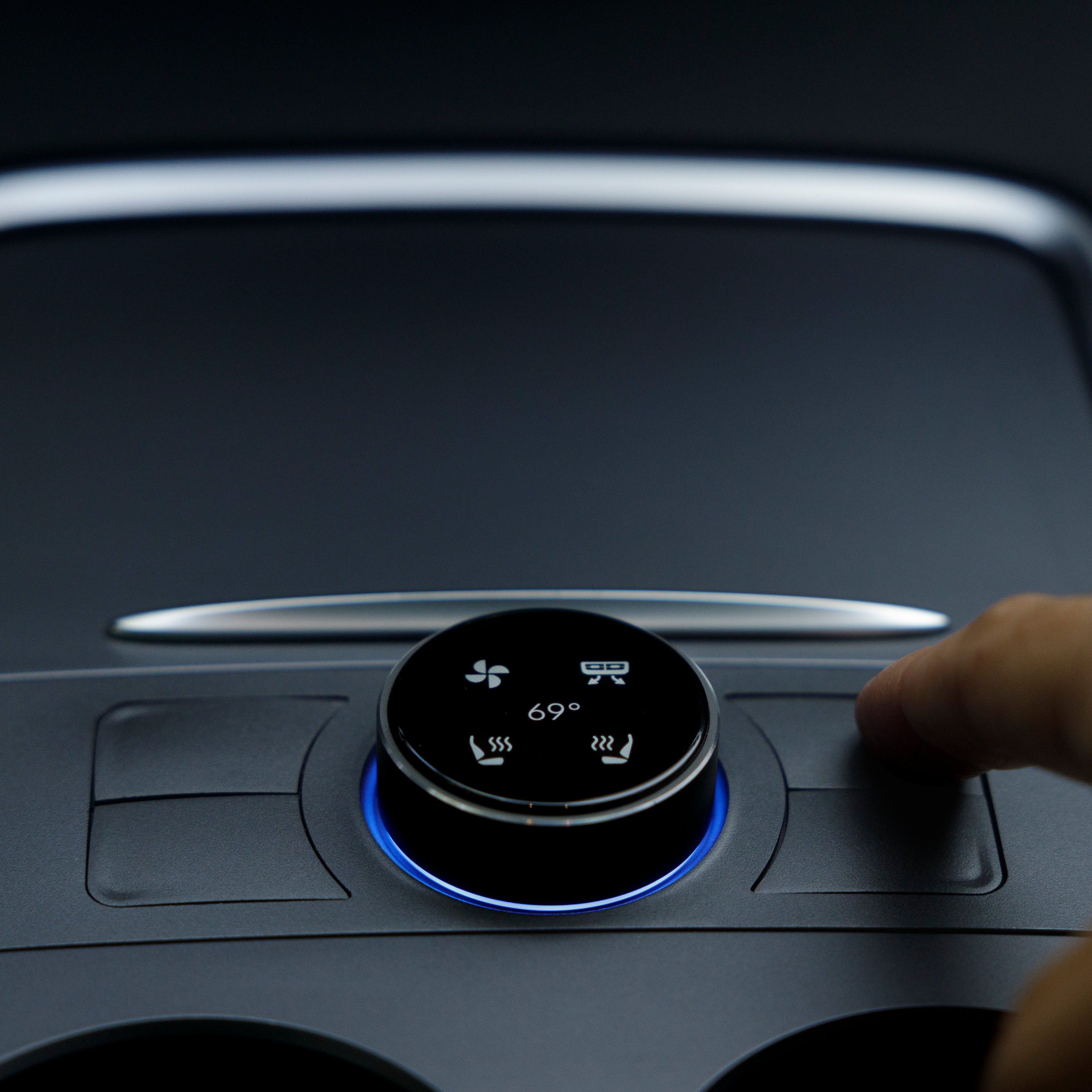
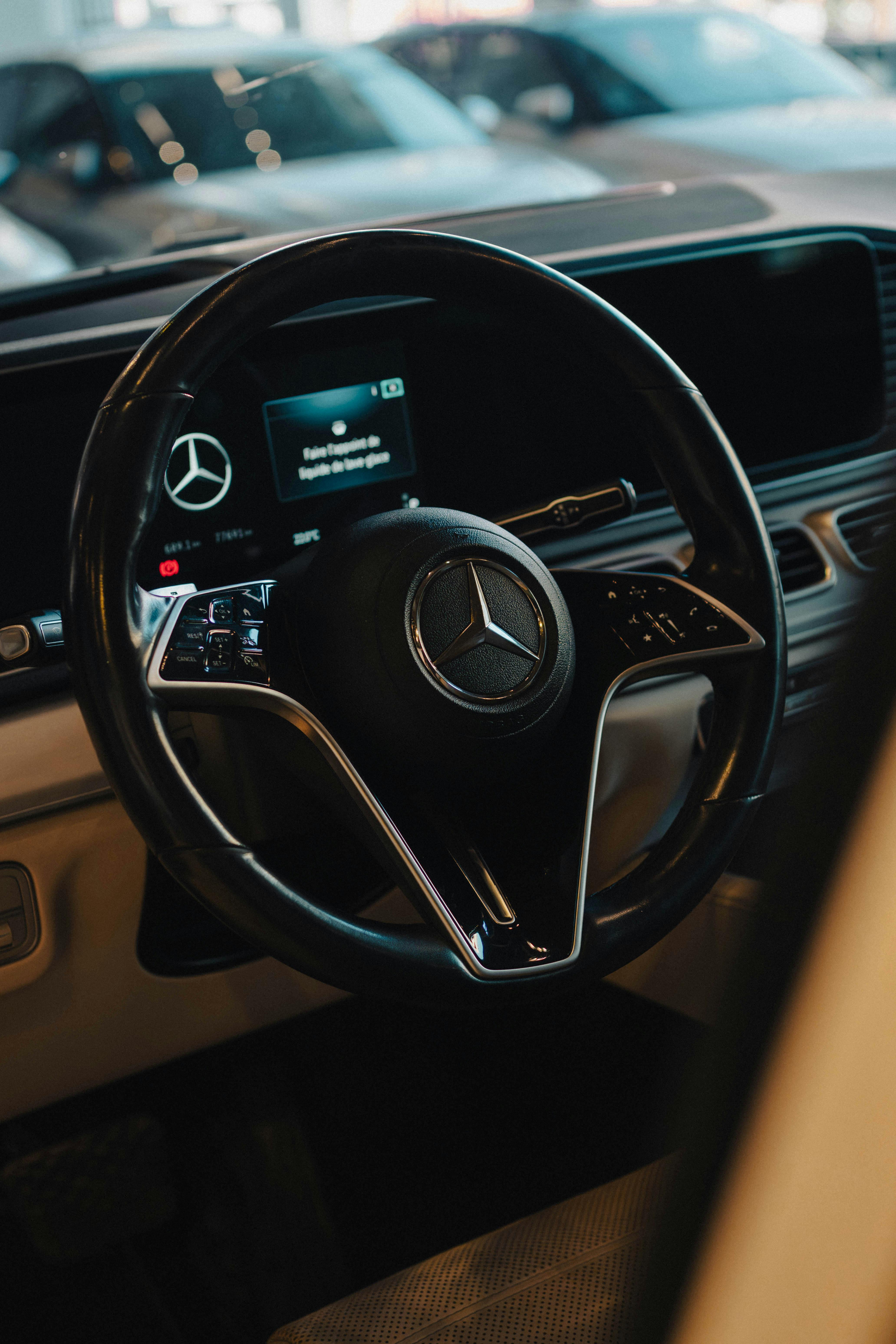
El nuevo EQB presenta un habitáculo que resulta más familiar que radical. Y eso puede ser una ventaja. No todas las familias desean un salpicadero con una sola pantalla y poco más. El sistema multimedia MBUX combina una pantalla central con un cuadro de instrumentos digital, mientras que los controles del volante y las funciones de voz mantienen la mayoría de las funciones al alcance de la mano.
Cuenta con integración para smartphones mediante Apple CarPlay y Android Auto, y los smartphones compatibles también pueden usar la carga inalámbrica según la versión. La iluminación ambiental crea un ambiente más cálido en el habitáculo por la noche, mientras que las versiones AMG Line y AMG Line Premium añaden asientos deportivos, más detalles visuales y equipamiento adicional.
Las funciones más útiles son las menos llamativas. Una cámara de marcha atrás es importante cuando el maletero está lleno o la visibilidad trasera está obstruida por maletas y pasajeros. El sistema de aparcamiento facilita las maniobras en espacios reducidos. El paquete de retrovisores, el asistente de mantenimiento de carril, el asistente de frenado activo y el asistente de límite de velocidad contribuyen a la conducción diaria, donde es fácil cometer pequeños errores.
Algunos equipamientos dependen del nivel de equipamiento. El paquete de confort con acceso sin llave, el sistema de sonido avanzado, la carga inalámbrica y ciertos servicios conectados pueden no ser estándar en todas las versiones. Algunos servicios digitales también pueden requerir una suscripción tras un periodo inicial. Los compradores que comparen precios deben consultar la lista de equipamiento real en lugar de basarse únicamente en el nombre del nivel de equipamiento.
Espacio en el maletero, siete asientos y tercera fila de asientos: una realidad
El interior del EQB es la razón principal por la que muchos compradores lo consideran. La segunda fila de asientos es deslizable, lo que permite a los propietarios elegir entre mayor espacio en el maletero o un poco más de espacio para los pasajeros de atrás. Esto es importante en un coche familiar, ya que la distribución necesaria el lunes por la mañana no siempre es la misma que la necesaria el sábado por la tarde.
La tercera fila es útil, pero limitada. Es más adecuada para niños, pasajeros pequeños o trayectos cortos. Los adultos la encontrarán estrecha, sobre todo en viajes largos. El acceso no es tan fácil como en un monovolumen más grande, y al desplegar la tercera fila de asientos, queda muy poco espacio en el maletero.
Abatiendo los asientos traseros, el EQB se vuelve mucho más práctico. La capacidad del maletero aumenta a unos 495 litros, suficiente para la compra, el material deportivo, las mochilas escolares o un cochecito plegado. Si además se abaten los asientos traseros, el espacio se amplía a unos 1710 litros. Esto convierte al coche en una opción realmente útil para transportar objetos voluminosos.
Aquí es donde la idea del Mercedes EQB funciona. No se trata de que todos los asientos sean igual de espaciosos, sino de ofrecer opciones. Cinco asientos la mayor parte de la semana, siete cuando se necesitan y más espacio de carga al abatir la tercera fila. Para muchos hogares, esto es más valioso que una autonomía ligeramente mayor en un coche menos versátil.
¿Es el EQB un buen coche para tener a largo plazo?
El EQB es un buen coche para el comprador adecuado, pero no para todos. Quien busque el precio más bajo, la mayor autonomía en autopista o la carga más rápida, probablemente encontrará mejores alternativas en otros lugares. Quien desee un SUV familiar eléctrico compacto con un interior Mercedes, la flexibilidad de siete plazas y una conducción suave, comprenderá su atractivo rápidamente.
Tampoco es una opción económica. Los precios iniciales son más altos que los de muchos coches eléctricos de su categoría, y las versiones superiores pueden incrementar aún más el coste. La versión AMG Line Premium añade equipamiento deseable, pero también modifica el cálculo de su valor. La forma más sensata de comparar el EQB es tener en cuenta la infraestructura de carga, los costes energéticos, el seguro, el equipamiento y la utilidad práctica de los asientos adicionales.
La seguridad es un pilar fundamental del vehículo. El EQB ha obtenido la máxima calificación de cinco estrellas en las pruebas Euro NCAP, con una sólida protección para adultos y niños. Funciones como el asistente de frenado activo, el asistente de mantenimiento de carril y el asistente de límite de velocidad brindan mayor tranquilidad, aunque deben considerarse sistemas de apoyo y no como sustitutos de la atención al volante.
En viajes largos, el EQB ofrece una conducción más relajada que emocionante. El ruido de la carretera está bien controlado para un coche de estas dimensiones. La posición de conducción elevada mejora la visibilidad. La suspensión está configurada para priorizar el confort sobre la agilidad, lo cual se ajusta perfectamente al propósito del vehículo.
Servicio de recarga pública, estaciones de recarga y planificación de viajes por carretera
Para trayectos largos, Mercedes me Charge y el servicio de carga pública ayudan a los conductores a localizar y acceder a las estaciones de carga mediante la aplicación, la tarjeta RFID o el sistema integrado en el vehículo, según el mercado y la suscripción. La navegación con Electric Intelligence permite incluir paradas de carga en la planificación de la ruta, utilizando el estado de la batería y los datos del trayecto para facilitar la gestión del viaje.
El EQB puede cargarse rápidamente a hasta 100 kW, y una carga del 10 al 80 % tarda aproximadamente 32 minutos en condiciones adecuadas. Este intervalo del 10 al 80 % es el que la mayoría de los conductores deberían tener en cuenta al conducir. Cargar más allá del 80 % suele ralentizarse, por lo que puede ser más rápido seguir conduciendo y volver a parar más tarde.
La carga pública con corriente alterna es diferente. Es más lenta, pero útil cuando el coche va a estar aparcado durante mucho tiempo. Hoteles, lugares de trabajo, centros comerciales y puntos de recarga en destinos turísticos pueden proporcionar una autonomía considerable sin interrumpir el día.
Un buen plan de carga rara vez se trata solo del cargador más rápido. Las familias necesitan baños, comida, puntos de parada seguros y un poco de margen. Un cargador un poco más lento en el lugar adecuado puede ser más útil que uno más rápido que genere estrés.
Cargador portátil para vehículos eléctricos tipo 2, 11 kW, trifásico, WiFi + aplicación.
Una excelente opción para el EQB, ya que el coche cuenta con carga de CA de 11 kW. Adecuado para carga trifásica en casa o garaje, así como para una segunda vivienda.
Cable de carga Tipo 2 a Tipo 2 de 5 m/7 m/10 m
Cable obligatorio para estaciones de corriente alterna públicas, hoteles, centros comerciales, estacionamientos comerciales y tomas de corriente sin cable propio. Compatible con vehículos eléctricos con puerto tipo 2.
Wallbox inteligente de 22 kW con Bluetooth y WiFi
Adecuado para instalación en el hogar o la oficina. El EQB se cargará según su propio límite de CA, pero el cargador de pared de 22 kW es una buena inversión futura para un hogar con más de un vehículo eléctrico o un futuro vehículo con mayor potencia de CA.
Cable de carga en espiral tipo 2 a tipo 2 de 5 m
Una opción práctica si queremos un almacenamiento más sencillo y evitar tener que desenrollar tanto el cable cuando usamos con frecuencia la carga en puntos de carga públicos.