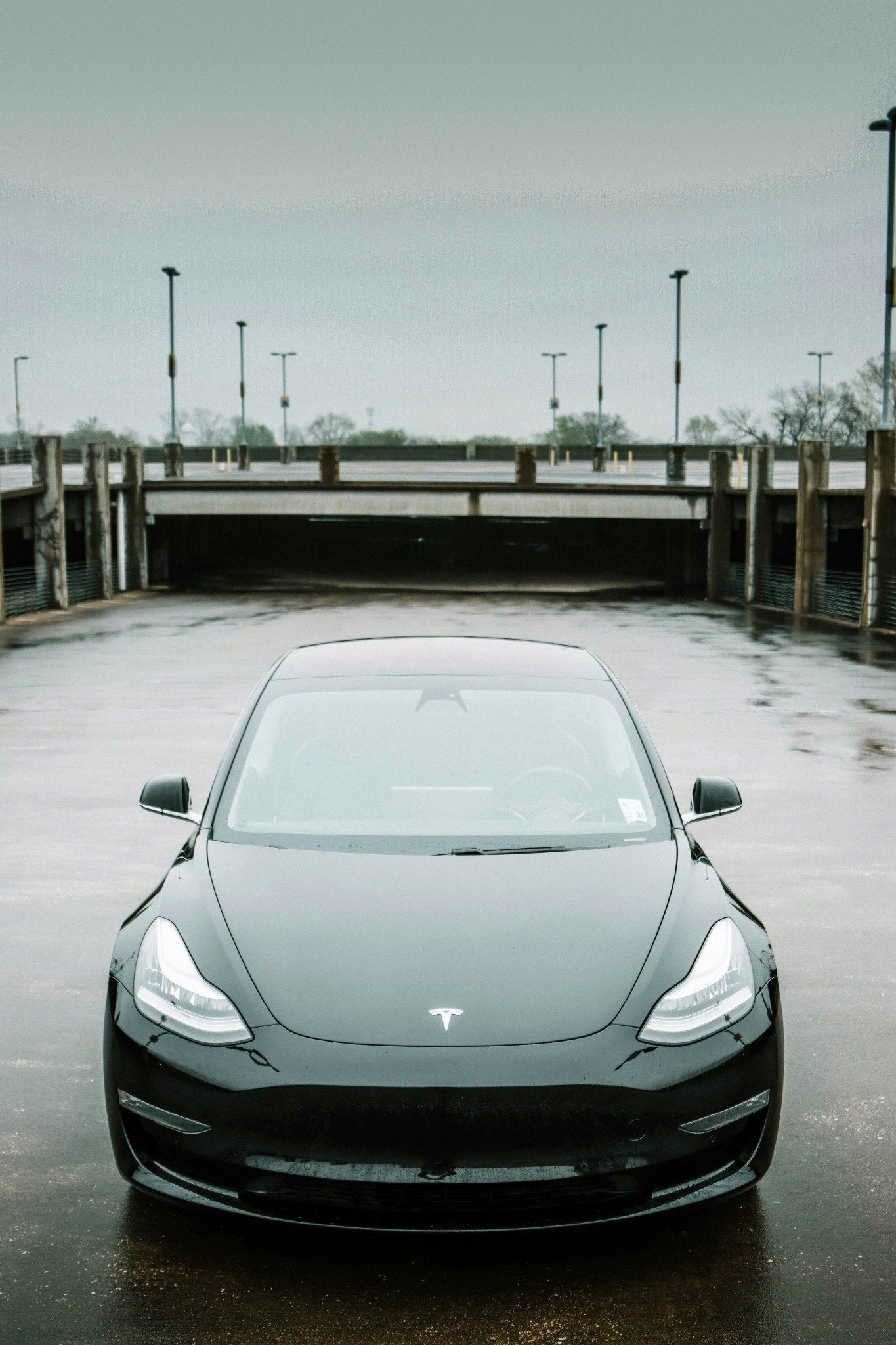
The Tesla Model 3 is easiest to understand not as a statement car, but as a very usable electric daily driver. It is compact enough for normal life, efficient enough to keep charging habits simple, and varied enough as a lineup to suit more than one kind of owner. Most buyers start with the same practical questions: how much is a Tesla Model 3 and what is the range of the Tesla Model 3. In the current UK lineup, pricing starts at £37,990 and rises to £59,990, while the official WLTP range runs from 332 miles to 466 miles depending on version and wheel setup.
That is what makes the Model 3 range commercially interesting. It is not one fixed car with small trim changes around the edges. The Rear-Wheel Drive version works as a clean, efficient, everyday EV. The longer-range versions bring more distance and more flexibility into the picture. Performance sharpens the whole thing, but it still belongs to the same charging logic and the same ownership questions around parking, motorway mileage, and how much energy you actually need to recover overnight.
Overview of the most in-demand Tesla Model 3 variants
The current UK range is built around four useful steps: Rear-Wheel Drive, Long Range Rear-Wheel Drive, Long Range All-Wheel Drive, and Performance. That structure is more helpful than it first looks. The standard car is the efficiency-led entry point. Long Range Rear-Wheel Drive is the mileage-focused choice, with the biggest official range figure in the lineup. Long Range All-Wheel Drive is the more flexible all-weather and long-trip option. Performance adds much sharper acceleration and chassis intent, but it still charges through the same home and public logic as the rest of the range.
Price positioning follows that same pattern. There is a genuine spread here, not just a trim ladder with cosmetic changes. Buyers are really choosing between lower upfront cost, maximum range, extra traction, or a more aggressive top-end version that gives up some efficiency and some charging recovery per minute in return for pace and hardware.
Tesla Model 3 Rear-Wheel Drive
This is the version that suits the cleanest ownership pattern: regular commuting, straightforward overnight charging, and an owner who wants the lowest entry price without losing the core Model 3 experience. For buyers askinghow heavyis a Tesla Model 3, the base UK car is a useful benchmark at 1,772kgcurb mass. It also answershow much does a Tesla Model 3 weighin its simplest current form. That lower weight helps the car stay efficient, and it usually makes home charging easier to live with because you are replacing less energy for the same weekly routine.
332 mi WLTP
13.0 kWh/100 km
Standard Range
Rear-Wheel Drive
1,772 kg
682 liters
5 adults
175 kW
Up to 168 miles added in 15 minutes
185.8 in L / 76.1 in W folded / 56.7 in H
£37,990
Tesla Model 3 Long Range
This is the part of the lineup that turns Model 3 froma very gooddaily EV into a broader ownership tool. In UK-spec form, the core long-distance trim is theLong RangeAll-Wheel Drive, which combines 410 miles WLTP with dual-motor traction and the faster 250 kW Supercharging ceiling. It suits drivers who mix local use with frequent motorway work, who want more margin in winter, or who simply do not want the battery to feel tight on harder weeks. The UK range also includes aLong RangeRear-Wheel Drive, and that matters because it pushesthe officialWLTP range as high as 466 miles on 18-inch wheels for buyers who care more about distance and efficiency than extra driven wheels
410 mi WLTP
14.3 kWh/100 km
Long Range
Dual Motor All-Wheel Drive
1,824 kg
682 liters
5 adults
250 kW
Up to 175 miles added in 15 minutes
185.8 in L / 76.1 in W folded / 56.7 in H
£49,990
Tesla Model 3 Performance
Performance shifts the car’s character, but it does not turn it into a different ownership category. It is still a five-seat electric saloon with the same core packaging and the same charging habits, just with much stronger acceleration, 20-inch wheels, and a setup aimed at drivers who want the sharper end of the range. Commercially, that makes it a narrower choice than theLong Rangecars. It is the right version for someone who knows why they want it, not the automatic default for every buyer with the budget.
354 mi WLTP
16.5 kWh/100 km
Long Range
Dual Motor All-Wheel Drive
1,851 kg
682 liters
5 adults
250 kW
Up to 147 miles added in 15 minutes
185.9 in L / 76.1 in W folded / 56.3 in H
£59,990
Powertrain / Battery / Drive
Key Features / Range / Practicality & Notes
RWD / Standard Range / up to 175 kW DC, up to 11 kW AC
332 mi WLTP, strongest value entry point, lowest price, cleanest daily-use charging logic
RWD / Long Range / up to 250 kW DC, up to 11 kW AC
Up to 466 mi WLTP on 18-inch wheels, lightest long-range version, best official range figure in the lineup
Dual Motor AWD / Long Range / up to 250 kW DC, up to 11 kW AC
410 mi WLTP, better all-weather traction, balanced long-distance ownership choice
Dual Motor AWD / Long Range / up to 250 kW DC, up to 11 kW AC
354 mi WLTP, fastest acceleration, 20-inch wheels, more focused character with a smaller efficiency margin
Tesla Model 3 review and features
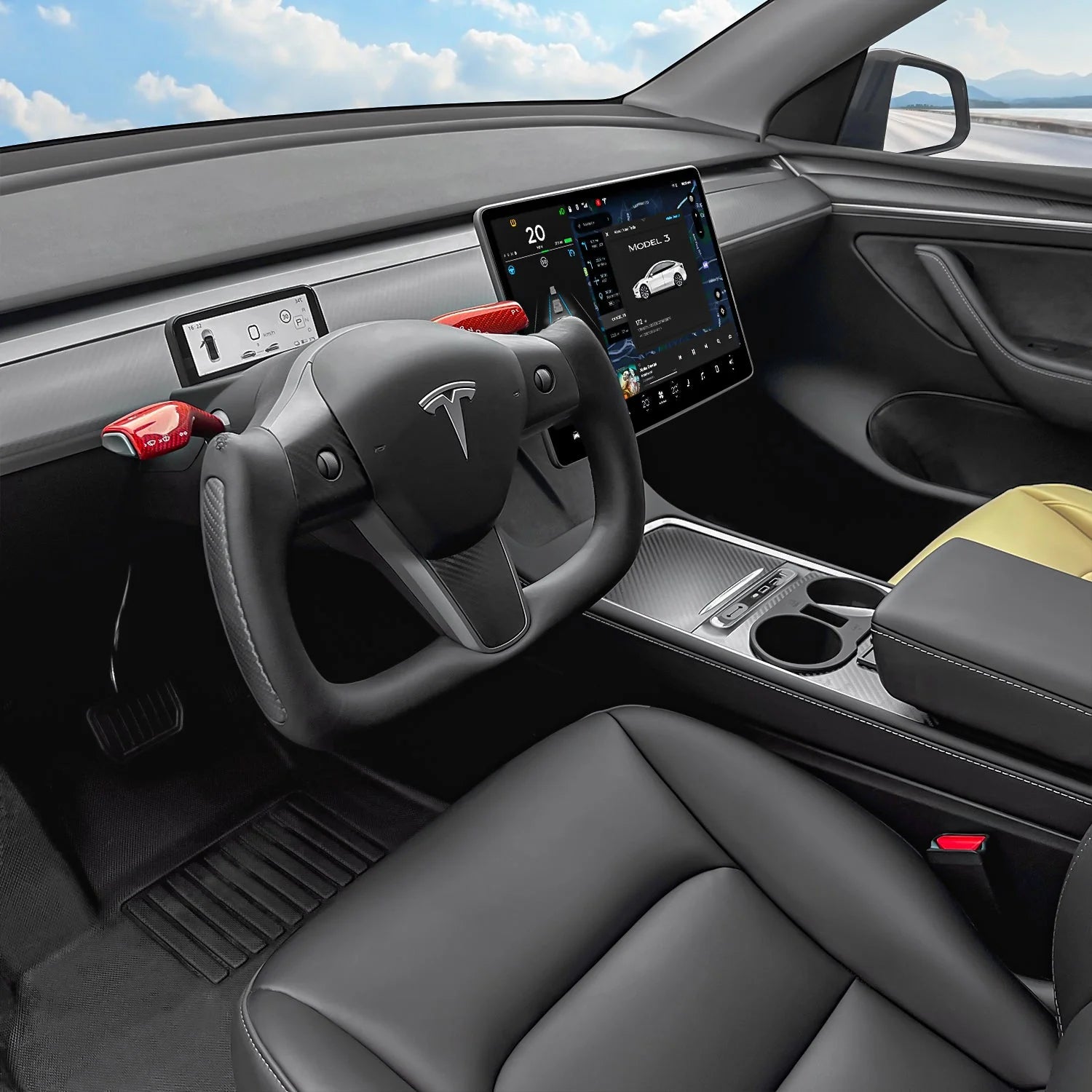
Living with Model 3 is less dramatic than the brand image sometimes suggests, and that is part of the appeal. The footprint is still modest compared with electric SUVs, which helps in town and in tighter parking spaces. Official cargo capacity is 682 liters, seating is for five adults across the range, and the premium trims add an 8-inch rear touchscreen behind the main 15.4-inch front display. The cabin stays minimal and screen-led, but the car’s real strength is predictability. It is easy to place on the road, easy to charge consistently, and easy to fit into a weekly routine where the car leaves home topped up rather than waiting for a fuel-style refill moment.
Tesla Model 3 charging overview
A lot of buyers search how many kwh to charge a Tesla Model 3 as though there is one clean number that settles the issue. Tesla’s UK public Model 3 spec pages do not market the lineup around a simple gross battery-capacity figure, and in real ownership that is not the most useful way to think about the car anyway. The better questions are how to charge Tesla Model 3 in the pattern you live with, and how long to charge Tesla Model 3 back to the level you need for tomorrow. Most owners are not recovering a full battery. They are replacing ordinary daily use, and Model 3’s official consumption figures sit between 13.0 and 16.5 kWh/100 km depending on version.
Tesla Model 3 charging time
For home use, the important split is not 0 to 100 percent. It is overnight AC charging versus rapid DC charging on travel days. Tesla lists Model 3 with up to 7.4 kW single-phase AC charging and up to 11 kW three-phase AC charging, which is why a properly installed home unit makes the car feel easy to own. You plug in, recover the energy you use, and leave again.
That is also why the usual “full-charge time” conversation can be misled. Replacing a normal weekday commute is far quicker than filling the entire pack from empty, and Tesla itself notes that charging slows as the battery fills, so reaching 100% takes significantly longer than reaching 80% on a Supercharger. On the DC side, the current UK figures are up to 168 miles added in 15 minutes for the Rear-Wheel Drive, up to 175 miles for both Long Range versions, and up to 147 miles for Performance. Trim choice does change charging behavior a little, but in practice the bigger difference is how much energy you are trying to add and at what state of charge you arrive.
Tesla Model 3 charging port and compatibility
In UK and European use, the practical story is simple. Current Model 3 supports Tesla’s European Supercharging setup and is compatible with the CCS-based fast-charging standard used at V3 Superchargers in Europe. Tesla’s support documentation states that European V3 Superchargers use single-cable CCS technology compatible with every Model 3, while V2 sites in Europe accommodate both DC Type 2 and CCS Combo 2 charge ports. Official Tesla service documentation for the EU car also identifies the charge port as CCS.
For day-to-day use, the charge port sits on the left rear of the car behind a door integrated into the rear tail-light assembly. The car can open the port from the touchscreen, with the Tesla cable button, or by pressing the charge-port door while the car is unlocked and an authenticated phone is nearby. At home, AC charging is handled by the onboard charger. On longer routes, DC fast charging does the heavy lifting. The important thing is that the car is already built around mainstream UK and European charging logic, so there is no unusual connector strategy to work around for a current-market Model 3.
Tesla Model 3 charging cable and adapter options
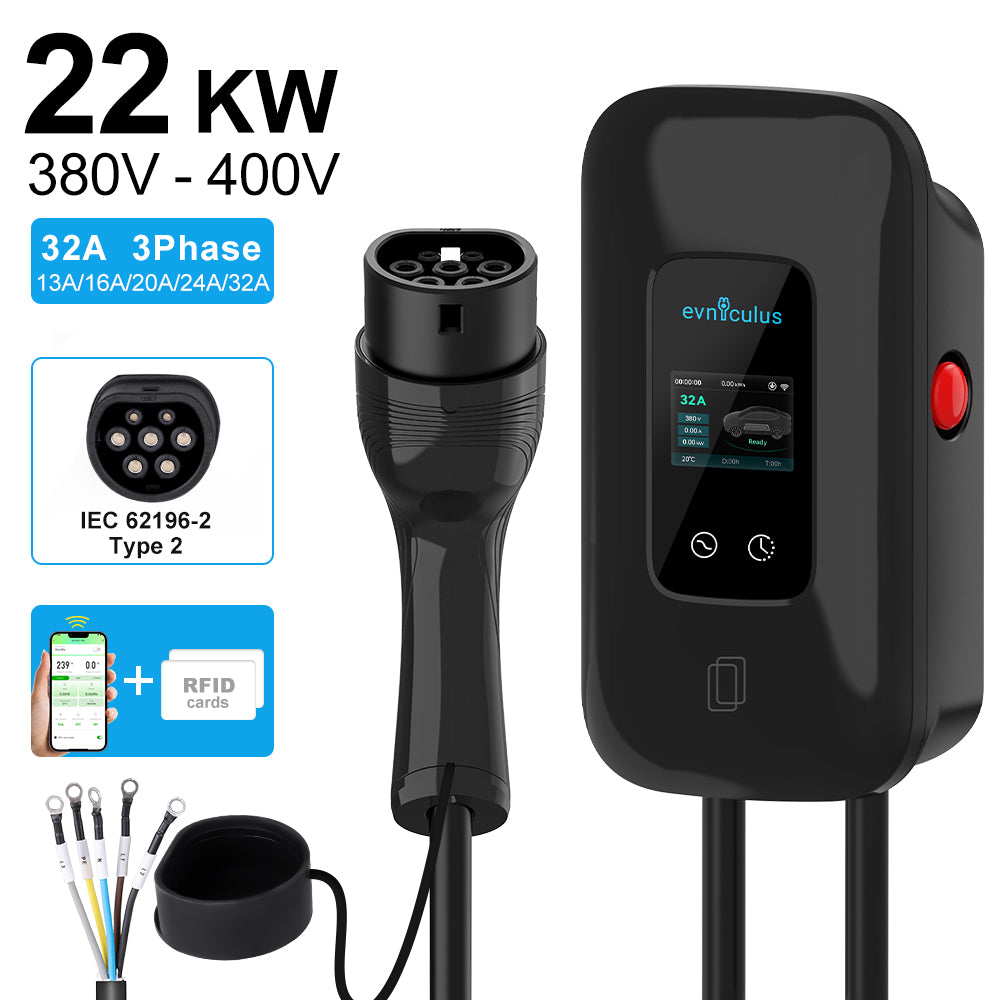
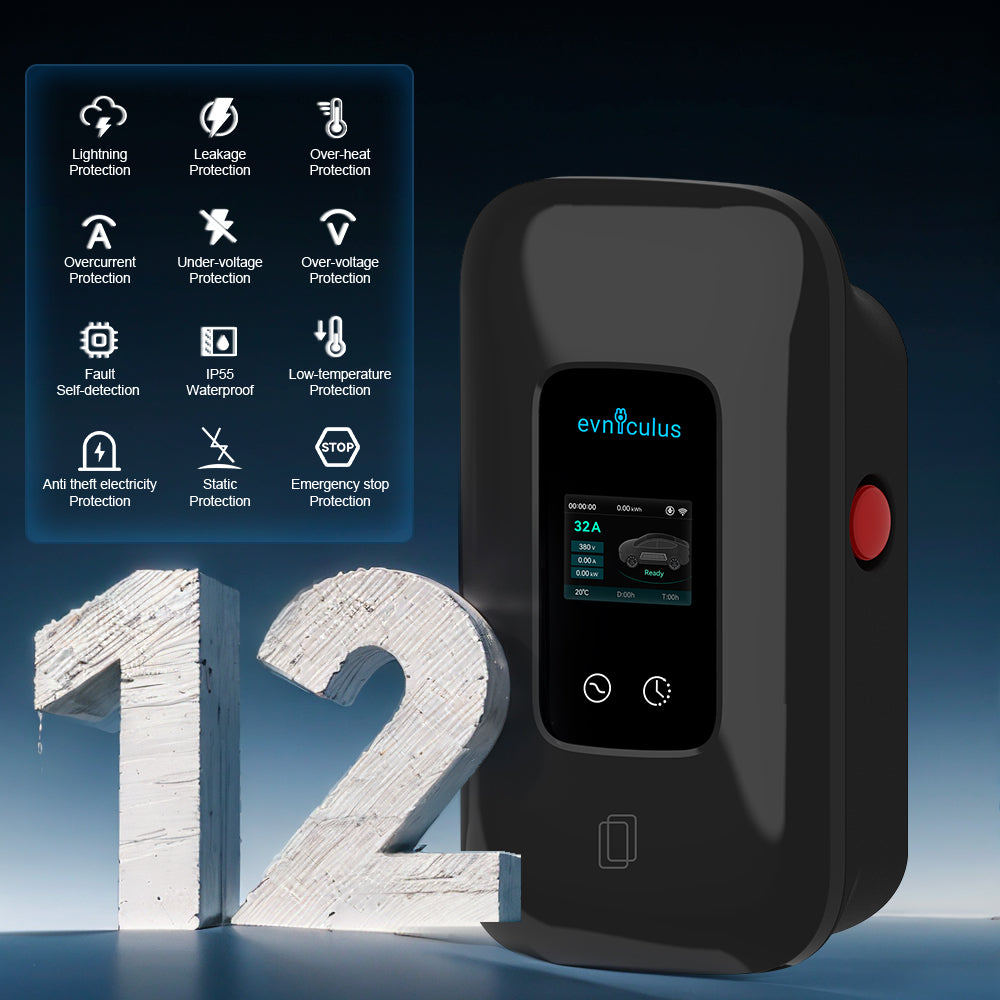
For a fixed home parking space, a tethered wall charger is often the neat solution. You arrive, park, plug in, and the cable is already where it needs to be. An untethered unit can make more sense if the household may rotate vehicles or if you want the flexibility to swap cables later without changing the charger itself. That is less about Tesla specifically and more about how your driveway, garage, and electrical setup work together.
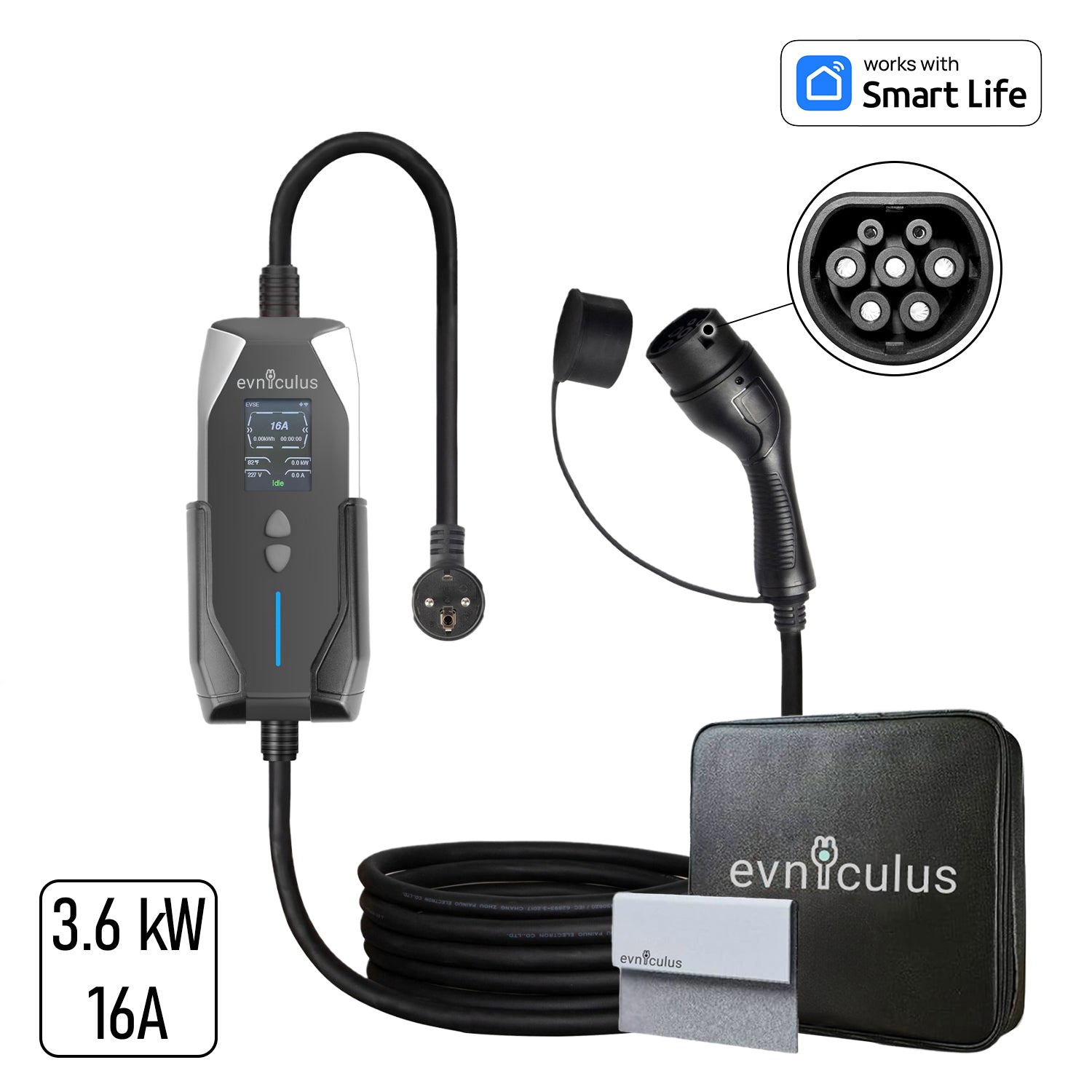
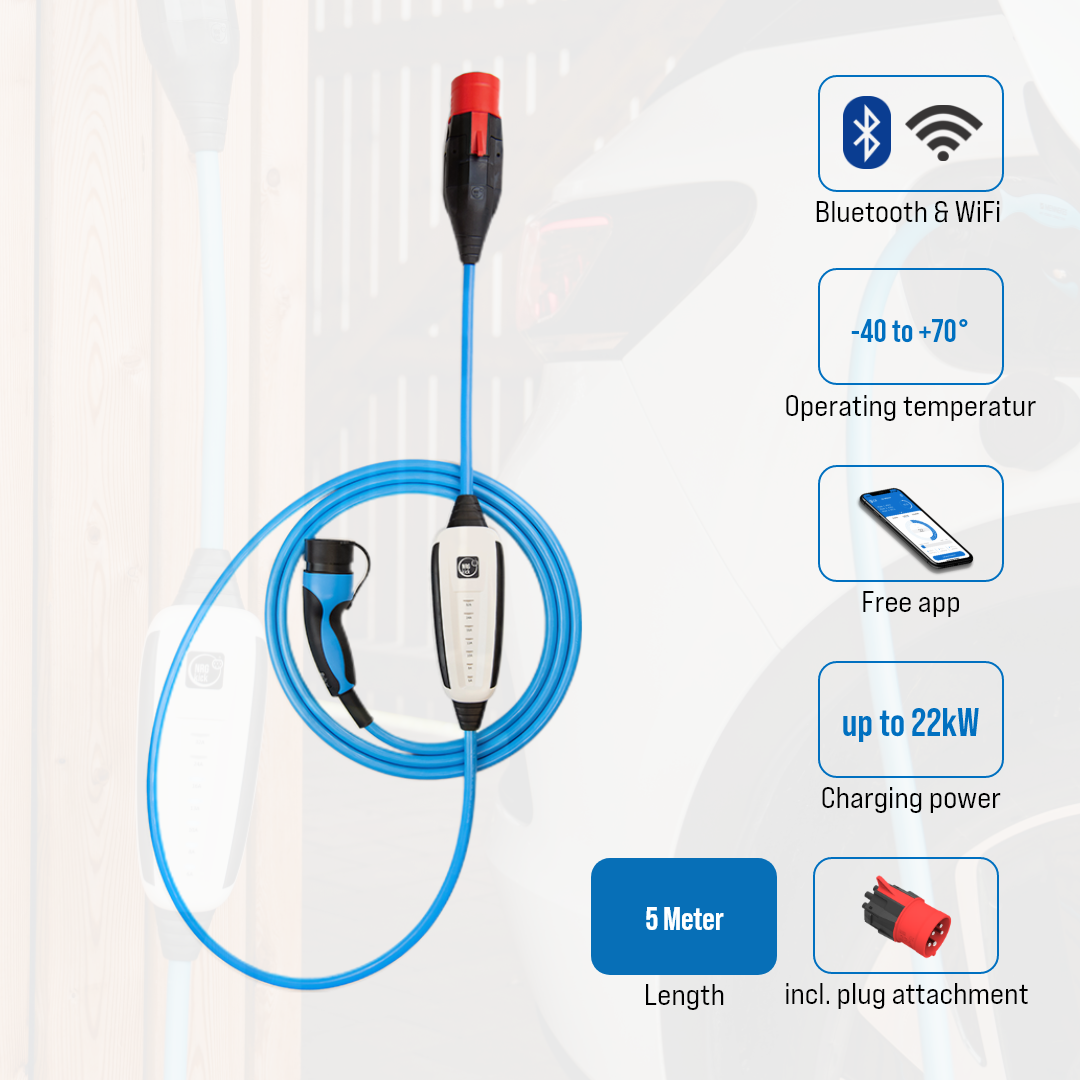
A Type 2 cable still matters in real ownership because AC charging away from home is not always as simple as turning up and finding the right lead attached. A portable backup also has value. Tesla recommends installing a Wall Connector at home and leaving a Mobile Connector in the boot as a backup while travelling, and the current Mobile Connector bundle in the UK includes a 6-metre cable, a standard household-outlet adapter, and a storage bag. Adapters only become relevant when the charging hardware in front of you does not directly match the car or cable you are carrying. For most current UK Model 3 owners, the useful loadout is straightforward: one good home charger, one proper AC cable strategy, and a travel backup that stays in the car.
Owner basics: locking and daily use
- For most drivers, how to lock Tesla Model 3 is really a setup question rather than a physical-key question. Tesla supports phone key, key cards, and key fobs. Once the phone key is configured, Walk-Away Door Lock can automatically lock the doors and boot as you leave with the authenticated device. The sensible habit is simple: use the phone as the primary key, keep a key card as backup, and make sure the lock settings are configured before daily life starts getting messy.
Home Charging Solutions
https://evniculus.eu/bg/products/smart-wallbox-22kw
https://evniculus.eu/bg/products/charging-cable-type-2-to-type-2
https://evniculus.eu/bg-bg/products/portable-ev-charger-type-2-7-kw-32a-5m-adapters