В связи с быстрым ростом популярности электромобилей многие водители задаются вопросом: дешевле ли обслуживать электромобили, чем традиционные автомобили с бензиновым двигателем? Понимание принципов обслуживания электромобилей является ключом к оценке их долгосрочной экономии.
Короткий ответ — часто, да. Но полная картина зависит от нескольких факторов, включая срок владения автомобилем, частоту поездок и подход к регулярному техническому обслуживанию. Электромобили предлагают ряд очевидных преимуществ, таких как меньшее количество движущихся частей, отсутствие необходимости замены масла и более эффективная трансмиссия. Эти различия могут в совокупности привести к значительной экономии в долгосрочной перспективе, особенно для тех, кто планирует пользоваться своим автомобилем много лет.
Тем не менее, стоимость обслуживания электромобиля по-прежнему варьируется в зависимости от модели и стиля вождения. Чтобы помочь вам принять взвешенное решение, в этой статье подробно рассматриваются типичные потребности и затраты на техническое обслуживание электромобилей, сравниваются с аналогичными показателями автомобилей с бензиновыми двигателями и выделены пять наиболее экономичных электромобилей на рынке в 2025 году.
Кроме того, узнайте, как EVniculus может упростить владение электромобилем. EVniculus делает владение электромобилем простым — это ваш надежный бренд, ваш проверенный источник аксессуаров для электромобилей, предлагающий широкий выбор зарядных устройств, зарядных кабелей и адаптеров для электромобилей, сертифицированных по стандартам CE и TÜV. Независимо от того, управляете ли вы уже электромобилем или только подумываете о переходе, EVniculus — ваш надежный партнер, который сэкономит вам деньги и время в будущем.
Типичные затраты на техническое обслуживание электромобиля
Обслуживание электромобиля, как правило, обходится дешевле, чем обслуживание традиционного автомобиля с бензиновым двигателем. В основном это связано с тем, что электромобили механически проще. Нет необходимости менять моторное масло, что мгновенно исключает одну из самых распространенных задач по техническому обслуживанию автомобилей с бензиновыми двигателями. Тормозные колодки также служат дольше, поскольку электромобили используют рекуперативное торможение — функцию, которая помогает замедлить автомобиль, сохраняя при этом тормоза. Трансмиссия также проще — большинство электромобилей работают на одноступенчатой коробке передач, поэтому нагрузка на движущиеся части меньше. Хотя замена батареи может быть дорогостоящей в будущем, она, как правило, не требует особого внимания, за исключением периодических проверок. Система охлаждения батареи и двигателя нуждается в контроле, и, конечно же, такие вещи, как ротация и замена шин, по-прежнему актуальны. Но в целом, обслуживание электромобилей в долгосрочной перспективе обходится дешевле, чем обслуживание их бензиновых аналогов.
В долгосрочной перспективе обслуживание электромобилей обходится дешевле?
Выяснение того, действительно ли электромобили дешевле в обслуживании, во многом зависит от того, как долго вы владеете автомобилем. Со временем многие владельцы электромобилей обнаруживают, что тратят меньше на техническое обслуживание, в основном потому, что требуется меньше ремонта. Отсутствие необходимости беспокоиться о замене масла или свечей зажигания приводит к меньшему количеству поездок в автосервис. А поскольку электричество обычно стоит дешевле бензина, это еще одна область, где начинает накапливаться экономия. Конечно, люди беспокоятся об аккумуляторе — в конце концов, это самая дорогая его часть. Но большинство электромобилей поставляются с надежной гарантией, часто около восьми лет или 100 000 километров, и при регулярном использовании и уходе аккумуляторы часто служат дольше. Замена аккумулятора — недешевое удовольствие, но цены на батареи неуклонно снижаются в последние несколько лет. Если вы из тех, кто долго пользуется автомобилем, электромобиль может фактически сэкономить вам значительную сумму денег. Кроме того, такие платформы, как EVniculus, информируют клиентов и помогают водителям ориентироваться в процессе перехода на электромобили, предлагая экспертную поддержку и услуги, что упрощает обслуживание электромобилей по мере снижения цен на батареи.
Какие электромобили на рынке являются наиболее экономичными?
Существует несколько моделей, заслуживающих внимания, поскольку лучшие экономичные электромобили на 2025 год. Вот некоторые из них:
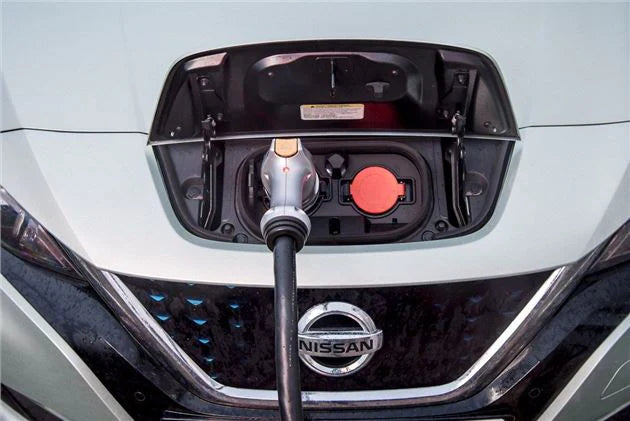
Nissan Leaf
Он Nissan Leaf Leaf остается одним из самых популярных и доступных электромобилей в мире. Он предлагает проверенную аккумуляторную технологию с надежным запасом хода, а стоимость запасных частей остается разумной. Leaf — это отличный выбор для езды по городу и ежедневных поездок на работу.
Hyundai Kona Electric
Hyundai Kona Electric сочетает впечатляющий запас хода с конкурентоспособной ценой. Он поставляется с надежной гарантией и низкими затратами на плановое техническое обслуживание. Система рекуперативного торможения и долговечные компоненты означают меньшее количество замен в течение всего срока службы автомобиля.
Фиат 500е
Fiat 500e — это компактный и недорогой электромобиль, идеально подходящий для городских условий. Простая конструкция и меньший размер батареи способствуют снижению затрат на техническое обслуживание, что делает его отличным вариантом для тех, кто только начинает осваивать электромобили.
Chevrolet Equinox EV
Электромобиль Chevrolet Equinox EV предлагает универсальность среднеразмерного внедорожника, оставаясь при этом доступным по цене. Он отличается высоким качеством сборки и растущей поддержкой дилерских центров, что в целом делает обслуживание более доступным и менее затратным.
Volvo EX30
Наконец, Volvo EX30 предлагает премиальные характеристики по доступной цене. Репутация Volvo в области безопасности и надежности распространяется и на этот электромобиль, который оснащен эффективной электрической силовой установкой, минимизирующей затраты на техническое обслуживание.
Часто задаваемые вопросы
Какое плановое техническое обслуживание требуется электромобилям по сравнению с автомобилями с бензиновым двигателем?
Электромобили требуют меньше планового технического обслуживания, чем автомобили с бензиновыми двигателями, поскольку им в основном необходимы перестановка шин, проверка тормозов, проверка аккумулятора и периодическое обслуживание системы охлаждения, а не замена масла или техническое обслуживание двигателя, что значительно меньше по сравнению с требованиями к техническому обслуживанию автомобилей с бензиновыми двигателями.
Как долго служат батареи электромобилей и сколько стоит их замена?
Если вас интересует, как долго служат батареи электромобилей, то обычно это от 8 до 15 лет в зависимости от интенсивности использования и условий эксплуатации, а стоимость замены колеблется от 5000 до 15000 долларов. Однако следует учитывать, что цены постепенно снижаются по мере совершенствования технологий.