Getting used to charging your EV at home takes less time than most people think. It’s not complicated, but it’s not automatic either. Between sockets, cables, apps, and charging speeds, there are a few things to figure out before it becomes second nature.
The good news? The setup takes a bit of thinking, but once you’re through it, things get simpler. Some drivers plug in every night without even checking the battery. Others go days without needing a top-up. The point is: it adapts. Over time, you stop noticing the steps. Charging becomes part of the background, not something to manage.
At Evniculus, we’ve helped hundreds of drivers find the right rhythm for their lifestyle. Based on that experience, here are five simple steps to make charging EV at home work, without overthinking it.
Understand your EV home charging options
There isn’t just one way to charge at home. Some people plug into a wall socket and leave it overnight. Others set up something more powerful to get the job done faster. Both work-it depends on what kind of days you have.
Level 1 Charging
It’s as basic as it gets. You use the cable that came with the car and plug into a standard outlet. The charge is slow, maybe ten hours or more, but it’s enough for people who don’t drive far. A few owners stick with this setup for years. Others move on quickly.
Level 2 Charging
This one’s faster, no question. But it needs a separate unit and an electrician to install it. The charging time drops to around three or four hours. Not instant, but enough to plug in after dinner and wake up ready. Most people who drive daily end up going for this kind of EV home charging, just because it keeps up better.
Install a charging station at home
Getting the hardware in place is usually the biggest step. It sounds technical, but in most cases it’s more about logistics than engineering.
First, you check your electrical panel. Some homes already have enough capacity. Others might need an upgrade. An electrician will know pretty quickly. They’ll also tell you where it makes sense to mount the unit: garage wall, outside post, wherever there’s access and protection from weather.
Most people choose something simple. No screens, no apps, just a solid unit that delivers the power safely. Once it’s there, you barely think about it.
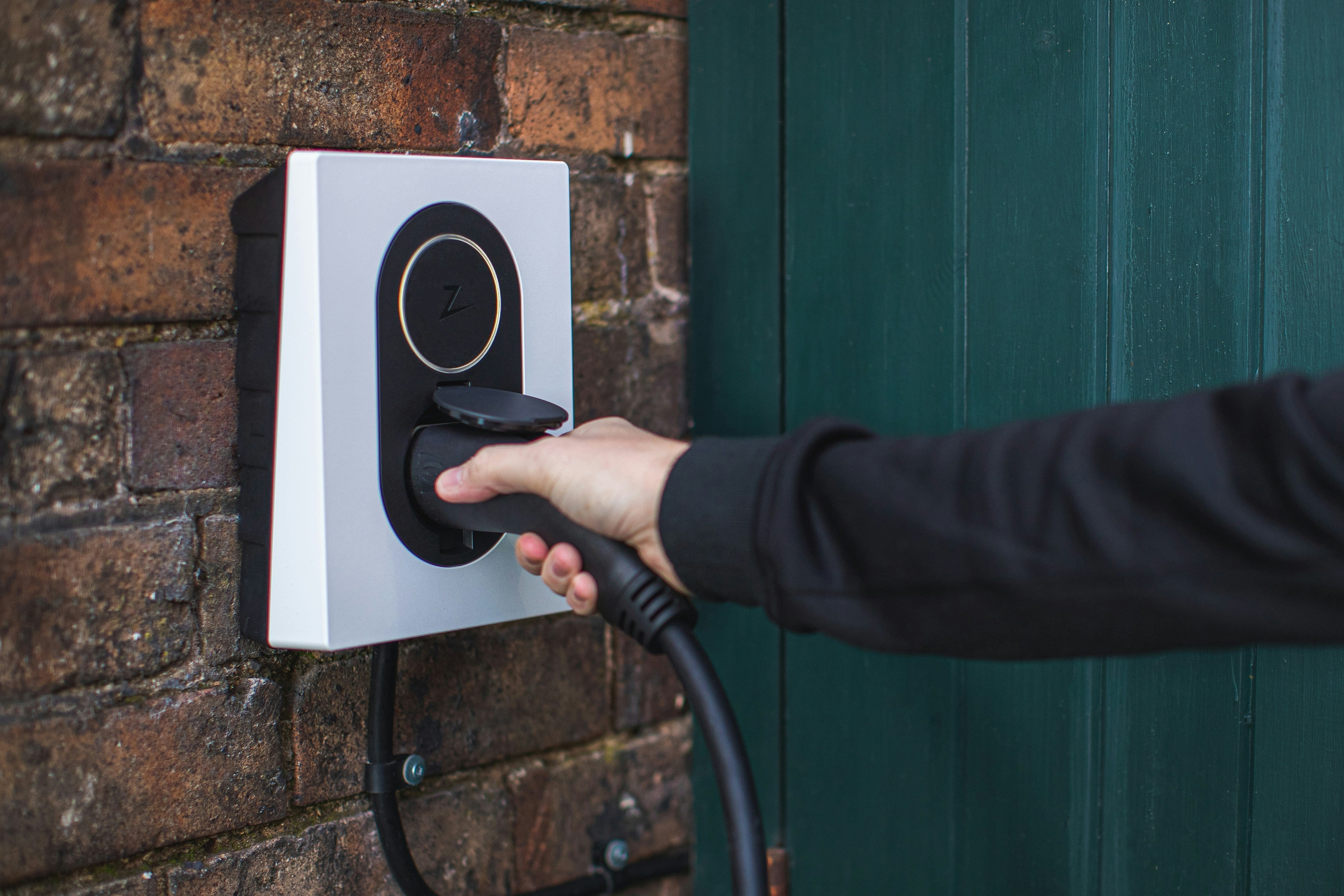
The phrase charging station home sounds like a big project, but really, it’s more like installing a new appliance. One visit, a bit of drilling, and you're done.
Plug in and start charging your EV at home
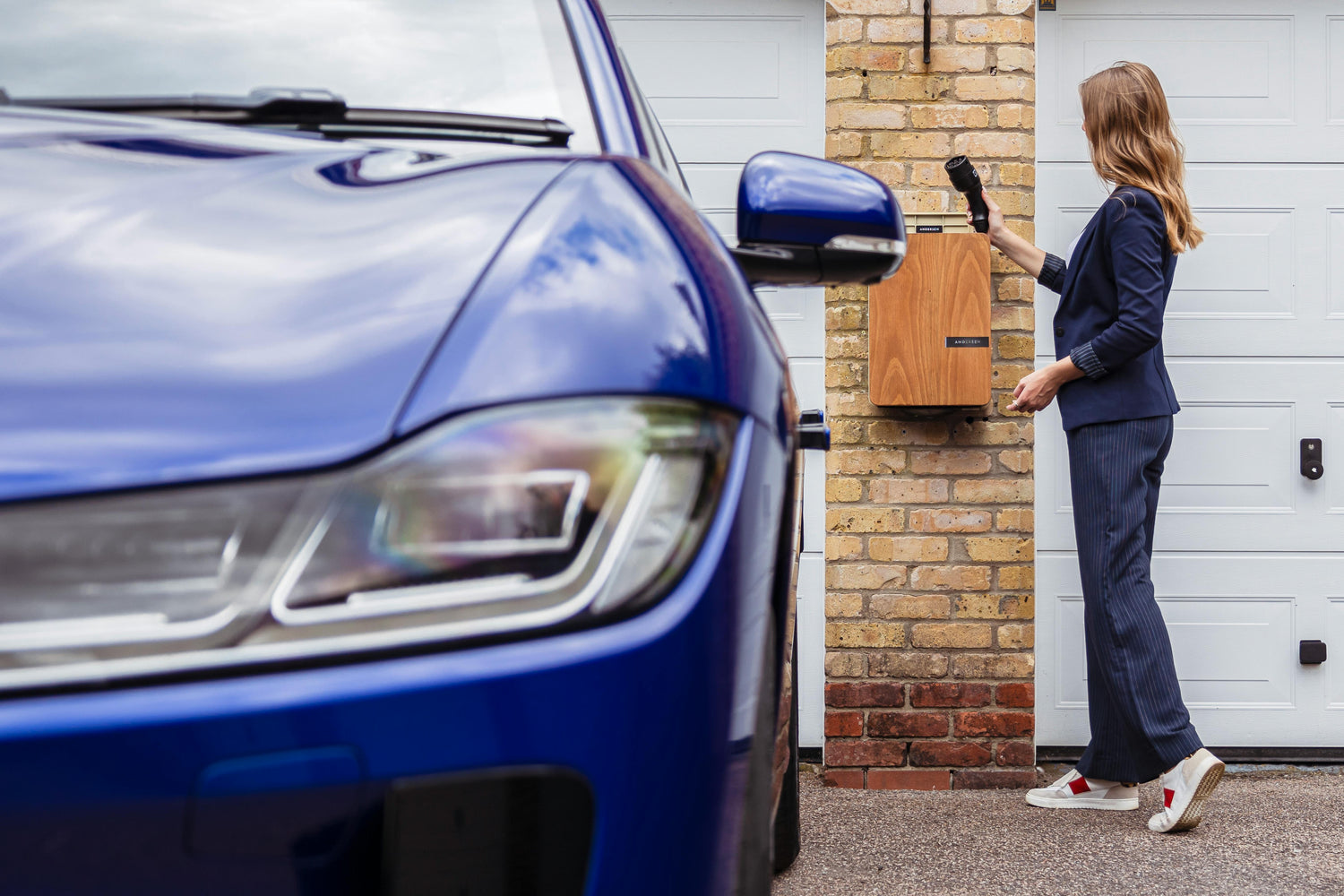
After the setup’s done, the rest feels pretty routine. You come back, park, connect the cable. That’s it.
Some people charge every night, others skip a few days depending on how much they’ve driven. There’s no one right way. Over time, you get a feel for your rhythm. Maybe it’s every second evening. Maybe it’s just the weekends. You’ll notice what works without needing to track it.
With EV charging at home, you’re not chasing a schedule. You’re just topping up when it fits. No lines. No waiting. No apps asking for logins.
There’s something oddly satisfying about coming back to the car in the morning and knowing it’s ready, without thinking about it the night before.
Monitor your charging progress
Most of the time, you won’t need to check anything. You plug in, the light blinks, and that’s that. But every so often, it’s worth having a quick look, just to make sure everything’s still working the way it should.
Some people check through an app. Others glance at the charger itself. You don’t need to track numbers every day. Still, if you’re used to charging EV at home, it helps to know what “normal” looks like, so if something changes, you’ll notice early.
Maybe it’s a longer charging time. Maybe the cable clicks in a bit loose. Tiny signs like that can show up before bigger problems do.
Maintain your charging system
Chargers don’t need much attention. They’re built to sit there, do their job, and not cause trouble. Still, every few months, it’s worth giving things a once-over.
Look at the cable. Is it wearing at the ends? Does it still click firmly into place? If you keep it coiled or bent, that might affect it over time. Same with the plug: dust and moisture can sneak in if the port’s left exposed too often.
If you’ve got an outdoor setup, weather makes a difference. A loose bracket, a bit of rust near the screws, catching those early saves you headaches later.
It’s not about checking every day. It’s about not forgetting it’s there.
FAQ
Can I use a smart plug to manage charging?
If it’s a regular household charger, some people try it. Just plug the charging cable into the smart socket and control it from your phone. But it’s not always safe. A lot of those smart plugs aren’t built for heavy loads over several hours. I’ve seen them get hot, too hot. For anything stronger than a slow overnight charge, I wouldn’t trust it unless it’s rated properly. Better to use a charger that has scheduling built in.
What if the power cuts out while the car is charging?
It stops. Nothing dramatic. When the power comes back, sometimes the charging resumes on its own, sometimes it doesn’t. Depends on the charger. Depends on the car too. I’ve had it both ways, once it continued without a problem, another time I had to unplug and start over. It won’t damage the car, but if it happens during the night, you might wake up to a battery that’s not quite full.
Is home charging slower when it’s cold outside?
A bit, yeah. Cold weather makes everything slower. The battery needs to warm up before it starts charging properly. If your charger’s out in the open, the cable gets stiff too, not broken, just annoying to handle. Some cars let you set a schedule so the system starts warming itself before charging begins. That helps a lot, especially in winter.