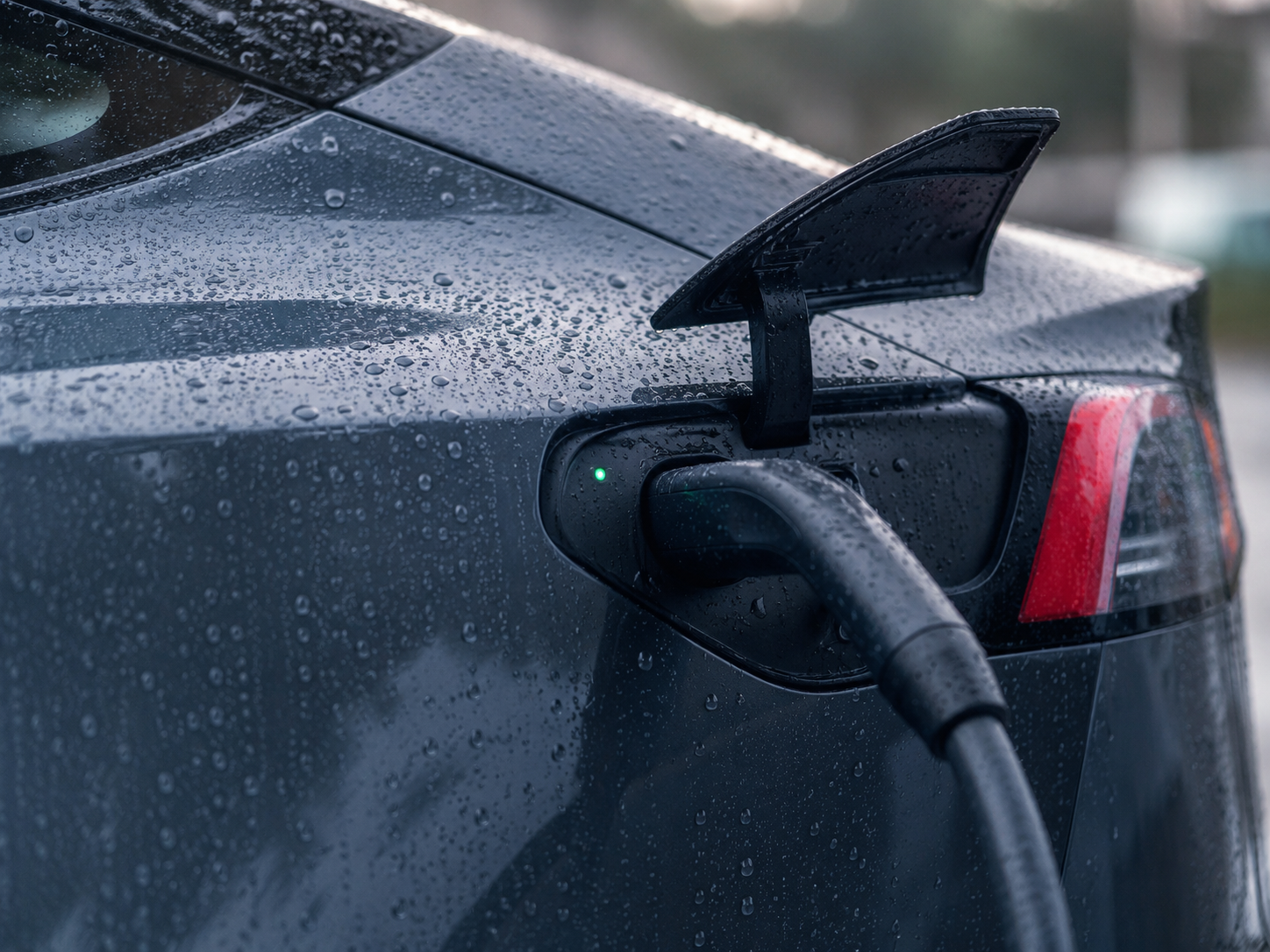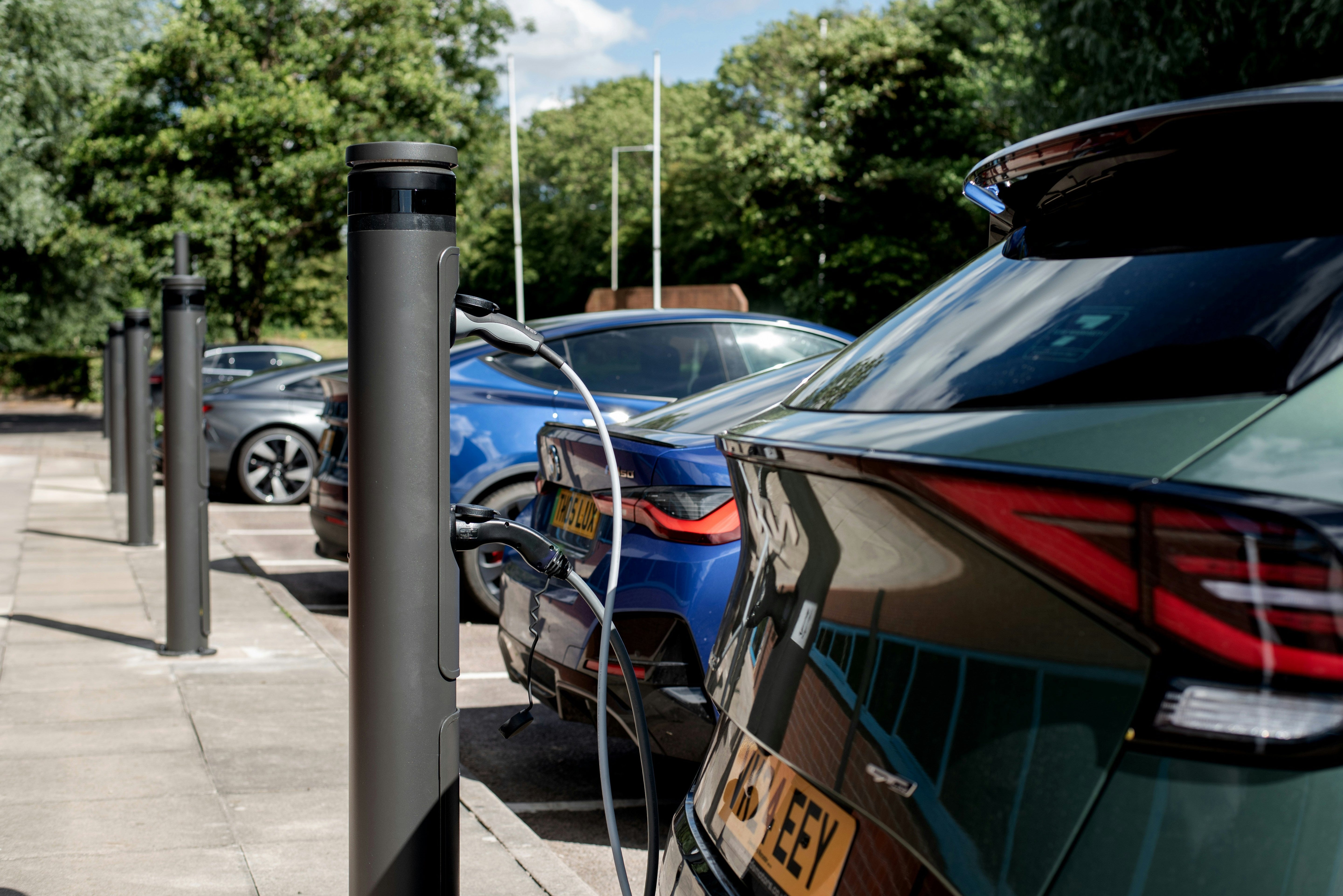
Казалось бы, подключить электромобиль к зарядке должно быть так же просто, как зарядить телефон. Одна вилка, одна розетка, универсальное зарядное устройство. Но вот вопрос, который задает себе почти каждый начинающий водитель: все ли электромобили используют одно и то же зарядное устройство? К сожалению, ответ — нет.
Любой, кто пытался зарядить свой электромобиль во время поездки, знает, каково это – испытывать замешательство, когда разъем не подходит. Это почти обряд посвящения для каждого начинающего водителя, вступающего в мир электромобилей.
Электромобильность — относительно молодая отрасль. Она быстро развивается, но единого языка для обозначения электромобилей до сих пор нет. Разные автопроизводители, страны и сети зарядных станций разработали свои собственные версии того, что означает «стандарт». Результат — не хаос, а естественная эволюция новой технологии. Это показывает, как быстро происходят инновации и сколько еще возможностей для совершенствования существует.
В Evniculus мы считаем это разнообразие частью очарования электромобильности. Наша миссия — помочь водителям понять, как работает зарядка, какое оборудование им действительно нужно и как сделать каждую зарядку безопасной и простой. Как только вы поймете, что находится за разъемом, мир электромобилей покажется вам удивительно простым.
Почему для электромобилей используются разные зарядные устройства?
Может показаться странным, что мировая индустрия электромобилей до сих пор не пришла к единому мнению относительно типа зарядных устройств. Причина в истории. Каждый рынок построил свою собственную электросеть за десятилетия до появления электромобилей. В Европе в основном используется трехфазное электроснабжение, в США — однофазное, а в Японии — совершенно другая структура. Когда появились электромобили, производители разрабатывали системы зарядки, ориентируясь на существующие сети.
Также важен вопрос скорости. Не каждому автомобилю требуется одинаковое количество энергии. В небольших городских моделях часто используется более медленная зарядка переменным током, в то время как автомобили с большим запасом хода предназначены для быстрой зарядки постоянным током. Для каждого типа зарядки используется свой собственный разъем и система управления питанием.
Вот почему одного зарядного устройства не существует. Но хорошая новость в том, что мировые стандарты наконец-то начинают выравниваться. В Европе в основном используется разъем Type 2 для домашней и общественной зарядки, а разъем CCS становится мировым стандартом для быстрой зарядки постоянным током. Со временем совместимость будет продолжать улучшаться, упрощая жизнь водителям во всем мире.
Какие основные типы зарядных устройств для электромобилей существуют?
Если вы когда-либо подъезжали к общественной зарядной станции и обнаруживали, что кабель не подходит, вы уже столкнулись со сложным миром зарядных устройств. К счастью, это не так запутанно, как кажется, если разобраться в основах.
В электромобилях используются два типа тока: переменный ток (AC) и постоянный ток (DC). Переменный ток — это то, что вы получаете из домашней электросети. Он работает медленнее, но бережнее относится к батарее. Постоянный ток, используемый на высокоскоростных станциях, поступает непосредственно в батарею и заряжается гораздо быстрее.
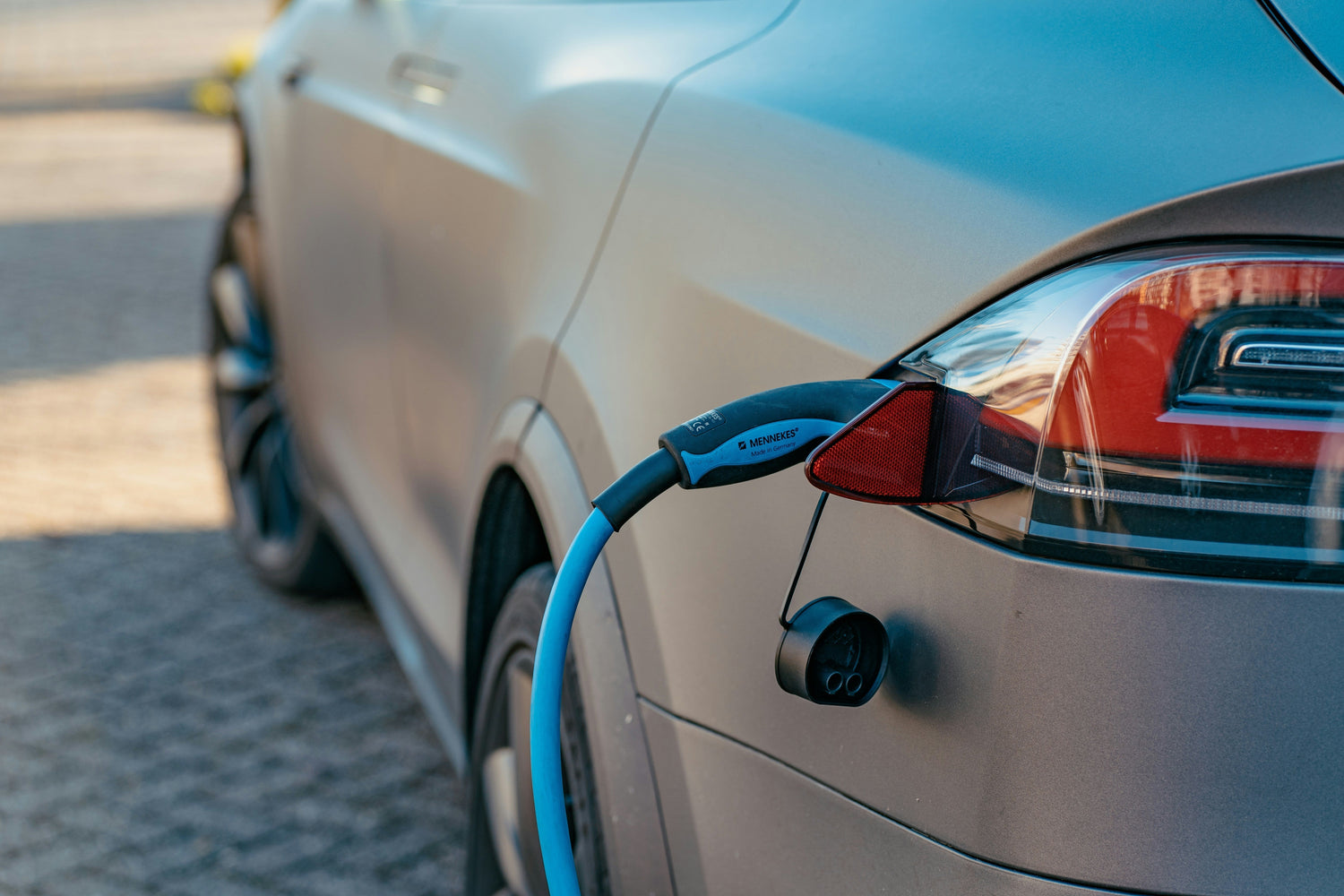
В Европе типы зарядных устройств для электромобилей достаточно стандартизированы. Тип 2, также называемый Mennekes, доминирует для зарядки переменным током, поскольку поддерживает однофазное и трехфазное питание. В Северной Америке используется тип 1, известный как J1772. Для зарядки постоянным током в настоящее время лидирует в мире система CCS (Combined Charging System). Японский стандарт CHAdeMO когда-то был распространен, но постепенно исчезает по мере расширения системы CCS. Компания Tesla первоначально разработала собственный разъем, но в новых европейских моделях для полной совместимости используется CCS2.
Таким образом, хотя на первый взгляд это все еще может выглядеть как набор самых разных разъемов, ситуация неуклонно движется к созданию единого глобального семейства коннекторов.
В чём разница между медленной, быстрой и сверхбыстрой зарядкой электромобилей?
Скорость зарядки зависит как от мощности станции, так и от встроенного зарядного устройства автомобиля. Зарядка уровня 1 осуществляется через обычную бытовую розетку, обычно мощностью от 3 до 4 киловатт. Она занимает больше времени, но бережно относится к батарее и идеально подходит для использования в течение ночи.
Зарядка второго уровня обычно обеспечивает мощность от 7 до 22 киловатт. Для этого требуется специально оборудованное место. настенное зарядное устройство для электромобилей Это наиболее распространенная конфигурация для дома и общественных мест. Большинство водителей считают, что это идеальный баланс между скоростью и стоимостью.
Зарядка 3-го уровня обеспечивает прямой ток постоянного тока, минуя встроенный преобразователь автомобиля. Мощность зарядного устройства варьируется от 50 до более 350 киловатт, и оно может зарядить большинство аккумуляторов до 80 процентов всего за 20-30 минут. Такие зарядные устройства обычно располагаются вдоль автомагистралей или в крупных зонах отдыха.
Не все автомобили поддерживают высокоскоростную зарядку. В каждом автомобиле есть встроенное ограничение на количество энергии, которое он может безопасно получать. Золотое правило простое: ваш электромобиль всегда будет потреблять только столько энергии, сколько позволяет его система.
Как определить, какое зарядное устройство нужно для вашего электромобиля?
Выбор подходящего зарядного устройства начинается с понимания особенностей вашего автомобиля. Большинство европейских моделей используют порт Type 2 для зарядки переменным током и разъем CCS2 для быстрой зарядки постоянным током. Если ваш автомобиль был импортирован или является более старой моделью, он может использовать другую систему, например, CHAdeMO или Type 1.
Лучший способ узнать это — проверить руководство по эксплуатации вашего автомобиля или технические характеристики производителя. Как только вы узнаете тип разъема, посмотрите на максимальную скорость зарядки вашего автомобиля. Покупка самого мощного зарядного устройства на рынке не обязательно обеспечит более быструю зарядку, если лимит вашего автомобиля ниже.
Например, подключение автомобиля мощностью 7,4 кВт к зарядному устройству мощностью 22 кВт не ускорит зарядку в три раза. Автомобиль просто ограничивает потребляемую мощность до 7,4 кВт. Соответствие мощности вашего автомобиля выходной мощности зарядного устройства — залог безопасности и эффективности.
Как адаптеры решают проблемы совместимости?
Адаптеры — это незаметные, но важные элементы электромобильности. Они выступают в роли преобразователей между зарядными системами, позволяя вашему электромобилю подключаться к станциям, которые в противном случае были бы несовместимы.
Типичный пример: Адаптер CCS2 в CHAdeMO для Nissan Leaf Подключиться к станции CCS можно с помощью специального адаптера. Водители Tesla могут использовать адаптеры для зарядки на стандартных станциях Type 2 или CCS, например. Адаптер CCS2 к NACS Для американских автомобилей Tesla с двумя зарядными устройствами постоянного тока и одним зарядным устройством переменного тока Type 2. Эти небольшие устройства значительно расширяют сеть зарядных станций, особенно при поездках через границы.
Однако не каждый адаптер подходит для всех целей. Некоторые работают только с медленным переменным током, в то время как другие предназначены для быстрой зарядки постоянным током. Использование неподходящего адаптера может привести к проблемам с безопасностью или снижению производительности. Всегда выбирайте сертифицированные продукты, соответствующие стандартам безопасности ЕС. Это небольшая инвестиция, которая защитит и ваш автомобиль, и ваше спокойствие.
Что такое домашнее зарядное устройство для электромобилей и как оно работает?
Домашнее зарядное устройство для электромобилей — это специализированное устройство, которое обеспечивает безопасную и эффективную подачу электроэнергии в домашних условиях. Оно подключается непосредственно к электрощитку и подает стабильный, контролируемый поток тока на ваш электромобиль.
В отличие от обычной розетки, домашнее зарядное устройство включает в себя интеллектуальные функции защиты и мониторинга. Оно регулирует ток, контролирует температуру и балансирует потребление электроэнергии в вашем доме. Многие устройства также подключаются к Wi-Fi, что позволяет удаленно запускать или останавливать сеансы зарядки, отслеживать потребление энергии или планировать зарядку в часы действия льготных тарифов.
Типичные модели имеют мощность от 7 до 22 киловатт, чего достаточно для зарядки большинства электромобилей за ночь. Это одно из самых удобных улучшений для любого водителя.
Является ли портативное зарядное устройство для электромобилей хорошей альтернативой?
А портативное зарядное устройство для электромобилей Идеально подходит для обеспечения гибкости. Это компактный комплект кабелей, который подключается к стандартным розеткам или более мощным розеткам в дороге. Хотя он медленнее, чем стационарные розетки, он невероятно полезен в путешествиях или при посещении мест, где отсутствует современная зарядная инфраструктура.
Портативные зарядные устройства обычно выдают мощность от 2 до 22 киловатт. Они идеально подходят для экстренных случаев или длительных поездок, когда нет возможности использовать настенное зарядное устройство. Тем не менее, всегда убедитесь, что розетка находится в исправном состоянии и рассчитана на непрерывную нагрузку. Некачественные соединения могут перегреваться, поэтому крайне важно использовать высококачественную, прошедшую проверку безопасности модель.
Как выбрать лучшее зарядное устройство для электромобиля, соответствующее вашим потребностям?
Он лучшее зарядное устройство для электромобилей Не обязательно самый дорогой. Важно то, которое соответствует вашему распорядку дня, привычкам вождения и домашней обстановке.
Если вы обычно заряжаете автомобиль ночью, то настенного зарядного устройства мощностью 7 кВт будет достаточно. Для длительных поездок или для нескольких автомобилей могут подойти модели мощностью 11 или 22 кВт, при условии, что ваша электросистема это позволяет. Долговечность, сертификация и безопасность важнее, чем декоративный дизайн. Ищите надежные продукты, соответствующие европейским стандартам и имеющие солидную гарантию.
Также набирают популярность интеллектуальные зарядные устройства с управлением по Wi-Fi и мониторингом энергопотребления. Они помогают контролировать потребление энергии, снижать затраты и даже подключаться к солнечным электростанциям, если таковые имеются.
Удобство зарядки дома
Электромобильность все еще развивается, но с каждым годом этот процесс становится все более плавным, быстрым и понятным. Разнообразие разъемов и скоростей может показаться сложным на первый взгляд, но именно это является основой прогресса.
По мере расширения сетей зарядных станций и слияния стандартов владение электромобилем становится не столько вопросом изучения системы, сколько удовольствием от вождения. Правильно организованная система дома и небольшие знания о зарядке превратят зарядку вашего автомобиля в простую часть вашего дня. Экологичнее, тише и умнее.