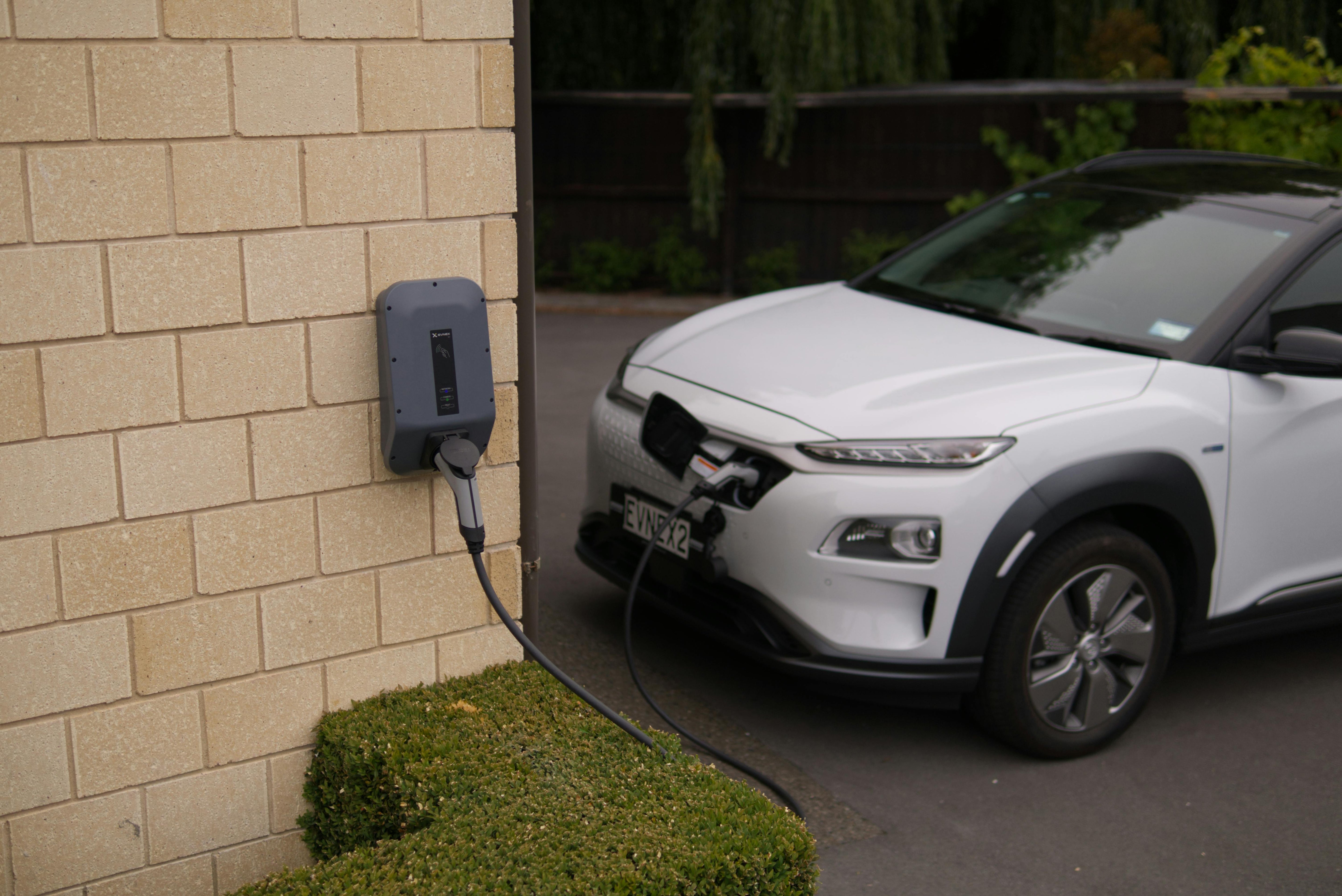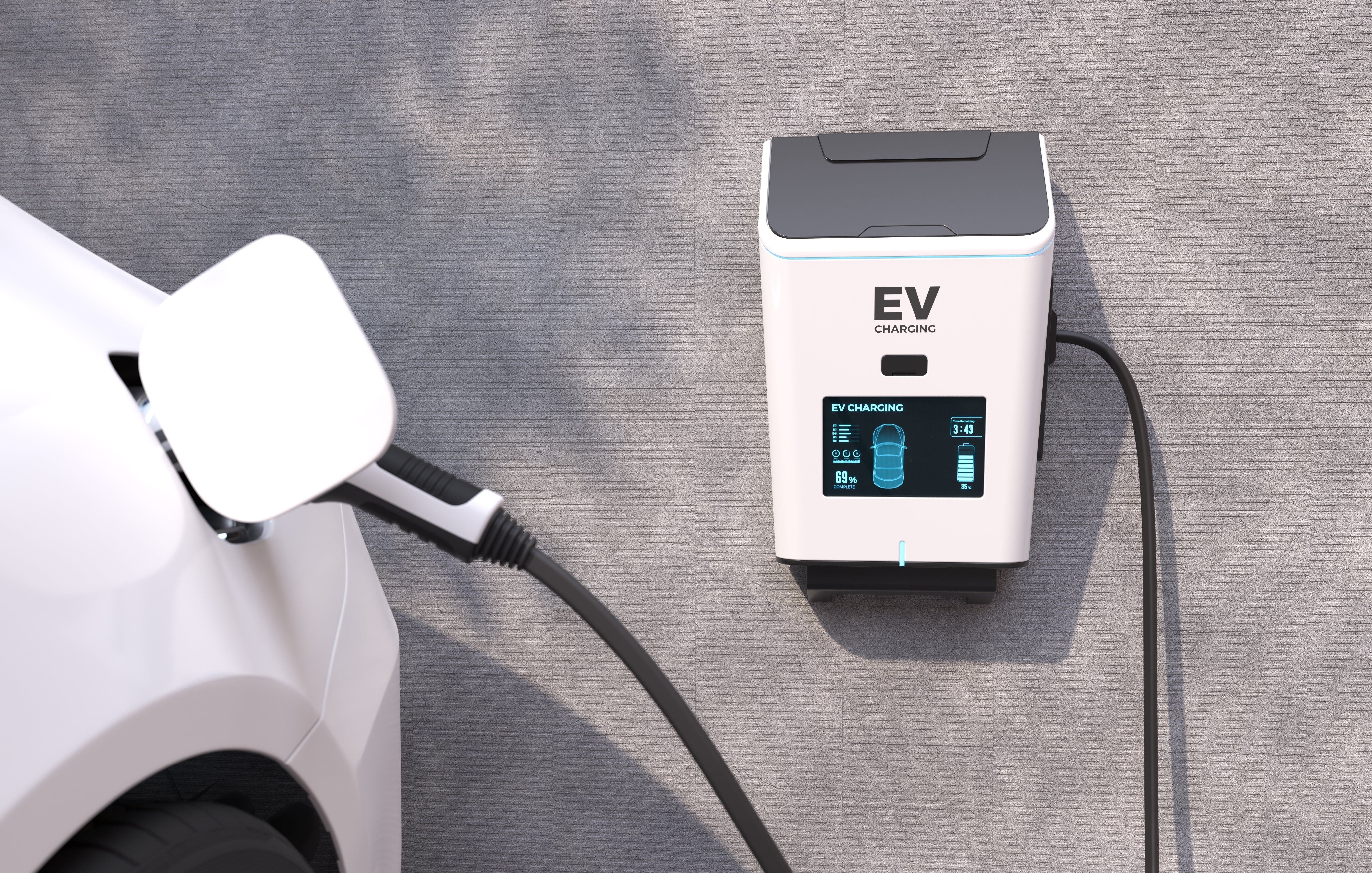
Вы паркуетесь, подключаете зарядное устройство и берете кофе. К тому времени, как вы возвращаетесь, уровень заряда батареи, кажется, не изменился. И это не только у вас. Зарядные устройства, помеченные как «быстрые», иногда работают медленнее, и обычно этому есть причина. Многие водители электромобилей считают, что медленная зарядка — это проблема инфраструктуры. Другие подозревают, что проблема в самом автомобиле. Но между этими крайностями часто скрывается недооцененный компонент: адаптер.
В Evniculus мы достаточно долго работали с пользователями электромобилей, чтобы увидеть закономерности. Один из самых частых вопросов, которые мы слышим, — действительно ли мощный адаптер может что-то изменить. Некоторые говорят «да». Другие не видят никаких изменений. Как и в большинстве случаев с электромобилями, истина зависит от конфигурации.
Характеристики адаптеров для электромобилей
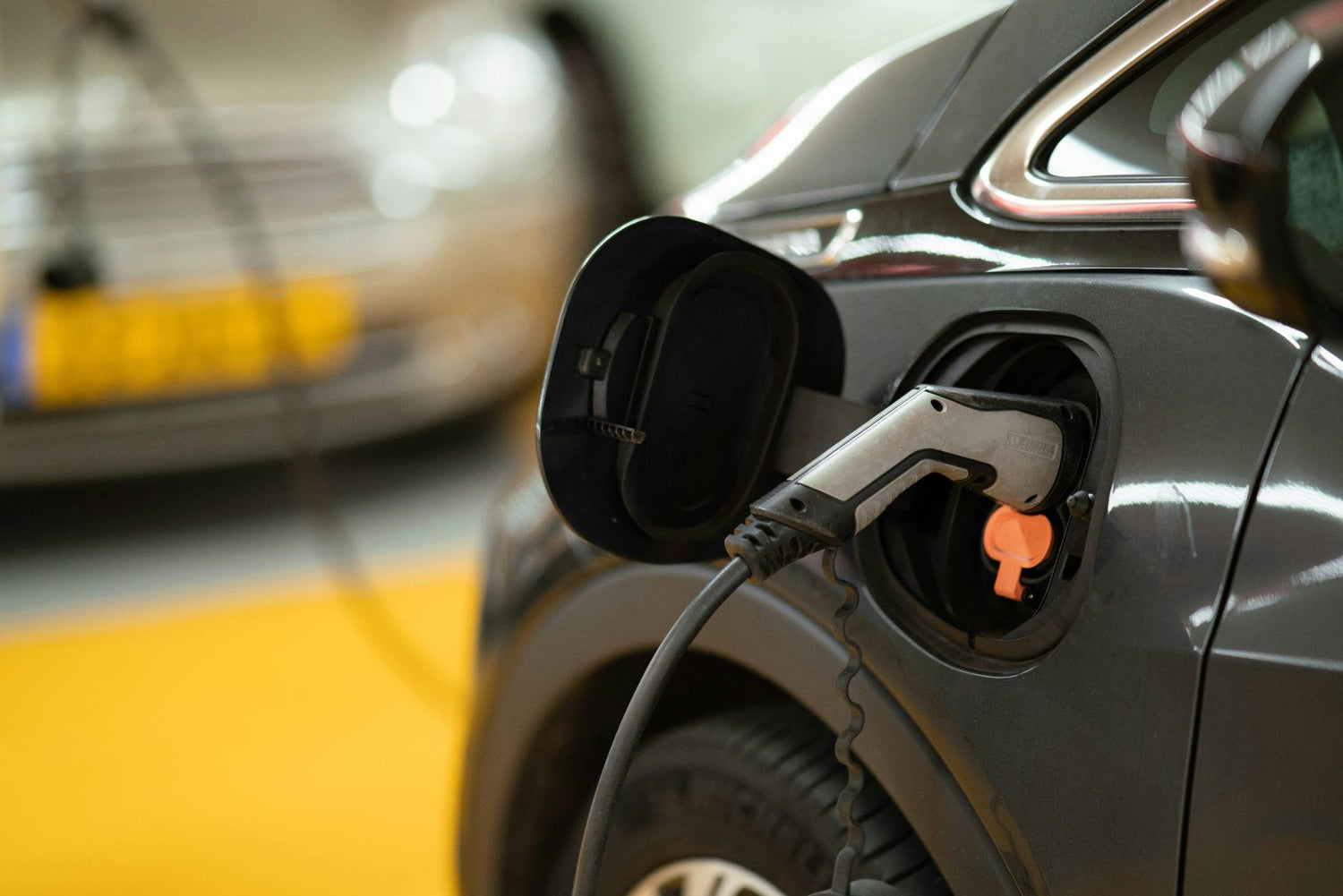
На первый взгляд, адаптер для электромобиля На первый взгляд, все просто. Разъем, несколько проводов, возможно, защитный колпачок. Но если вы когда-либо пытались зарядить свой автомобиль в новом месте, вы уже знаете, что дело не только в форме вилки.
Адаптеры не просто соединяют различные типы разъемов. Они обеспечивают согласованность работы вашего автомобиля и зарядной станции. Это означает соответствие напряжения, силы тока, протоколов сигнала и систем безопасности. Если что-то не совпадает, зарядка может замедлиться или полностью прекратиться.
Сегодня на дорогах можно встретить электромобили, использующие разъемы, разработанные для другого континента. Некоторые полагаются на старые стандарты, другие ожидают более новых протоколов связи. В обоих случаях правильный адаптер определяет, будет ли зарядка или нет. Но даже если зарядка работает, производительность не гарантирована. Иногда мощность ограничивается без объяснения причин. Часто виновником оказывается неявный адаптер.
Многие водители вкладывают средства в высококачественные кабели и домашние зарядные устройства, но упускают из виду адаптер, который их соединяет. Адаптер для электромобиля принимает на себя большую нагрузку, чем большинство водителей ожидают. Если происходит скачок тока или повышается температура, именно тогда проявляется проблема. Со временем эти моменты показывают, насколько хорошо оборудование выдерживает нагрузку.
Что такое адаптер для зарядки электромобиля?
По своей сути, Адаптер для зарядки электромобиляр Это позволяет вашему автомобилю подключаться к зарядному устройству, которое для него не предназначено. Речь идёт не просто о возможности физического подключения. Важно убедиться, что системы с обеих сторон знают, что делать дальше.
Существуют адаптеры, выполняющие самый минимум функций. Они пропускают ток, возможно, зажигают индикатор, и на этом всё. Другие адаптеры более совершенны. Они не просто пропускают ток, а регулируют уровни мощности, предотвращают перегрузки и помогают автомобилю и зарядному устройству правильно взаимодействовать. Это особенно полезно при использовании общественных зарядных станций с различными конфигурациями.
Некоторые станции предлагают несколько типов разъемов. Другие — нет. Если ваш автомобиль ожидает вход CCS, а станция предоставляет только CHAdeMO, вам понадобится адаптер, который может преобразовывать не только расположение контактов.
Лучшие специалисты по адаптации не привлекают к себе внимания. Они работают тихо и стабильно, растворяясь в процессе. Именно тогда вы понимаете, что они выполняют свою работу.
Уровни зарядки
Процесс зарядки не всегда протекает по единому сценарию. Некоторые станции работают быстро, другие — на удивление медленно. И электромобили потребляют энергию по-разному. Как только вы поймете различные уровни зарядки, картина станет намного яснее.
Зарядка первого уровня — это зарядка от стандартной розетки. Она медленная, часто добавляя менее 10 километров запаса хода в час. Для некоторых водителей этого достаточно. Если ваши ежедневные поездки на работу короткие, достаточно будет зарядить аккумулятор на ночь.
Второй уровень меняет правила игры. Он использует розетку на 240 вольт и обеспечивает неплохой запас хода за короткое время, обычно от 30 до 50 километров в час, в зависимости от электромобиля. Он широко распространен в домах, а также во многих общественных местах, таких как офисные здания и парковки.
Быстрая зарядка постоянным током — вот где все ускоряется. Вместо того чтобы проходить через встроенный преобразователь вашего автомобиля, зарядное устройство подает ток непосредственно на аккумулятор. В идеальных условиях вы можете достичь 80 процентов заряда менее чем за 30 минут. Но не каждый автомобиль может это выдержать. И не каждая станция выполняет свои обещания.
Адаптеры должны соответствовать этим уровням. Устройство, рассчитанное на уровень 2, может не выдержать нагрева и мощности постоянного тока. С другой стороны, использование высокоскоростного адаптера на медленной станции не ускорит процесс. Вся система должна быть настроена соответствующим образом.
Влияние мощных адаптеров на скорость зарядки
Легко предположить, что подключение мощного адаптера мгновенно повысит скорость зарядки. Легко предположить, что быстрая зарядка означает мгновенный результат. Но реальная скорость зарядки зависит от того, насколько хорошо три компонента работают вместе. Если у автомобиля, зарядного устройства или адаптера есть ограничение, вся система замедляется, чтобы соответствовать ему.
Мы видели множество водителей, которые подключались к быстрым зарядным устройствам с большими ожиданиями, только чтобы обнаружить, что их автомобиль работает на более низкой скорости. В таких случаях адаптер мало чем может помочь, каким бы продвинутым он ни был.
Бывают также ситуации, когда станция выдает меньше заявленного тока, чем указано. Это может произойти, когда одновременно заряжается несколько автомобилей или когда инфраструктура устарела. Даже с мощным адаптером для зарядного устройства электромобиля время зарядки не увеличится, если станция не обеспечивает достаточный ток, и автомобиль не готов его принять.
Ещё один фактор — нагрев. С увеличением силы тока повышается и температура. Качественные адаптеры справляются с этим благодаря внутренним защитным механизмам. Некоторые адаптеры плохо выдерживают нагрузку. Они нагреваются, снижают скорость или просто работают с меньшей эффективностью. Нередко бывает так, что при быстром старте скорость внезапно падает через несколько минут. Но сам адаптер не является источником такой скорости. Это лишь один из элементов системы.
Как увеличить скорость зарядки электромобиля?
Люди обычно начинают беспокоиться о скорости зарядки, когда у них мало времени. Но ускорение зарядки — это не то, что нужно делать в спешке. Это требует подготовки, и лучше всего это работает, когда все настроено заранее. Начинается это с понимания того, как работает ваша система и где находятся ее ограничения.
Первое, что стоит проверить, это источник питания. Обычная розетка может быть удобна, но она мало что даст. Переход на полноценное домашнее зарядное устройство часто меняет всё, особенно если вы заряжаете устройство регулярно.
Далее, обратите внимание на кабель и адаптер. Если какой-либо из них не рассчитан на мощность, которую может принять ваш автомобиль, система автоматически уменьшит поток. Это встроенная функция безопасности. Выбор компонентов с соответствующей мощностью помогает избежать ненужных замедлений.
В некоторых автомобилях есть интеллектуальные настройки, которые также могут помочь. Эффективность — это не только мощность. Мелочи, такие как прогрев батареи перед зимней зарядкой или установка ограничений при стоянке на солнце, могут существенно повлиять на результат. Эти функции часто встроены, нужно просто ими пользоваться.
Чтобы увеличить скорость зарядки электромобиля, дело не в каких-то уловках или хитростях. Важно понимать весь процесс и убедиться, что каждый компонент выполняет свою функцию.
В каких случаях инвестиции в мощный автомобильный адаптер для электромобилей оправданы?
Не всем нужен высокопроизводительный адаптер. Если вы всегда заряжаете автомобиль дома, используя одну и ту же схему зарядки, и ваш автомобиль не поддерживает быструю зарядку, обновление может не принести видимых преимуществ. Но для водителей, которые используют несколько зарядных устройств в разных местах, ситуация усложняется.
Представьте, что вы переключаетесь между общественными станциями во время поездки или используете портативное оборудование в местах, где типы розеток различаются. В такие моменты хороший автомобильный адаптер для электромобиля становится не просто удобным, а необходимым. Он позволяет получить доступ к более высоким скоростям, когда это возможно, и при этом защищает систему при изменении условий.
Также возникает вопрос о перспективах на будущее. Зарядная инфраструктура развивается. Если ваш автомобиль поддерживает более высокие скорости, а ваш текущий адаптер — нет, вы, возможно, уже упускаете возможности. Правильное обновление гарантирует, что ваш электромобиль сможет работать на полную мощность сейчас и по мере улучшения сети.
В Evniculus мы всегда рекомендуем оценить ваши реальные потребности в зарядке. Заряжаете ли вы устройства в нескольких местах? Приходилось ли вам когда-нибудь ждать дольше, чем ожидалось, даже с быстрым зарядным устройством? Путешествуете ли вы по районам с разными стандартами розеток? Если ответ положительный, то, вероятно, стоит рассмотреть возможность приобретения мощного адаптера.
Часто задаваемые вопросы
Подойдет ли мощный адаптер для любого электромобиля и зарядного устройства?
Нет. Адаптер должен подходить как к автомобилю, так и к зарядному устройству. Если он не подходит, сеанс может работать некорректно, или скорость может снизиться. Всегда проверяйте технические характеристики перед подключением.
Может ли использование мощного адаптера повредить аккумулятор моего электромобиля?
Неисправный адаптер обычно не повредит ваш электромобиль напрямую, но может вызвать проблемы. Без надлежащего контроля температуры или регулирования мощности может наблюдаться перегрев или нестабильная зарядка. Со временем эта нагрузка может повлиять на компоненты зарядки. Выбор проверенного, качественного адаптера снижает этот риск.