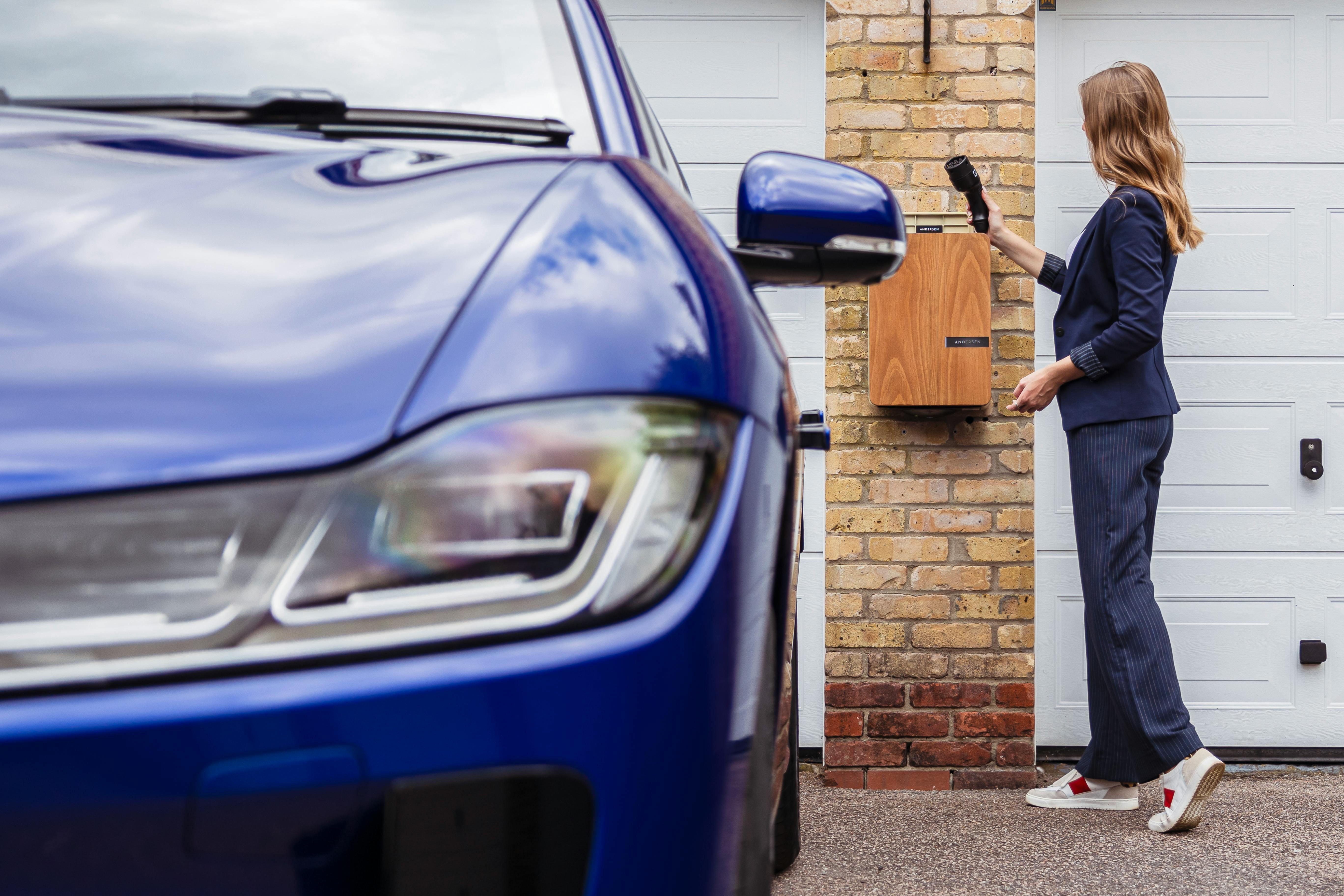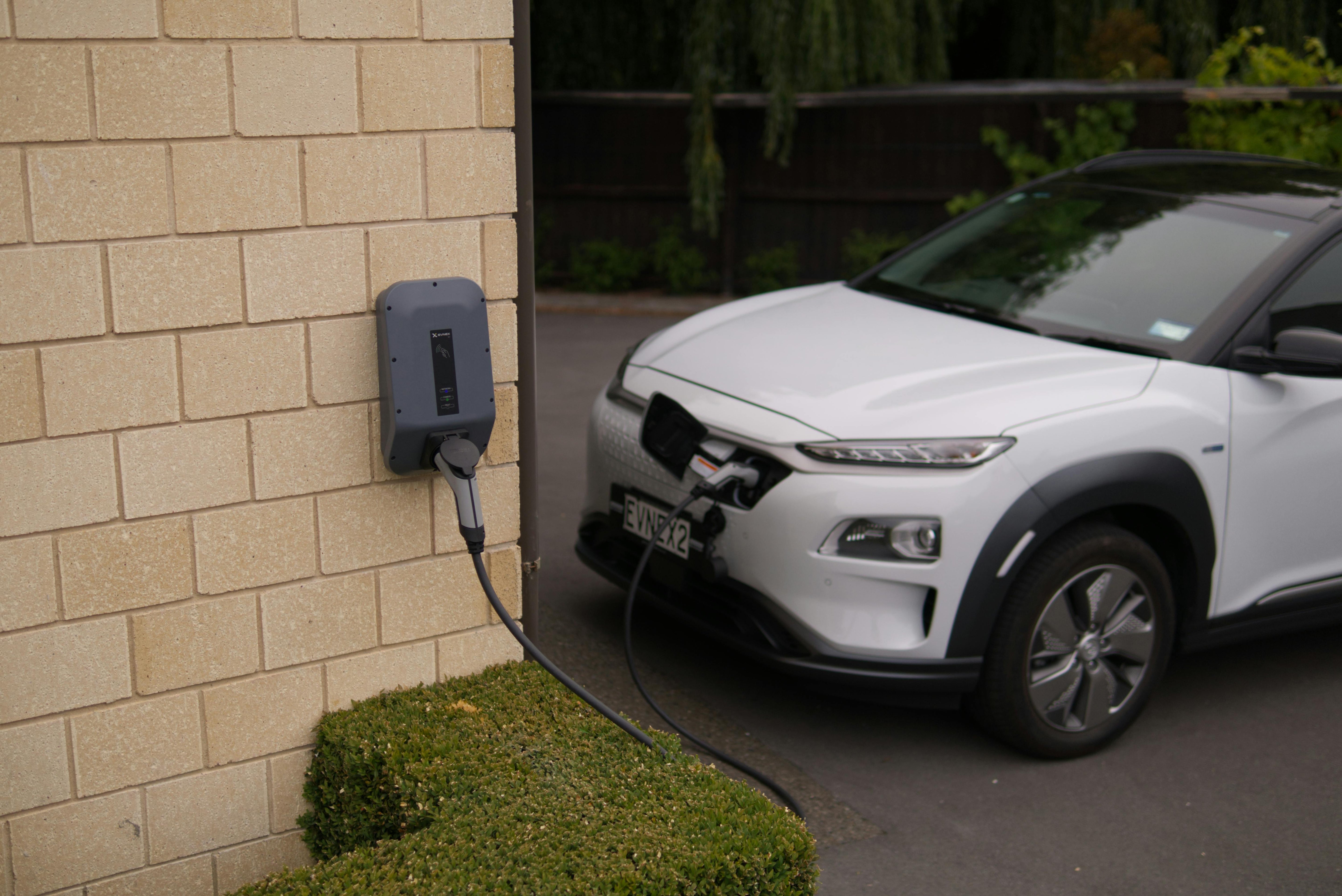

Люди задают этот вопрос в самых разных формулировках. «Прослужит ли он пять лет?», «Что, если я буду много ездить?», «Придётся ли мне его заменять, как батарею в телефоне?» Формулировки меняются, но суть остаётся той же.
Все хотят знать, как долго проработает батарея, прежде чем она начнет... уставать.
Так, Как долго служат батареи электромобилей?? В ЭвникулМы отслеживали, как различные аккумуляторные батареи ведут себя с течением времени. На бумаге большинство из них выглядят одинаково. Но в реальности их старение во многом зависит от того, как люди используют свои автомобили: привычки зарядки, климат и простые повседневные действия.
А если спросить кого-нибудь, кто уже давно ездит на электромобиле, скорее всего, он скажет что-то вроде: «Он не умер. Просто езда на нем уже не такая дальняя, как раньше».
Дело не в том, что батарея сломается. Дело в том, как медленно она разряжается. И как замедлить этот процесс.
Типичный срок службы батареи электромобиля
Некоторые батареи удивляют. Спустя десять лет они всё ещё работают исправно, просто с немного меньшим запасом хода. Другие начинают разряжаться после пяти лет. Не потому, что они сломались, а потому, что работали на износ.
Это как с коленями, на самом деле. Если использовать их бережно, они прослужат дольше. Если же нагружать каждый день, они изнашиваются быстрее. Это не поломка, а просто естественное старение.
Когда люди говорят о Срок службы батареи электромобиляОбычно они подразумевают: как скоро запаса хода станет недостаточно? И правда в том, что это происходит постепенно. Вы не проснетесь однажды утром, обнаружив, что половина вашего запаса хода потеряна. Скорее, вы заметите, что ваш любимый маршрут теперь заканчивается с 14% запаса хода вместо 24%.
Некоторые модели теряют 1–2% емкости в год. Другие показывают лучшие результаты. Климат, интенсивность эксплуатации и удача — все это играет свою роль. И нет двух абсолютно одинаковых автомобилей, изнашивающихся одинаково.
Факторы, влияющие на срок службы батареи электромобиля.
Здесь нет единого правила. Два человека могут ездить на одной и той же машине одинаковое количество лет, и результаты всё равно будут совершенно разными. Это потому, что батареи стареют не сами по себе, а реагируют на то, как мы с ними обращаемся.
Некоторые вещи важнее других. И хотя легко обвинить машину или зарядное устройство, зачастую именно повседневные мелочи определяют состояние устройства. Аккумулятор электромобиля через некоторое время.
Вот тут-то и начинают складываться небольшие привычки.
Температура
Батареи не любят экстремальных температур. Холод замедляет их работу, а жара изнашивает.
Если вы живете в месте с жарким летом и паркуете машину на улице, тепло накапливается, особенно во время зарядки. Со временем это может привести к ускоренному старению. Некоторые электромобили оснащены системами терморегулирования, которые значительно помогают. Другие — нет. Это имеет значение.
Холод не так сильно вреден, но всё же влияет на производительность. Возможно, вы не потеряете срок службы напрямую, но заметите замедление зарядки и снижение эффективности.
Частота зарядки
Важно не только сколько раз вы заряжаете батарею, но и как часто и насколько сильно вы позволяете ей разряжаться.
Некоторые заряжают аккумулятор каждую ночь, даже после короткой поездки. Другие ждут, пока уровень заряда не опустится до 10%. Ни один из этих крайних вариантов не является идеальным. Большинство аккумуляторов остаются в хорошем состоянии, если поддерживать уровень заряда в пределах от 20 до 80% большую часть времени.
Быстрая зарядка также играет свою роль. Это, несомненно, удобно. Но при регулярном использовании система нагревается сильнее, особенно если автомобилю не дают времени остыть.
Стиль вождения
Ускорение, торможение, скорость: ни одно из этих действий не является экономичным с точки зрения расхода заряда батареи при агрессивном вождении.
Резкие запуски и интенсивная эксплуатация быстро расходуют энергию, но также повышают температуру батареи, что приводит к её износу. Дело не в медленной езде, а в избегании постоянных скачков напряжения.
Даже рельеф местности имеет значение. Множество холмов, движение в режиме "старт-стоп" и резкие перепады высоты предъявляют к батарее более высокие требования, чем плавная и равномерная езда.
Рекомендации по обслуживанию аккумуляторов электромобилей
Большинство людей не задумываются о батарее, пока не почувствуют разницу в дальности хода. И это справедливо, обычно всё работает как надо. Но несколько небольших привычек могут существенно изменить ситуацию, особенно со временем.
Дайте батарее «подышать». Конечно, не в буквальном смысле. Но старайтесь не держать её полностью заряженной несколько дней подряд. Если вы зарядили её до 100%, планируйте поездку вскоре после этого. И не допускайте постоянного падения уровня заряда до нуля. Поддержание уровня заряда в пределах от 30 до 80% большую часть времени поддерживает баланс системы.
Если есть выбор, паркуйтесь в тени. Тепло накапливается незаметно, особенно во время зарядки. Гаражи помогают. Как и крытые парковочные места. Не обязательно шикарные, достаточно места, защищенного от прямых солнечных лучей.
Не стоит спешить с каждой зарядкой. Быстрая зарядка хороша, когда вы торопитесь, но медленная зарядка бережнее относится к батарее. Если вы дома на ночь, нет причин торопиться с быстрой зарядкой.
В долгосрочной перспективе эти мелочи могут помочь вам сэкономить. Срок службы батареи электромобиля Это намного превосходит заявленные характеристики. И, судя по тому, что мы видели в Evniculus, такая забота окупается. Именно это отличает электромобили, которые испытывают трудности на начальном этапе, от тех, которые остаются в отличном состоянии после 300 000 километров.
Вопросы-Ответы
Смогу ли я продолжать ездить на своем электромобиле, если батарея уже не та, что раньше?
Безусловно. Это не значит, что машина перестаёт работать, когда батарея разряжается. Просто вы заметите, что запас хода немного уменьшится. Допустим, раньше она проезжала 300 км, а теперь, возможно, 240 или 250. Это нормально. Машина всё ещё едет, всё ещё заряжается. Большинство людей привыкают к этому, даже не задумываясь. Это просто часть долгосрочного вождения электромобиля.
А что, если я буду постоянно заряжать устройство до 100%?
Иногда да, иногда нет. Если вы постоянно полностью заряжаете батарею и оставляете её в таком состоянии на несколько часов (или дней), она может быстрее изнашиваться. Но если вы собираетесь в длительную поездку? Тогда смело заряжайте. Важнее то, как часто и как долго батарея остаётся полностью заряженной. Многие владельцы электромобилей обычно заряжают батарею на уровне 80-90% в течение недели. Это хорошо работает и поддерживает её в рабочем состоянии в долгосрочной перспективе.
Следует ли мне полностью избегать быстрой зарядки?
Нет, избегать его не нужно, просто не стоит делать его единственным методом. Быстрая зарядка выделяет тепло и подвергает элементы питания дополнительной нагрузке. При периодическом использовании она совершенно безопасна. При ежедневном использовании она может ускорить износ. Главное — баланс: быстрая зарядка, когда это необходимо, и медленная, когда это возможно.