Большинство водителей понимают это через несколько недель. Не потому, что кто-то им сказал, что лучше, а потому что жизнь навязывает определенный ритм. Ты пробуешь одно, потом другое. В конце концов, что-то приживается.
Некоторые заряжают устройства дома и больше об этом не задумываются. Другие же переключаются между приложениями, кабелями и временем ожидания. Единого правила нет. Но есть закономерности, и именно об этом идет речь.
В Evniculus мы видим, как водители вырабатывают привычки, соответствующие их темпу. Именно поэтому зарядка становится легкой, не автоматической, а естественной.
Всё о домашней зарядке Nissan Leaf
Зарядка дома кажется простым делом. И в большинстве случаев это так. Вы возвращаетесь вечером, подключаете зарядное устройство, и к утру машина готова к работе. Но за этим скрывается несколько важных нюансов, которые стоит знать.
Можно ли зарядить Nissan Leaf дома?
Да, можно. Все модели Leaf поддерживают домашнюю зарядку. Некоторые владельцы используют обычную розетку, другие устанавливают настенное зарядное устройство. Разница заключается в скорости. Зарядка от обычной розетки может занять более десяти часов. Настенное зарядное устройство, в зависимости от мощности, может сократить это время вдвое. Так что, если вы спрашиваете... Можно ли зарядить Nissan Leaf дома?Да, ответ — да, но не все варианты одинаковы.
Как зарядить Nissan Leaf дома?
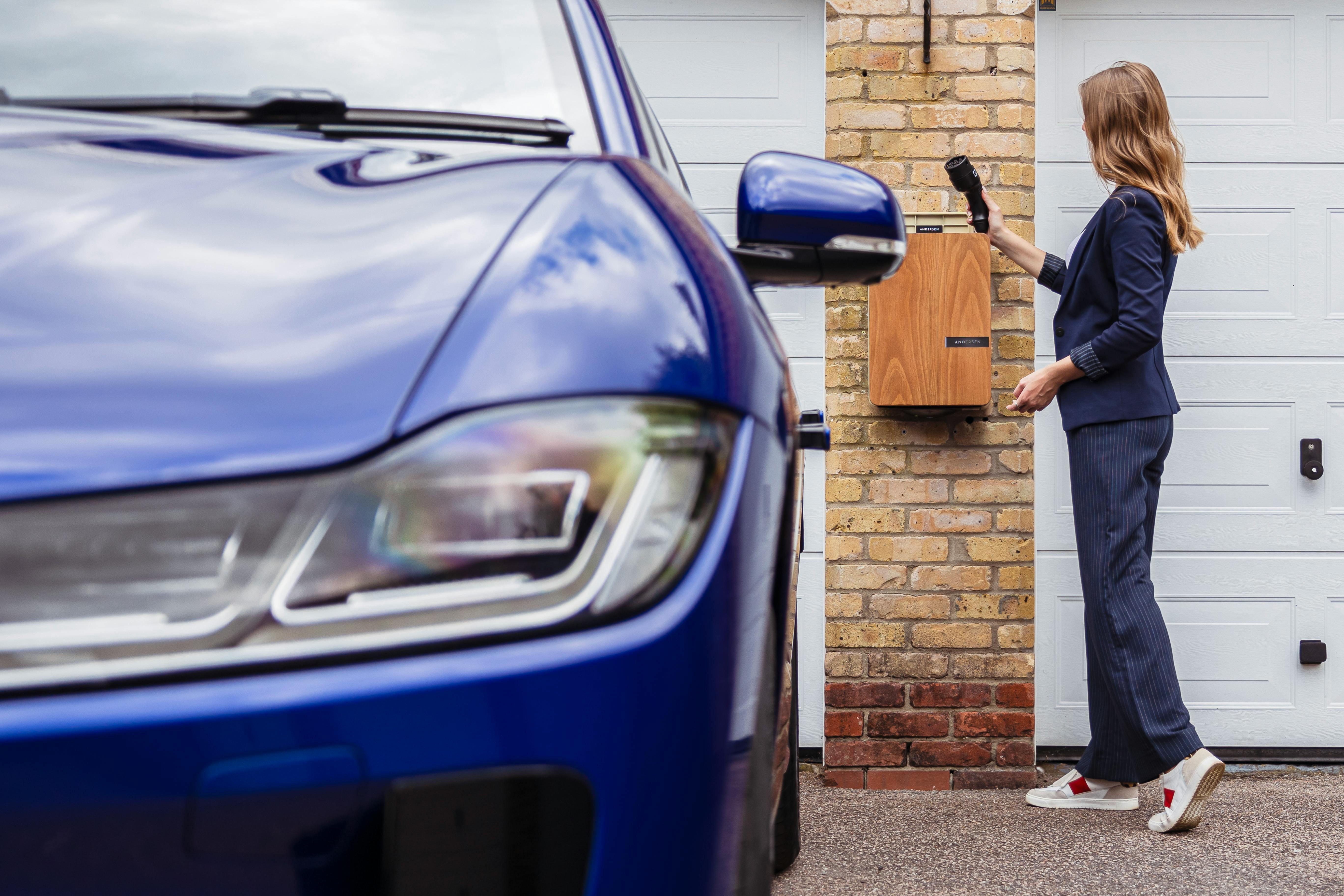
Сначала найдите стабильный источник питания. Затем подключите зарядный кабель к разъему автомобиля. Обычно он находится спереди, за небольшой крышкой. После подключения Leaf начнет заряжаться немедленно, ничего нажимать не нужно.
Если вы всё ещё задаетесь вопросом... Как зарядить Nissan Leaf домаПроверьте скорость зарядки. В старых домах может быть ограниченный ток, что замедляет работу всех устройств. По возможности, вызовите электрика для проверки вашей электросети.
Какой адаптер вам нужен?
Это зависит от поколения вашего автомобиля. В более ранних моделях Leaf используется тип 1, который не подходит для более новых европейских аккумуляторных батарей. Вот где... адаптер для зарядки Nissan Leaf Вставляется. Это позволяет подключить розетку типа 1 к зарядному устройству типа 2. Эти адаптеры зарядных устройств Они распространены и их легко найти, но важно проверить совместимость.
Существуют также многостандартные адаптеры для зарядки электромобилей на рынке. Некоторые водители возят с собой запасные части. адаптеры для электромобилей в багажнике, особенно если они путешествуют и им может потребоваться зарядка на разных типах зарядных станций.
Почему многие водители выбирают домашнюю зарядку
Это тихо, просто и подходит под ваш график. Вот почему. Домашняя зарядка Nissan Leaf Для многих это по-прежнему остается вариантом по умолчанию. Вы не зависите от чужого оборудования или приложения. И со временем экономия становится очевидной. В большинстве мест зарядка дома ночью обходится гораздо дешевле, чем использование общественных сетей.
Как зарядить Nissan Leaf в общественном месте?
Общедоступные зарядные станции обеспечивают большее разнообразие. В этом заключается как преимущество, так и сложность.
В оживлённом супермаркете вы можете обнаружить три розетки. Одна занята, одна не работает, а к одной подходит только определённый тип вилки. Как зарядить Nissan Leaf? В таком месте?
Для начала проверьте тип станции. Зарядные устройства переменного тока распространены на парковках и в офисах. Они медленнее, но полезны, если вы остаетесь на некоторое время. Быстрые зарядные устройства постоянного тока работают быстрее и часто встречаются рядом с автомагистралями или транспортными узлами. Однако не все Leaf поддерживают быструю зарядку, особенно старые модели.
Теперь встает вопрос об оборудовании. Многие общественные зарядные устройства уже имеют подключенные кабели. Другие требуют использования собственных кабелей. И вот тут-то и возникает необходимость в правильном подключении. адаптер для зарядки электромобиля помогает. Некоторые водители даже возят с собой два или три. адаптеры для зарядки электромобилейНа всякий случай. Это может показаться излишним, пока вы не окажетесь в новом городе с почти разряженной батареей и одним несовместимым портом.
Если вы не уверены Где зарядить Nissan Leaf?Есть несколько приложений, которые стоит проверить. Некоторые водители предпочитают PlugShare, другие используют Chargemap или встроенную в автомобиль навигацию. Все они показывают наличие станций, тип мощности и пользовательские рейтинги. Просто помните: карты помогают, но не гарантируют, что зарядное устройство будет бесплатным или работоспособным.
В общественных местах гибкость важнее рутины. Иногда вы заряжаете аккумулятор полностью. В других случаях десяти минут достаточно, чтобы добраться домой.
Рекомендации по зарядке Nissan Leaf
Большинство привычек формируются со временем. Зарядка не является исключением.
Спустя несколько недель эксплуатации автомобиля начинаешь замечать закономерности. Возможно, ты всегда заряжаешь машину по средам. Или, может быть, подзаряжаешь её каждый раз, когда заезжаешь в спортзал. В любом случае, система подстраивается под твой распорядок дня.
Но есть несколько моментов, которые стоит учитывать.
Старайтесь не оставлять батарею заряженной на 100%, если в этом нет крайней необходимости. Лучше заряжать её примерно до 80% в большинстве случаев. Так элементы батареи меньше нагреваются и служат дольше.
Кроме того, не допускайте слишком частого падения уровня. Если он постоянно опускается ниже 10%, это уже признак износа в долгосрочной перспективе.
Если вы используете быструю зарядку, не спешите отключать её, как только скорость зарядки снизится. Последние 20% могут занять больше времени, но именно на этом этапе происходит балансировка. А если вы всегда останавливаетесь на 60%, система никогда по-настоящему не стабилизируется.
Большая часть этого получается сама собой. Но если вам нужно простое правило, Рекомендации по зарядке Nissan Leaf В конечном итоге все сводится к одному: относитесь к батарее так, как будто хотите, чтобы она долго служила. А не так, чтобы ее нужно было выжимать до предела.
Лучше заряжать Nissan Leaf дома или на общественных зарядных станциях?
Зависит от обстоятельств. Не в качестве расплывчатого ответа, а как единственно верного ответа, применимого к реальной жизни.
Иногда зарядка дома дается без усилий. В другие разы приходится полагаться на зарядную станцию возле продуктового магазина, даже когда идет дождь. В этом-то и дело. Зарядка — это не какая-то одна устоявшаяся привычка, она меняется в зависимости от того, как вы двигаетесь.
Для людей с привычным распорядком дня и местом для парковки подключение к электросети дома становится привычным делом. Тихо. Предсказуемо. Дешевле.
Если ваш распорядок дня менее структурирован или вы проводите много времени в дороге, общественные станции метро предложат вам недостающую гибкость. Они не идеальны, но существуют и быстро развиваются.
Большинство владельцев Leaf выбирают что-то среднее. Немного того и немного другого. Одно дает ритм, другое — дальность броска.
А если вы всё ещё пытаетесь разобраться Как зарядить Nissan Leaf Вы делаете то, что подходит именно вам, и не отстаёте. Вы делаете то же самое, что и все остальные в начале: учитесь, адаптируетесь, берёте плату тогда и там, где это имеет смысл.
В Evniculus мы считаем, что именно такая автономность является истинной ценностью электромобилей. Вы не идете по одному пути. Вы находите свой.
Вопросы-Ответы
Может ли скорость зарядки повлиять на стоимость автомобиля Leaf при перепродаже?
Не напрямую, но состояние батареи играет большую роль, и именно здесь важны привычки зарядки. Если автомобиль постоянно находился на быстрых зарядных устройствах, элементы могут изнашиваться сильнее. Люди, покупающие подержанные электромобили, часто спрашивают об этом. Leaf, который в основном заряжается дома медленно, как правило, лучше сохраняет свои характеристики.
Возможно ли полностью зарядить Nissan Leaf с помощью солнечных батарей?
Да, хотя это не система «подключи и работай». Вам понадобится надежная система с панелями, инвертором и, возможно, аккумулятором. Лучше всего заряжать в полдень, так как именно тогда панели вырабатывают больше всего энергии. Зарядка не будет производиться каждый день, особенно зимой, но это возможно при хорошем планировании.
Могу ли я использовать свой Leaf для электроснабжения дома во время отключения электроэнергии?
Технически да, но это пока не распространено. Leaf поддерживает двунаправленную зарядку, поэтому автомобиль может возвращать энергию. Но для этого потребуется специальное оборудование, и в большинстве мест подобные системы пока находятся на ранней стадии развития. Тем не менее, это многообещающе. В Японии это уже используется.
Действительно ли вам нужен отдельный зарядник дома для Nissan Leaf?
Некоторые владельцы Leaf используют базовый кабель, и их это устраивает, особенно если они мало ездят. Но через некоторое время начинаешь замечать, что зарядка идёт медленно. Однажды вечером зарядка всё ещё идёт до полуночи. Именно тогда люди обычно начинают задумываться о более совершенной системе зарядки.
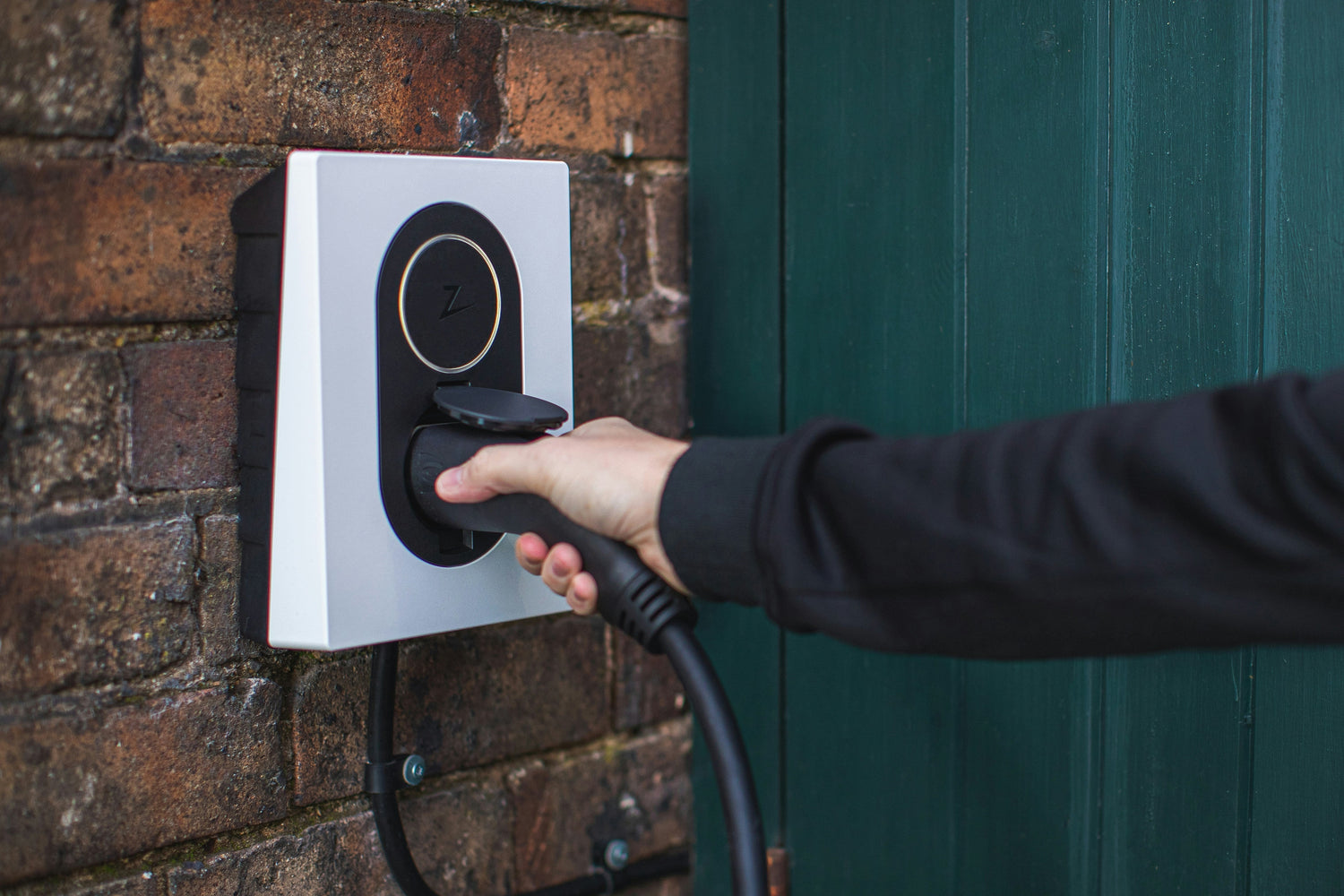
Установка стационарного Зарядное устройство для Nissan Leaf Дома это несложно. Конечно, быстрее. Но, что еще важнее, это просто упрощает жизнь. Больше не нужно гадать, сколько времени это займет. Подключаешь, отходишь, и он делает то, что должен.