Tesla Electric Vehicle Models
When people compare Tesla electric vehicle models, they usually start with range. That makes sense, but it is not enough. A Tesla is easier to judge once you look at charging speed, battery behavior, onboard AC charging limits, and how the car works with home and public infrastructure. At Evniculus, that is the practical angle we care about most.
Anyone researching electric vehicle charging models Tesla is really looking at a bigger system. The car matters, but so does the tesla app, route planning, home charging setup, and the tesla supercharger network. That is where Tesla still has an advantage. The vehicle and the charging environment are designed to work together, which makes daily use simpler and long-distance travel easier to manage.
Tesla models
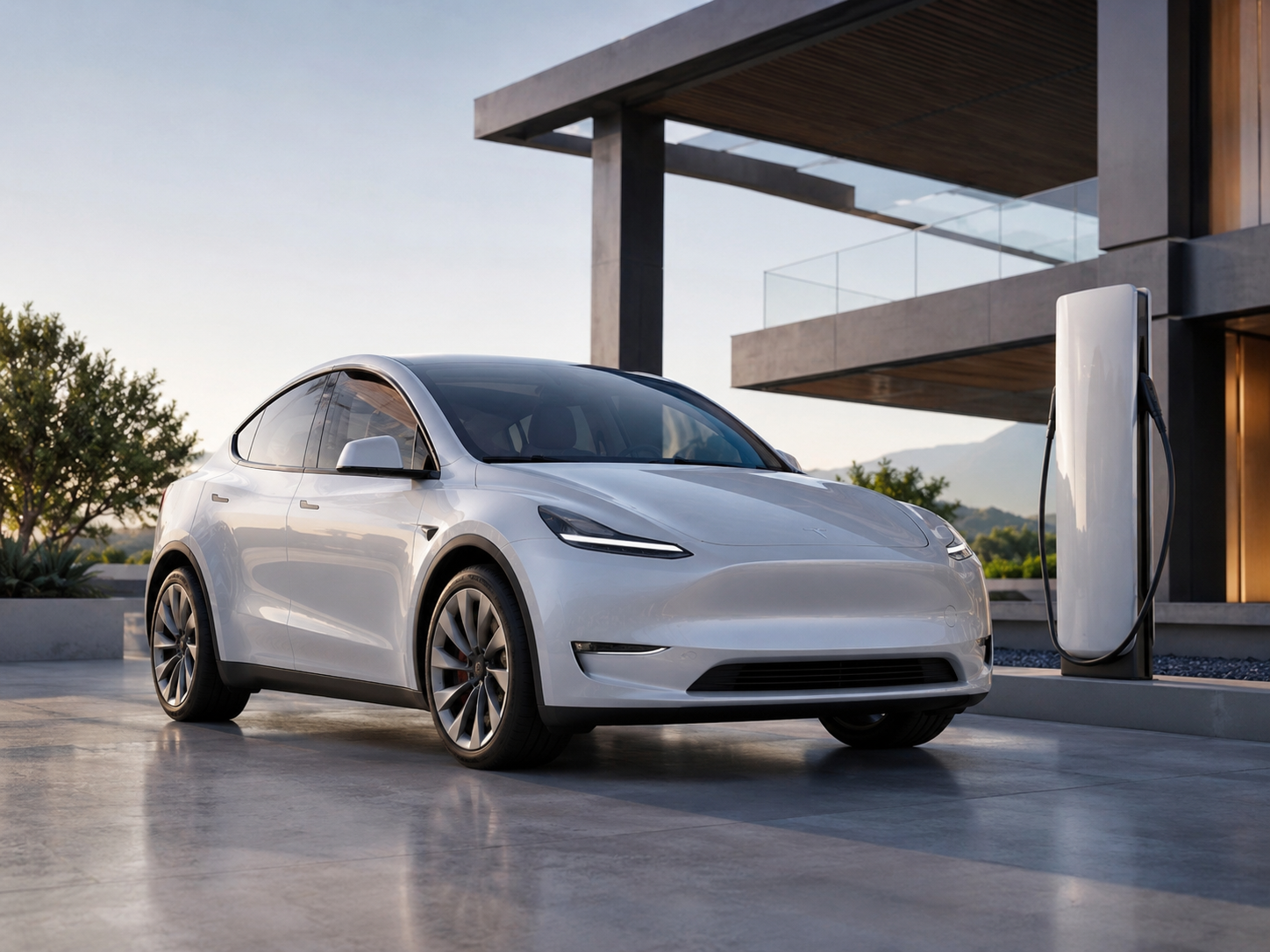
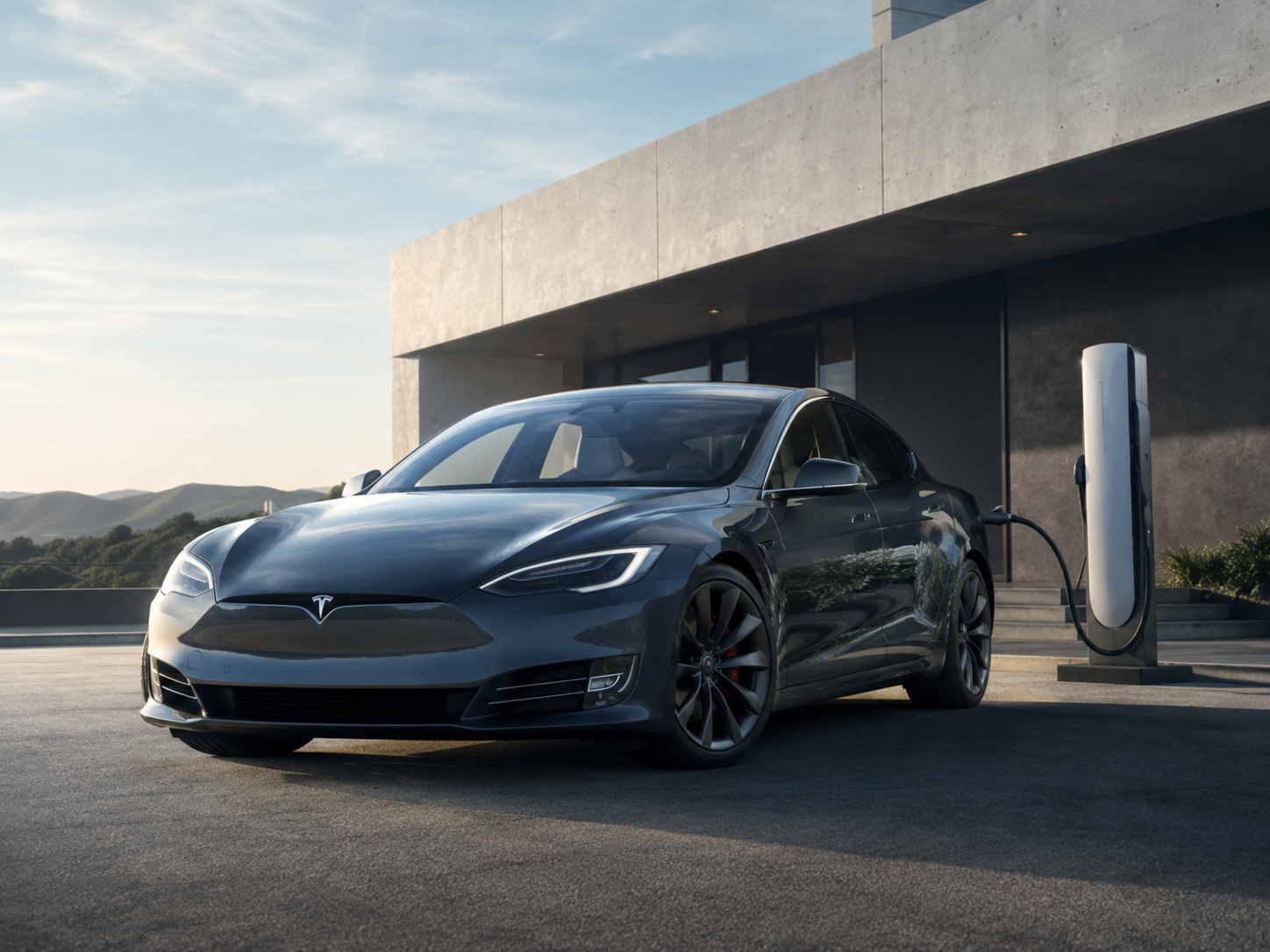
Overview of Popular Tesla Electric Vehicle Models and Battery Tech
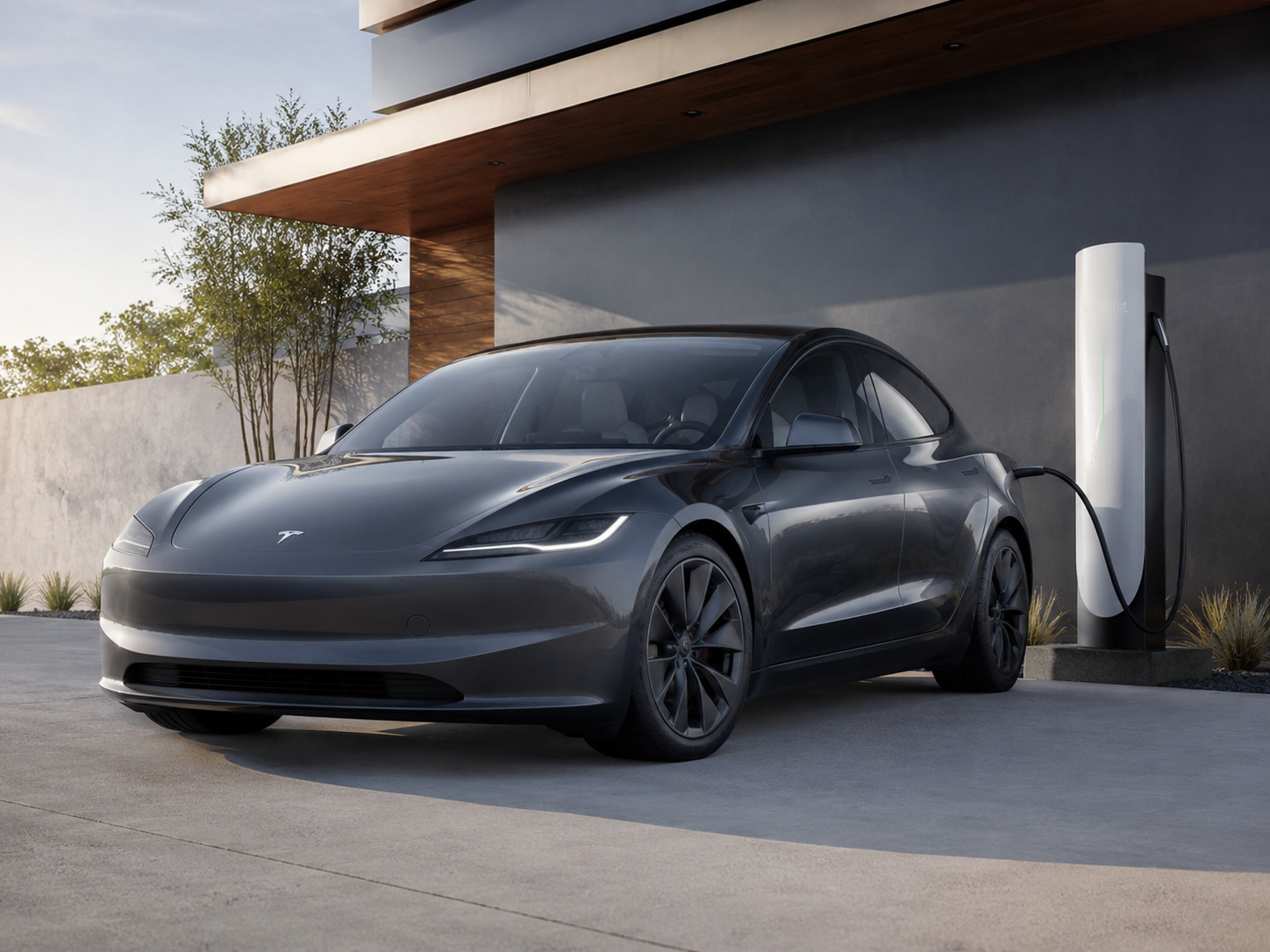
For most buyers, the core comparison is between Model 3 and Model Y. Model 3 is the more efficient-focused option. On Tesla’s current UK specifications, versions of Model 3 reach up to 250 kW DC for fast charging, with official consumption figures varying by trim. That matters because lower energy use usually means fewer charging stops and lower running costs over time.
Model Y follows the same logic, but in a more practical shape. It gives more space and a higher driving position, but charging performance still depends on the version. Tesla’s current Model Y specifications show both 175 kW and 250 kW DC charging ceilings depending on the trim. So even within one model line, charging performance is not identical.
Battery tech plays a real part here. Tesla’s charging system is built around battery preconditioning, which means the car can warm or prepare the pack before reaching a fast charger. In simple terms, the battery arrives in a better state to accept power. That helps shorten charging stops and makes fast charging more consistent, especially on longer drives.
How to Choose a Home EV Charger for Your Tesla?
The best answer to how to choose a home EV charger Tesla starts with one detail many buyers miss: the wall unit is not the only limit. The vehicle’s onboard AC charger also matters. That means the same home charger can perform differently depending on which Tesla model is connected.
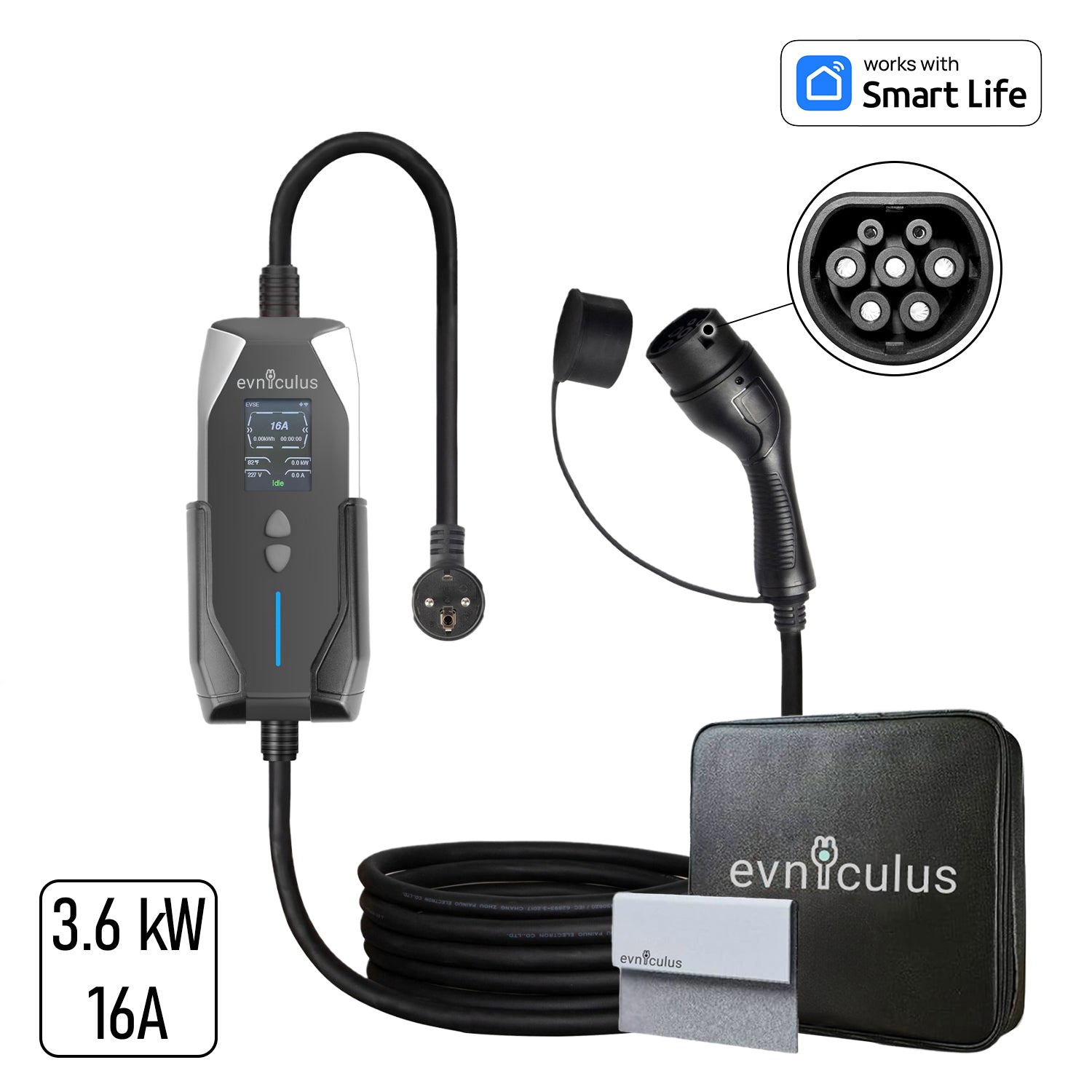
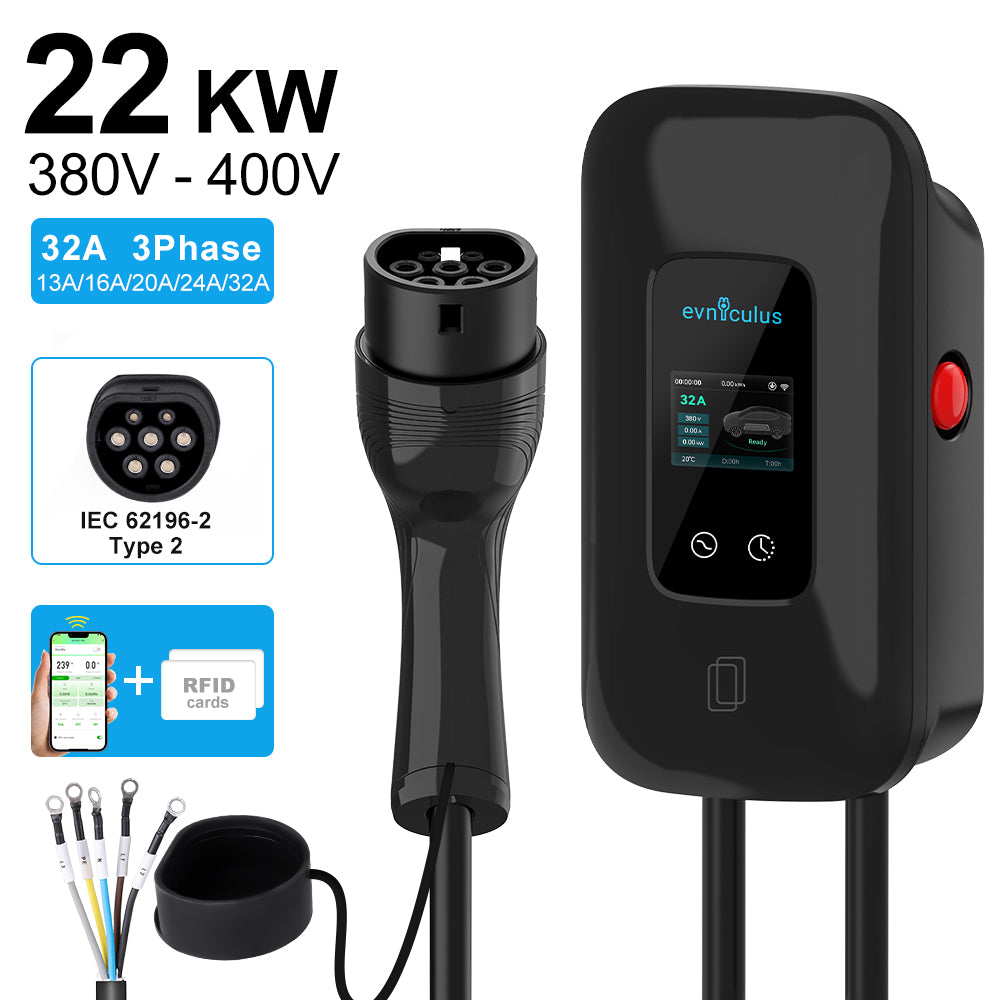
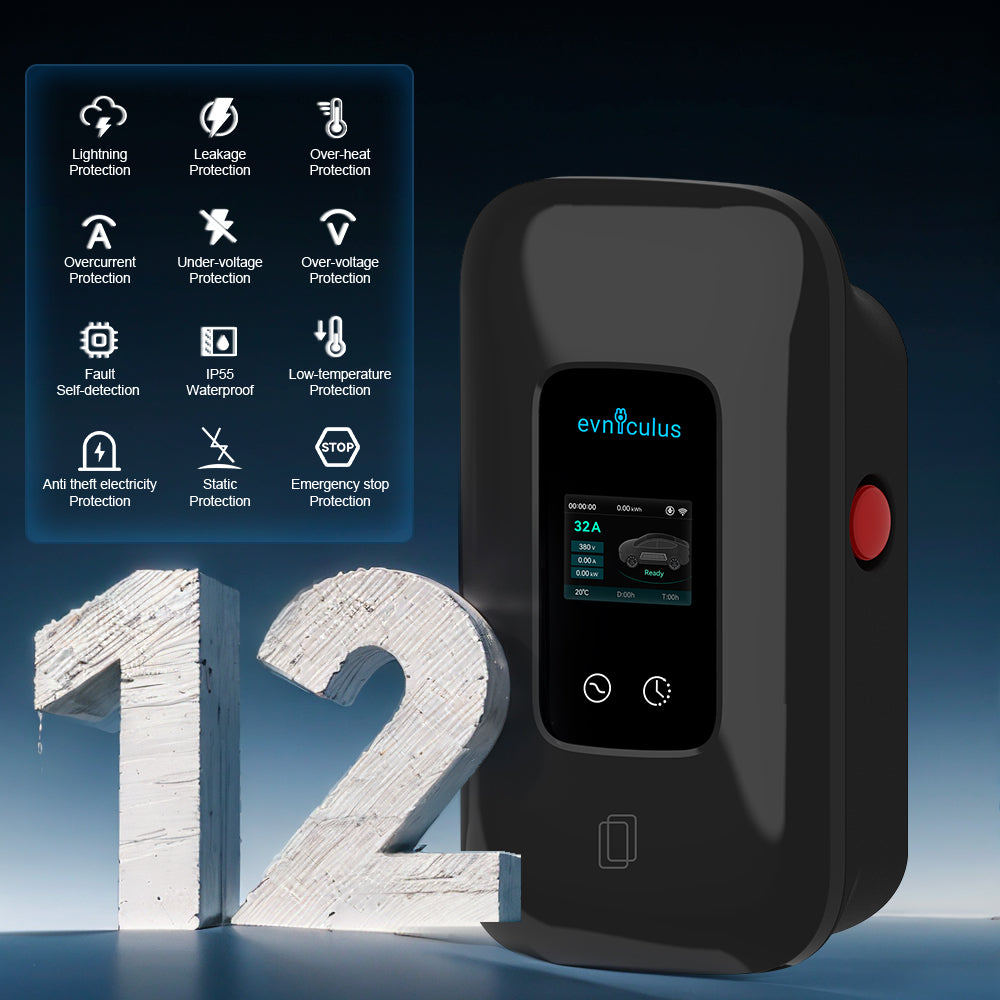
A dedicated Tesla EV charger is usually the strongest choice for daily home use because it makes overnight charging routine and reliable. Tesla’s Wall Connector delivers up to 11.5 kW / 48 amps, but not every model can use that full output on AC. For example, Tesla’s support guidance shows Model 3 Rear-Wheel Drive at 7.7 kW / 32 amps, while Model 3 Long Range and Performance can go up to 11.5 kW / 48 amps when installed on the right circuit.
So the real decision is not just which charger to buy. It is how much charging recovery you need overnight, what your electrical supply can support, and whether the car will be the only EV on the property.
The Importance of Professional Tesla EV Charger Installation
This is why Tesla EV charger installation matters more than people think. A proper install is not only about safety. It is also about getting the expected charging speed, choosing the right breaker size, placing the charger in a usable spot, and making sure the setup can handle future needs.
Tesla’s installation guidance ties charging performance to circuit design. A car that can accept higher AC power still needs the right breaker and installation to use it properly. That is also why load management matters in some homes. If another EV is added later, or if power needs to be shared, the installation must be designed for that from the start.
Performance Comparison: Finding the Best EV Charger for Tesla
When people compare Tesla EV chargers, the better question is not which one looks best on paper. It is which one fits the job.
The best EV charger for Tesla at home is usually a fixed wall-mounted charger because it turns charging into a habit. Park, plug in, and let the car recover overnight. For most drivers, that is the easiest and most cost-effective way to handle daily charging. Tesla’s Wall Connector is built for that role, with up to 11.5 kW output, app-based monitoring, and power management features.
Public charging is different. It is there for top-ups, travel days, and longer routes. So the right comparison is not a home charger versus a public charger. It is daily charging versus travel charging. They solve different problems.
Mobile Power: How to Use Public EV Chargers with Your Tesla?
The real point behind how to use public EV chargers Tesla is not whether Tesla can use public infrastructure. It can. The more useful question is how to do it well.
The car’s navigation helps a lot here. When a fast charger is entered as a destination, Tesla can prepare the battery before arrival. That improves charging conditions and reduces the chance of reaching the charger with a cold pack and slower intake. The route planner also makes it easier to build charging into the trip instead of treating it like a last-minute stop.
In practical terms, public charging works best when drivers think about stop length, charging speed, and location type. A short roadside stop needs a different charger from a hotel or long parking stay. That is what makes public charging feel smooth rather than random.
Fast Charging Mastery: How to Charge EV at Tesla Station and Superchargers
If someone is looking up how to charge EV at Tesla station, the process itself is simple. Open the charge port, plug in, and the session starts automatically. The more important detail is what happens around that session.
This is where Tesla EV charging becomes more technical. Tesla’s Supercharger system uses route planning, live network integration, and battery preconditioning to make fast charging more efficient. Tesla says Superchargers can add up to 200 miles in 15 minutes in the right conditions, while V3 Superchargers support high-speed charging and current V4 passenger-vehicle hardware supports up to 500 kW. Actual charging rate still depends on the car, battery temperature, state of charge, and the point in the charging curve.
That last point matters. Peak power is not the same as sustained power. Charging usually slows as the battery fills, which is why shorter stops can be more time-efficient than waiting for a very high percentage. In real use, fast charging works best when the driver uses the network for recovery, not for sitting longer than needed.
Optimizing Your Daily Range with Advanced Tesla EV Charging Tips
The best daily charging strategy is usually the simplest one. Use home charging as the base. Let the car recover overnight. Use fast charging when distance or time makes it necessary.
That approach works because Tesla ownership is easier when charging becomes part of the routine instead of a separate task. A stable home setup, the right AC charging level, smart route planning, and battery preconditioning all reduce friction. The result is not just faster charging. It is a vehicle that feels easier to live with every day.