Mini Electric Vehicles
A small electric car has to prove itself in a very particular way. It cannot rely on size, huge boot space or the feeling of a large SUV. It has to work in tighter streets, in real traffic, with short journeys, awkward parking spaces and the kind of everyday driving that does not always look exciting on paper. School run. A weekly shop. Twenty minutes across town. A quick motorway stretch when the day does not go to plan.
That is where MINI still has a certain advantage. The brand was never built around being the biggest car in the car park. It was built around compact proportions, fast reactions and a shape people recognise immediately. The move to electric has changed the technology underneath, but not the basic idea. A MINI should still feel small, sharp and personal.
For drivers looking at mini electric vehicles, the question is not only whether the car is electric. Most new EVs are quiet, smooth and easy enough to drive. The more useful question is whether the car fits real life. Can it cover normal commuting without charging anxiety? Is the boot space enough? Are the rear seats usable? Does it still feel fun to drive, or has the extra weight of the battery taken away the old MINI character?
We look at electric cars every day from the charging and ownership side, not only from the showroom side. That makes the MINI range interesting, because it sits in a space where emotion and practicality meet. A mini ev is rarely bought as a purely rational spreadsheet decision. People buy it because they like the design, the size, the history and the way it feels. Still, the numbers matter: electric range, battery size, charging time, running costs and long-term usability all need a proper look.
Mini Electric Vehicles models
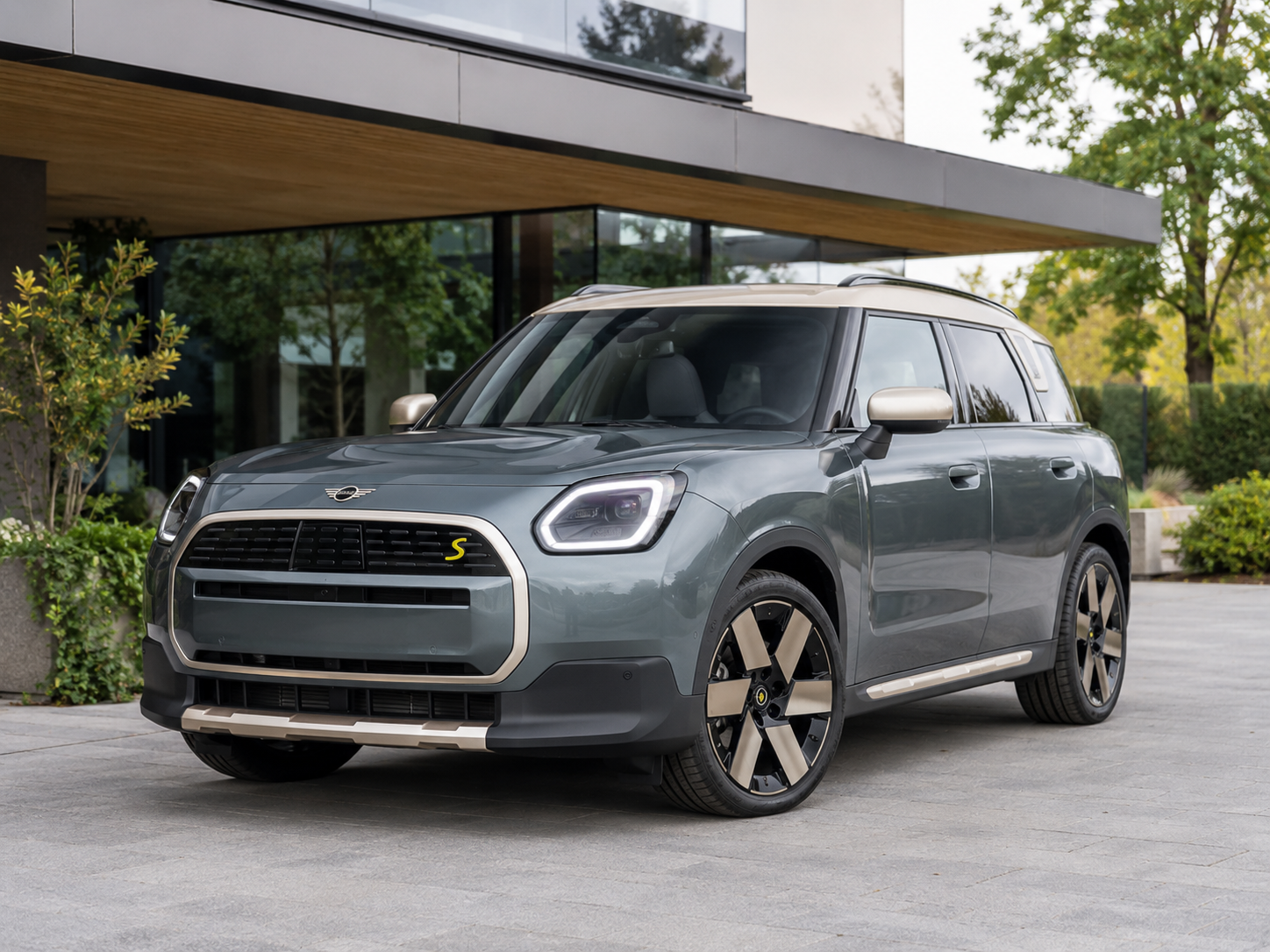
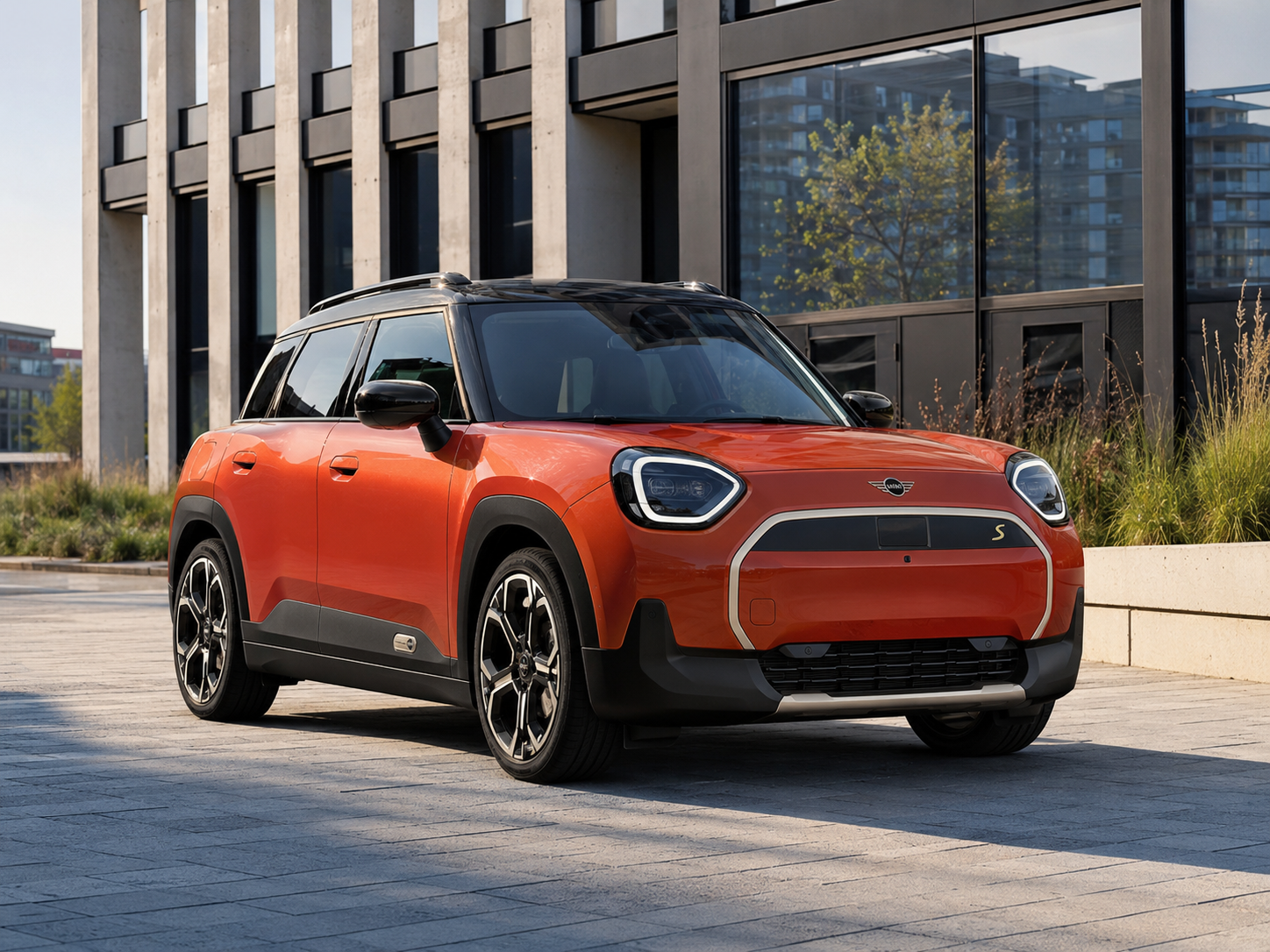
Mini EV Models: What Does the Electric MINI Range Include?
The current electric MINI family is broader than some buyers expect. The MINI Cooper Electric is the model most people recognise first. It is the compact, three-door hatchback — the one closest in spirit to the original Mini. Then there is the MINI Aceman, a newer all-electric crossover with more space and five-door practicality. Above that sits the MINI Countryman Electric, which is the larger option for drivers who need a more family-friendly car.
So, when people search for mini ev models, they are often comparing more than one type of car. The Cooper Electric is the small, design-led choice. The Aceman gives more space without becoming a large SUV. The Countryman Electric is more suitable for families, longer trips and drivers who need proper rear seat space.
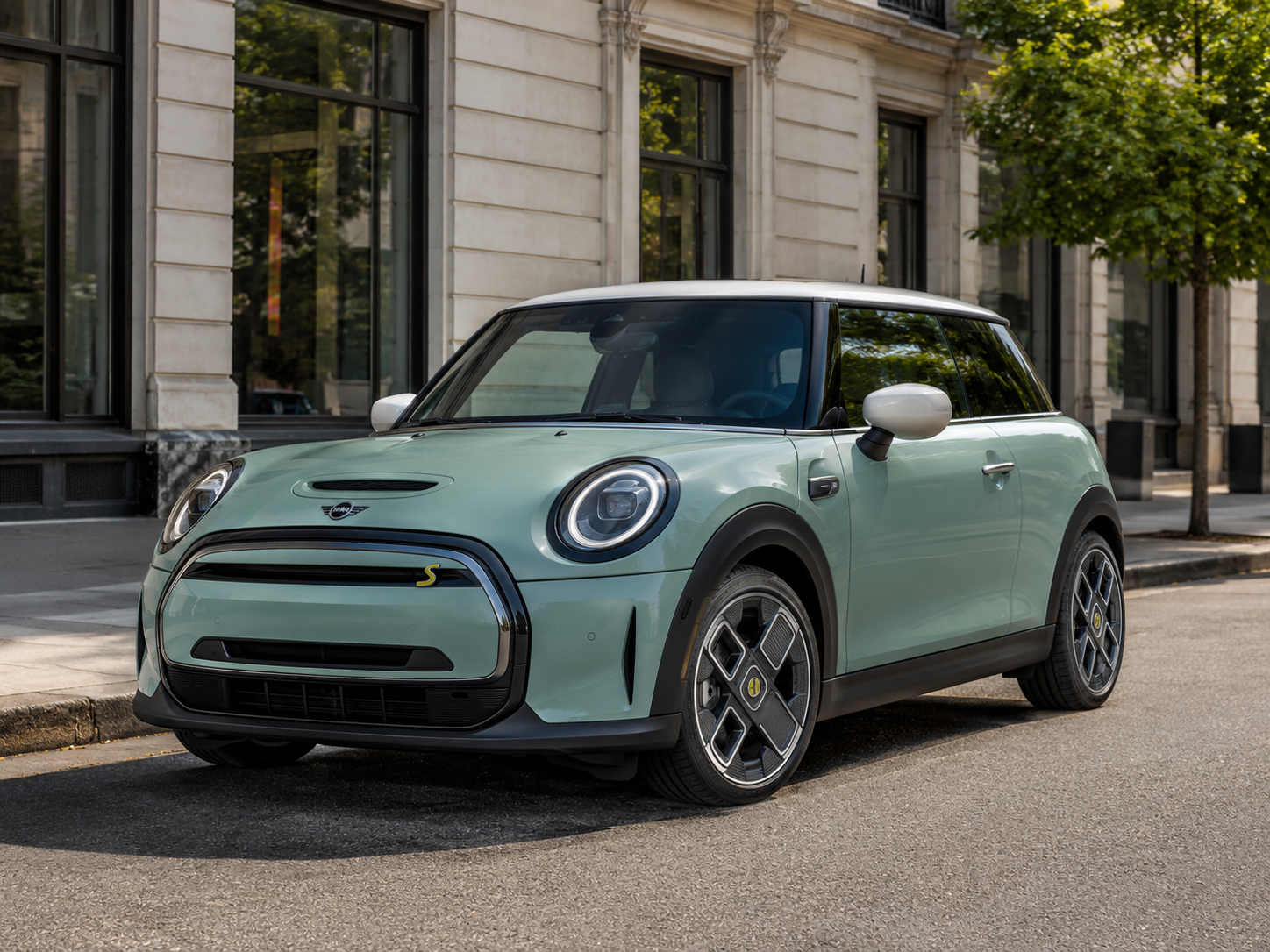
The MINI Cooper Electric itself comes mainly in two versions: Cooper E and Cooper SE. The Cooper E is the entry level model, with the smaller battery and lower starting price. The Cooper SE has a bigger battery, more power and a better official driving range. That difference matters. On a short city route, both cars will feel easy and quick. On a longer journey, the SE gives more breathing room.
This is the first point we usually make to buyers: do not choose only by badge or trim name. Think about how the car will actually be used. A driver who covers 25 miles a day and charges at home may not need the biggest battery. A driver who regularly does motorway routes probably will. The best mini ev models are not always the most expensive ones; they are the ones that match the routine.
MINI Cooper: The Electric Car with the Most Familiar MINI Feel
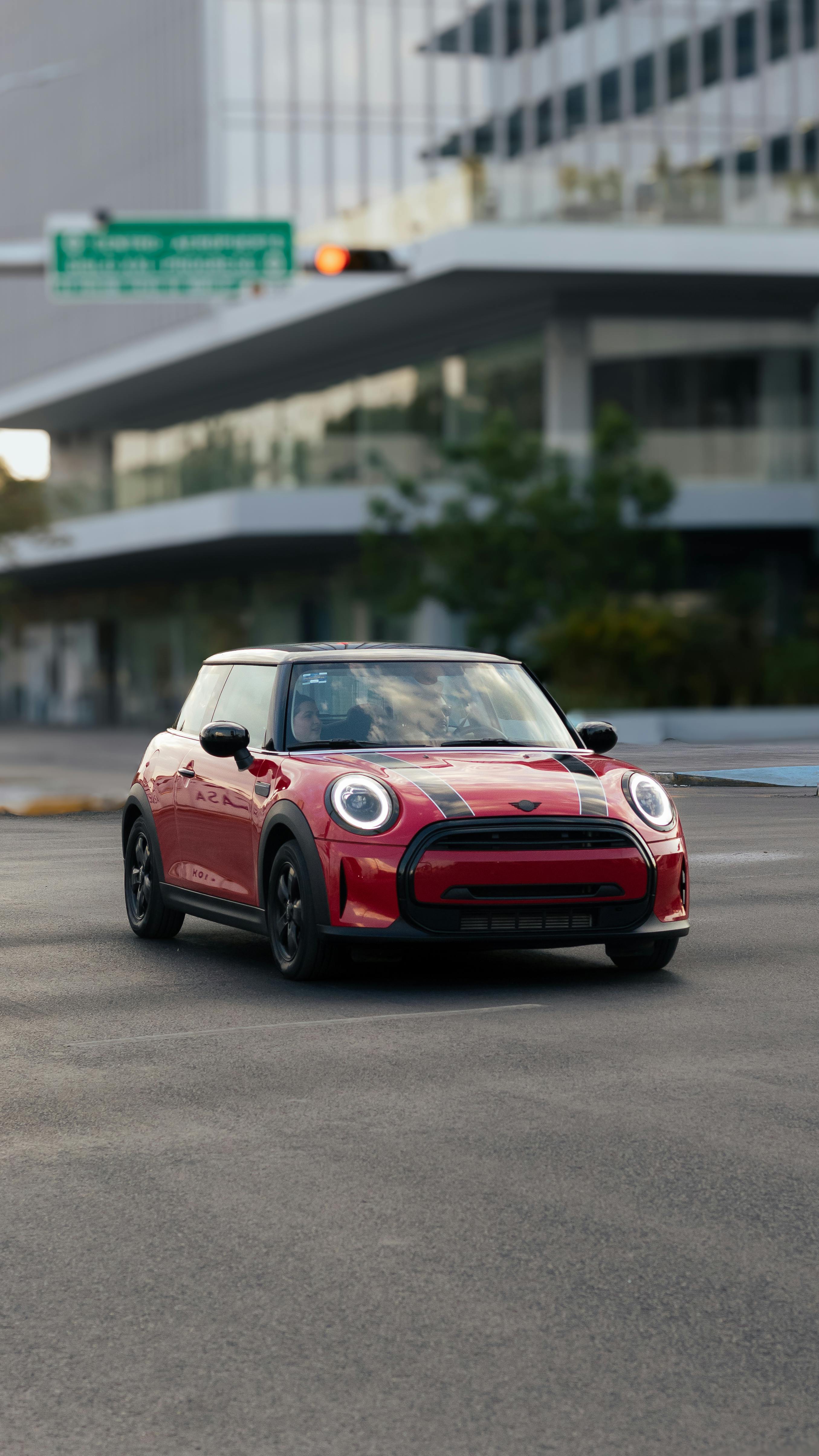
The MINI Cooper Electric is the car at the heart of the electric range. For many buyers, it is also the most natural bmw mini ev to consider, because it keeps the classic MINI shape while moving fully into electric power. It is still compact. It is still three door. It still puts the driver close to the action.
Underneath, though, it is a very different car from the older petrol MINI. The electric motor sends power to the front wheels and gives instant response from low speed. That makes the car feel bright in town. It moves away from traffic lights cleanly, slips into gaps easily and feels more awake than many internal combustion engines at city speeds.
The latest MINI Cooper Electric also has a more modern cabin than earlier versions. The round central display is still there in spirit, but now it feels cleaner and more digital. Depending on trim, buyers can find features such as wireless phone charging, head up display, lane keeping assistance, heated front seats and a panoramic roof. MINI also keeps some of the visual charm buyers expect, with colours such as British Racing Green still giving the car that familiar personality.
As a mini electric vehicle, though, it is not designed to be all things to all people. The front seats are the best place to be. The rear seats are usable, but not generous. Rear seat space and leg room are fine for shorter trips, children or occasional adult passengers, but this is not a car for three tall adults and luggage on a long weekend away.
That is not a criticism as much as a reminder. The Cooper Electric is a small car with a strong identity. If someone wants more space, the Aceman or Countryman Electric will probably suit them better. If someone wants the most MINI-like electric car, the Cooper Electric is still the obvious place to start.
Cooper Electric Range: How Many Miles Can You Expect?
Range figures always need context. Official numbers are useful, but they do not drive the car for you. Weather, speed, road type and driving style all make a difference. A MINI Cooper Electric used mostly around town will behave differently from the same car driven at motorway speeds in winter with the heating on.
The Cooper E has the smaller battery. Official figures place it around the high-170s to mid-180s miles WLTP, with some MINI material referring to up to about 190 miles depending on market and specification. The Cooper SE uses a bigger battery and reaches close to 250 miles WLTP in the most favourable specification. That is a meaningful difference. It changes how often you think about charging, especially away from home.
For town driving, the Cooper E may be enough. Short trips suit electric vehicles well. Regenerative braking helps recover energy, speeds are lower, and the car does not have to fight wind resistance in the same way it does on the motorway. A weekly shop, commuting, school runs and local errands are not demanding use cases for a modern small EV.
The Cooper SE makes more sense if the car will do mixed driving. It gives better range, more power and less need to plan around every charging stop. It will not match the longest-range EVs on the market, but it is far more capable than the early generation of small electric cars.
Real world driving is the part buyers should not ignore. Cold weather can reduce range. So can fast motorway driving. In some conditions, an electric car can lose a noticeable share of its claimed range, sometimes 20% or more compared with WLTP figures. That does not make the MINI weak; it is simply how electric cars behave. The more useful habit is to think in realistic range bands, not perfect brochure numbers.
So, how many miles can a MINI Cooper Electric do? The short answer is: enough for most daily routines, especially in SE form, but the real figure depends on how and where it is driven.
Cooper E or Cooper SE: Which One Feels Like the Better Buy?
The Cooper E is the sensible entry level Cooper. It is the one to consider if the car will mostly live close to home, charge overnight and cover predictable daily mileage. It still feels quick enough in normal driving, because electric torque arrives immediately. You do not need huge power to make a small EV feel lively in town.
The Cooper SE is different. It is not just the bigger-battery version; it feels more complete for drivers who want fewer compromises. It has more power, better range and stronger acceleration. The 0–62 mph time is around the high-six-second mark, depending on version, which gives it a warm hatch or even light hot hatch feeling in everyday use. Not dramatic in a noisy way, but quick, clean and easy.
That extra performance is not only about speed. It affects confidence. Joining faster roads feels easier. Overtaking is simpler. The car feels less stretched when carrying passengers or driving outside the city. For drivers who want the electric MINI to be their main car, not just a second car, the Cooper SE is usually the safer choice.
Price still matters, of course. The Cooper E starts lower, and monthly payments can look more attractive. The Cooper SE costs more, but the bigger battery may make the car easier to live with over several years. We would always look beyond the headline starting price. Deposit, mileage limits, total amount payable, optional extras and finance terms all change the real cost. Some finance providers also act as a broker and not a lender, which is worth understanding before signing.
If the car is mainly for town driving, the Cooper E makes sense. If the car needs to cover a wider week, the Cooper SE is the one we would look at first.
MINI EV Charger: How Charging Works in Real Life
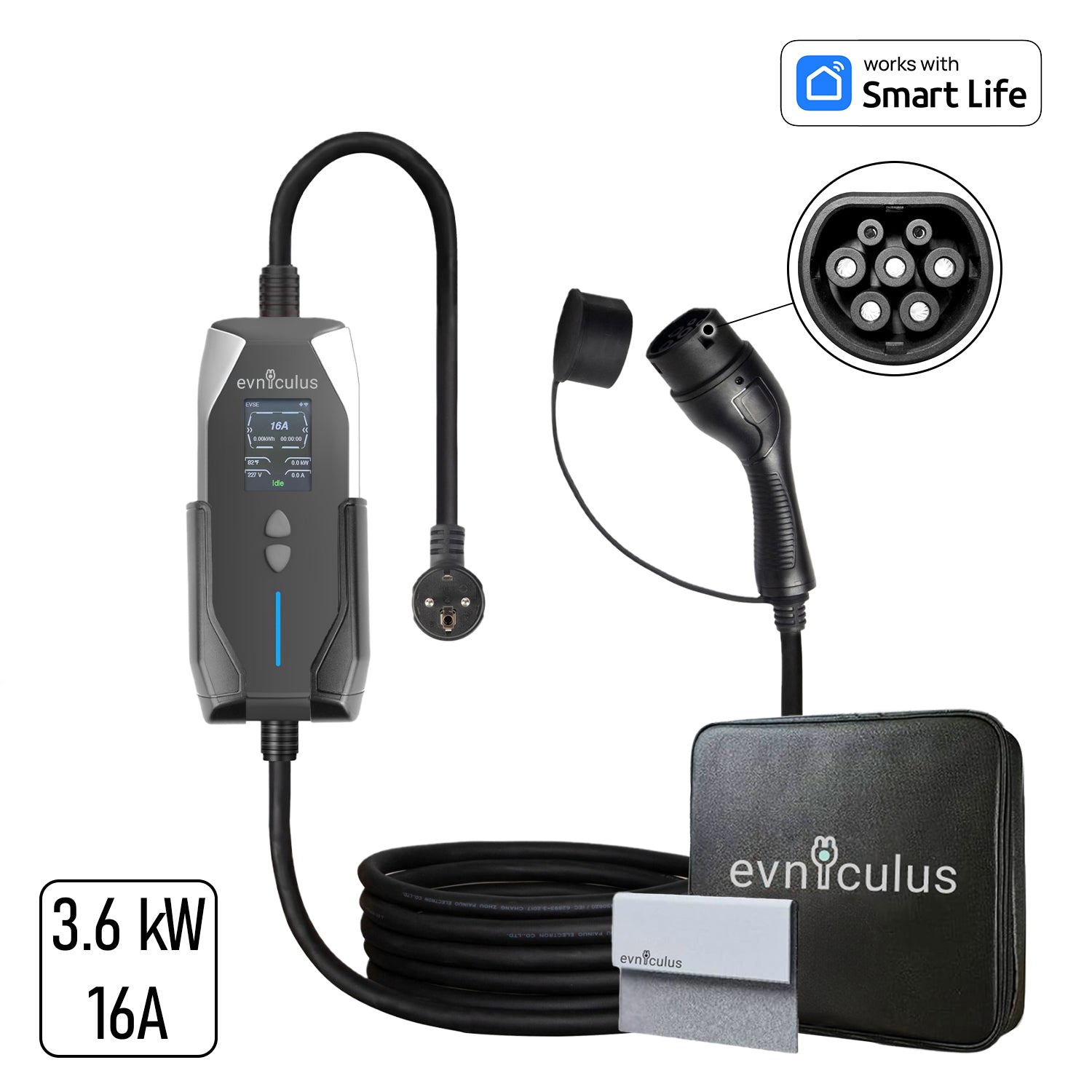
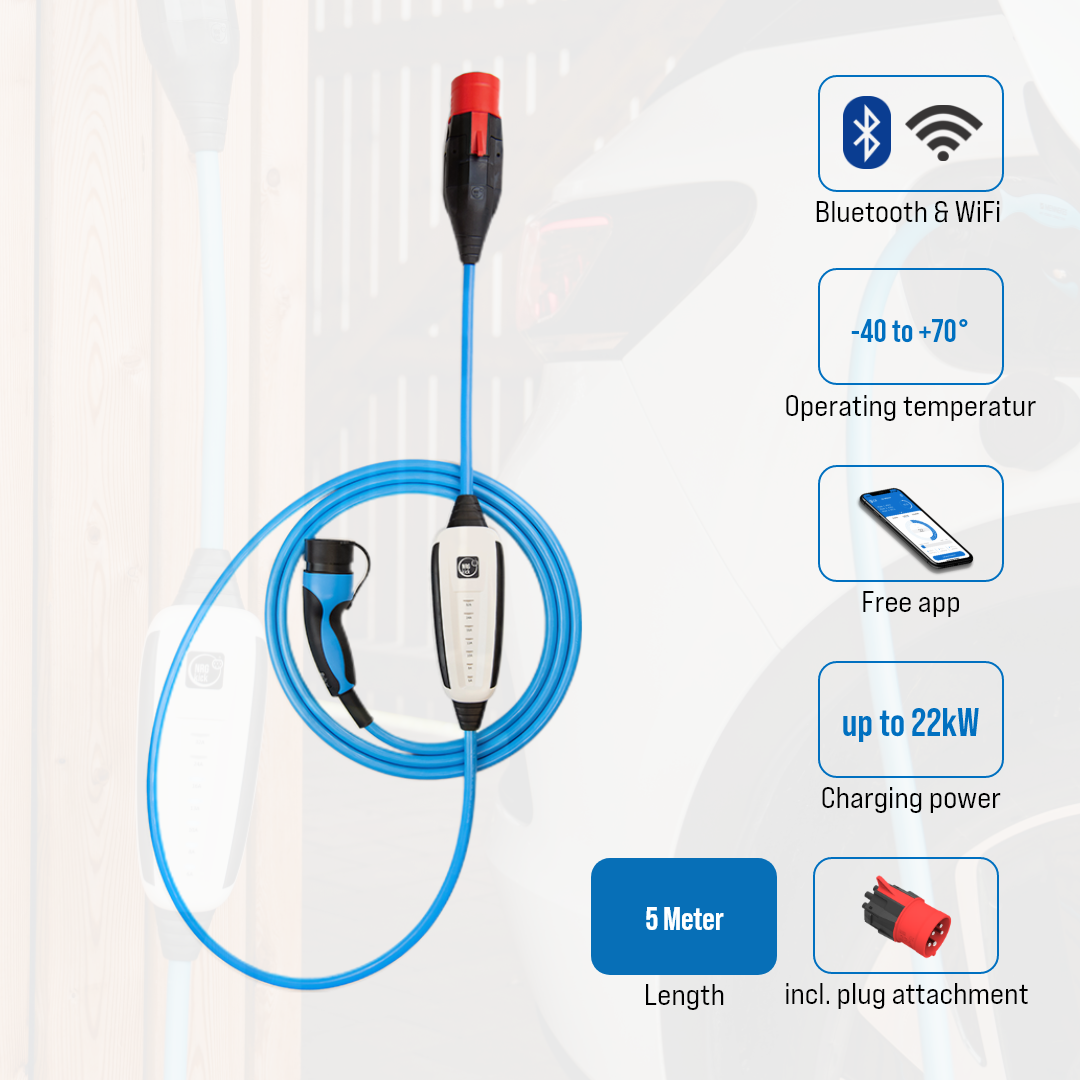
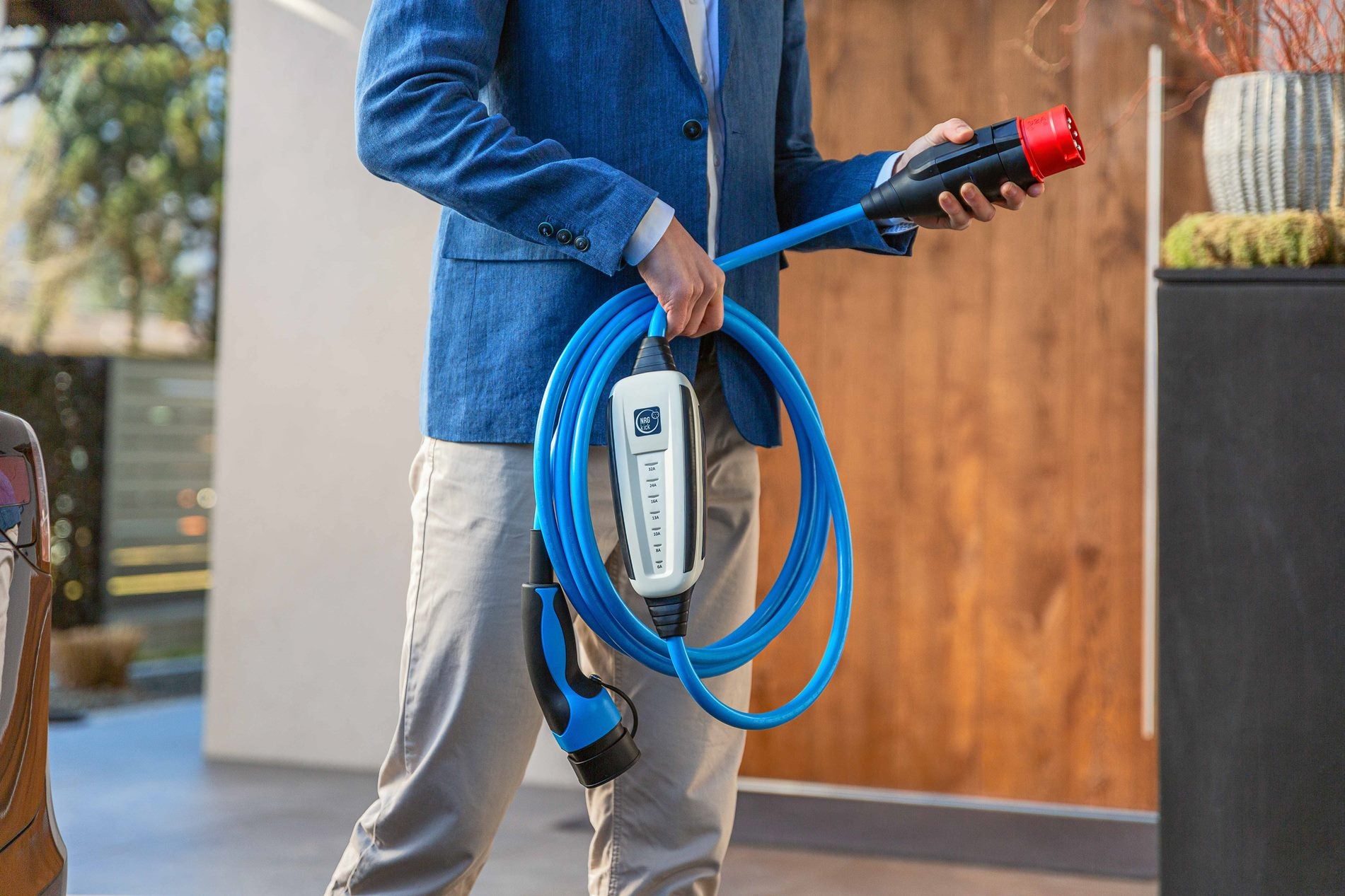
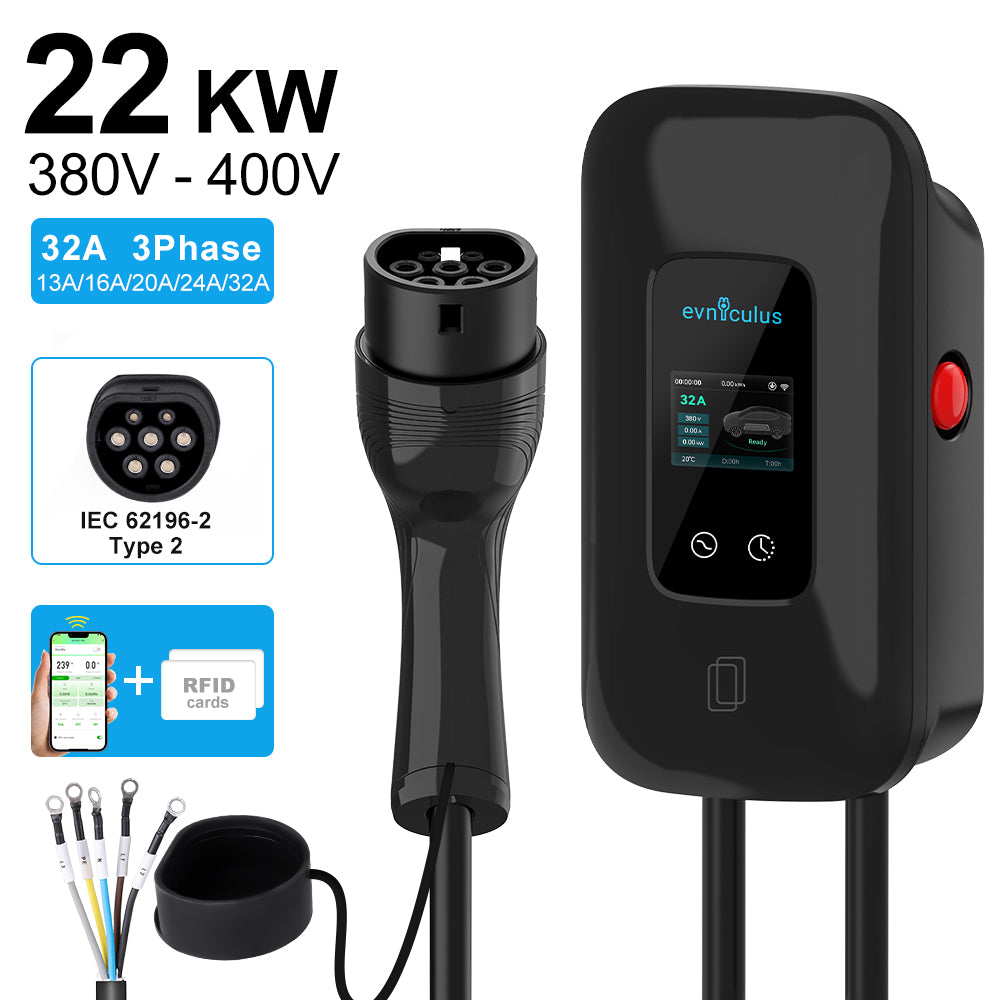
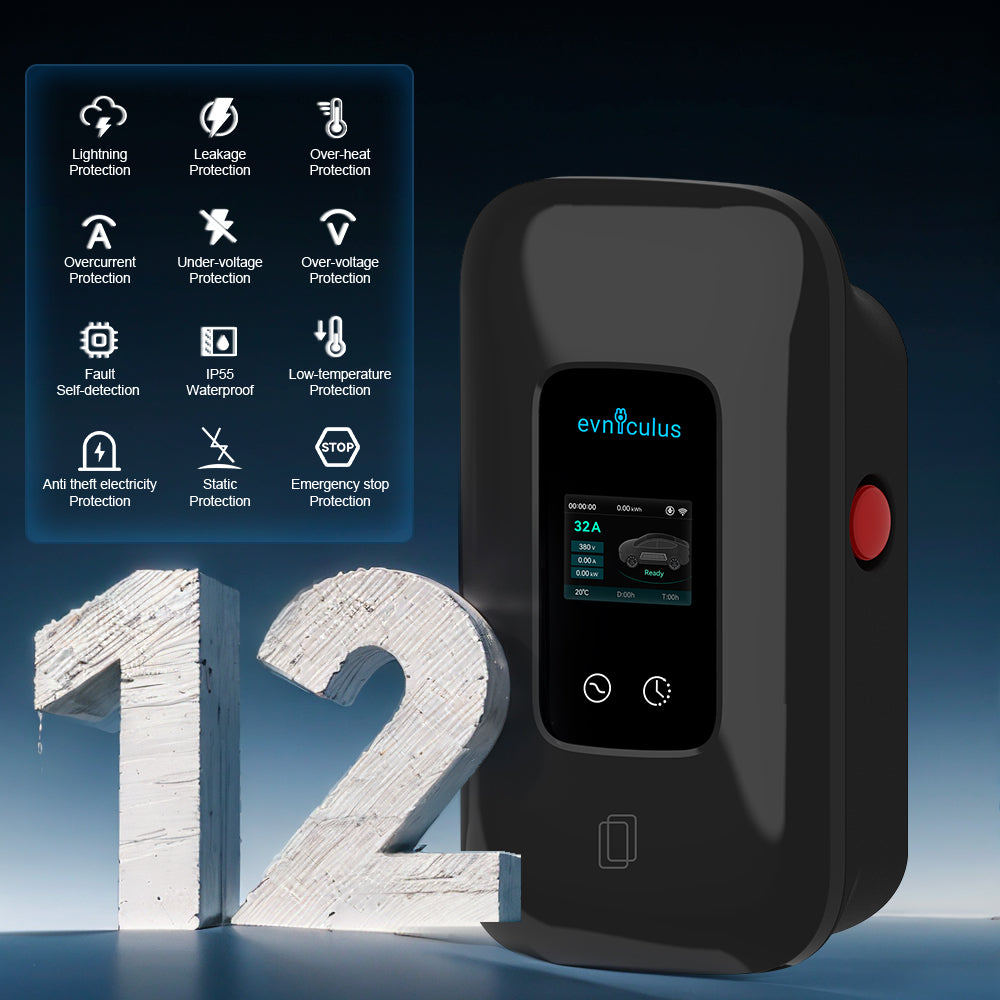
Charging is where many EV decisions become practical. A car may look right, but the charging routine has to fit the driver’s life. A mini ev charger at home is the easiest setup for most owners. Plug in overnight, start the next day with enough range, and avoid relying on public chargers for normal use.
The MINI Cooper Electric supports AC home charging and DC rapid charging. Using a suitable 11 kW AC charger, the smaller-battery Cooper E can charge fully in a little over four hours. The Cooper SE takes longer because it has the bigger battery, usually a little over five hours under ideal AC conditions. Most owners will not charge from empty to full every day. In real life, they will top up.
Rapid charging is useful on longer journeys. Under suitable DC charging conditions, the Cooper Electric can go from 10% to 80% in roughly half an hour, depending on version, charger output and battery conditions. That is enough for a coffee stop, but it should not be treated as a guaranteed number every time. Charging speed slows as the battery fills. Cold batteries may charge more slowly. A charger marked as fast will not always deliver its maximum rate.
This is why the best charging advice is not only “buy the fastest charger.” It is to understand your routine. If the car sleeps at home and covers short trips, a home charger matters more than the fastest possible public rate. If the car will often be used for motorway driving, then DC charging speed and charging infrastructure on regular routes become more important.
Running costs also depend heavily on charging habits. Home charging is usually easier to control. Public rapid charging is convenient, but it can be much more expensive. A MINI EV can save money compared with petrol use, but the biggest savings usually come when the owner can charge mostly at home or at work.
Is the Electric MINI Still Fun to Drive?
This question matters more for MINI than for many other brands. Plenty of small EVs are quiet and efficient. Not all of them are fun to drive. MINI buyers usually expect more than basic transport.
The good news is that the electric MINI still has that lively feeling. The car responds quickly, especially at lower speeds. The steering feels direct. The compact size makes it easy to place on the road. In town, it feels alert rather than heavy. The electric motor helps because there is no waiting for revs, gears or a turbo to wake up.
There is extra weight from the battery pack, and that cannot be ignored. Compared with older petrol MINIs, the electric version carries more mass. But because the battery sits low, the car still feels stable. Body control is good, and the car changes direction with the kind of sharpness people expect from the badge.
It is not the softest small electric car. That is worth saying clearly. The ride can feel firm over rough roads, and some rivals are more comfortable if comfort is the priority. A Renault 5, for example, may appeal more to drivers who want a calmer, softer car. The MINI is more about response and character.
For us, that is the difference between a car that merely works and a car that feels memorable. The Cooper Electric is not perfect, but it does feel like a MINI. That will matter to the right buyer.
Boot Space, Rear Seats and the Everyday Test
Boot space is where the Cooper Electric becomes more specific about its audience. The car has around 210 litres of boot capacity, which is enough for normal errands, a weekly shop or a couple of soft bags. It is not generous compared with some rival electric cars. A Peugeot e-208 offers more. An MG4 offers much more. Even some similarly priced small EVs feel more practical.
The rear seats tell the same story. They are useful, but not spacious. Adults can sit there for short journeys, but this is not where the car shines. Rear seat space, leg room and access are all shaped by the three door layout. If rear passengers are part of daily life, the Cooper Electric may start to feel small quite quickly.
The front seats are much better. This is where the car feels designed around people rather than packaging compromises. The driving position is good, the steering wheel feels close and the cabin has a stronger sense of occasion than many small EVs. The passenger seat is comfortable enough for longer local journeys, and higher trims add features that make the cabin feel more premium.
There are practical quirks. The parcel shelf limits tall luggage. Some storage areas are modest. A few lower cabin materials may feel harder than expected at this price, especially if you are coming from larger premium cars. Still, none of this is surprising in a compact MINI. It is a small car with style and personality, not a disguised family hatchback.
If the buyer wants more space, the answer is simple: look at the Aceman or Countryman Electric. If the buyer wants the small MINI feel, the Cooper Electric keeps it.
MINI Cooper Electric Review: Where It Wins and Where It Does Not
A fair MINI Cooper Electric review should not turn into brand worship. The car has clear strengths, and it has clear limits.
It wins on design. It wins on character. It wins on town driving, fast responses and that slightly playful feeling many modern cars have lost. It also feels more polished than the older MINI Electric, especially because the newer model has better range and more modern technology.
It does not win on maximum space. It does not win on the lowest purchase price. It does not win against every rival on range. Some electric cars at a similar price offer more boot space, more rear seat space or a softer ride. The MG4, Peugeot e-208, Renault 5 and other small EVs all deserve comparison, depending on what the buyer values.
The Cooper Electric makes most sense for someone who wants a car that feels personal. It is not the anonymous rational choice. It is the car for someone who likes the size, the shape, the brand and the way it drives, but still wants electric running costs and a cleaner ownership routine.
The UK government electric car grant also needs careful treatment. Grant eligibility changes, and it depends on the exact model. At the time of writing, the MINI Countryman Electric is the MINI model most clearly connected with current UK grant eligibility, while the Cooper Electric should not be assumed to qualify unless the official list changes. Buyers should check this before making decisions based on purchase price or monthly payments.
That may sound like a small detail, but it matters. A grant can change the value equation. So can a finance offer, an EV tariff, or whether the buyer has a charger at home.
Running Costs: Where a MINI EV Can Save Money
A MINI EV can be cheaper to run than a petrol MINI, but the savings are not automatic. They depend on how the car is charged, how often it is driven and what the driver is comparing it with.
Home charging is usually the strongest advantage. If the owner can charge overnight on a suitable tariff, the cost per mile can be much lower than petrol. For short trips, this adds up quietly. There is no fuel stop, less routine engine-related maintenance and fewer moving parts in the drivetrain.
Public rapid charging is different. It is useful, especially on longer trips, but it can be expensive. A driver who depends on rapid chargers for most of their charging may not see the same savings as someone with a driveway charger. This is one reason we always look at the charging setup before recommending an electric car.
Servicing may also be simpler than with internal combustion engines, although tyres, insurance and finance costs still matter. EVs are not cost-free. They are simply different. The battery warranty on the MINI Cooper Electric gives reassurance, with coverage commonly listed at 8 years or 100,000 miles, depending on market terms. That is useful for buyers new to electric vehicles.
The strongest ownership case appears when the car suits the lifestyle: predictable mileage, easy charging, short and medium routes, and a driver who values compact size. In that situation, the MINI Cooper Electric can feel very easy to live with.
Final Verdict: Who Should Choose a MINI Electric Vehicle?
The MINI Cooper Electric is not trying to be the biggest, cheapest or most practical electric car. That is not its job. Its job is to make electric driving feel compact, stylish and enjoyable. On that front, it does well.
The Cooper E is the better choice for drivers who mainly do local journeys and want the lower starting price. The Cooper SE is the better all-rounder, with better range, more power and more confidence for mixed driving. If practicality is more important than the classic MINI feel, the Aceman and Countryman Electric deserve a look.
For buyers moving from petrol or diesel, the biggest change will not only be the car. It will be the routine. Charging at home, planning longer trips and understanding real world range are all part of EV ownership. Once those pieces are in place, the electric MINI becomes far easier to understand.
As a compact electric car, it has limits. As a MINI, it still has charm. That is probably its strongest argument. It gives drivers a way into electric motoring without losing the personality that made the brand desirable in the first place.
For the right driver, the latest mini electric vehicles are no longer just city toys. They are proper daily cars, especially when paired with the right charging setup. And for anyone who wants a small EV that still feels fun rather than purely functional, the MINI Cooper Electric remains one of the more distinctive choices on the road.
MINI EV Models
- MINI Cooper SE (3-door Hatch)
- MINI Countryman Electric
- MINI Aceman
- MINI Countryman SE ALL4