
If you’ve ever tried to “just pick a charger” for a Tesla, you already know how the rabbit hole starts. One page says 22 kW is the goal, another insists 7.4 kW is plenty, and then someone in a forum claims everything depends on your fuse, your cables, your meter, and the way your house behaves at 7pm when the oven, the heating, and the dishwasher decide to work together.
That mess is exactly why a good ev charging setup is built backwards. You start with the limits that do not move; you match the charger to those limits, and only then you decide which extras are worth paying for. When people skip that order, they usually end up with a charger that looks powerful but behaves timidly, because it is constantly being told to slow down.
What Tesla EV charger options are available for home use?
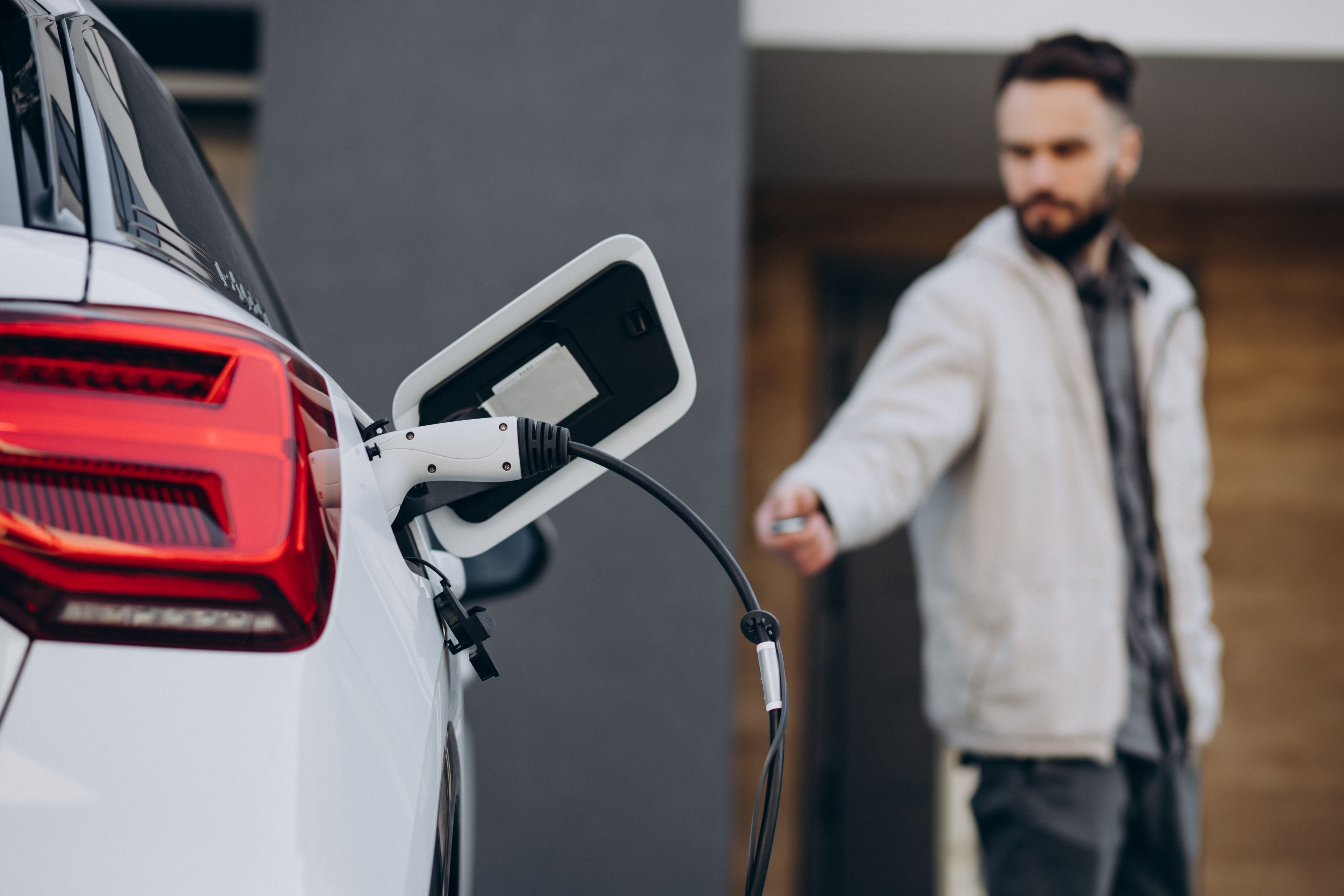
For home use in Europe, the real decision is not “Tesla versus non-Tesla,” even though that is how it’s often framed. The practical decision is whether your tesla home ev charger will run on single-phase or three-phase supply, and whether it can hold its output without tripping your installation or forcing you into upgrades you never planned for.
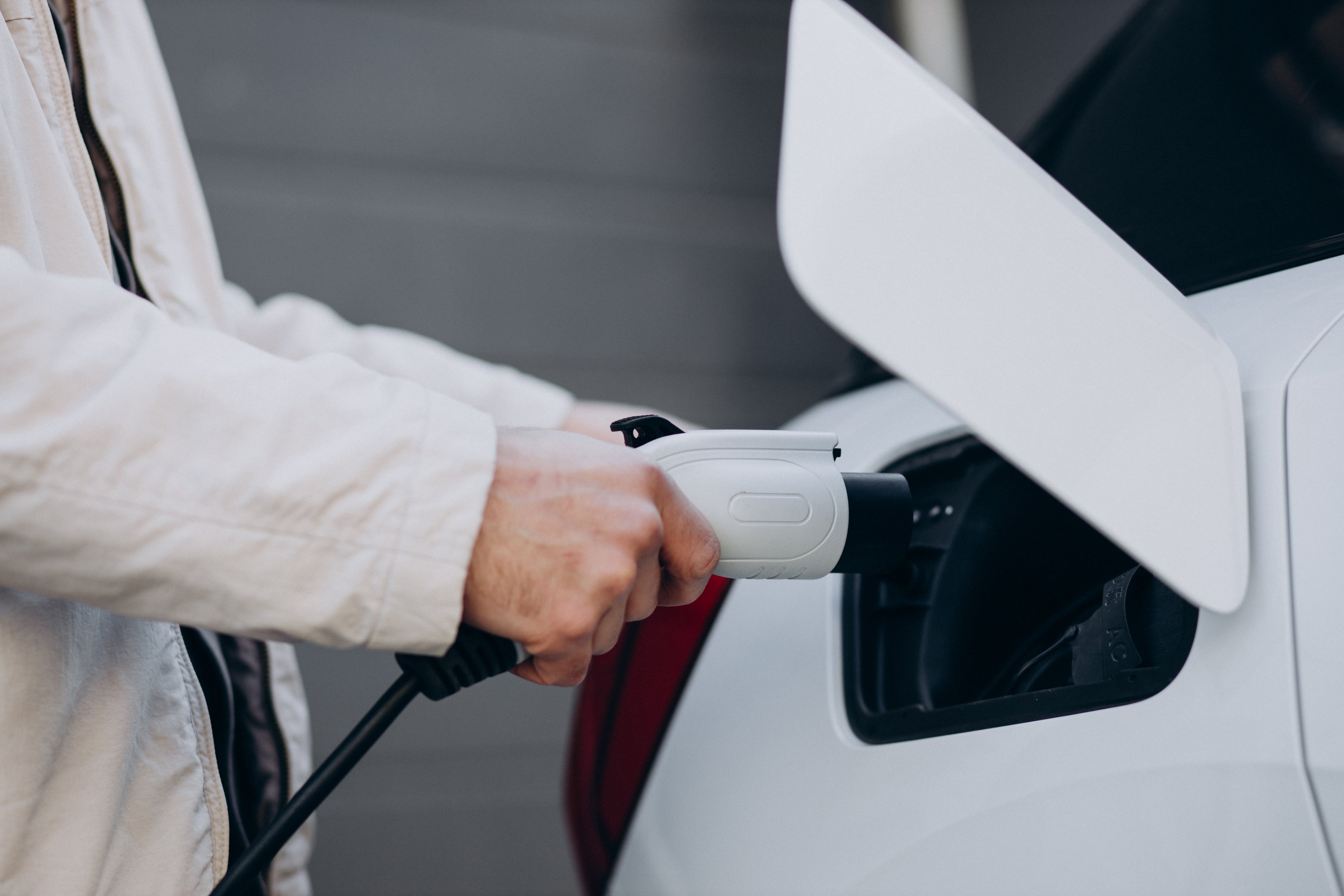
Tesla’s Wall Connector (Gen 3) is popular because it sits comfortably inside the European reality, meaning it can charge on single-phase or three-phase and typically tops out at 11 kW (16 A per phase) in a standard residential configuration. That number is not random, and it also happens to align with what most Model 3 and Model Y variants can accept on AC, so in many homes it becomes the “as fast as it gets” option without drifting into expensive electrical work.
Third-party wallboxes can be just as good, sometimes better, but only when you actually need what they add, because the car itself does not care about branding as long as the charger behaves correctly. If you have tight electrical headroom, if you want clean load balancing, if you want the charger to react to the house rather than fight it, then those features can matter more than the logo on the cover.
In practical terms, a tesla ev charger is best understood not as a proprietary requirement, but as an AC charging solution that needs to align with both the vehicle’s onboard limits and the home’s electrical capacity. Whether the charger carries Tesla branding or comes from a third party matters far less than whether it can deliver stable power night after night without pushing the installation beyond its comfort zone.
What EV products are essential for a complete home setup?
Most people buy a charger and assume the job is done, and then the small annoyances start showing up in daily use. The cable is too short for the driveway angle, the socket location forces an awkward parking position, the circuit trips when the house peaks, and the “simple” setup suddenly feels like a weekly negotiation.
A complete setup is usually a small kit of ev charging products, even if nobody calls it that at the start. A usable Type 2 cable length is one of the first quality-of-life decisions, because the difference between a 5 m and a 7.5 m cable is the difference between “it works” and “it works without thinking.” Protection devices are another part that should not be treated like an accessory, because if the protection is wrong you get nuisance tripping at best and serious safety risks at worst.
If your home is already close to its electrical limit, then load management stops being a “nice feature” and becomes the reason your ev home charger can run nightly without drama, because it can back off when the house loads spike and then quietly recover once the spike is gone.
How do you choose the best home EV charger for your needs?
The phrase best home ev charger is misleading, because there is no best charger in a vacuum. There is only the best charger for a specific supply, a specific vehicle, and a specific routine.
In Europe, most Tesla owners are working within two real-world brackets. On single-phase supply, a common ceiling is 7.4 kW (32 A), which can feel modest until you realise how much energy that actually delivers over a normal night. On three-phase supply, 11 kW is the sweet spot where charging becomes quick enough to ignore without pushing the house into expensive upgrades.
What often matters more than the maximum number is how the charger behaves at the edge of capacity. A charger that technically can do 11 kW but spends half its life throttling because the home is busy is not “better” than a slightly lower-rated unit that holds steady every evening. In daily ownership, stability usually beats peak output.
What does Tesla EV charger installation involve?
A tesla ev charger installation is mostly about the parts you don’t see once the wallbox is mounted. The visible box is easy; the electrical reality behind it is the work.
A proper installer starts by checking phase availability, main fuse rating, spare capacity, and where the charger will physically sit relative to the distribution board. After that, cable sizing and protection are chosen to match the current the charger will actually draw, not the maximum it could draw in an ideal world. The reason this matters is simple: long cable runs and awkward routing turn a clean installation into a cost driver, because suddenly you’re drilling through walls, trenching, or running conduit where you didn’t want it.
If your charger location is close to the board, installation tends to be straightforward. If it’s far, installation becomes the project.
How does a home EV charger impact charging speed and efficiency?
Charging speed at home is not just a charger rating, because it is limited by the car, the supply, and the consistency of the circuit. Efficiency is where good setups quietly win, because a stable charger that runs smoothly wastes less energy through stop-start behaviour and avoids the repeated ramping that happens when a circuit is constantly near its limit.
Real charging scenario: Tesla Model 3 and Model Y at home
A Tesla Model 3 Long Range in Europe typically has around 75 kWh of usable battery capacity, and most owners charge within a daily window rather than from empty, so a realistic target is 20% to 80%, which is roughly 45 kWh added.
On an 11 kW home ev charger, that usually lands in the 4 to 4.5 hour range when the supply is stable and the charger is not being forced to back off. On a 7.4 kW ev home charger, it moves closer to 6 hours, which still fits comfortably into an overnight routine unless the car arrives home very late and needs to leave very early.
For a Tesla Model Y, usable capacity is often in the 75 to 78 kWh range depending on variant, so the same 20–80% window typically means 46–48 kWh. At 11 kW, you are looking at a little over 4.5 hours, and at 7.4 kW it trends toward 6.5 hours, which again is usually an overnight story rather than a daily struggle.
The point is not that everyone must chase 11 kW, but that most homes can pick a realistic level and still wake up with a charged car, as long as the installation is designed for steady output rather than optimistic peak numbers.
What should you consider before investing in a full EV charging setup?
Before you invest heavily in a full ev charging setup, it’s worth being honest about what you are buying and what you are trying to solve.
If your car sits at home for long stretches, you do not need extreme charging power to live comfortably, and money spent chasing higher ratings might be better spent on a cleaner installation, load management, or simply a cable layout that makes daily use effortless. If your home is tight on capacity, the smartest investment is often the one that prevents problems, because a setup that works quietly every day is more valuable than one that looks impressive but requires babysitting.
Frequently Asked Questions
Can a Tesla home charger be shared between multiple electric vehicles?
Yes, but compatibility depends first on the connector standard rather than the charger alone. A European Tesla charger with a Type 2 connector can charge all European EVs, while charging a US Tesla from a Type 2 setup requires a Type 2 to NACS AC adapter. In the opposite scenario, when a US Tesla charger with NACS is used for a European vehicle with Type 2, a NACS to Type 2 AC adapter is required. Electrical capacity still matters, but in practice the main question is whether the connector format matches the vehicle or is correctly adapted.
Does cold weather significantly affect home charging performance for Tesla vehicles?
Cold weather does not reduce the charger’s power output, but it can affect how efficiently the vehicle accepts energy. In winter conditions, part of the incoming power is used to warm the battery to its optimal operating temperature, which can slightly extend charging time, especially during the first phase of a session. At home, where charging durations are longer and less time-sensitive, this impact is usually modest and rarely changes the overall usability of the charging setup.
Can a home EV charger installation increase a property’s long-term value?
While a home EV charger is unlikely to change property value on its own, a professionally executed installation can improve a home’s long-term appeal, particularly in urban and suburban European markets where EV ownership is rising. Buyers increasingly view existing charging infrastructure as a practical convenience rather than a luxury, especially when the installation is discreet, well-documented, and compliant with electrical standards. Poorly planned or improvised installations, on the other hand, can have the opposite effect and may require corrective work later.