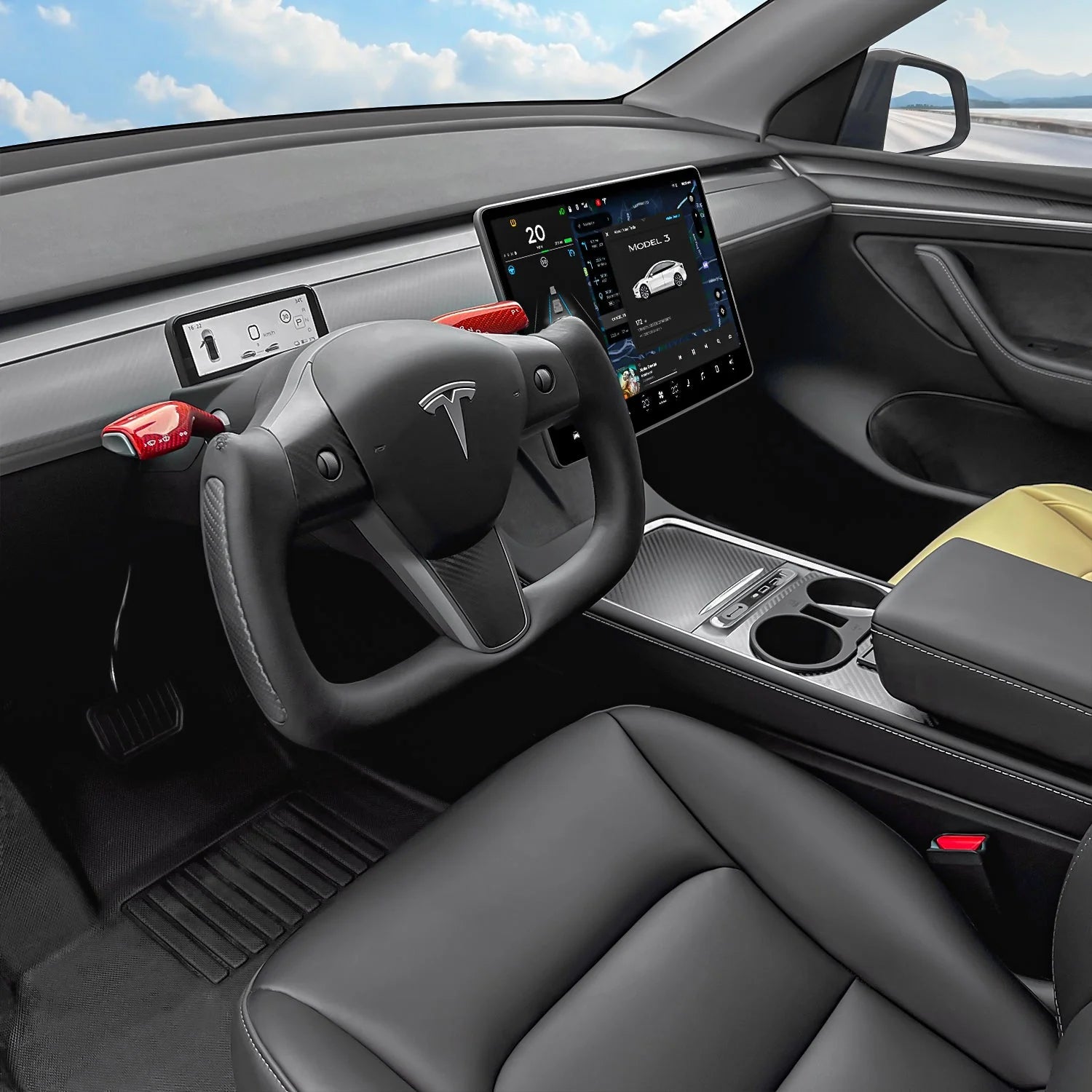
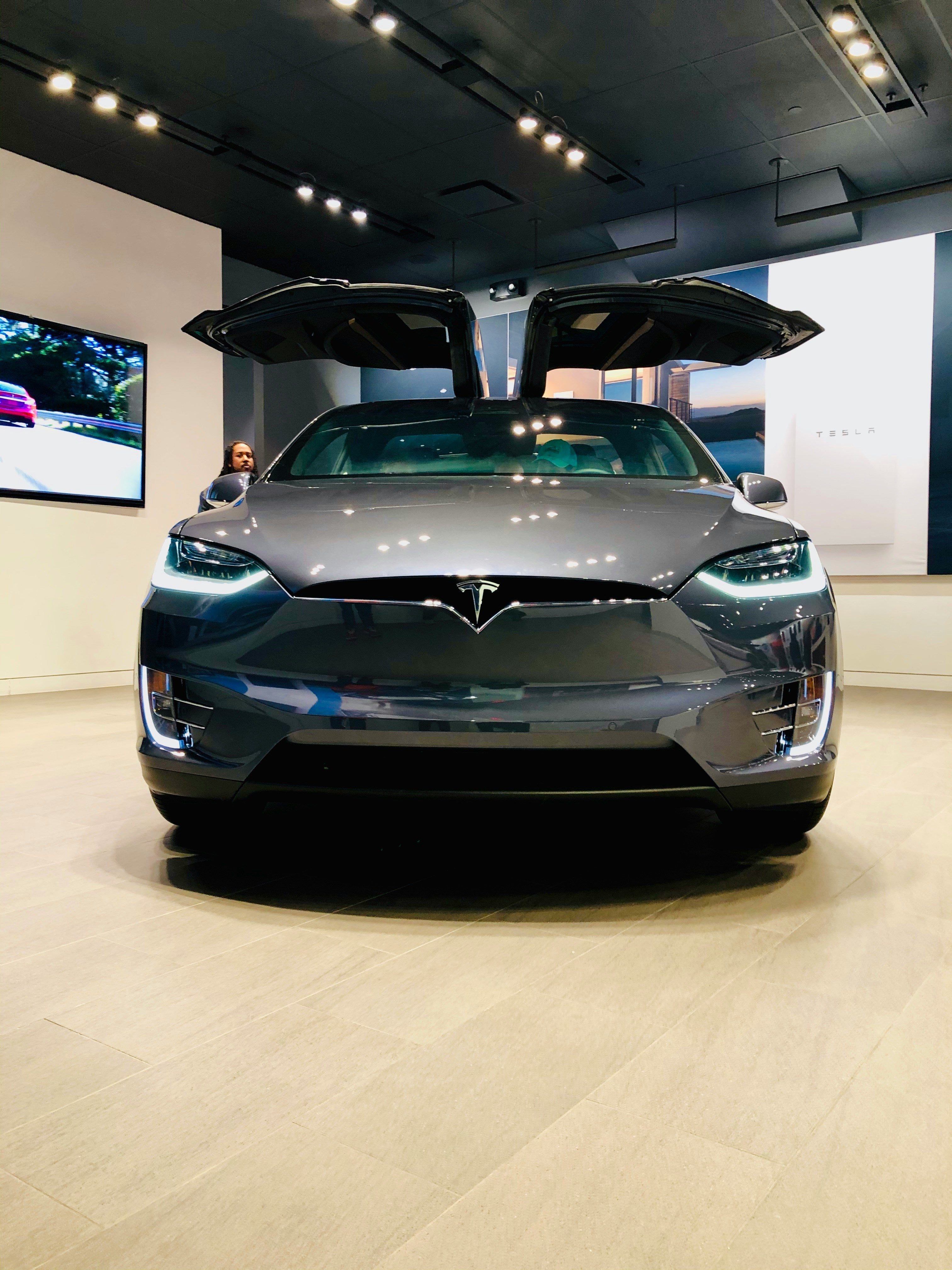
The Model X sits in a strange but useful corner of the EV market. It is a large premium electric SUV, but it is also a very practical ownership machine for households that actually use three rows, carry people often, and want rapid long-distance charging without giving up performance. One of the first questions is how much is the Tesla Model X, and the honest answer in the UK is that it lives in flagship-money territory, with market pricing broadly sitting from the high-£80,000s upward depending on version and configuration.
The second question is usually when was Tesla Model X released. Tesla launched the Model X in 2015 and began customer deliveries in September that year. The current UK version keeps the same core idea intact: a full-size electric SUV with serious motorway pace, unusual rear-door packaging and charging performance that makes most sense when home charging is set up properly.
Overview of the most in-demand Tesla Model X variants
The current UK lineup is clean. There is the dual-motor Model X, which leans toward range, towing capacity, everyday family use and the widest seating flexibility, and there is the tri-motor Plaid, which keeps the same fast-charging ceiling but shifts the whole car toward dramatic acceleration and a more niche ownership profile. Tesla’s public UK spec page focuses on drivetrain, range, performance, consumption, weight and seating rather than publishing a named battery-capacity figure, which is sensible here because the real ownership split is not battery branding, but whether you value maximum distance and seven-seat practicality or the extra theatre of Plaid.
Tesla Model X All-Wheel Drive
This is the version that makes the most sense for the broadest group of owners. It is the long-distance family Model X, the one that better suits mixed school-run,motorwayand weekend-trip use, and the one that keeps the range advantage while still being extremely quick by any normal SUV standard. For buyers askinghow heavyis a Tesla Model X, the current All-Wheel Drive version has a published curb mass of 2,348 kg, so charger placement, garage access andtyrewear allmatterin real ownership, not just on paper.
403 mi (Tesla UK estimate)
18.3 kWh/100 km
Dual Motor All-Wheel Drive
670 hp
2,348 kg
Up to 7
2,675 litres
250 kW
5,057 mm L / 1,999 mm W / 1,680 mm H
Premium flagship SUV, below Plaid in the lineup
Tesla Model X Plaid
Plaid matters because it turns a large three-row EV into something much more aggressive without changing the basic charging logic. You still get the same 250 kW Supercharging ceiling and the same oversized cargo potential, but the priorities shift. This is the Model X for buyers who want the cabin height, the falcon wingdoorsand the family usefulness, yet still care about supercar-level straight-line pace. The trade-off is predictable: a little less range, a little more mass, and less seating flexibility than the standard car.
Current UK public specs for this section are drawn from Tesla’s published Model X data and current owner-manual dimensions.
378 mi (Tesla UK estimate)
19.3 kWh/100 km
Tri Motor All-Wheel Drive
1,020 hp
2,470 kg
Up to 6
2,675 litres
250 kW
5,057 mm L / 1,999 mm W / 1,680 mm H
Top-spec flagship Model X
Tesla Model X seating, doors and family configurations
What separates the Model X from most large EVs is not just size. It is the way the whole cabin is packaged around access. The practical answer to how many seats does a Tesla Model X have is that the current UK spec shows up to seven seats in the standard dual-motor version and up to six in Plaid. That matters because the car is not only long and wide, but tall enough to make child-seat loading, second-row access and bulky luggage moves easier than in a low-roof performance SUV. The falcon wing doors are the headline feature, but in daily use they are really about entry height and vertical access. They can be very convenient in family loading situations, though the vehicle’s overall size still means you need to think about garage clearance and parking geometry.
Configuration detail
Practical summary
Seating configuration
Up to 7 seats in Model X, up to 6 in Plaid
Cargo logic
Large overall cargo volume, useful for family travel or airport-duty use
Door design
Falcon wing rear doors improve vertical access to the second and third rows
Everyday practicality notes
Better for households that use the rear seats regularly than for buyers who only want SUV height as a styling choice
This seating and access summary is based on Tesla’s current UK Model X spec listing and Tesla’s published description of the vehicle.
Drive / Battery / Charging
Key features / range / practicality & notes
Dual motor, large high-voltage battery, up to 250 kW DC fast charging, up to 11 kW AC charging
Best match for long-distance family use, strongest range figure in the lineup at 403 mi estimate, up to 7 seats, slightly lighter than Plaid
Tri motor, large high-voltage battery, up to 250 kW DC fast charging, up to 11 kW AC charging
Much quicker, heavier, up to 6 seats, still practical but more performance-led in character
The current UK lineup is effectively a two-version choice: range-and-flexibility Model X or performance-first Plaid. Both share the same public DC ceiling, while AC charging at home is governed by the vehicle’s 11 kW capability on three-phase supply.
Tesla Model X review and features
Living with the Model X is less about novelty than people assume. Yes, the falcon wing doors still define the silhouette, and yes, the acceleration can feel absurd in Plaid form, but the deeper story is that it works best as a high-mileage premium family EV with a stable charging routine. The cabin has the open, minimalist Tesla layout buyers expect, the second row feels airy, and the vehicle’s height helps access. On the road it behaves like a very fast full-size electric SUV, not a light crossover. That means comfort, mass and straight-line pace are more important here than delicacy. It also means you feel the size in town, in older multi-store car parks and in narrow driveways.
For the right owner, that size is not a flaw. It is the point. The Model X makes sense for families who actually use the extra seats, drivers who do long motorway days, and buyers who want Tesla’s charging network logic in a bigger vehicle than Model Y. It makes less sense if third-row use is rare, parking is consistently tight and a smaller EV would already cover the job.
Tesla Model X charging overview
The practical answer to how to charge Tesla Model X is to stop thinking in full-battery events and start thinking in routine energy recovery. Model X is a large, efficient-by-size EV with fast DC capability, so the cleanest ownership pattern is simple: recover normal weekly use at home, then use rapid DC charging to shorten longer-route stops rather than trying to force every session to 100%.
Tesla Model X charging time
At home, the useful number is not 0 to 100. It is how easily the car replaces a normal day or week of driving. Tesla’s Wall Connector guidance for Model X points to up to 11 kW AC charging on compatible three-phase supply, with 7.4 kW on 230 V single-phase. That is enough to make overnight charging the default answer for most owners. On the road, the UK Model X page lists a 250 kW Supercharging maximum, and Tesla’s Supercharging guidance says Model X can recover up to 175 miles in 15 minutes in the right conditions. The last stretch to 100% is slower, so for most real routes the better mental model is a fast top-up to the level the journey needs.
Trim choice does not change the published DC ceiling in the UK spec sheet. What changes is the ownership pattern around it. The standard dual-motor car gets the longer-range estimate, so it usually asks for fewer charging stops on the same run. Plaids make a different argument. It gives away some distance but keeps the same rapid-charge logic.
Tesla Model X charging port and compatibility
For current UK and European cars, the charging logic is straightforward. The car supports Type 2 AC charging at home and on public AC posts, while Tesla’s European Supercharging guidance confirms CCS technology across modern Model X vehicles for V3 Superchargers. The charge port itself sits on the left rear side of the vehicle, integrated into the rear light area, so cable reach and parking orientation do matter if the charger location at home is awkward.
There is one important used-market caveat. Tesla notes that every Model S and Model X built in May 2019 or later is compatible with Europe’s single-cable V3 CCS Superchargers, while older pre-May 2019 cars may need a CCS Combo 2 upgrade to access that newer hardware. That is not a problem for a current 2026-style Model X buyer, but it does matter if you are cross-shopping older stock.
Tesla Model X charging cable and adapter options
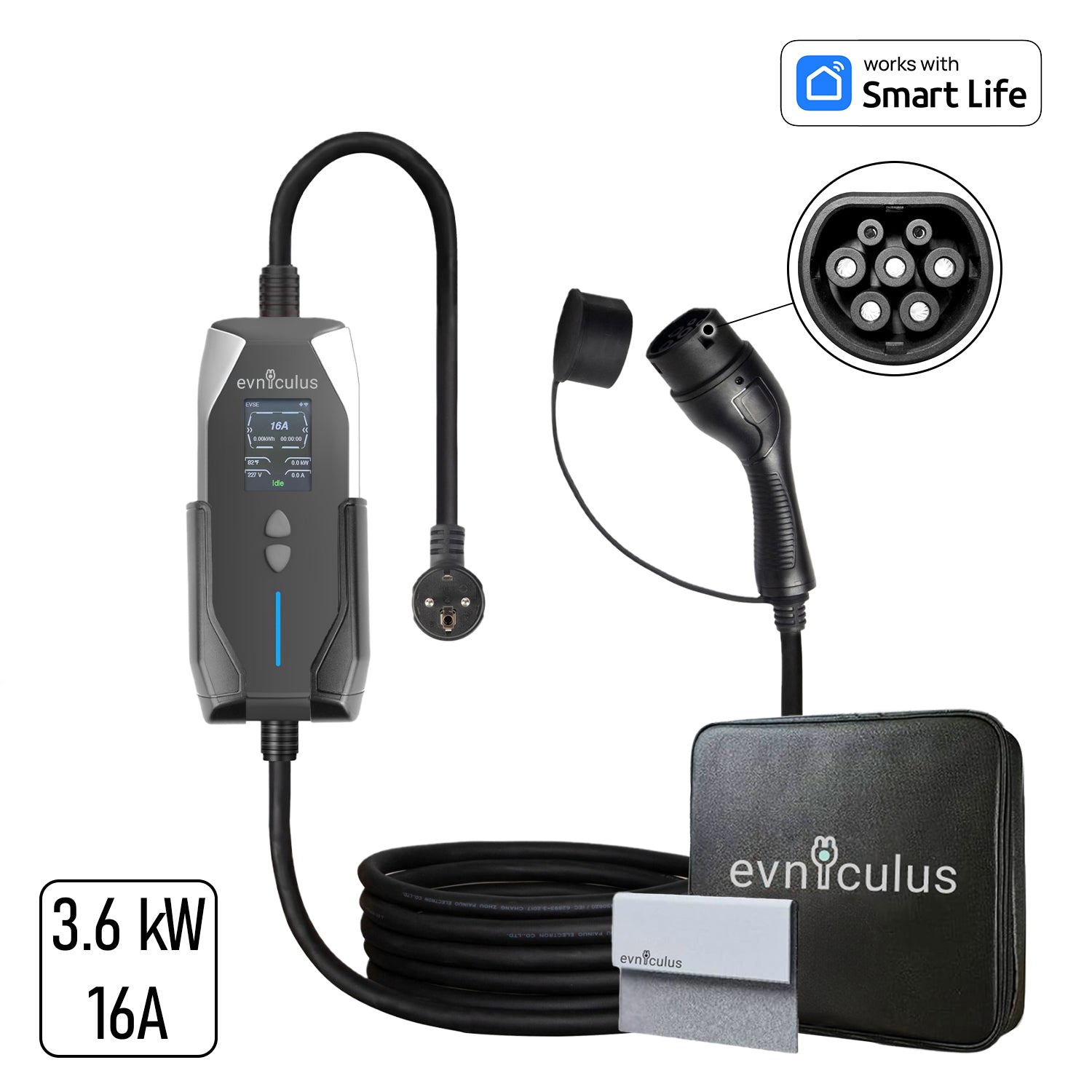
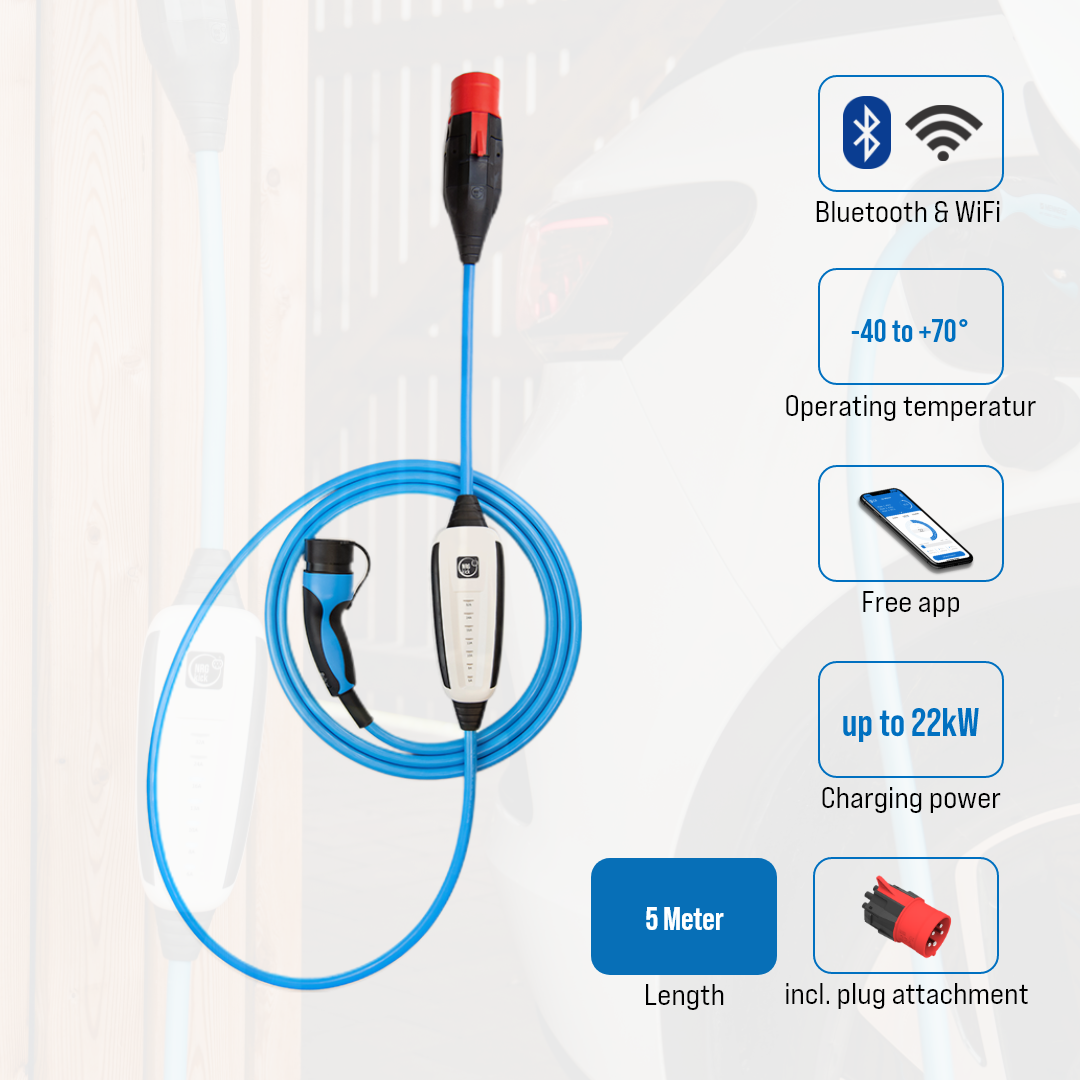
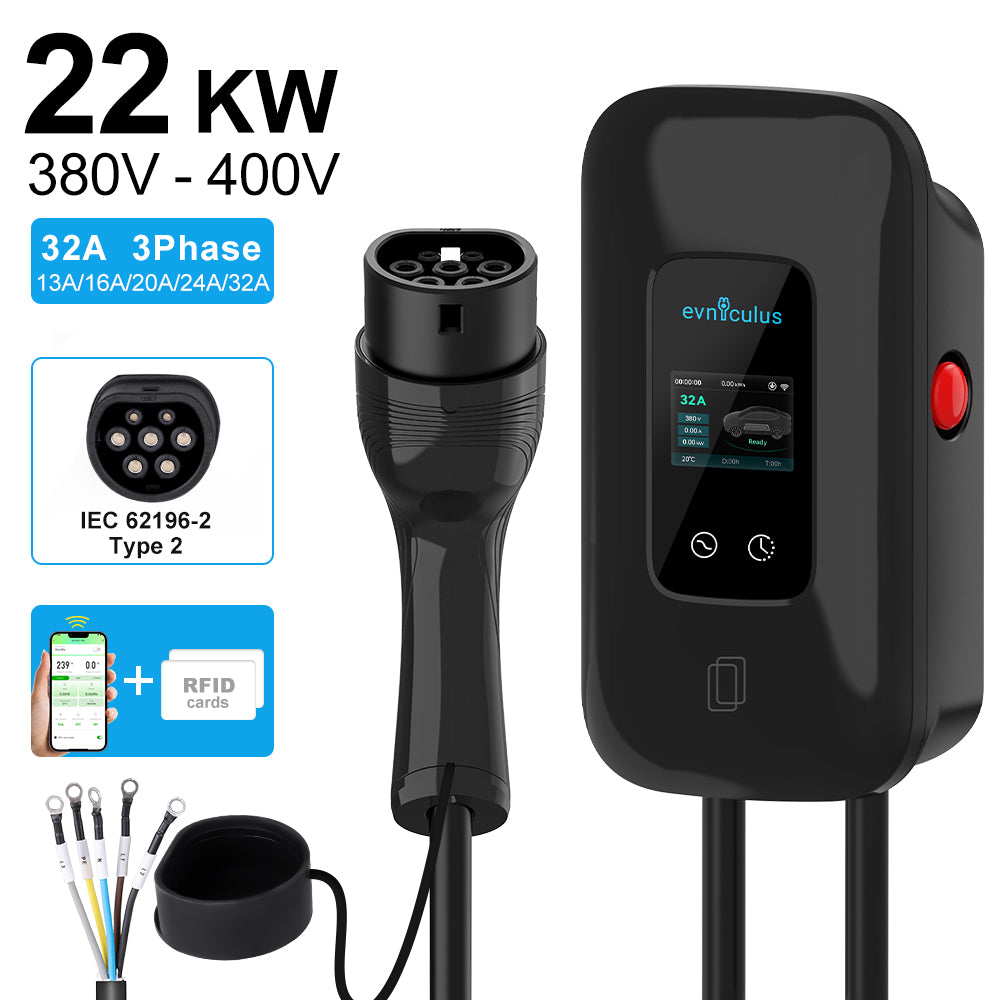
Home setup should follow the parking reality, not the brochure. A tethered wallbox makes the daily plug-in routine quicker if the car parks in the same place every night. An untethered charger with a separate Type 2 cable makes more sense if the same charge point may serve different European EVs over time. Public AC charging is where carrying your own Type 2 cable still matters, because not every destination charger has a cable attached. For long trips, the main backup logic is simple: keep the right AC cable in the vehicle, know your Supercharger and public DC options, and use portable charging as a contingency tool rather than your primary daily method.
Owners of older Model X vehicles have one extra compatibility question around CCS access, but for the current UK car the accessory logic is cleaner. You mostly need a good home setup, a proper Type 2 cable for public AC posts, and only the adapters that genuinely fit your travel pattern. Too many owners overbuy here. The better setup is the one you will actually use.
Tesla Model X owner basics and history
For anyone searching how to lock Tesla Model X with key, the modern car does not behave like a conventional metal-key SUV. Tesla’s current support says the vehicle works with phone key, key cards and key fobs, while older 2015 to 2020 Model X vehicles do not support phone key. If you are using a key fob, Tesla’s manual says a single click locks all doors and the rear trunk, and Walk-Away Door Lock can also handle locking automatically when you leave with an authenticated key.
And for owners asking how to activate Tesla Model X celebration mode, Tesla now treats that as the Light Show function inside Toybox. The current manual says you can launch it while parked and even schedule it for later from the vehicle touchscreen or mobile app. The short version of the Model X story is still the same: first deliveries began in September 2015, and the car remains Tesla’s large-format family flagship rather than a mass-market product.
Home Charging Solutions
https://evniculus.eu/bg-bg/products/adapter-ccs2-combo-to-tesla-dc-only-250kw-max
https://evniculus.eu/products/adapter-type-2-to-us-tesla-ac-only-up-to-7kw
https://evniculus.eu/products/adapter-ccs-combo-2-to-type-2-tesla-model-s-x-only-150-kw-max