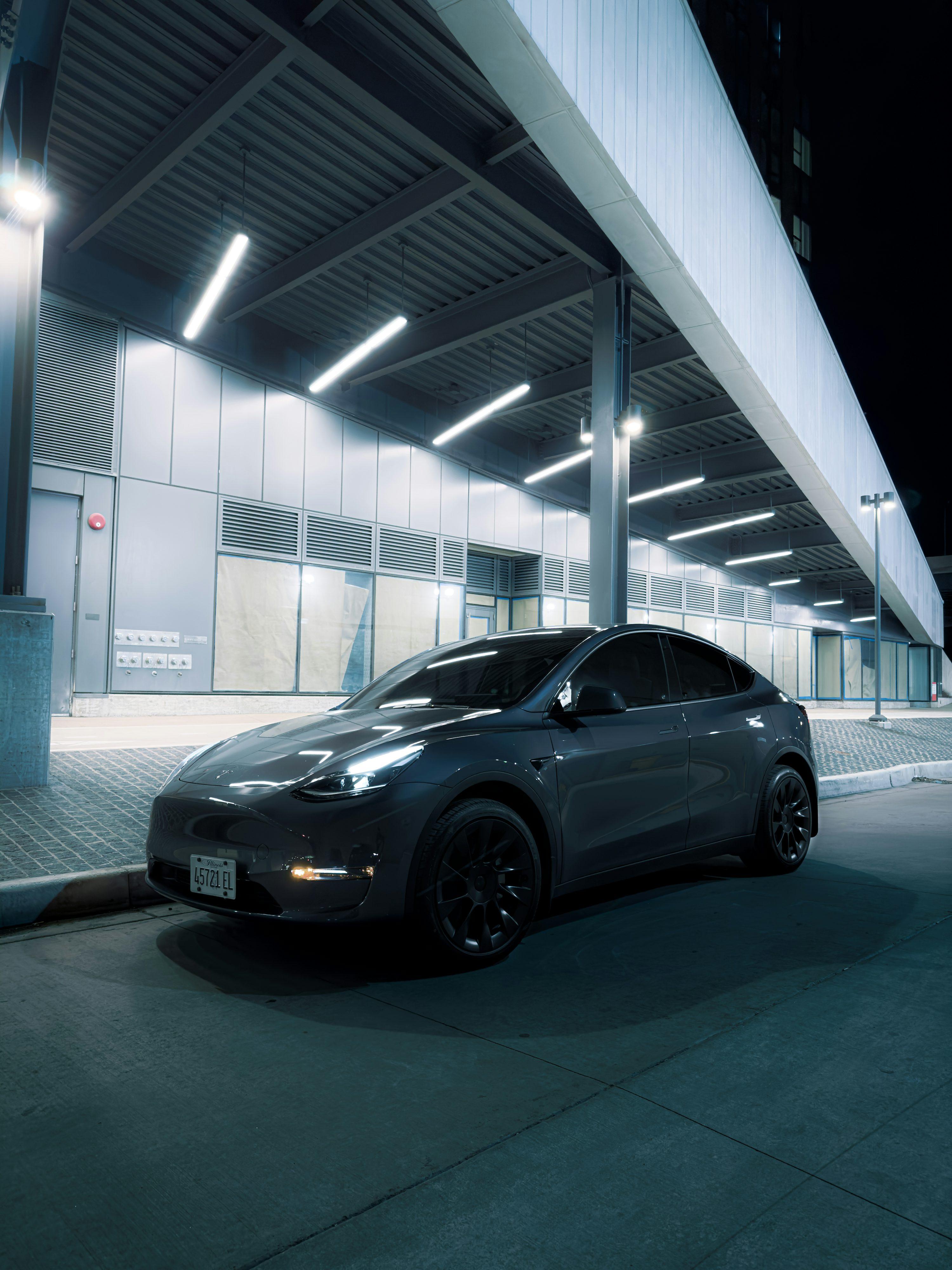
The Tesla Model Y 2026 line-up is best understood as a set of closely related ownership choices, not one fixed SUV. The shape stays familiar, but the way the car behaves in daily life changes quite a bit once range; charging speed, drivetrain and load-carrying details are put back into view.
That matters because the Tesla Model Y range is not one single number. The rear-wheel-drive cars make the strongest case for efficiency and simple overnight charging, while the longer-range and dual-motor versions do a better job of reducing trip-stop pressure and widening the car’s use pattern beyond the weekday loop.
Overview of the most in-demand Tesla Model Y variants
The current Model Y logic is fairly clean. Rear-Wheel Drive is the budget-conscious, home-charging-friendly entry point. Long Range Rear-Wheel Drive stretches the distance between charging stops without adding the complexity or weight of a dual-motor drive. Performance changes the character most, but it keeps the same basic family-SUV usefulness. In some current UK and Europe listings, Tesla also places Premium long-range variants above the core line-up, adding more cargo capacity, more equipment and, in the all-wheel-drive version, the option of up to seven seats.
From a charging perspective, the split is just as important as the badge. The standard rear-wheel-drive car is easier to live with on modest daily mileage. The 250 kW cars pull ahead on motorway and holiday use because they recover energy faster at DC chargers. The right version is less about status and more about where the car spends most of its time: driveway, office car park, motorway service area, or all three.
Tesla Model Y Rear-Wheel Drive
For buyers looking at Tesla Model Y standard ownership, this is the simplest version to recommend. The Tesla Model Y dimensions remain just as practical as the rest of the line-up, but the lower Tesla Model Y weight and single-motor layout make this the cleanest fit for town driving, school-run duty, predictable commuting and home-first charging. It is the version that makes the least drama, and, for plenty of households, that is exactly the point.
Official current UK figures for Rear-Wheel Drive.
314 mi WLTP
13.8 kWh/100 km
Standard Range
Rear-Wheel Drive
1,906 kg
2,118litres
5 adults
175 kW
Up to 162 miles added in 15 minutes
Length 188.9 in, width 78.0 in folded / 83.8 in extended, height 63.8 in
Tesla Model Y Rear-Wheel Drive
The value of Tesla Model Ylong rangesits in how much distance it adds without turning the car into a heavier, more expensive all-wheel-drive purchase. This is the version for drivers who do a lot of mixed use, want fewer charging stops on long days, and still prefer the calm, efficient feel of a rear-driven car. In the current UK line-up, it is therangeleader among the core non-premium variants.
Official current UK figures for Long Range Rear-Wheel Drive.
383 mi WLTP
13.6 kWh/100 km
Long Range
Rear-Wheel Drive
1,878 kg
2,118litres
5 adults
250 kW
Up to 173 miles added in 15 minutes
Length 188.9 in, width 78.0 in folded / 83.8 in extended, height 63.8 in
Tesla Model Y Performance
Performance sharpens the whole vehicle without removing the reasons people buy a Model Y in the first place. It is quicker, heavier, lower, and more overtly tuned, but itkeepsfive-seat practicality and the same broad charging access as the long-range cars. For someone who wants the fast Tesla experience without stepping into a larger or less usable platform, this is the version that changes the emotional tone of the car most clearly.
Official current UK figures for Performance.
360 mi WLTP
16.2 kWh/100 km
Long Range
Dual Motor All-Wheel Drive
2,033 kg
2,138liters
5 adults
250 kW
Up to 151 miles added in 15 minutes
Length 188.8 in, width 78.0 in folded / 83.8 in extended, height 63.4 in
Full lineup comparison
Powertrain / Battery / Drive
Key Features / Range / Practicality & Notes
RWD / Standard Range / 175 kW DC
314 mi WLTP, 5 seats, 2,118 L cargo, lowest-complexity ownership case, easiest fit for home-first charging
RWD / Long Range / 250 kW DC
383 mi WLTP, 5 seats, 2,118 L cargo, strongest efficiency-to-distance balance in the core line-up
RWD / Long Range / 250 kW DC
378 mi est., up to 5 seats, 2,138 L cargo, added premium positioning with more load volume
Dual Motor AWD / Long Range / 250 kW DC
372 mi WLTP, up to 7 seats, 2,138 L cargo, the family-oriented premium choice with extra traction
Dual Motor AWD / Long Range / 250 kW DC
360 mi WLTP, 3.3 s 0-60 mph, 5 seats, 2,138 L cargo, quickest version without giving upevery daySUV utility
Comparison figures reflect Tesla’s current UK listing, where Premium versions appear alongside the main Rear-Wheel Drive, Long Range Rear-Wheel Drive and Performance cars.
Across the line-up, the useful thing about Model Y is that the basic ownership proposition stays legible. You are not choosing between a practical car and an impractical one. You are choosing between different ways of using the same practical package.
Tesla Model Y utility,seatingand cabin
If you are comparing Tesla Model Y boot space figures, the headline only tells part of the story. Tesla currently lists 2,118 litres of cargo space for the standard rear-wheel-drive cars and 2,138 litres for the Premium and Performance versions, but the real strength is the shape: wide opening, low load lip for the class, deep underfloor storage, and a front trunk that is genuinely useful for charging gear or smaller bags. The result is a car that works well for prams, airport bags, shopping, and the usual untidy mix of daily life.
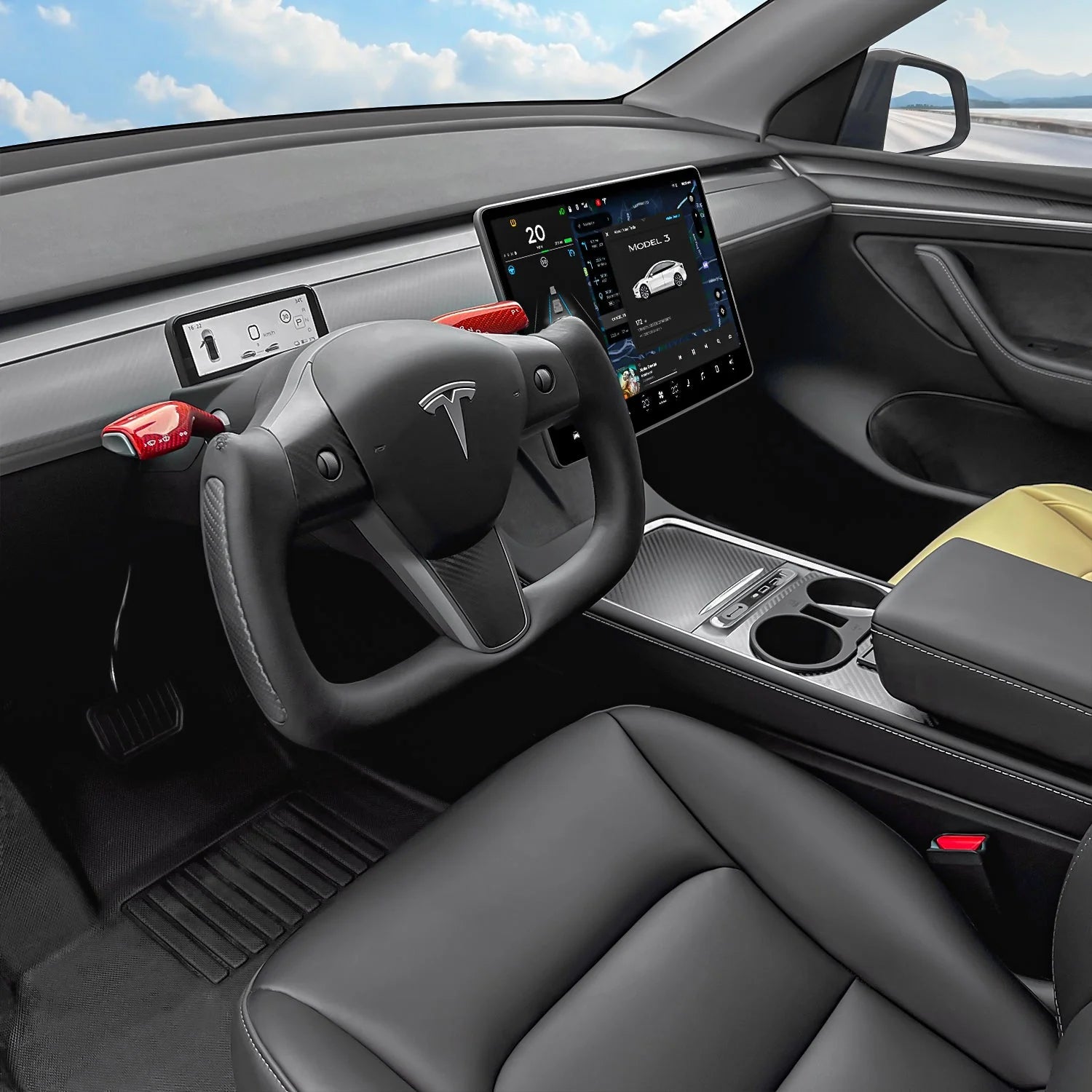
The Tesla Model Y interior keeps Tesla’s stripped-back logic. One large central display does most of the work, the switchgear count stays low, and the cabin feels open rather than busy. On the practical question Tesla Model Y how many seats, the answer is usually five, but Tesla’s current Premium Long Range All-Wheel Drive specification in the UK allows up to seven adults, which makes a difference for households that occasionally need that extra row, even if the third row is more occasional-use space than full-time adult territory.
Tesla Model Y charging overview
For buyers askinghow many kwh to charge a Tesla Model Y, the practical answer is usually less than a full battery. Most owners are topping up the energy they used that day, not refilling from empty. That is whyhow to charge Tesla Model Yis really a question about routine: home AC for the weekly rhythm, public AC for occasional top-ups, and DC fast charging for long-distance days.
Tesla Model Y charging time
In normal ownership, AC charging does most of the work. Tesla states that Model Y cancharge atup to 7.4 kW on 230 V single-phase supply and up to 11 kW on compatible three-phase supply, which is why overnight charging is the default answer for home use. DC speed depends on version: Rear-Wheel Drive peaks at 175 kW, while Long Range Rear-Wheel Drive, Premium variants and Performance go to 250 kW. That difference matters far more on trip days than on the driveway.
Tesla Model Y charging port and compatibility
In the UK and Europe, Tesla’s support material and current Europe owner documentation place Model Y in the CCS charging ecosystem. Tesla says European V3 Superchargers use single-cable CCS technology compatible with Model Y, and the Europe owner’s manual refers to vehicles equipped with a CCS charge port. In practice, that means the car is straightforward to use at Tesla Superchargers and at third-party DC sites built around CCS, while AC charging compatibility depends more on whether the charge point is tethered or expects you to provide your own cable.
Tesla Model Y charging cable and adapter options
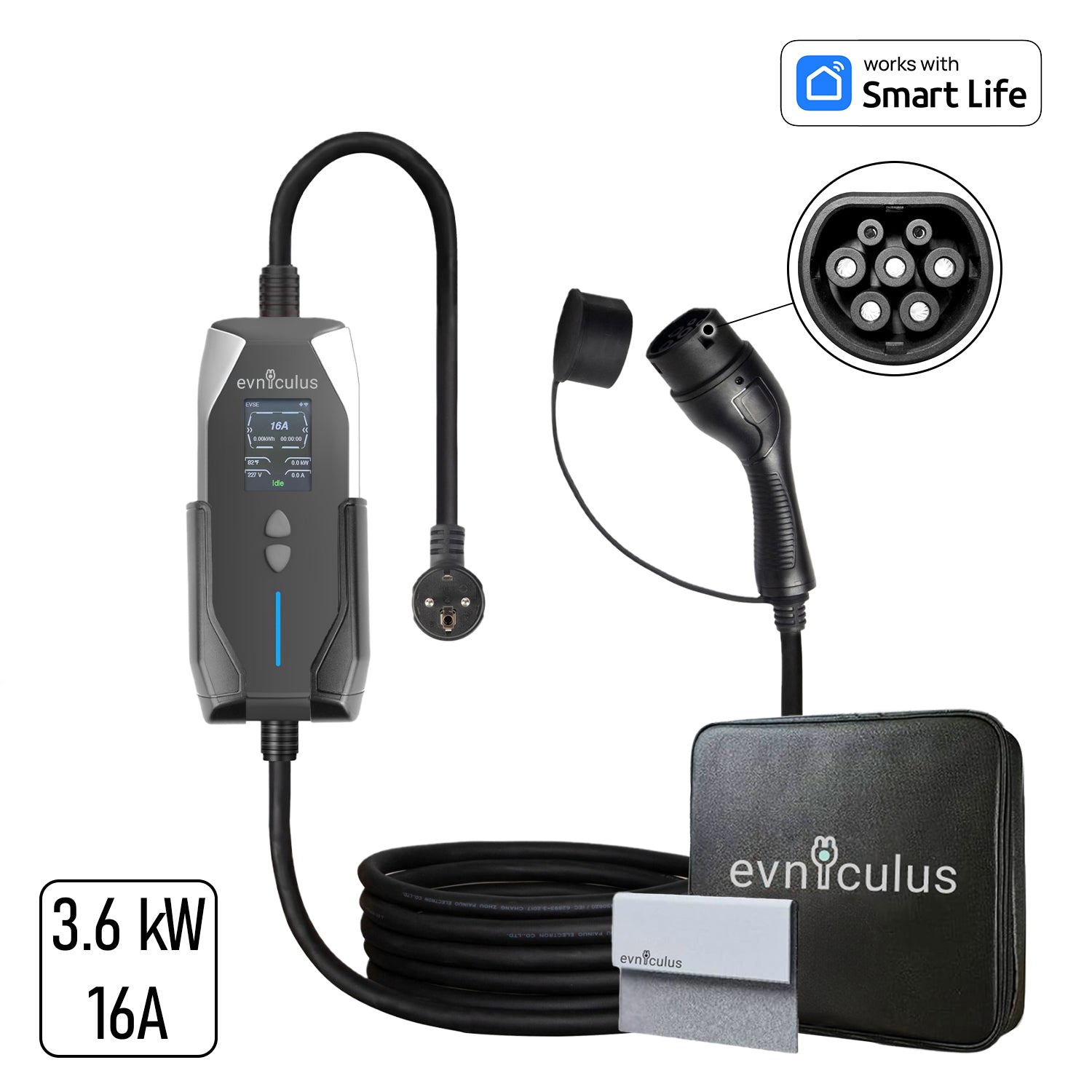
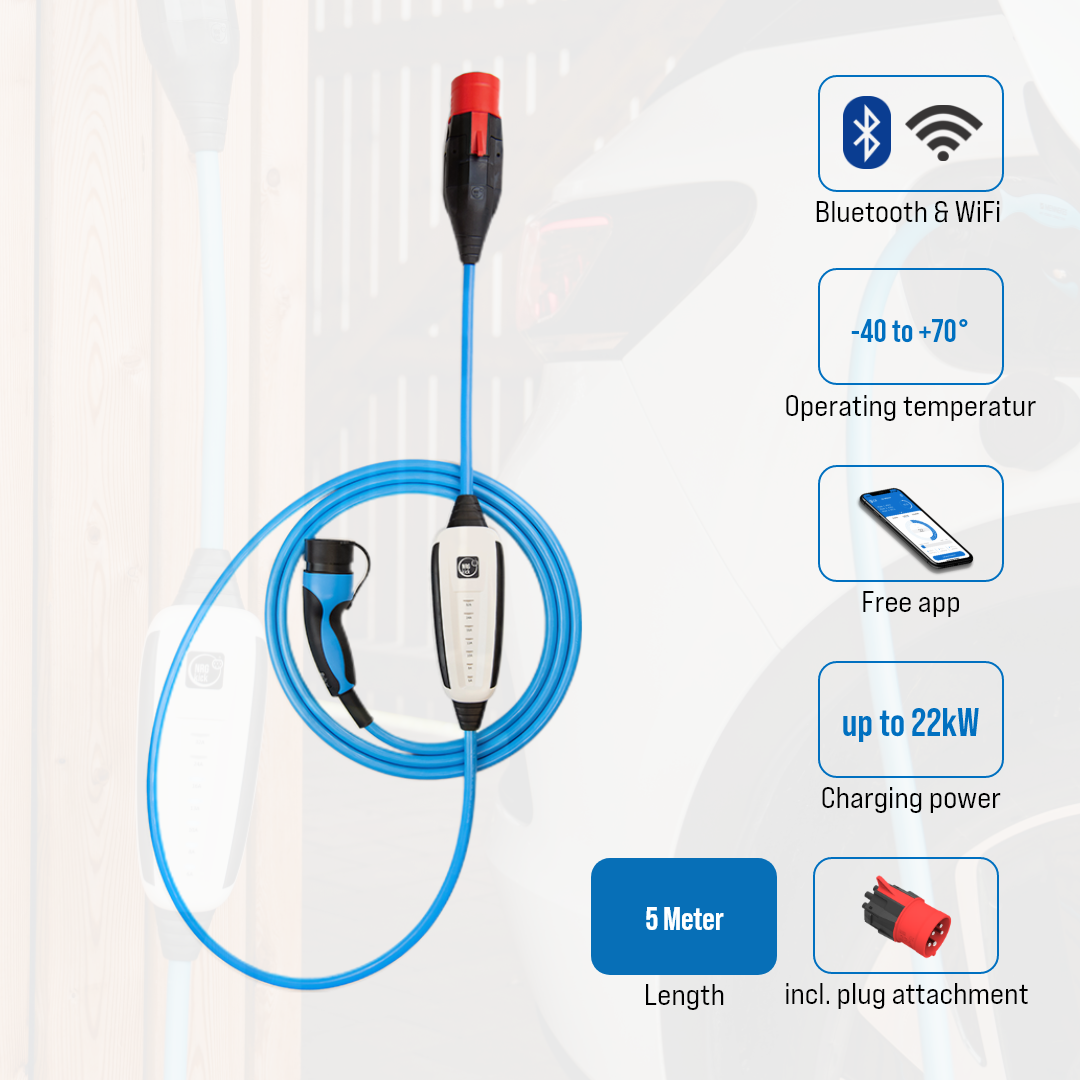
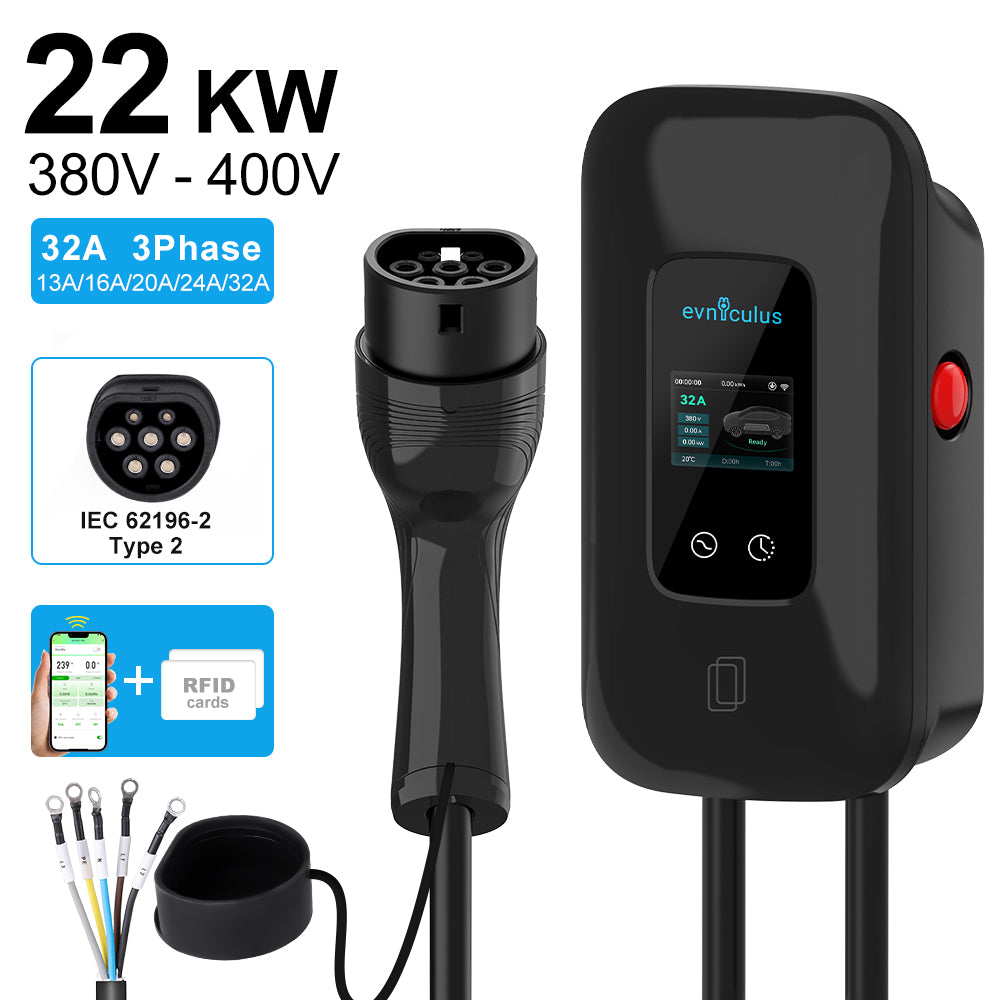
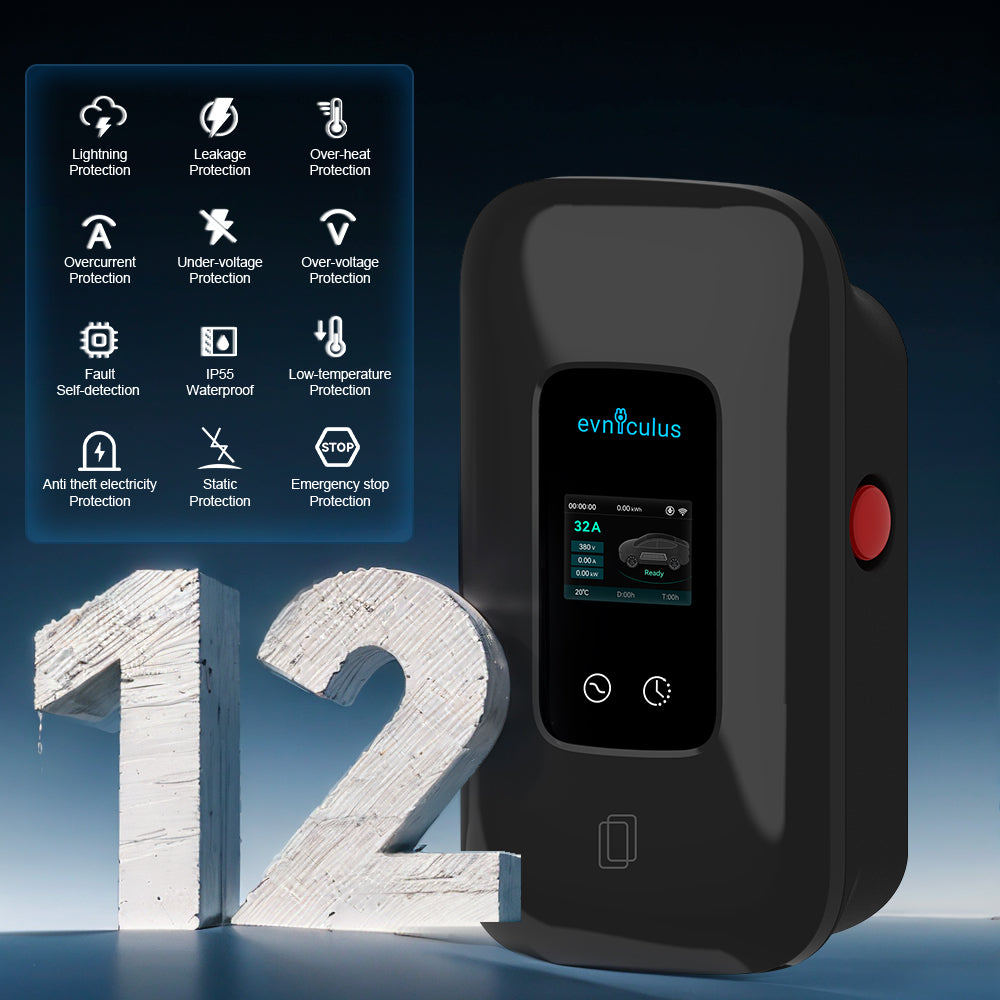
Cable choice changes daily convenience more than most buyers expect. A tethered wallbox is the cleanest solution if the car parks in a consistent position and you want the least friction on wet evenings. An untethered setup can make more sense if wall aesthetics matter, if the parking angle changes, or if the household may switch EVs later. Tesla recommends Wall Connector for home charging and says the Mobile Connector is best kept in the boot as a backup while travelling. For people searching what charging cables come with Tesla Model Y UK, the important detail is that Tesla’s current UK support and shop pages treat the Mobile Connector as a separate charging product; the bundle includes a 6-metre cable, a standard household outlet adapter and a storage bag, with faster outlet adapters sold separately.
Owner basics: driving and locking
For anyone searching how to drive a Tesla Model Y, the current Europe owner’s manual says you enter the car, press the brake pedal, and swipe up on the touchscreen drive strip for Drive or down for Reverse, unless Auto Shift out of Park has already selected a direction for you. It is simple once learned, but it is different from a stalk-based car that new owners usually need a day or two before it becomes automatic.
On the equally common question how to lock Tesla Model Y, Tesla supports phone key, key cards and key fobs. Walk-Away Door Lock can automatically lock the doors and trunks when you leave with a paired phone key or key fob, and Tesla’s key documentation also notes that a phone key supports automatic locking and unlocking.
Home Charging Solutions
https://evniculus.eu/products/portable-electric-car-charger-3-phase-11-kw
https://evniculus.eu/products/charging-cable-type-2-to-type-2
https://evniculus.eu/products/adapter-type-2-to-us-tesla-ac-only-up-to-7kw