Ford Electric Vehicle Models
Ford’s all-electric range makes the most sense once you stop looking at it as a simple model list and start reading it as a set of different charging cases. A compact crossover used for commuting, a full-size electric pickup with heavier energy demand, and a commercial van built around route discipline do not ask for the same home setup, the same public charging habits, or the same ownership expectations.
That is where this page matters. Instead of treating every battery-electric Ford as part of one generic category, we look at how each vehicle fits into real charging life: overnight recovery at home, 240V suitability, public fast-charging access, daily mileage patterns, and the difference between private use and commercial operation. Once those pieces are clear, the lineup becomes easier to understand and much easier to charge well.
Ford models
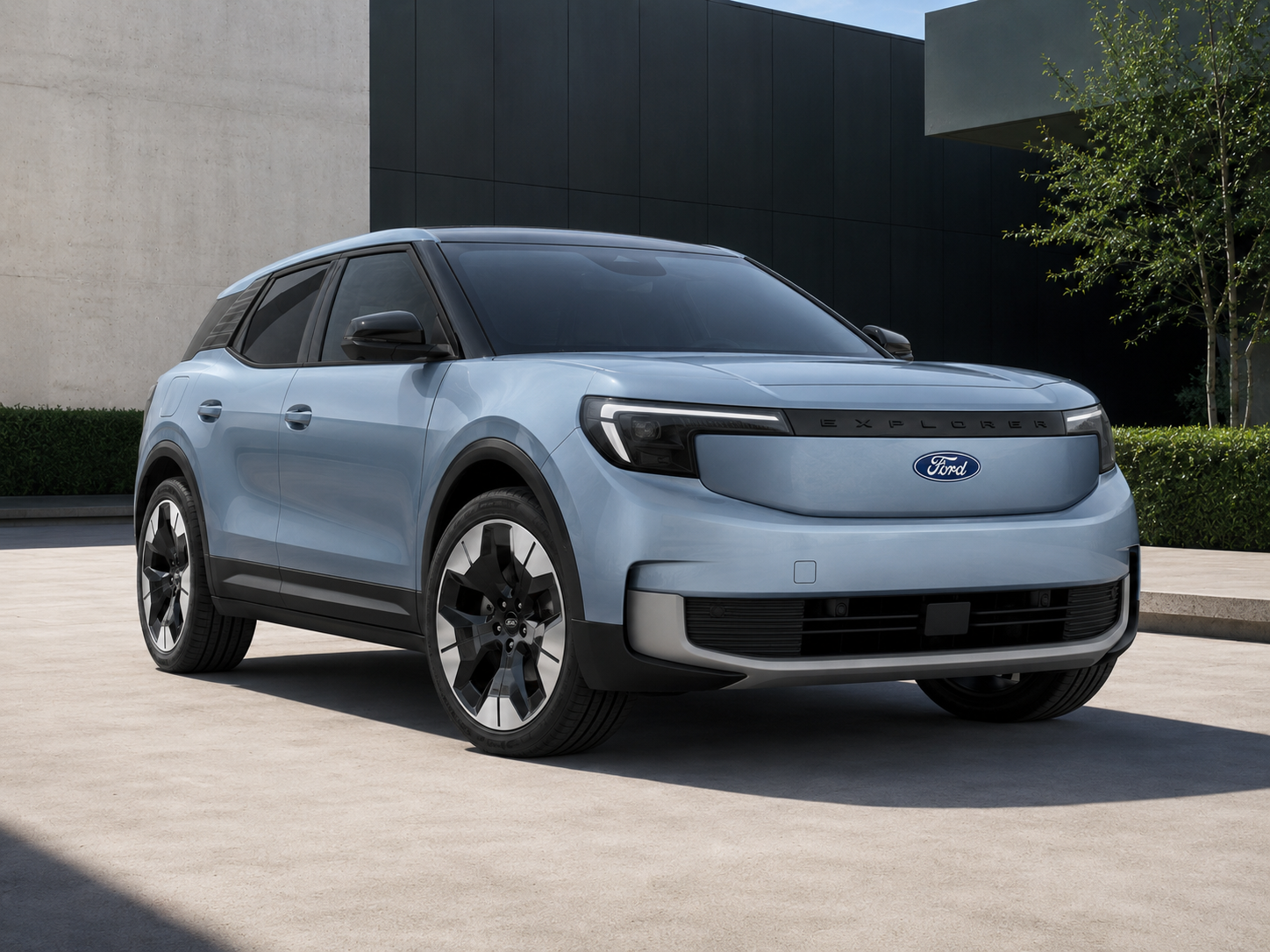
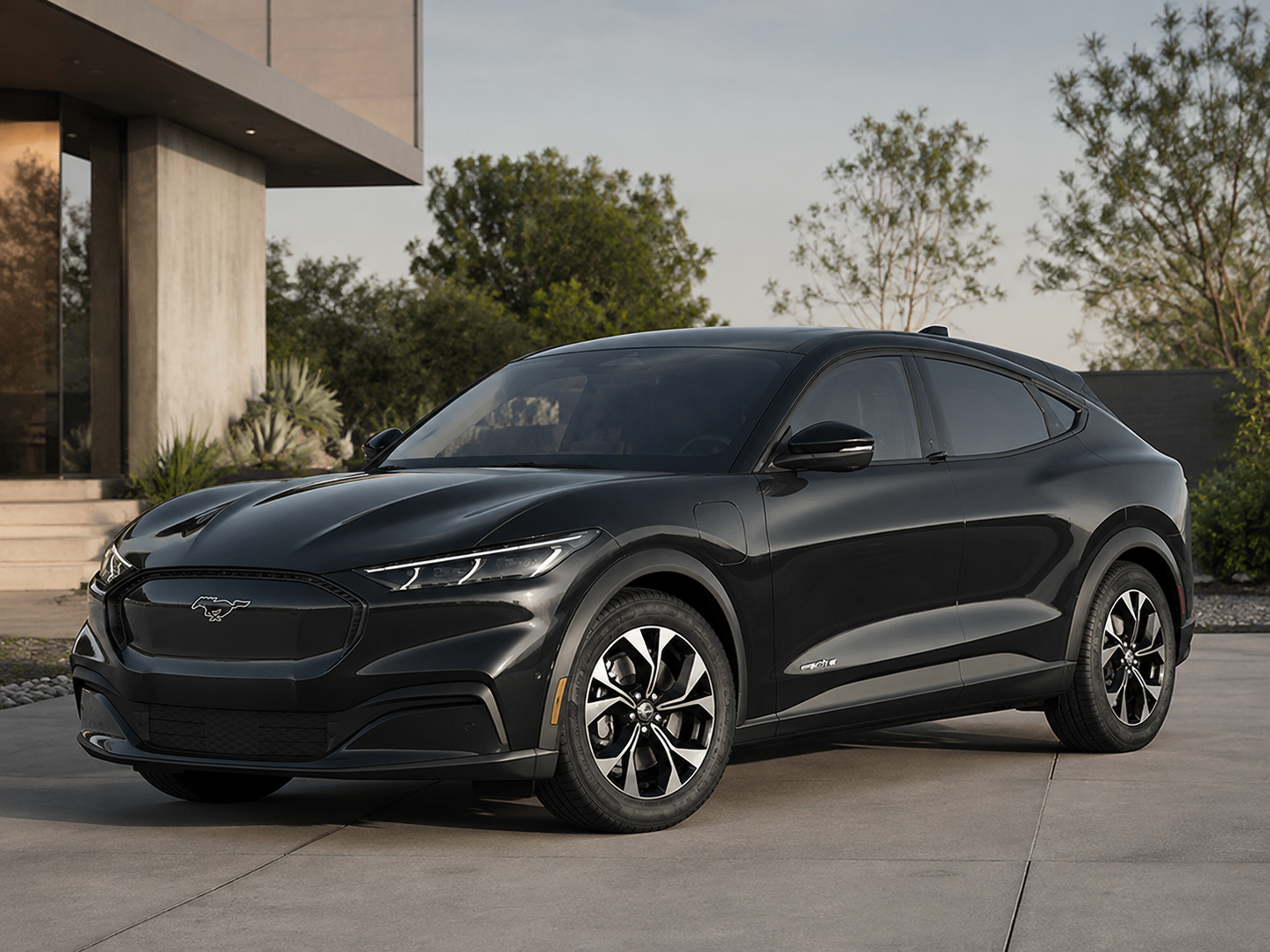
Current All-Electric Lineup: Exploring Every Ford Electric Vehicle
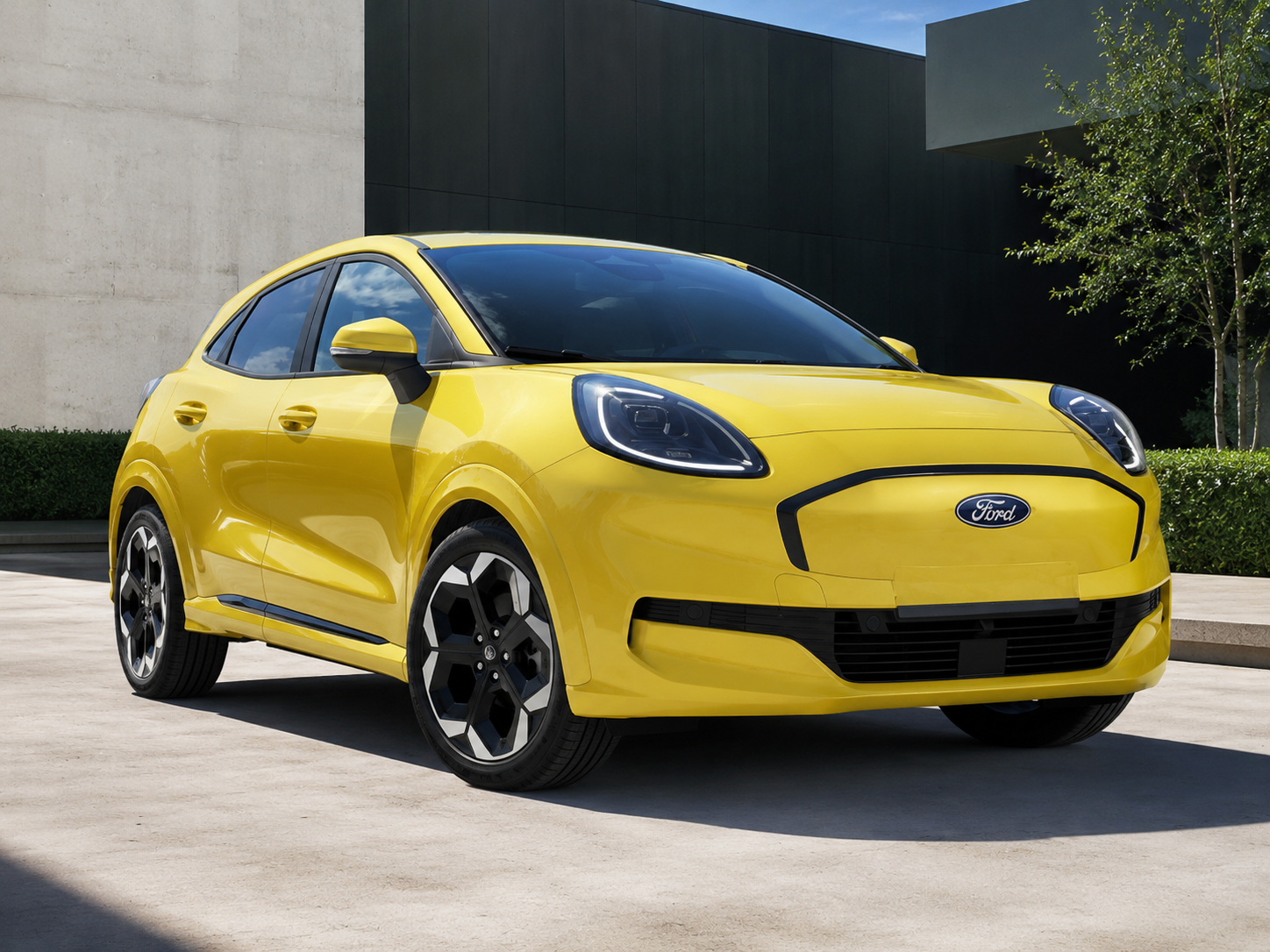
People often arrive on a page like this after searching for Ford Electric Vehicle as if Ford’s battery-electric range were one neat, uniform category. It is not. In the U.S. market in 2026, the core consumer picture is still centered on Mustang Mach-E and F-150 Lightning, while the commercial side sits with E-Transit and E-Transit Chassis Cab under the Ford Pro umbrella. That split matters because the charging logic changes with it.
Mach-E is the straightforward home-charging case. It fits the pattern most private EV owners recognize: commute, errands, school runs, occasional weekend distance, overnight AC charging, and public fast charging used mainly for travel or busy weeks. It is the easiest entry point in Ford’s all-electric range if the question is not “Which EV looks best?” but “Which EV fits a normal garage, a normal electrical panel, and a normal ownership routine?”
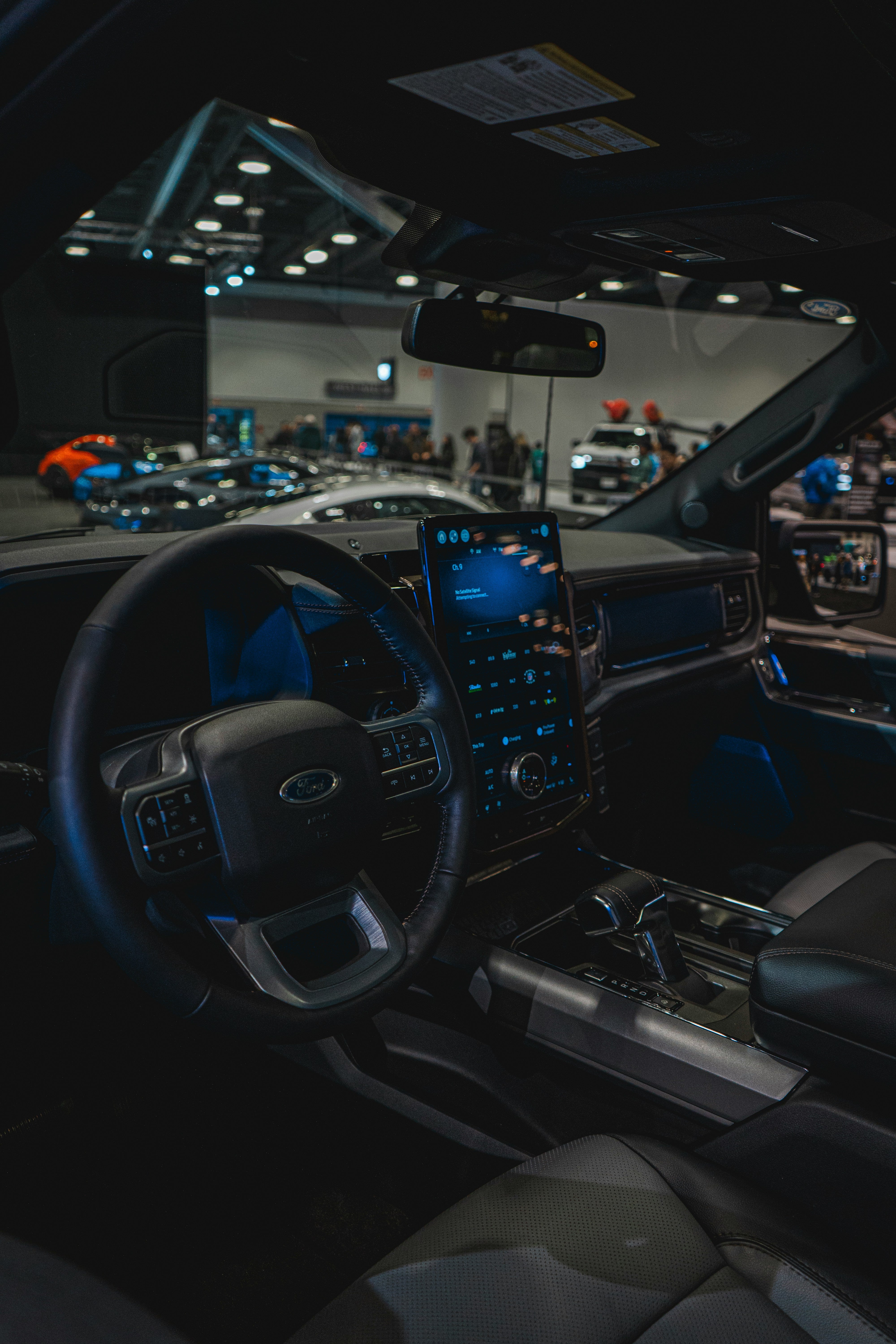
The F-150 Lightning is different. It still works well as a home-charged vehicle, but battery size, truck duty, payload, climate, and especially towing can move it into a more demanding charging profile. A buyer using the truck lightly can live comfortably with overnight Level 2. A buyer hauling tools every day, driving long suburban loops, or towing regularly needs to think much harder about daily energy recovery, parking layout, and whether public DC charging will become part of weekly life rather than an occasional convenience.
Then there is the commercial side. E-Transit and E-Transit Chassis Cab are not lifestyle EVs in any meaningful sense. They are operating assets. For those vehicles, the conversation shifts away from driveway convenience and toward depot charging, route repeatability, idle time, upfit weight, shift planning, and uptime protection. That is also why the awkward search phrase electric vehicle Ford so often confuses shoppers and fleet operators alike. Retail and commercial EVs may share a badge, but they do not share the same charging plan.
Strategic Vision: Ford Electric Vehicle Targets and 2026 Plans
Ford’s EV roadmap looks different in 2026 than it did when the industry was chasing volume headlines. The company is still committed to all-electric products, but the emphasis has plainly moved toward affordability, engineering efficiency, and a business case that can hold up after the launch buzz fades. Behind the headline language around Ford electric vehicle targets, the practical takeaway is that Ford is not treating battery-electric growth as a race to flood every segment at any cost.
That change is sensible from an ownership standpoint. EV success is not created by catalog expansion alone. It depends on whether the battery is sized appropriately, whether the vehicle can be charged in the way real people and real operators actually live, and whether public infrastructure fills the gaps without turning ownership into a chore. For private buyers, that means fewer surprises after delivery. For fleets, it means fewer expensive mistakes in duty-cycle planning.
The Shift to Profitability: Ford Electric Vehicle Plans and Strategy
Ford has made it clear that Model e profitability is now targeted for 2029, with improvement expected to build from 2026 onward. That is not just a finance story. It is part of the ownership story too. Vehicles become easier to support profitably when battery cost, platform design, charging behavior, and customer use case line up instead of fighting each other.
That is the part of Ford electric vehicle plans that matters to us. A right-sized battery is easier to charge well. A vehicle that spends most nights parked at home or at a depot asks less of the public network. A van running a predictable route can often be charged more intelligently, and more cheaply, than a product designed around occasional long-distance marketing claims. Profitability in EVs is tied to discipline. So is charging.
Adapting to Market Demand: The New Universal EV Platform
Ford’s new Universal EV Platform matters because it points toward a cleaner engineering baseline for future affordable, high-volume EVs. The idea is not to impress people with complexity. It is to build scalable products with fewer cost traps, better software flexibility, and battery choices that are matched to actual demand rather than excess. That should translate into vehicles that are easier to update, easier to manufacture efficiently, and easier to place in charging environments that make sense.
From a charging perspective, this is important. Better platform efficiency can reduce the pressure to solve every ownership problem with a larger battery pack. That usually leads to saner home-charging expectations, less wasted installed capacity, and a more rational split between AC charging at base and DC fast charging on the road. For both households and businesses, that is a healthier direction than treating size alone as the answer.
Powering Your Journey: Ford Electric Vehicle Charging Solutions
Good Ford electric vehicle charging planning starts by accepting that Ford’s EV range does not ask for one universal setup. A Mach-E owner with modest daily mileage may need nothing more dramatic than a well-placed Level 2 unit and a stable overnight window. An F-150 Lightning owner, especially one using the truck like a truck, may need more circuit capacity, faster overnight recovery, and a more honest look at how often public charging will be required. An E-Transit operator may care less about road-trip convenience and more about whether several vehicles can be charged reliably between shifts without creating demand spikes or dead time at the depot.
Home AC charging is where most private owners should build the foundation. It is cheaper, simpler, gentler on routine, and far less dependent on station availability. Public DC charging is the complement, not the whole strategy. It covers long-distance travel, schedule compression, and the occasional week that does not go to plan. That balance works well for Mach-E. It can work for Lightning too, but only if expectations are grounded in real energy use rather than brochure thinking.
Commercial use changes the picture again. For E-Transit and E-Transit Chassis Cab, the best charging plan is often the least glamorous one: dependable AC charging where the vehicle sleeps, with DC fast charging reserved for specific operational reasons rather than used as the default. Fleet charging succeeds when the route, the dwell time, and the electrical infrastructure are designed together. It struggles when charging is treated as an afterthought after the vehicles are already in service.
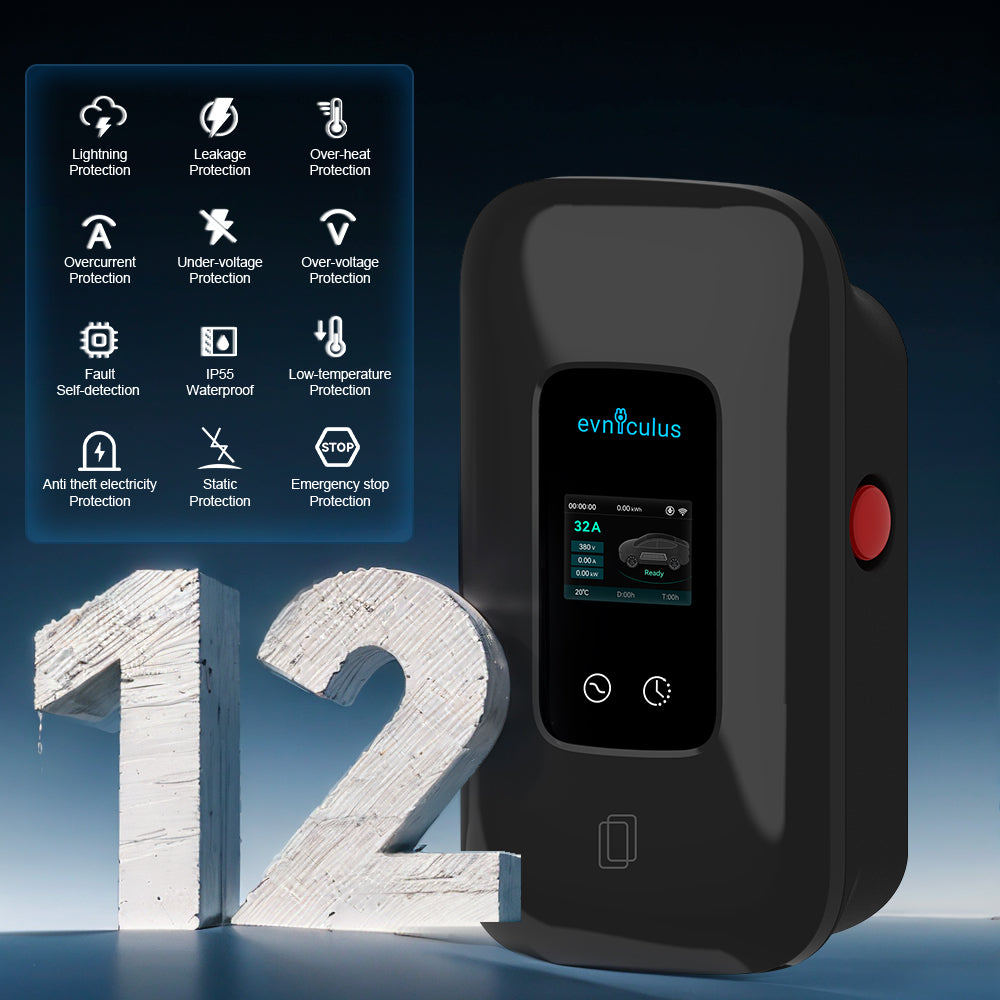
At Evniculus, that is how we read Ford’s electric lineup: not as a list of products to admire, but as a set of charging cases that need different answers.
Charging at Home: Simplified Installation for Ford EV Owners
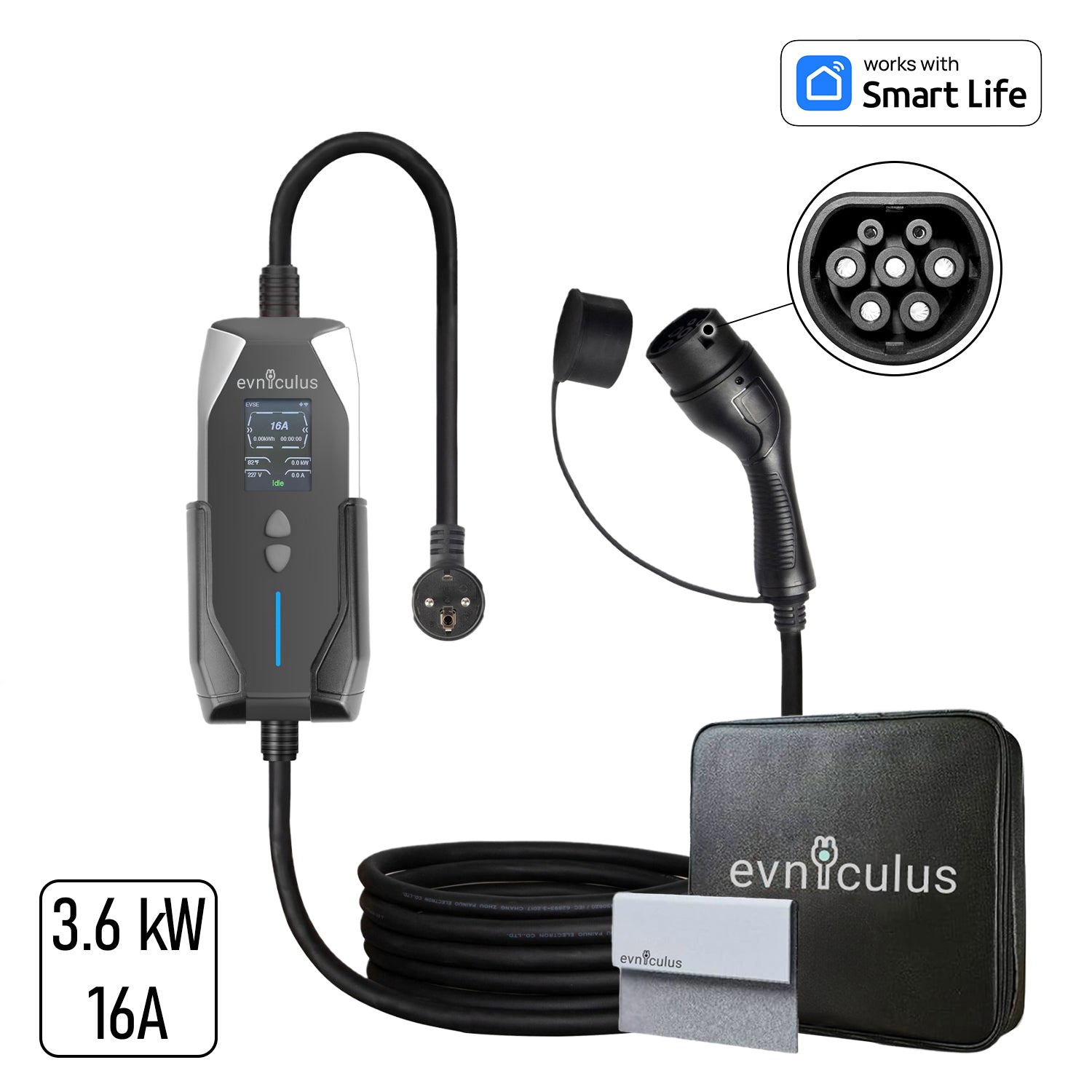
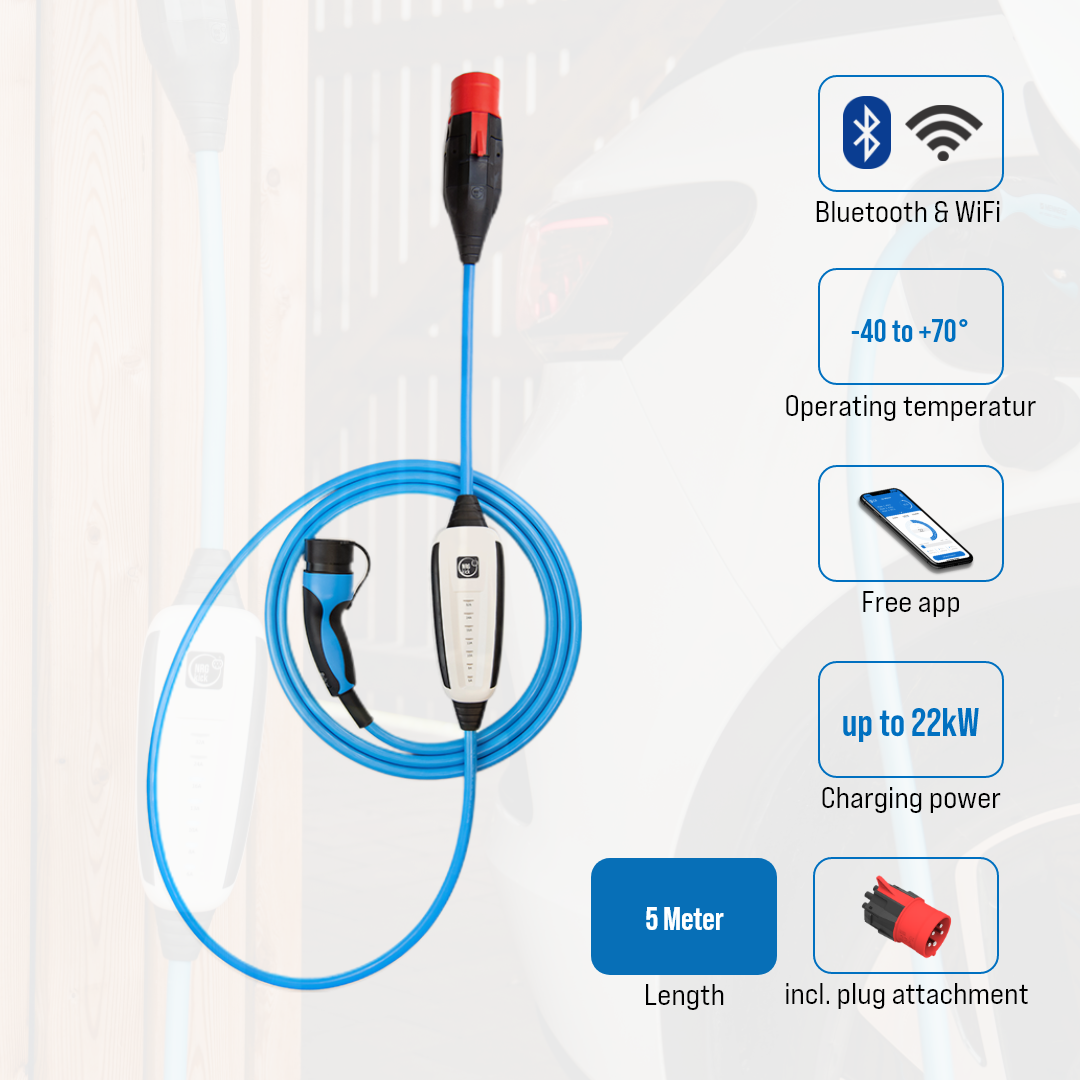
A standard 120V outlet has its place, but it is a fallback, not a serious baseline for most Ford EV owners. The Ford Mobile Power Cord can cover Level 1 use, which is acceptable for very low daily mileage or temporary situations. It can also support 240V charging where the proper outlet and circuit are in place, but portable charging is still not the same thing as a dedicated home station built around regular overnight recovery.
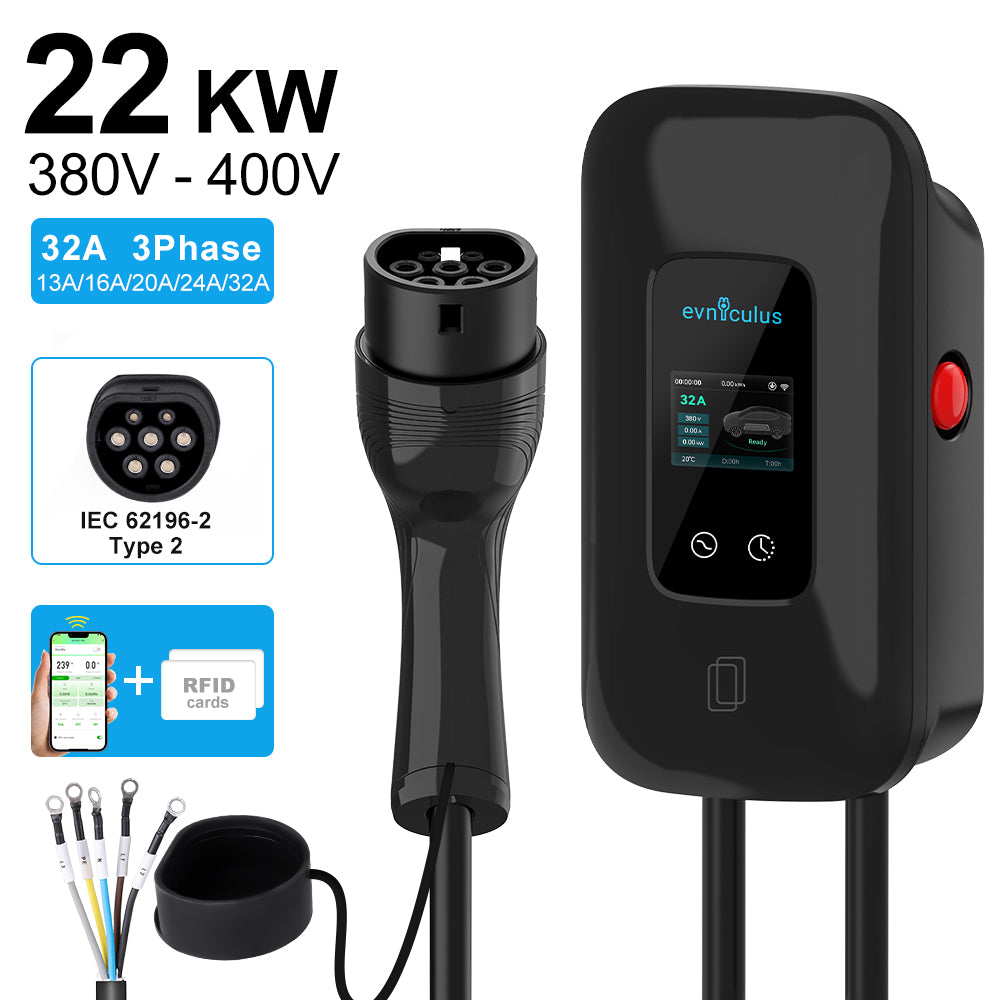
For most Mach-E households, a 240V Level 2 setup is the sensible answer. It gives enough overnight replenishment to absorb commuting, errands, weather swings, and the occasional forgotten charging session without turning energy management into a daily concern. The Ford Connected Charge Station fits neatly into that logic. It can deliver up to 48 amps, which is often the difference between merely charging at home and charging comfortably at home.
The F-150 Lightning deserves a more careful review before hardware is chosen. Some owners will still be well served by a conventional Level 2 installation. Others will benefit from planning around higher available current, longer cable reach, and future use scenarios such as home backup integration. That is where the Ford Charge Station Pro enters the picture. It is the truck-specific path for households that want a higher-capacity setup and, in the right Lightning configuration with the proper additional equipment, the option of using the truck as part of a home backup system.
Installation details matter more than many buyers expect. Charger placement should match the real parking position, not the idealized one. Cable length matters. Panel capacity matters. Garage versus driveway exposure matters. Permit rules matter. In multi-EV households, load management may matter just as much as charger amperage. A licensed electrician should be looking at service size, spare breaker space, wire run, and whether the intended charging rate is sensible for the home, not just technically possible.
On the Road: Accessing the BlueOval Network and Tesla Superchargers
Ford’s public charging ecosystem is now broad enough that route planning should feel workable, but it still rewards a little realism. Through BlueOval Charge Network integration in the Ford app, drivers can locate, activate, and pay across a large mix of public chargers without juggling separate habits at every stop. For many owners, that is the practical value. It reduces friction.
Tesla Supercharger access adds another layer of convenience where the vehicle is compatible and properly equipped. In practice, that means paying attention to designated stations, adapter requirements, and the way the vehicle is routed through the network. For many Ford EVs, access to Tesla fast charging depends on the correct NACS fast charging adapter for supported Supercharger locations. Once that is handled, the experience is much better than it was in the early patchwork phase of public charging, but it still is not magic. Charging speed depends on battery temperature, state of charge, site power, and the vehicle’s charging curve, not just the name on the charger.
For a Mach-E owner, that usually translates into easier trip planning and less anxiety about interstate travel. For a Lightning owner, it can be a valuable tool, but the truck’s energy demand means charger spacing, load, speed, weather, and trailer use all deserve extra attention. For commercial operators, public fast charging should be viewed as part of an uptime strategy, not the daily backbone unless the route model truly supports it. Network access is useful. Predictability is better.