Picture two different mornings. In one, a driver stumbles into the garage and realizes their EV is still at 30 percent because the wall socket could not keep up overnight. In the other, the car is fully charged, ready for the day, and the bill is lower than expected. The difference between those two mornings comes down to the type of charger.
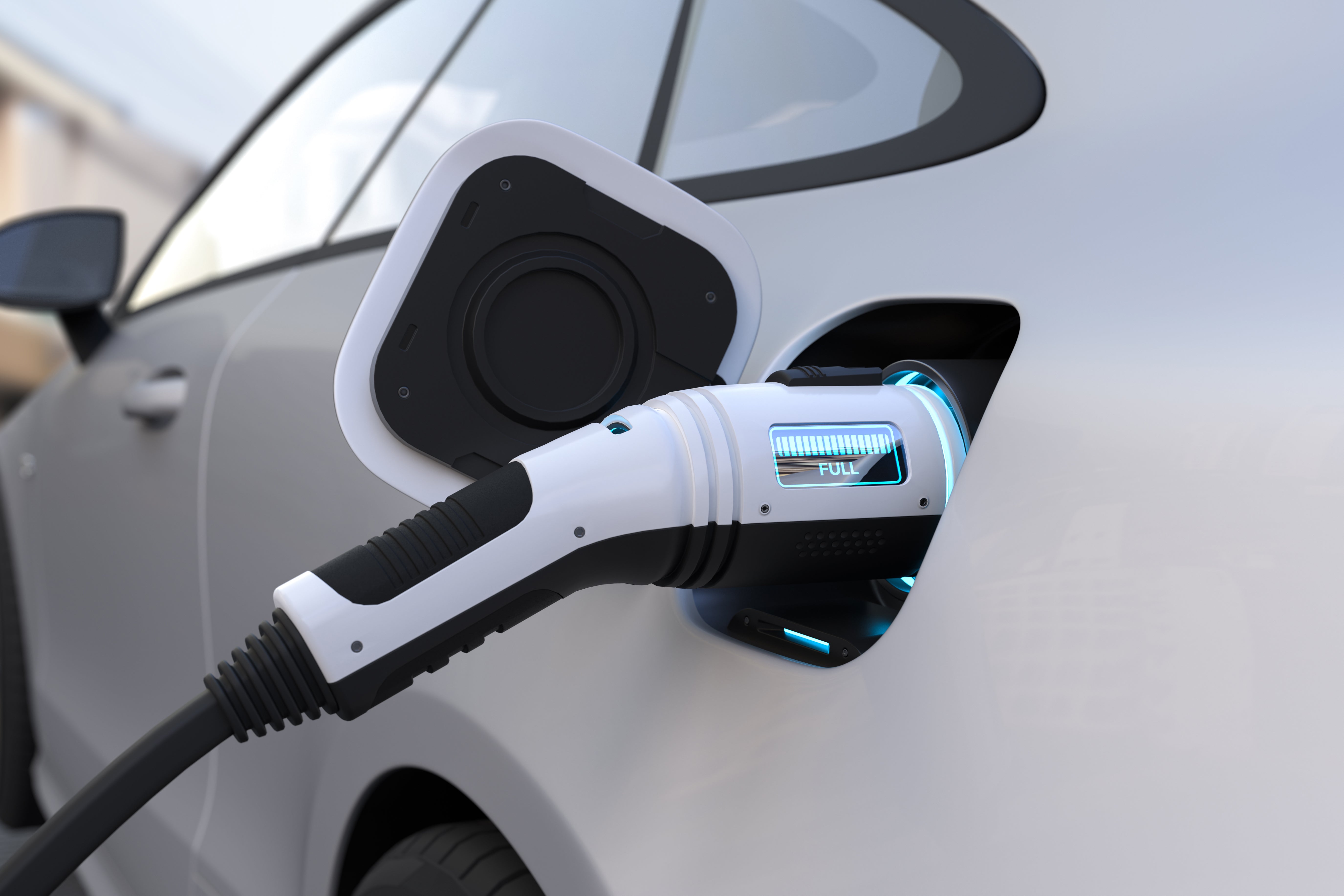
So, what is a smart EV charger? At its core, it is a device that does more than pass electricity through a cable. It is a system that talks to your car, to your home, and in some cases to the wider grid. The aim is simple: charge faster, safer, and in a way that makes sense for your lifestyle.
An introduction to smart EV charger technology
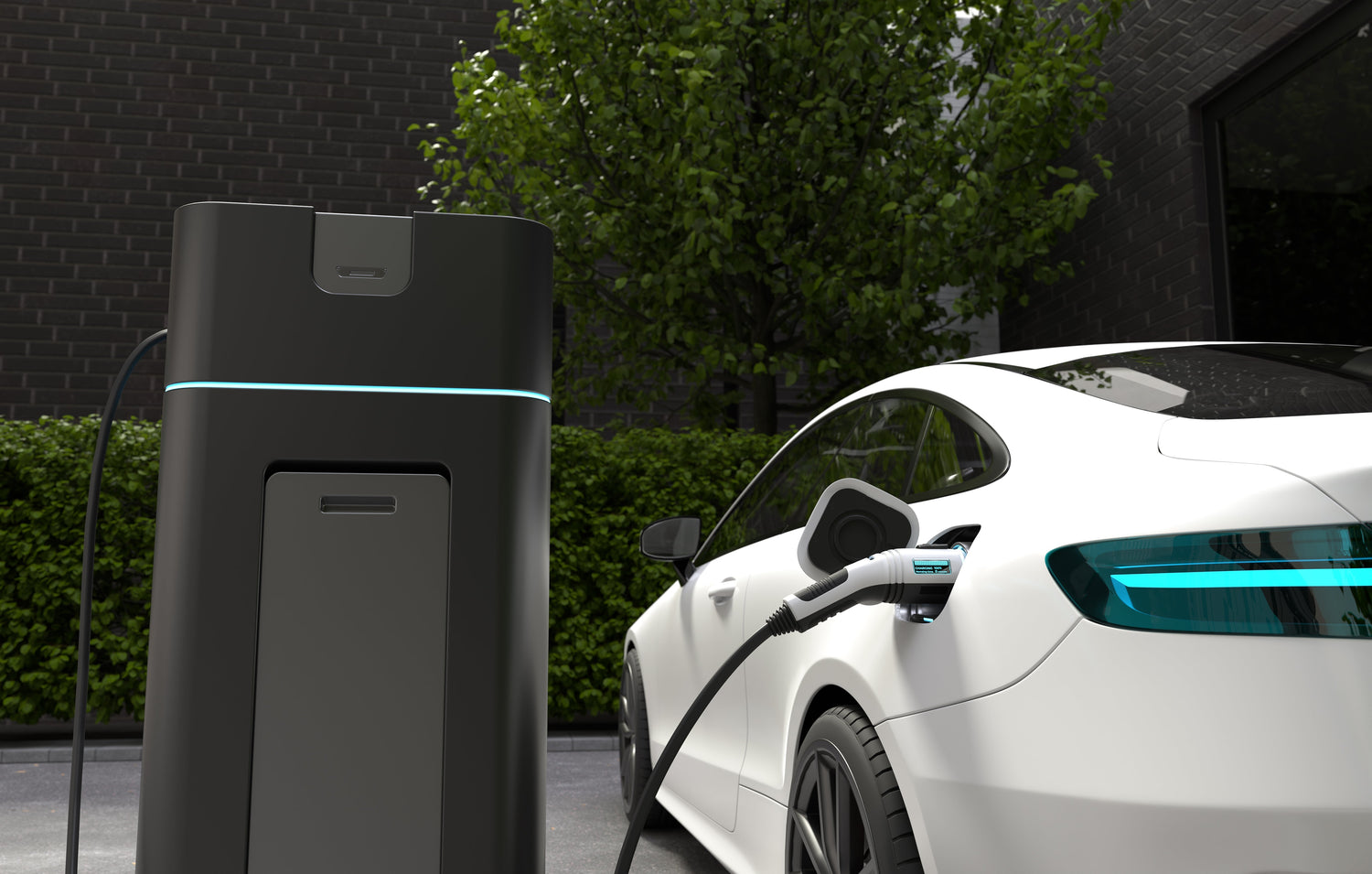
At first glance, a smart EV charger looks like a small box with a cable. Nothing flashy. But inside, it is closer to a connected computer. It links to Wi-Fi or mobile networks and constantly exchanges information.
That link changes everything. A household in Valencia might set their charger to wait until noon, letting solar panels do most of the work. In Oslo, drivers often schedule charging for the middle of the night, when power is cheap and demand is low. These are very different settings, but both are made possible by the same technology.
It is worth remembering that this is not some futuristic promise. In places like the UK, regulators already encourage smart chargers because they reduce strain on the grid. They are becoming part of daily life in the same way that smart thermostats and connected speakers quietly did a few years ago.
The benefits of a smart EV home charger
Ask new EV owners what they notice first after installing a smart EV home charger, and most will point to speed. A wall socket can take a full day or longer to top up a modern battery. With a smart unit, the same car is ready after a single night. That means you plug in after dinner and wake up ready for the commute, no calendar planning needed.
Safety is another detail that often gets overlooked until it matters. Certified chargers include protections against overheating, short circuits, and sudden surges. Families charging in garages say this peace of mind is reason enough to make the switch.
Convenience is the everyday win. Through a simple app, you can check progress from the living room, set the car to start charging only at cheap tariff hours, or lock the unit if you do not want others using it. Some owners laugh that checking their charging app has become as natural as checking tomorrow’s weather.
And then there are the bills. In Germany, households that sync chargers with rooftop solar often find their weekday commutes cost almost nothing. In southern Europe, families who use daytime solar charging sometimes go weeks without drawing from the grid. The savings may look small each day, but across a year, they add up quickly. At Evniculus, we provide reliable charging solutions across Europe, offering certified smart chargers that are designed for everyday use.
How a smart EV charger improves energy efficiency?
Efficiency might sound abstract, but in practice, it is visible. Imagine two neighbors. One plugs in at 6 p.m., just as everyone else is making dinner. The other programs their charger to start at midnight. By morning, both cars are ready, but the second neighbor paid less and used cleaner energy.
This pattern is repeated in thousands of homes. It smooths out demand and makes it easier for utilities to rely on renewable power. For drivers, the benefit is lower bills. For the grid, it is stability.
Battery health also ties into efficiency. Controlled charging cycles put less stress on the cells, which slows down the natural aging of the pack. Given that the battery is the single most expensive part of an EV, this is a serious benefit. Many long-time owners point out that careful charging habits have helped them keep strong range even after years of driving.
Smart EV home charger features that matter most
There are dozens of chargers on the market, but not all of them bring the same value. A few features make the real difference.
Safety and protection
No compromise here. A good charger includes thermal sensors, automatic shut-off, and surge resistance. Without these, overnight charging can be risky. With them, it becomes routine and stress-free.
Monitoring systems
Transparency matters. Most smart chargers pair with apps that show exactly how much energy was delivered, what it cost, and even how much carbon was avoided compared to driving on fuel. Alerts are another plus. More than one driver has been saved from a bad morning by a notification saying the car was not plugged in properly.
Long-term value
Smart chargers are not the cheapest option up front, but truth be told, they usually pay for themselves. Lower bills, healthier batteries, and higher property value all add up. In some housing markets, an EV-ready garage is already a selling point, in the same way high-speed internet was ten years ago.
Keeping the bigger picture in mind
A smart EV charger is not just another gadget on the wall. It is part of a bigger shift in how transport and energy are linked. By choosing when to draw power, by protecting the battery, and by making charging seamless, these devices change the way people think about driving electric.
And this is only the beginning. With vehicle-to-grid technology developing fast, chargers may soon let cars send electricity back into homes during outages or feed energy into the grid at peak times. That means the unit you buy today could be part of tomorrow’s flexible energy system.
For most drivers, though, the real magic is simpler. Charging stops being a chore. You plug in, go to bed, and wake up ready. That feeling, that charging has disappeared into the background, is what convinces many owners they will never go back to old habits.
Frequently Asked Questions
Do smart EV chargers save money?
Yes. The savings come from several directions. Off-peak tariffs, solar integration, and battery-friendly charging cycles all lower costs. In practice, many households recover the purchase price within just a few years. Some even call their cars “sun-powered” after realizing how little they pay when solar is part of the mix.
Can a smart EV charger work with solar panels?
It can, and for many households this is where the technology shines. A sunny afternoon can be enough to cover the next morning’s commute. In countries like Spain or Italy, some families run their cars for weeks without drawing power from the grid, simply because their charger prioritizes solar.
Is a smart EV home charger difficult to install?
The installation itself is not complicated, but it must be done by a certified electrician. Most setups take only a few hours. After that, the rest feels as simple as connecting a new Wi-Fi router. Once the app is paired, daily use becomes plug-and-forget.
How long does a smart EV charger last?
A quality unit is built for the long run. Warranties often cover five to ten years, and in normal use, many last well beyond that. Indoor chargers typically last longest, while outdoor models are weatherproof and designed to handle rain, dust, and snow. For most buyers, a smart EV home charger is a once-in-a-decade purchase.