Установка домашнего зарядного устройства — одно из самых практичных решений для любого владельца электромобиля. Дело не в роскоши. Дело в том, чтобы иметь собственное место для зарядки автомобиля в удобное для вас время.
Многие водители, которым мы помогали в Evniculus, говорят, что переход принес неожиданное облегчение: возможность заряжать машину дома в удобное для них время, без очередей и объездов. Удачный выбор. бытовое зарядное устройство для электромобилей Упрощает повседневное использование. Никаких обходных путей, никакого ожидания, просто подключите к розетке, когда вернетесь домой.
В этой статье подробно описано, чего ожидать, какие опции доступны и что следует учитывать в процессе настройки. Цель — не скорость, а надежность и спокойствие.
Выберите тип бытового зарядного устройства для электромобилей.
Прежде чем что-либо устанавливать, полезно знать, какой тип зарядного устройства подходит именно вам. Некоторые люди ездят на короткие расстояния и им не требуется много зарядки. Другие ездят на работу ежедневно или живут в более холодных регионах, где зарядка занимает больше времени. Тип выбранного вами зарядного устройства повлияет на скорость и эффективность зарядки вашего электромобиля.
Зарядка уровня 1
Это самый простой вариант. Он использует стандартную розетку и не требует дополнительного оборудования. Большинство новых электромобилей поставляются с кабелем уровня 1, что упрощает начало работы. Однако зарядка от обычной розетки занимает время, часто более суток, чтобы полностью зарядить батарею.
При неинтенсивном использовании заряда может быть достаточно. Вы подключаете аккумулятор к зарядке на ночь, и к утру обычно хватает заряда для поездок по городу. Но для более емких аккумуляторов или более активного образа жизни ожидание становится недостатком.
Зарядная станция 2-го уровня
Для большинства домохозяйств предпочтительным является второй уровень зарядки. Он работает быстрее и использует отдельную цепь, обычно 240 вольт. Полная зарядка может занять от 4 до 10 часов, в зависимости от автомобиля и размера батареи.
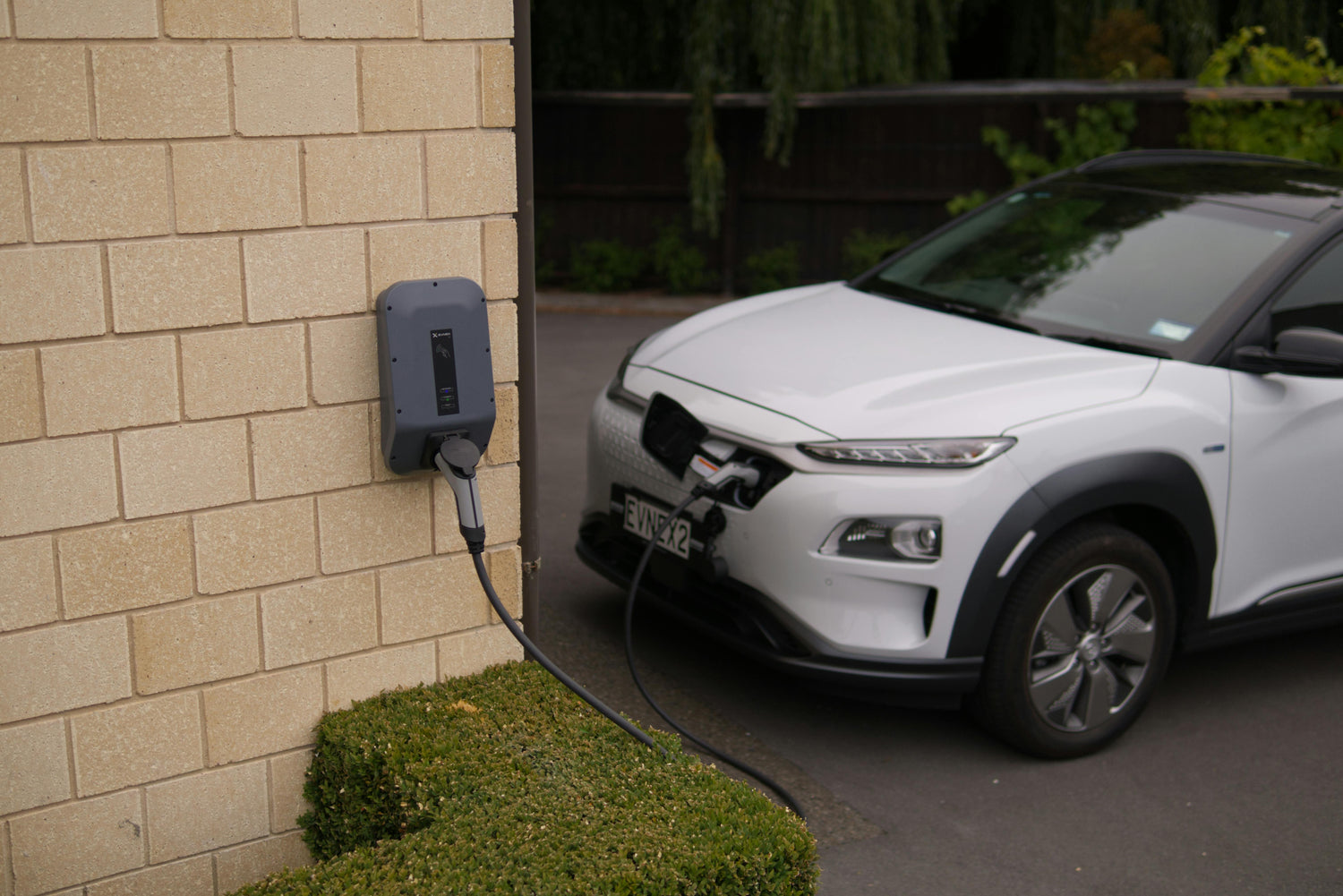
Такая система требует установки, часто на внешней стене или внутри гаража. Возможно, потребуется модернизация электрощитка, поэтому многие водители перед началом работ консультируются со специалистом. Хорошая новость? После установки зарядка происходит без усилий. Вы паркуетесь, подключаете зарядное устройство и просыпаетесь готовыми к поездке.
Как установить зарядное устройство для электромобиля дома?
Установка домашнего зарядного устройства — это не то, что делается каждый день, поэтому полезно знать, как выглядит этот процесс от начала до конца. Хотя каждый дом индивидуален, в большинстве случаев установка выполняется по одному и тому же базовому алгоритму.
Начинается все с быстрой оценки. Электрик проверяет доступное электроснабжение, осматривает парковочное место и подтверждает, может ли система поддерживать устройство уровня 2. В некоторых домах мощности распределительного щита достаточно. В других может потребоваться модернизация.
После проверки всех параметров зарядное устройство устанавливается на стену, обычно как можно ближе к месту парковки. Затем подключается, проверяется и закрепляется проводка. Вся процедура может занять от нескольких часов до целого дня, в зависимости от планировки и возраста электросистемы.
После установки зарядное устройство готово к использованию. Приложения или подписки не требуются, хотя некоторые модели предлагают такие функции, как планирование или отслеживание потребления энергии.
Исходя из нашего опыта в Evniculus, можно выделить одну важную вещь: это не работа для самостоятельного выполнения. Даже если она выглядит простой, в ней используются высоковольтные компоненты. Лицензированный электрик гарантирует долгосрочную безопасность. Даже если установка выглядит простой, она включает в себя высоковольтные компоненты. Лицензированный электрик гарантирует, что все безопасно, законно и рассчитано на будущее.
Домашняя зарядная станция для электромобилей: стоимость
Цена домашней зарядной станции зависит от нескольких факторов. Стоимость самого зарядного устройства, сложность установки и любые необходимые изменения в электропроводке вашего дома — всё это может повлиять на цену.
Базовые модели стоят от нескольких сотен евро. Обычно они предлагают стандартную скорость зарядки и не включают интеллектуальные функции. Если вам нужно устройство с управлением по Wi-Fi, расписанием зарядки или отслеживанием энергопотребления, цена может быть выше.
Наиболее существенным фактором часто является стоимость установки. Если электрощит в хорошем состоянии и зарядное устройство расположено рядом с ним, работа выполняется быстро и просто. Но если вашему дому требуется модернизация щита или прокладка более длинных кабелей, цена возрастает. Стоимость работ также варьируется в зависимости от места проживания.
Во многих странах Европы существуют программы, снижающие эти затраты. Скидки, гранты и налоговые льготы могут покрыть часть стоимости установки, если вы используете сертифицированное оборудование и лицензированных специалистов. Это одна из причин, почему все больше водителей сейчас предпочитают устанавливать стационарное оборудование. бытовое зарядное устройство для электромобилей Лучше раньше, чем позже.
Мы всегда рекомендуем получить четкую смету до начала работ. Таким образом, вы избежите неожиданностей в последний момент и сможете планировать все реалистично.
Советы по установке домашнего зарядного устройства для электромобилей
Разместите его рядом с вашим парковочным местом.
Чем короче кабель, тем меньше проблем. Старайтесь размещать зарядное устройство поближе к месту, где обычно паркуется ваш автомобиль. Это позволит избежать натягивания проводов через проходы и снизит вероятность повреждения со временем. Кроме того, зарядка будет казаться простой и удобной: просто припаркуйтесь, подключите и уходите.
Обратитесь к лицензированному электрику.
Это не просто рекомендация, это правило безопасности. Лицензированный специалист не только правильно установит систему, но и проверит, выдержит ли её проводка в вашем доме. В некоторых странах наличие сертифицированного электрика является обязательным условием для сохранения гарантии. Это также лучший способ подготовить вашу систему к модернизации с большей мощностью в будущем.
Сделайте безопасность приоритетом.
Ваша зарядная станция подключена к основной электросети вашего дома. Это означает, что каждая её часть: кабель, розетка, цепь — должна быть в исправном состоянии. Не используйте поврежденные провода и не подключайте зарядное устройство к удлинителям. Держите место установки сухим и чистым, особенно если оно установлено на открытом воздухе. Регулярные проверки помогают обеспечить безопасность. зарядка электромобиля дома без перерывов.
В Evniculus мы помогли многим клиентам пройти весь процесс установки от начала до конца. Правильная настройка не только заряжает ваш автомобиль, но и обеспечивает спокойствие каждый раз, когда вы подключаете его к зарядке.
Вопросы-Ответы
Что включает в себя процесс установки?
Сертифицированный электрик сначала проверяет вашу систему. Если она соответствует техническим стандартам, он устанавливает зарядное устройство рядом с вашим парковочным местом и подключает его к печатной плате. После того, как все установлено, он проводит проверки безопасности и демонстрирует вам, как это работает. Обычно это занимает несколько часов.
Можно ли заряжать электромобиль дома, используя энергию солнца?
Да, и многие водители уже так делают. Если у вас дома установлены солнечные батареи, энергия, которую они производят в течение дня, может напрямую поступать в ваш автомобиль. Это экологически чистый цикл: солнце — зарядное устройство — аккумулятор. И во многих случаях это помогает снизить ваши счета за электроэнергию в долгосрочной перспективе.
Стоит ли использовать удлинитель с зарядным устройством для электромобиля?
На самом деле нет. Большинство стандартных кабелей не рассчитаны на такую нагрузку. Они могут нагреваться или даже повредить вилку. Если зарядный кабель не подходит по длине, гораздо более безопасным решением будет использование специальной уличной розетки или удлинителя, предназначенного для электромобилей.