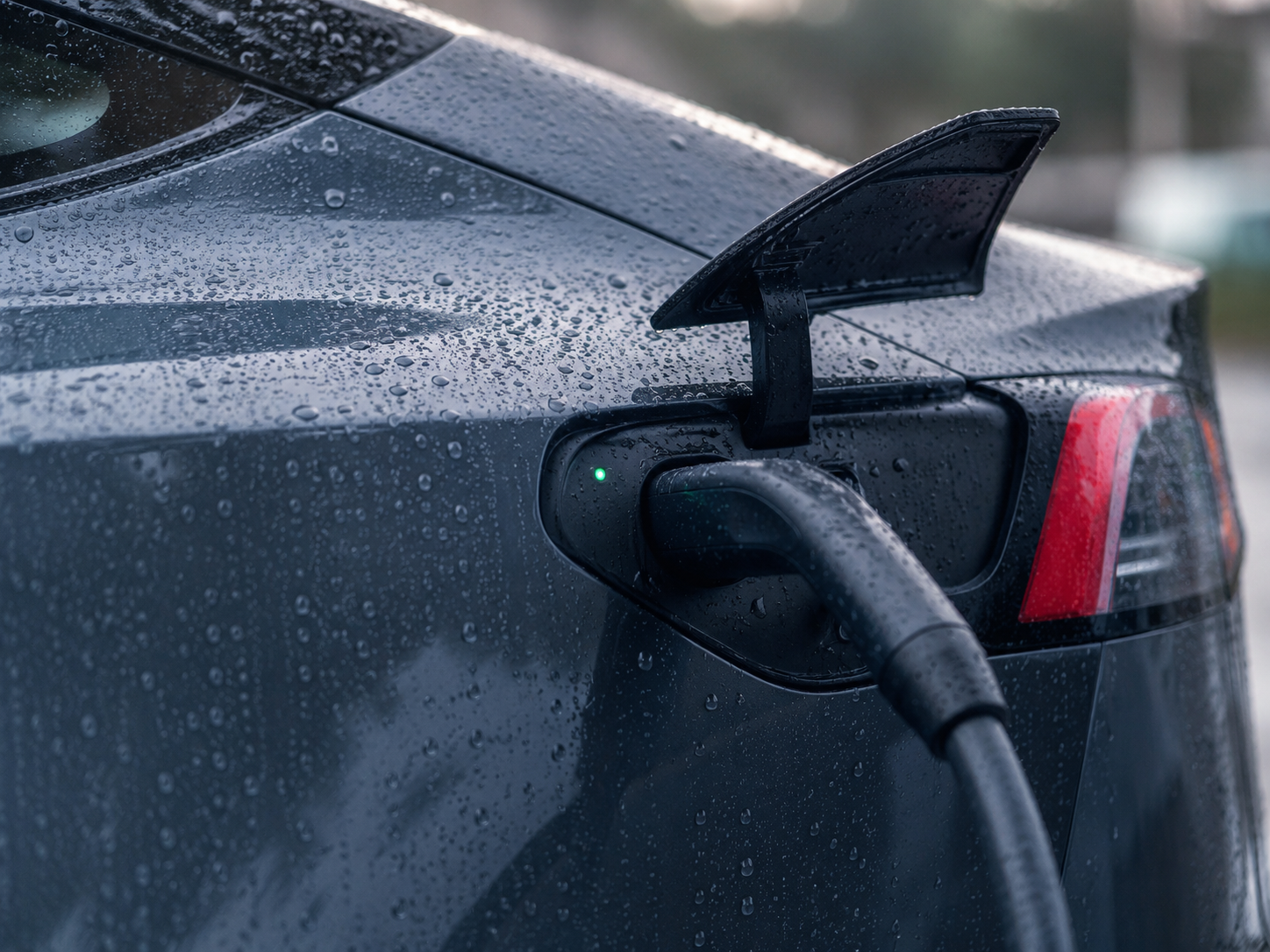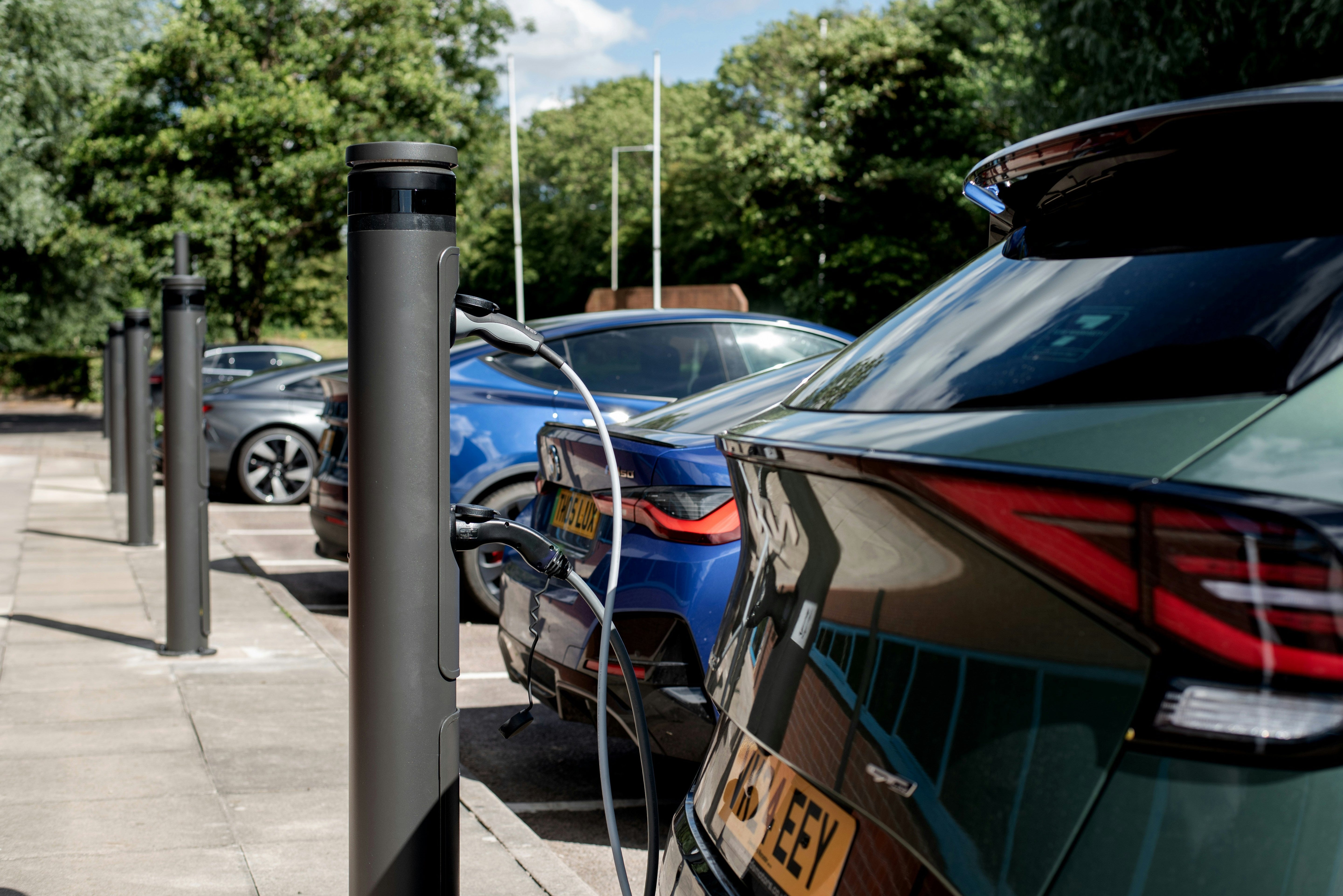
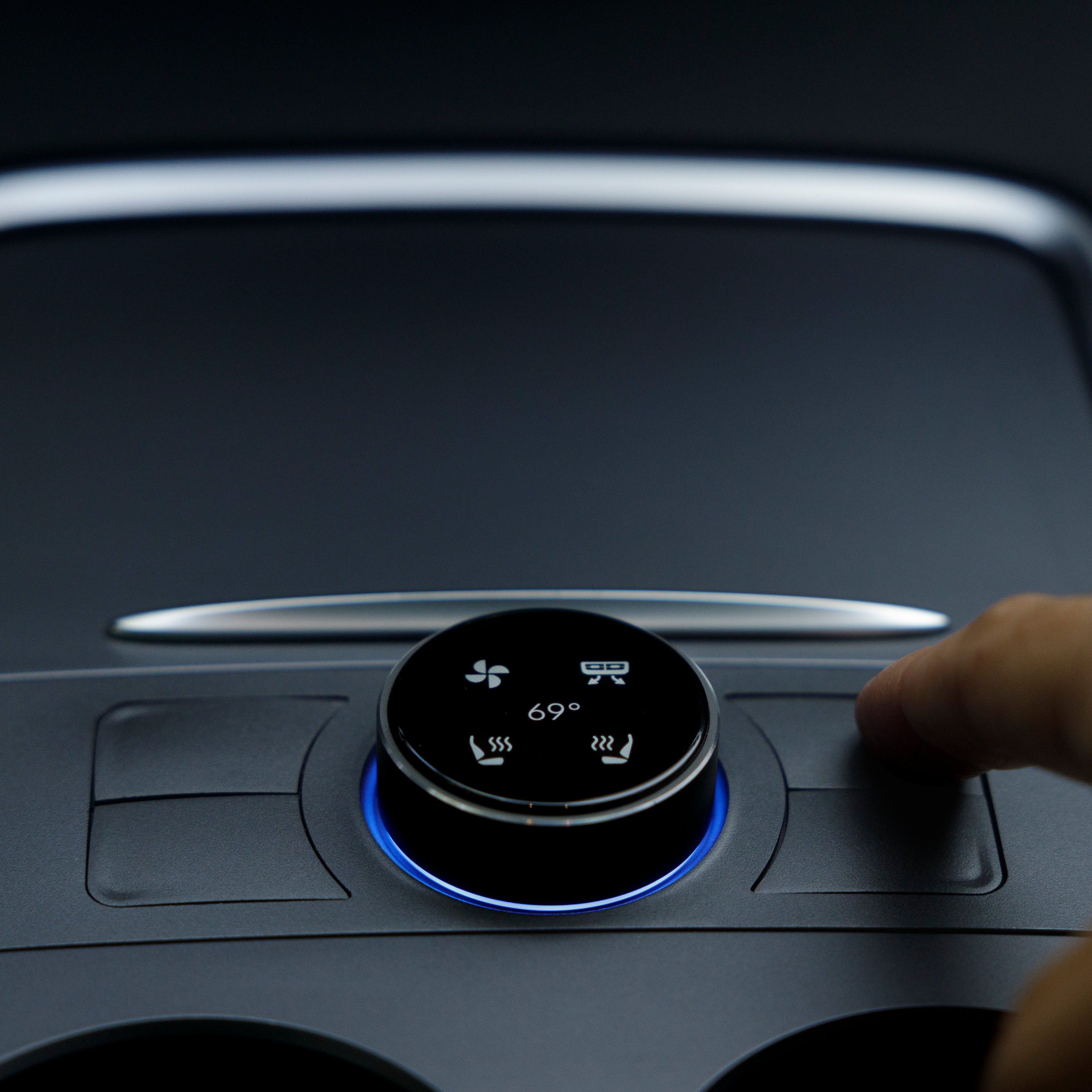
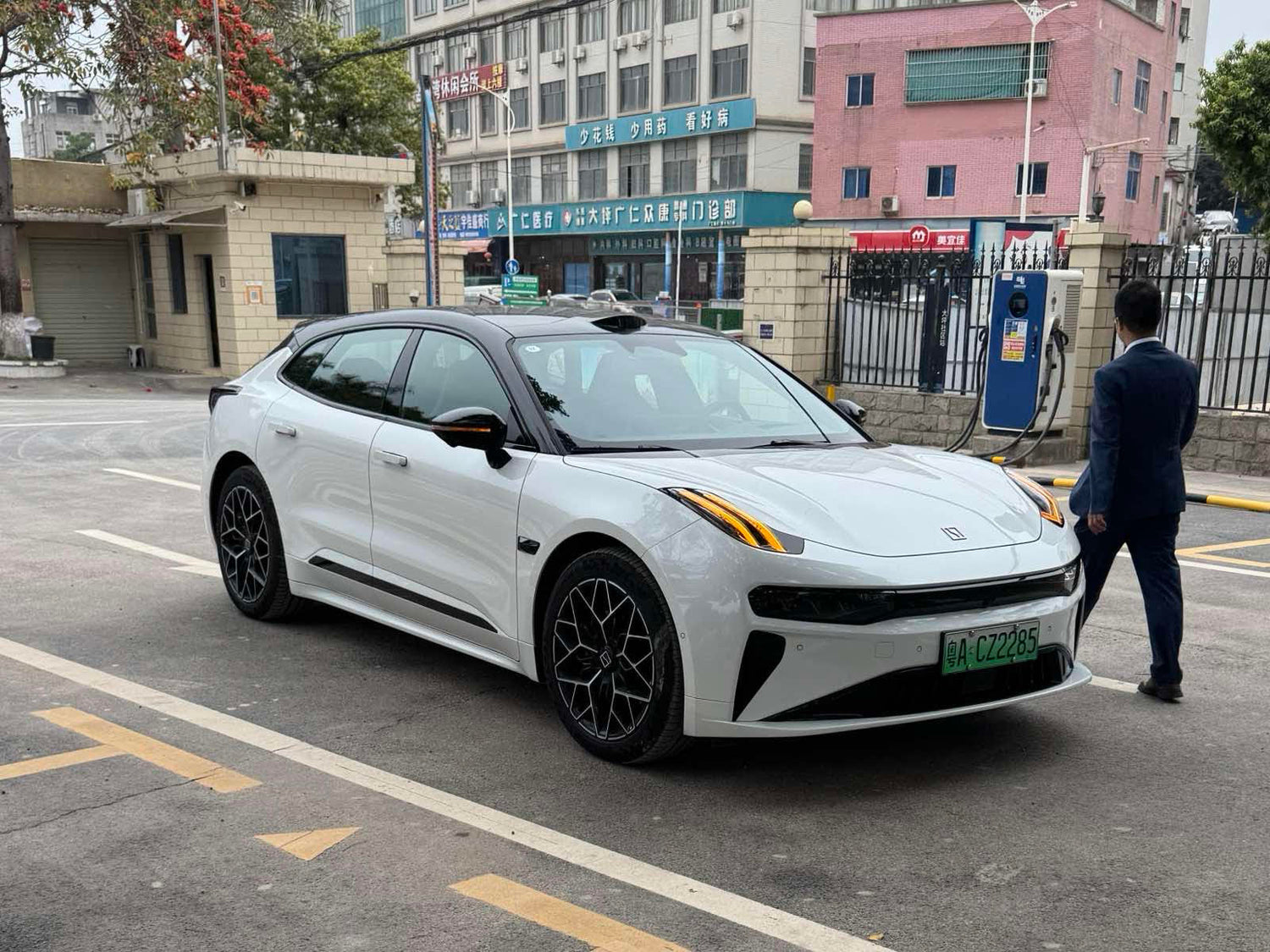
Некоторые люди не узнают эти бренды. Уже одно это заставляет их колебаться. Это понятно. Новые названия, как правило, вызывают недоумение. Но если заглянуть за эмблему, часто обнаруживается нечто неожиданное.
Многие электромобили, произведенные в Китае, обладают функциями, которые на удивление хорошо проработаны для своей цены. Сенсорное управление, голосовое управление и встроенные приложения — не исключение. Они распространены. Более того, эти дополнения встречаются в автомобилях, которые часто стоят дешевле, чем можно было бы подумать.
Изменился и дизайн этих автомобилей. Ранние версии во многом заимствовали западные образцы. Сейчас это уже не так. Новые модели отличаются более четкими линиями, более сбалансированными пропорциями и компоновкой, которая в полной мере использует преимущества платформы электромобиля. Внутри стало больше места. Батарея расположена ниже. Салон кажется более открытым.
В технологическом плане изменения происходят быстро. Нередко можно увидеть, как автомобили обновляются удаленно или заряжаются гораздо быстрее, чем раньше. В некоторых случаях ждать вообще не приходится: водители могут просто заменить батарею и продолжить путь.
По мере наращивания объемов производства и усиления конкуренции, электромобили, произведенные в Китае Они начинают переосмысливать ожидания покупателей от доступных электромобилей.
Топ-6 электромобилей, произведенных в Китае
При таком количестве Китайский электромобиль Каждый год на рынок выходит множество новых моделей, и выбрать всего несколько выдающихся названий непросто. Тем не менее, есть имена, которые постоянно всплывают не только в местных рейтингах продаж, но и в разговорах среди водителей за рубежом. Эти шесть электромобилей заслужили свою репутацию по разным причинам, от практичности до инноваций.
Песня мира
BYD Song повсюду в Китае. Его можно увидеть в городах, на трассах, в пригородах. Это среднеразмерный внедорожник, который не кричит о себе, но отлично справляется со своей задачей. Салон достаточно просторный для семейных поездок, технологии неплохие, а запас хода удовлетворяет большинству повседневных потребностей. Вероятно, именно поэтому многие покупатели остаются верны этой модели.
BYD Song Plus EV — это среднеразмерный внедорожник с батареей емкостью 71,7 кВт⋅ч и мощностью до дальность действия 505 км (CLTC). Его электродвигатель обеспечивает 150 кВт (204 л.с.)Это делает его практичным выбором для ежедневных поездок на работу и семейных путешествий. Быстрая зарядка постоянным током позволяет зарядить аккумулятор до 80% менее чем за 40 минут.
МИР ЧАЙЕК
Этот автомобиль крошечный, жизнерадостный и его трудно не заметить. BYD Seagull явно создан для городской езды. Он легко паркуется в тесных местах, потребляет мало энергии и при этом предлагает такие удобства, как сенсорное управление и быструю зарядку. Он не броский, но умный, и именно это ценят его поклонники.
Модель Seagull оснащена батареей емкостью 30 кВт⋅ч или 38,8 кВт⋅ч, обеспечивающей до дальность хода 405 км (CLTC). Выходная мощность 55 кВт (75 л.с.)и, несмотря на свои компактные размеры, он поддерживает быстрая зарядка До 30 кВт, что редкость в этом ценовом диапазоне.
Nio ET5
Nio — один из брендов, о котором говорят за пределами Китая, и ET5 — тому подтверждение. Он выглядит элегантно, почти футуристично, и это не просто показная роскошь. Автомобиль обладает реальными ходовыми качествами, а интерьер больше напоминает гостиную, чем салон. Одна из необычных особенностей — система замены батареи: вместо ожидания зарядки водители могут подъехать к станции и через несколько минут уехать с полностью заряженной батареей.
Модель Nio ET5 предлагается с несколькими вариантами аккумуляторов: 75, 100 или 150 кВт⋅ч. Двухмоторная система обеспечивает 360 кВт (489 л.с.) и ускоряется от Разгон от 0 до 100 км/ч за 4 секундыПредполагаемый диапазон может достигать 1000 км с самой большой батареей. Фирменная система замены батареи Nio обеспечивает полную «заправку» менее чем за 5 минут.
Модели Zeekr
Zeekr пока ещё не широко известен, но его начинают замечать. Например, Zeekr 001 ощущается как нечто среднее между универсалом и роскошным электромобилем. Он большой, быстрый и минималистичный внутри. Есть также Zeekr X, меньший по размеру, но столь же стильный по дизайну. Обе модели отражают тенденцию к глобальным амбициям. Эти автомобили создавались не только для Китая.
Zeekr 001 оснащен батареей емкостью 100 кВт⋅ч и обеспечивает до дальность хода 620 км (CLTC). Он может достичь Разгон от 0 до 100 км/ч за 3,8 секундыБлагодаря двухмоторной системе, Zeekr X более компактен, оснащен батареей емкостью 66 или 86 кВт⋅ч и имеет запас хода до 512 км.
BYD Qin Plus
Модель Qin Plus существует уже довольно давно, и в этом отчасти заключается её привлекательность. Люди знают, что получают. Это надёжный, относительно экономичный седан по цене, которая подходит для повседневной езды. Он не гонится за трендами, а придерживается проверенных решений. По всей видимости, этого достаточно, чтобы удерживать его на высоких позициях в рейтингах продаж.
Этот седан предлагает DM-i подключаемый гибрид одна версия и полностью электрическая. Вариант электромобиля оснащен батареей емкостью 53 или 71 кВт⋅ч, способной обеспечить до дальность действия 610 км (CLTC). Выходная мощность составляет около 100–135 кВт, в зависимости от версии.
Wuling Hongguang Mini EV
Вы, вероятно, видели его фотографии: угловатый маленький автомобиль пастельных тонов, обычно быстро передвигающийся по узким улочкам. Wuling Mini EV действительно небольшой, но в этом и заключается его очарование. Он создан для коротких поездок, городских поручений и водителей, которым нужно не больше, чем четыре колеса и розетка. Он не роскошный, но доступный. В стране, где миллионы людей живут в густонаселенных городских центрах, это имеет значение.
Этот автомобиль, разработанный для использования в городе, оснащен следующими характеристиками: Аккумулятор 9,3 или 13,8 кВт⋅ч, предоставляя широкий спектр услуг 120–170 км (CLTC). С двигатель мощностью 20 кВтОно создано не для скорости, а для доступности и удобства в густонаселенных городских районах.
Часто задаваемые вопросы
Доступны ли китайские электромобили в Европе или США?S.?
В Европе они уже на рынке. Не везде, но во всё большем числе стран. BYD и Nio можно найти в таких городах, как Осло и Берлин, а MG хорошо продаётся, например, в Великобритании. Всё развивается быстро. В США...S...это медленнее. Другие правила, другие условия. Некоторые марки проявили интерес, но пока американские дороги по-прежнему в основном принадлежат отечественным и европейским маркам. Возможно, скоро это изменится.
Надежны и безопасны ли китайские электромобили?
Многие модели, выпускаемые сегодня в Китае, соответствуют европейским стандартам безопасности, включая краш-тесты и сертификацию для использования на дорогах общего пользования. Такие автомобили, как Nio ET5, Zeekr 001 и BYD Song Plus, предлагают не только передовые технологии и высокое качество сборки, но и такие функции, как адаптивный круиз-контроль, система помощи при движении по полосе и высокоэффективные тормозные системы.
Тем не менее, рынок разнообразен. Некоторые новые бренды или модели начального уровня, такие как микроэлектромобили, могут отдавать приоритет доступности, а не премиальным функциям безопасности. Надежность также зависит от качества в долгосрочной перспективе, которое варьируется у разных производителей.
Если модель разрешена к продаже в вашей стране, это уже хороший показатель. Но также стоит проверить отзывы пользователей и условия гарантии, особенно для новых брендов, которые только формируют свою репутацию.