
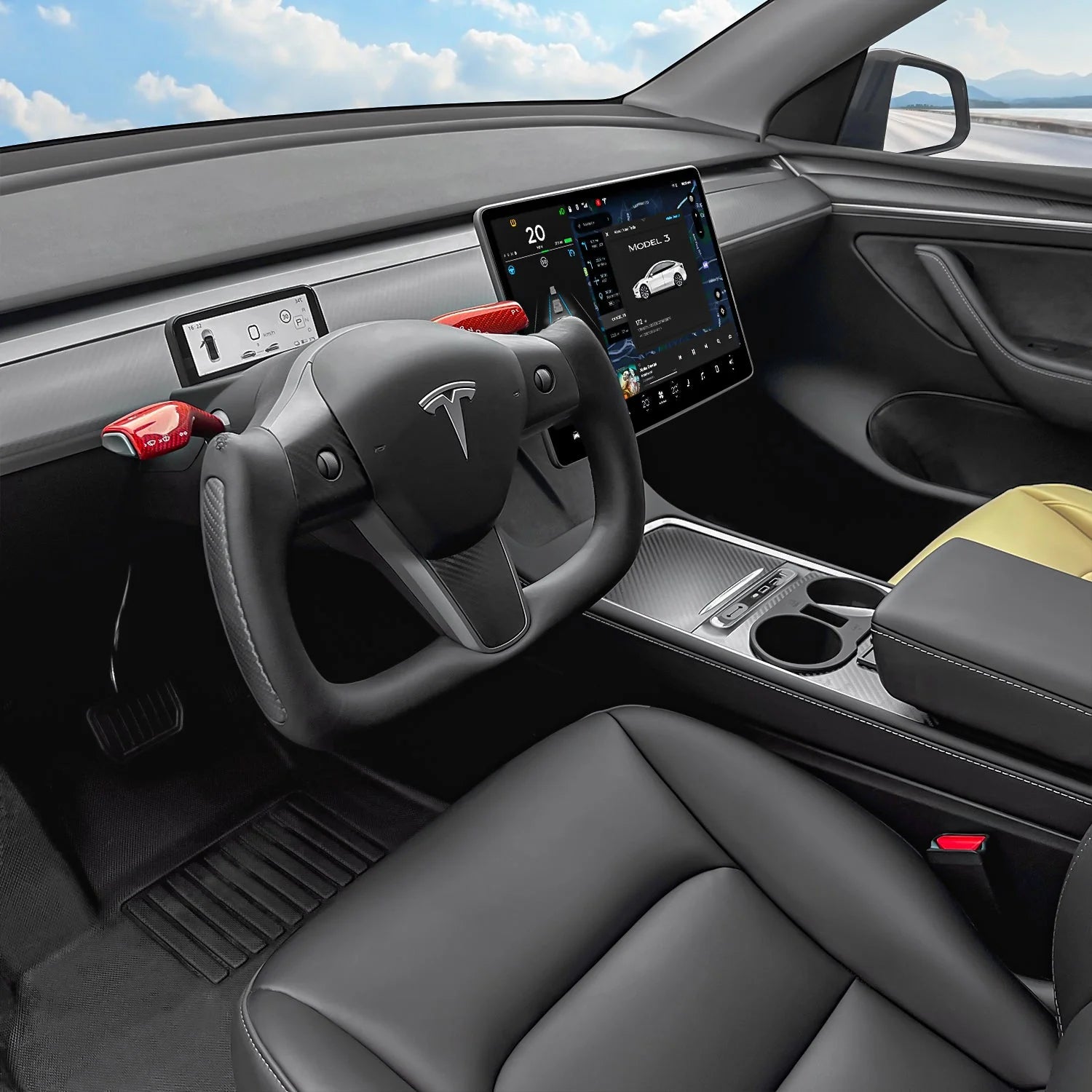
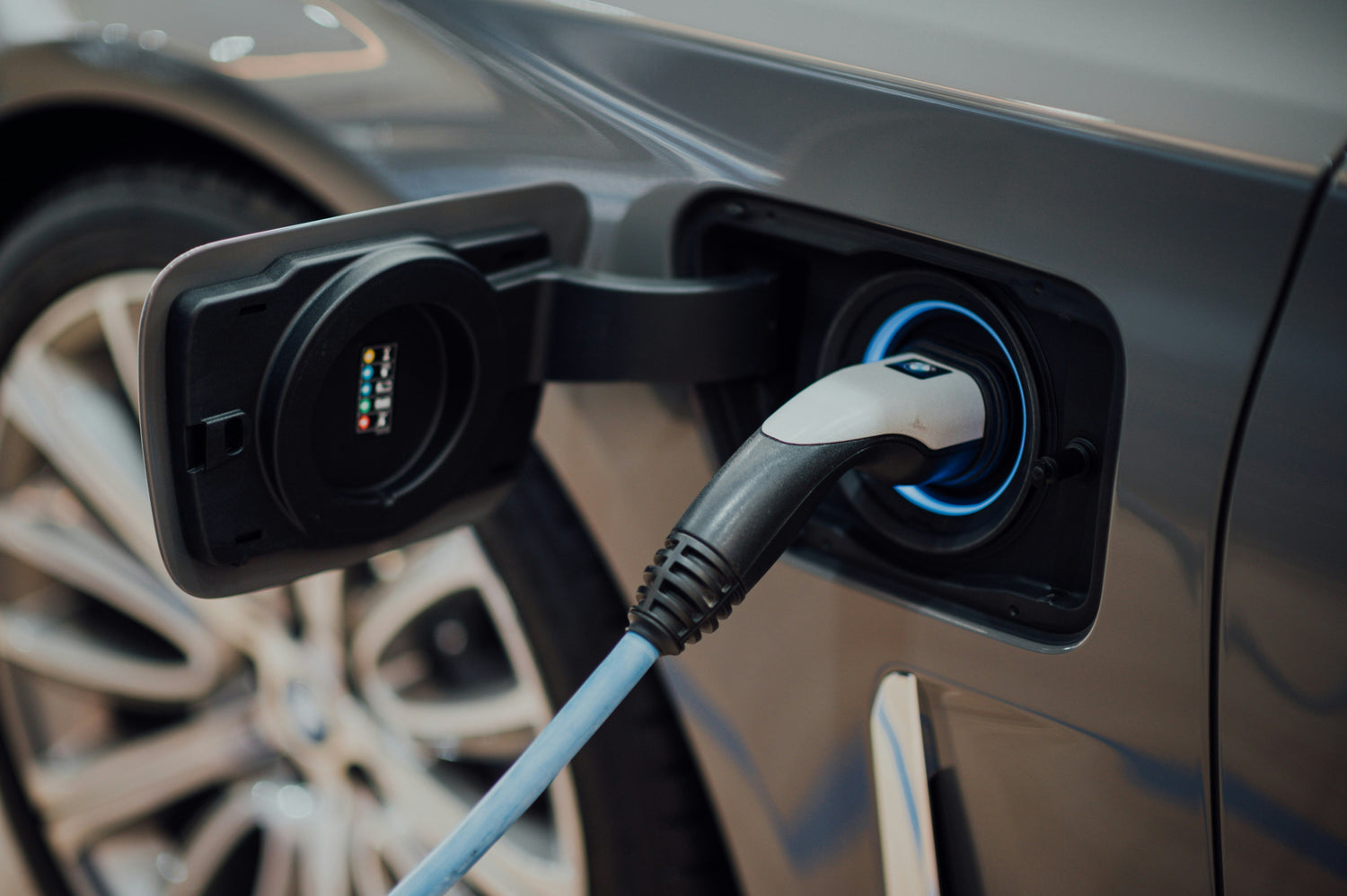
One rainy evening in Seattle, I watched a man step out of his Model 3, pull the hood of his jacket over his head, and walk calmly to his wall charger. The water was pouring off the edge of his driveway, yet he plugged in as if the weather didn’t exist. I asked him later whether it ever worried him. He laughed. “The first week, yes. Now? I don’t even think about it.” His answer captured the reality of owning an electric car. At first the question nags at you: can I charge my Tesla in the rain without risking anything? After a few months, the hesitation disappears.
The reason is simple. Tesla didn’t design its charging system only for sunny afternoons. It built it for Norway, for Britain, for the Pacific Northwest, for places where rain is more frequent than blue skies. Still, myths linger, and for new drivers, the worry feels real. To understand why it’s safe, you have to look at how the system actually works.
How Tesla’s charging system prevents electric shocks?
Pick up a charging cable for the first time and you might expect it to behave like a household socket. That is what most of us grew up with: live current waiting on the other side of a plug. Tesla does not work like that. The connector in your hand is essentially asleep until it knows the car is ready. No current flows until the charger and the vehicle exchange a digital handshake.
Think of it like walking into a room with motion-sensing lights. The bulb stays dark until the system confirms everything is in place. Only then does it turn on. The charging cable behaves the same way. You can stand in a downpour, water dripping from your sleeve, and still be holding something completely inactive.
Once charging starts, the monitoring continues. Sensors keep watch for irregularities. If water sneaks somewhere it shouldn’t or the voltage looks unstable, power is cut instantly. Most drivers never notice because the process is seamless, but the protection is always running in the background.
Can you charge a Tesla in the rain: Myths vs. Facts
Scroll through online forums and you will find plenty of dramatic claims. Someone will insist that plugging in during rain is like throwing a toaster into a bathtub. Another person will swear that a lightning storm can turn your car into a giant conductor. These stories sound convincing until you ask owners who live in rainy places.
So, can you charge a Tesla in the rain safely? The evidence says yes. In London, where damp streets are the default setting, charging outdoors is as common as parking. In Bergen, Norway, where it rains more than two hundred days a year, Teslas line driveways connected to home chargers night after night. If there were a real danger, it would not be a secret. The routine nature of it tells the truth better than any technical manual.
The lightning myth is harder to shake because storms do feel powerful. But plugging in does not make your Tesla more attractive to a strike. Lightning is unpredictable and can hit any structure, connected or not. A strike could damage your home grid, your refrigerator, even your Wi-Fi router. The charging process itself does not increase that chance.
Charging a Tesla in rain or thunderstorms: safety tips
Still, even with a safe design, drivers fall back on common sense. When thunder rattles the windows and lightning flashes close enough to count the seconds, many people simply wait. It is the same instinct that makes you unplug a laptop or a television. Not because the device is unsafe, but because lowering exposure to unpredictable nature feels right.
Environment plays its part too. Charging in a puddle is unpleasant, even if the charger is waterproof. A clean surface and good drainage make everything easier. And equipment matters. Tesla’s own chargers, or approved home installations, are built with weather resistance in mind. Using improvised extension cords or third-party gadgets is where unnecessary risk creeps in. The safe system works best when used as intended.
Practical advice for charging Tesla in wet weather
Safety is the headline, but longevity deserves a mention. Rain won’t ruin the system, but habits make a difference in how long everything stays in top shape.
Waterproof design
The hardware has been tested against pressure sprays far harsher than any storm. Engineers deliberately blasted connectors with water to prove their resilience. For owners in Vancouver or Manchester, where drizzle is part of life, this is the reason they never worry about leaving the car plugged in outside.
Charging port protection
The port itself does some of the work. It closes automatically when not in use, keeping dirt, snow, and moisture out. A quick glance before plugging in is enough to ensure nothing is blocking the seal. This two-second habit goes a long way toward keeping the connection flawless.
Equipment care
From our experience at Evniculus, most charging problems don’t come from the technology but from the way the equipment is treated. A cable left lying in a puddle, stepped on or twisted too tightly will wear out faster than expected. Keeping it off the ground and coiled gently on a wall hook is a simple habit, yet it makes a big difference. We have seen how these small details keep charging smoother and extend the life of the gear for years.
Why rain shouldn’t stop you
The more you look into it, the clearer it becomes. Tesla designed this system not only for ideal conditions but for messy, wet reality. In Canada, people charge through blizzards. In Singapore, they charge through tropical downpours. In Britain, they charge in drizzle so common it barely counts as weather.
At first, the thought of combining electricity and rain feels unnatural. After a while, it becomes just another part of daily life. You step out of the car, water on your jacket, connector in your hand, and you plug in without thinking twice. The system was built for exactly this.
So the next time the rain is loud on the roof and your Tesla needs power, remember the driver in Seattle who laughed when asked if he ever worried. Once you have done it a few times, the answer comes as naturally as the action itself. Yes, you can charge. Yes, it is safe. And soon enough, you won’t even ask the question anymore.


