
The EV charging world is changing fast. One day you're using your car's standard port, and the next you're hearing about a different connector that might become the new norm. If you've been following EV news, you've probably come across terms like NACS and CCS, and maybe even wondered whether you’ll need a NACS to CCS adapter.
The good news? You’re not alone. Thousands of drivers are asking the same question. The better news? This article breaks down everything you need to know, in plain language, with practical use cases that actually make sense. Because adapters aren’t just accessories. Sometimes, they’re the difference between getting a full charge and driving around with 12 percent.
At Evniculus, we often hear from drivers who feel overwhelmed by changing charging standards. The truth is, once someone explains when and why an adapter is needed, things start to make a lot more sense.
Let’s start with the basics.
NACS vs CCS: What is the difference?
That brings us to the main question: NACS vs CCS. What really separates these two charging standards? Think of EV connectors like phone chargers, they do similar things, but the plugs don’t always match.
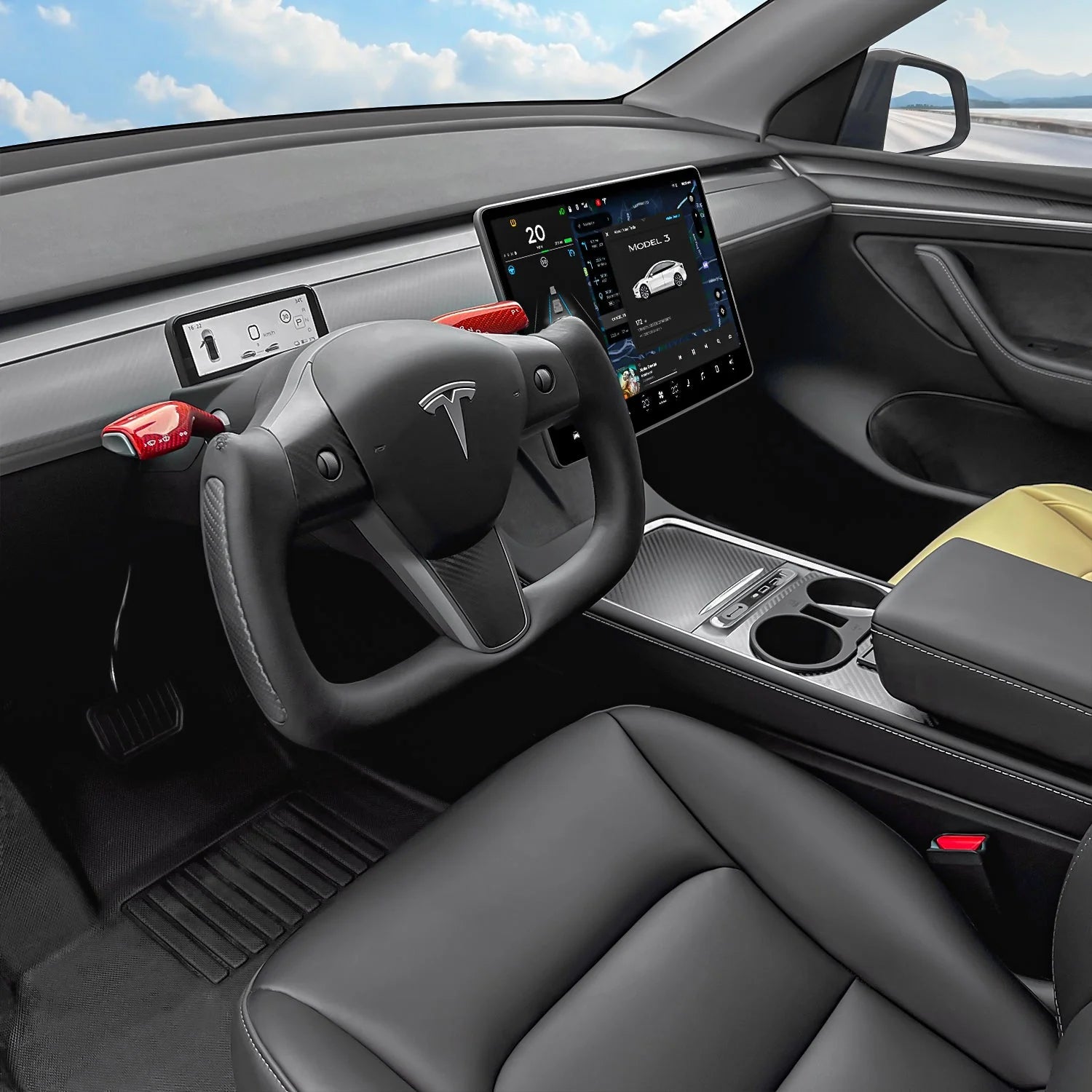
NACS, short for North American Charging Standard, is the slim, clean-looking plug that started with Tesla. It supports both slow and rapid charging, all through the same neat little plug. Despite its compact size, it handles serious power. Over the years, it’s come to reflect how Tesla approaches tech: straightforward, stripped of excess, and focused on doing the job right. If you’ve charged at one of their Superchargers, you’ve already used it.
CCS, or Combined Charging System, is a bit different. It’s the more common plug on non-Tesla electric cars, especially in North America and Europe. The shape is bulkier, with separate pins for fast charging. It works well, and it’s supported by a wide network of public stations, but it hasn’t always been as seamless or user-friendly.
What’s changing now is momentum. Car makers who once relied on CCS are beginning to shift. Some are announcing plans to adopt NACS in their next models. And with Tesla’s network opening to more EVs, these two systems are starting to overlap.
That’s where the need for adapters comes in, not because one is better than the other, but because both are still part of the landscape.
What is a NACS to CCS adapter?
A NACS to CCS connection lets a non-Tesla EV charge at a Tesla station, but only with the right adapter. On the outside, it looks like a short connector with two different ends. But what it actually does is let an electric vehicle with one type of charging port talk to a charger made for another.
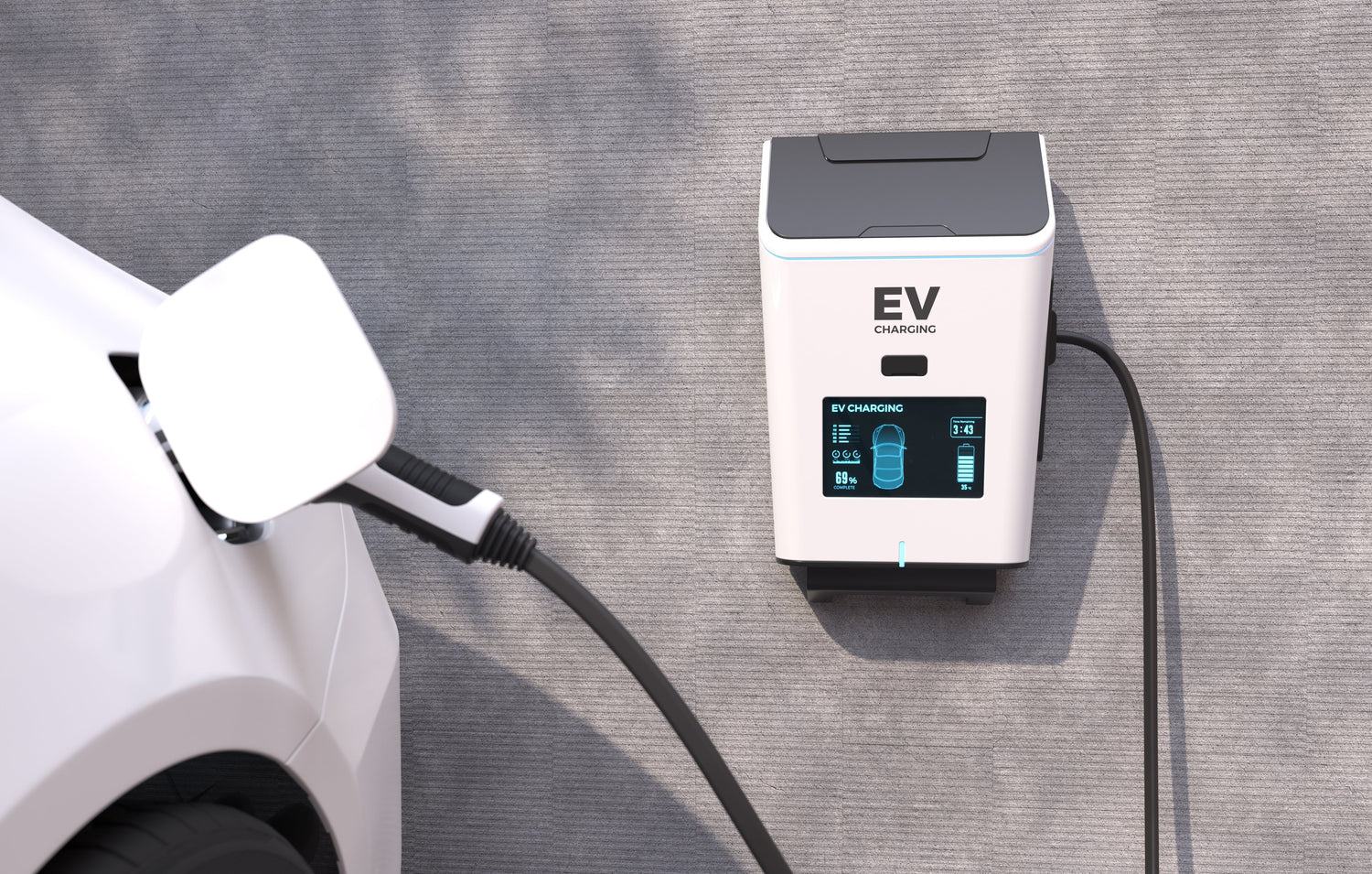
Let’s say your car uses a CCS plug. That’s what most non-Tesla EVs have. Now imagine you pull up to a Tesla Supercharger that only has NACS plugs. Without an adapter, you’re stuck. With one, you can plug in and charge: no drama, no delays.
Behind the scenes, the adapter does more than just connect two ends. It helps the car and the charger understand each other: how much power is needed, how fast it can flow, and when to hold back.
This isn’t only about shape. There’s a whole exchange of signals happening once the cable clicks into place.
With the right adapter, you connect once and trust it’ll do the rest. Materials matter. So does the internal design. For many drivers, it opens the door to faster charging in more places, without second-guessing.
When would you need a NACS-CCS adapter?
You don’t need an adapter every day. But when the moment comes, you’ll be glad you have one. Most EV drivers find themselves in one of three situations.
You drive an EV with a CCS port and want access to Tesla Superchargers
Your car uses a CCS port, that’s still common. But Tesla’s Supercharger stations? They don’t speak that language natively. Unless you have an adapter, they’re off-limits. With one, the situation changes. Suddenly, the biggest fast-charging network out there becomes available.
In some areas, Tesla chargers are the only ones you’ll find nearby that actually work. The adapter doesn’t just add one more option. It can be the difference between getting home and getting stuck.
You want faster charging
Charging isn’t always equal. Some stations crawl, others fly. Tesla’s Superchargers tend to fall in the second group: fast, dependable, and well-maintained. If you’ve ever waited 40 minutes just to get 20% more range, you know how frustrating that can be.
With access to NACS via an adapter, you get more flexibility. You don’t need to rely on a single network. You pick the one that gets you going quicker.
You’re preparing for the industry shift toward NACS
Things are changing. More automakers are moving toward NACS, and infrastructure is following. New chargers are rolling out with NACS connectors. That means fewer CCS-only stations in the long run.
If you want to stay ahead, owning a NACS-CCS adapter is like keeping a spare key. It may not be urgent now, but one day you’ll be glad it’s there.
Where can you buy the best NACS to CCS adapter?
You’ll find adapters in a lot of places, some good, others questionable. Prices range all over the map, and not every product lives up to its promise.
What really matters is whether the adapter does what it says. It should fit your car. It should work with the charger. And it should do that safely, every time. Look for technical details, not flashy claims. If a listing skips the voltage rating or leaves out compatibility, that’s a red flag.
Some drivers get their adapter from brands they already know. Others prefer to buy from EV specialists or charging hardware retailers. To avoid problems on the road, it makes sense to invest in the best NACS to CCS adapter you can afford, rather than risk compatibility issues with a random one.
An adapter might seem like a small thing, but when you’re miles from home and the only station nearby is NACS, it quickly becomes one of the most useful tools in your trunk.
If you're still unsure which adapter works best with your vehicle, Evniculus is here to help. We stay up to date on every shift in the industry and make sure our readers get clear, honest answers that make decisions easier.
FAQ
Can a NACS to CCS adapter affect charging speed?
It can – but not always in the way people expect. A good adapter won’t slow down the charger by itself. However, some EVs limit charging speed based on compatibility, even when connected through a proper adapter. The actual rate depends on your car’s onboard charger, the power output of the station, and how well the adapter manages signal translation. In other words, the adapter can open the door to fast charging, but your car still sets the pace.
Is every NACS to CCS adapter compatible with all EV models?
Not necessarily. While many adapters claim broad compatibility, some are tuned for specific vehicle software or charging protocols. One adapter might work flawlessly with a Hyundai, but throw an error on a Volkswagen. Always check both the hardware fit and the communication support for your model. If the product page doesn’t mention exact vehicles, reach out to the seller before you buy.
Can a NACS to CCS adapter be used in both directions?
Actually, no, adapters don’t work in both directions. A NACS CCS adapter might look simple, but getting the direction wrong can turn a quick charge into a frustrating stop. Each one is built for a specific flow: either from a NACS charger to a CCS car or the other way around. If you try to reverse it, nothing will happen. Or worse, you might cause a fault. Before plugging in, it’s worth pausing to see which side goes where. If you connect it the wrong way, charging won’t start, and in some cases, the system might even block the session altogether.


